
Occupation Trilogy Books in Order
Part ofPatrick Modiano Books in OrderThis page lists Patrick Modiano’s Occupation Trilogy in order, with summaries, series background, reading guidance, and where to start.
Last updated:
As an Amazon Associate, we earn from qualifying purchases (at no extra cost to you).
Occupation Trilogy books in publication order
3 books
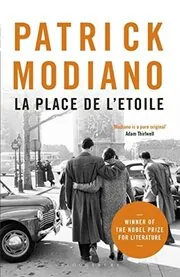
La Place de l'Étoile
by Patrick Modiano
1968
Modiano’s debut follows Raphaël Schlemilovitch, a Jewish narrator trapped in a whirl of masks, fantasies, and poisonous stereotypes. It is a fierce, unsettling attack on French antisemitism and the lingering sickness of the Occupation.

The Night Watch
by Patrick Modiano
1969
A young man in Occupied Paris becomes both collaborator and go-between, working near the French Gestapo while moving among Resistance contacts. Every role he plays makes escape more difficult.

Ring Roads
by Patrick Modiano
1972
A young narrator searches for his absent Jewish father and finds him moving among dubious men on the margins of wartime France. The mystery is personal, but the danger around them feels political, criminal, and deeply sad.
Occupation Trilogy books in chronological order
Series background & context
Patrick Modiano’s Occupation Trilogy brings together his first three novels: La Place de l'Étoile, The Night Watch, and Ring Roads. They are linked less by a continuing plot than by a shared pressure point. Each book circles the German occupation of France, the French collaborationist underworld, and the damage that period left behind for people born just after it.
The trilogy starts in a wild, unsettling register. La Place de l'Étoile follows Raphaël Schlemilovitch, a Jewish narrator who seems to wear every hateful stereotype and historical mask at once. The book is angry and satirical, full of role-playing, false identities, and the sick afterlife of antisemitism in postwar France. It can feel like a fever because that is part of the point.
The Night Watch narrows the focus to a young man caught between two dangerous worlds. He works for a French Gestapo circle, black marketeers, informers, and thugs who profit from the Occupation. At the same time, he is drawn into contact with a Resistance cell. The result is not a clean spy story. It is a story about cowardice, confusion, and the terrible ease with which a person can be pulled into serving everyone and betraying everyone.
Then Ring Roads turns the trilogy toward the father. A young narrator searches for the man who has been absent from his life and finds him among dubious men on the margins of wartime and postwar France. The book keeps the father just out of reach, both loved and mistrusted, both victim and compromised survivor. That tension gives the trilogy one of Modiano’s most lasting patterns: the child trying to understand an adult world that refuses to explain itself.
There is no tidy hero here.
The setting matters because Modiano’s Occupation is not only a date range. It is a moral weather system. Paris streets, hotel rooms, country inns, police offices, and nightclubs all carry traces of fear and deals made in the dark. The books are full of people who change names, invent backgrounds, disappear, or hide in plain sight.
Read the trilogy in order if you can. The movement is useful: from the explosive satire of La Place de l'Étoile, to the double-agent nightmare of The Night Watch, to the quieter ache of Ring Roads. Together they show the early Modiano finding the questions he would keep asking for the rest of his career: Who were these people? What did they do? And what happens when their children inherit the silence?







Edited by
Software engineer whose passion for tracking book recommendations from podcasts inspired the creation of MRB.
Lead investor at 3one4 Capital whose startup expertise and love for books helped shape MRB and its growth.
Comments
Did we miss something? Have feedback?
Help us improve this page by sharing your thoughts