
November Man Books in Order
Part ofBill Granger Books in OrderExplore the November Man series by Bill Granger in order, with book summaries, series background, and an easy guide to where to start.
Last updated:
As an Amazon Associate, we earn from qualifying purchases (at no extra cost to you).
November Man books in publication order
14 books
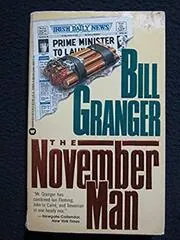
The November Man
by Bill Granger
1979
Devereaux, the American agent known as November, is sent to Britain to look into an IRA plot against the Royal Family. It is a lean, tense beginning to a series built on tradecraft, mistrust, and pressure.
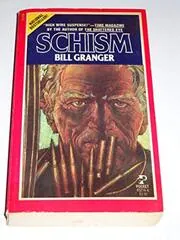
Schism
by Bill Granger
1981
A priest walks out of the Cambodian jungle after twenty years carrying a secret that Washington, Moscow, and the Vatican all want. Devereaux enters the chase, where faith, politics, and espionage keep colliding.
The Shattered Eye
by Bill Granger
1982
A stream of baffling intelligence points Devereaux toward a larger conspiracy touching European politics, NATO, and assassination. The clues look like nonsense at first, which makes the growing danger even harder to read.
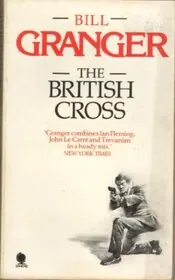
British Cross
by Bill Granger
1983
A Soviet defector utters the name of a vanished wartime spy, and Devereaux is pulled into a deadly scramble among British, American, and Russian intelligence. The mystery reaches back to World War II and refuses to stay buried.
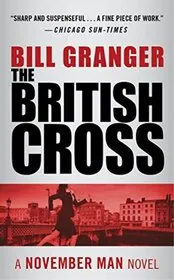
The British Cross
by Bill Granger
1983
A Soviet defector utters the name of a vanished wartime spy, and Devereaux is pulled into a deadly scramble among British, American, and Russian intelligence. The mystery reaches back to World War II and refuses to stay buried.
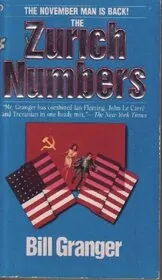
Zurich Numbers
by Bill Granger
1984
Devereaux uncovers a KGB network that forces immigrants in America to spy by holding family members hostage overseas. The trail runs from Chicago to Zurich, with lives and loyalties hanging on numbers few people understand.
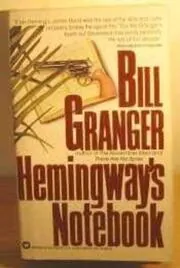
Hemingway's Notebook
by Bill Granger
1986
On a troubled Caribbean island, rebels, gangsters, secret agents, and a desperate local regime all want the same thing, Hemingway's lost notebook. Devereaux steps into the chaos, where literary legend and political secrets are equally dangerous.
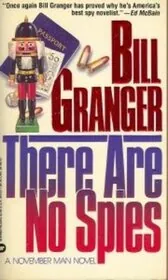
There Are No Spies
by Bill Granger
1986
Devereaux is pushed toward the background just when the old craft of human spying is declared obsolete. A collapsing mission and layers of betrayal prove that technology has not made the spy game any safer.
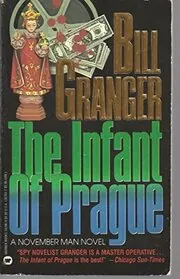
The Infant of Prague
by Bill Granger
1987
What starts as a simple escort job for a Czech defector turns into a wider contest of spies, double-crosses, and competing governments. Devereaux is pulled through another cold, slippery mission where nothing stays simple for long.
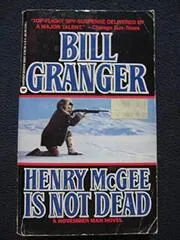
Henry McGee Is Not Dead
by Bill Granger
1988
When a Soviet scientist defects and then vanishes from an Alaskan project, Devereaux joins the hunt. Spies, blackmail, local militants, and a looming act of sabotage turn the frozen setting into a pressure cooker.
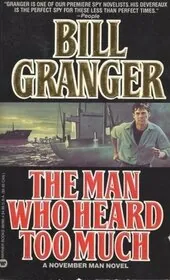
The Man Who Heard Too Much
by Bill Granger
1989
A translator carrying a tape of classified Soviet-American talks becomes prey to both the KGB and the CIA. Devereaux has to keep him alive, recover the tape, and figure out who is really running the game.

League of Terror
by Bill Granger
1990
Henry McGee is back, and he turns terrorism into a private business. After a brutal attack leaves Devereaux and Rita Macklin reeling, the chase becomes personal, stretching across a landscape of bombs, false flags, and vengeance.

The Last Good German
by Bill Granger
1991
As the Cold War thaws, Devereaux crosses paths again with the East German agent who almost killed him. Old betrayals and a hunt for a powerful Japanese decoding device drive this tense, intricate spy story.
Burning the Apostle
by Bill Granger
1993
Devereaux races to stop a plot to create a nuclear catastrophe near Chicago. Eco-radicals, dirty money, and Washington fixers make this late November Man novel feel uncomfortably close to home.
November Man books in chronological order
Series background & context
The November Man books center on Devereaux, an American intelligence operative whose code name is November. He is not a flashy gadget spy, and he is not built like a clean action hero. He is watchful, sardonic, a little worn down, and very good at surviving situations that have already gone bad. Much of the pleasure of the series comes from watching him think his way through pressure instead of simply shooting his way out.
The first book, The November Man, sends him into Britain to uncover an IRA plot against the Royal Family, and from there the series keeps widening the map. Schism pulls him into a chase built around a priest emerging from the Cambodian jungle with secrets everyone wants. The Zurich Numbers turns a network of coerced immigrant spies into something personal and brutal. Hemingway's Notebook moves the action to the Caribbean, where rebels, gangsters, and intelligence agencies all want the same missing document. The books travel, but they never lose that cold, tired feeling of late twentieth-century power politics.
Nobody in these novels is hunted by only one side.
That is a big part of what makes the series work. Devereaux is often squeezed by rivals and supposed allies at the same time, including the KGB, Western agencies, private operators, and politicians with their own agendas. Rita Macklin, the journalist who recurs through the books, helps keep the stories connected to the public world outside intelligence channels. Another recurring shadow is Henry McGee, a villain who gives some of the later novels an even nastier edge.
The tone is smart, knotty, and more grounded than glamorous. These are cold war thrillers that care about bureaucracy, betrayal, and bad information as much as they care about action. Devereaux is frequently half retired, sidelined, wounded, or written off by people who think his kind of fieldwork belongs to the past. That only makes him more dangerous, because he knows how often official confidence hides panic or stupidity.
There is an ongoing sense that whole systems are fraying. Governments change, alliances shift, and new technology promises to replace the old trade, but the human part of espionage never really disappears. One of the later books, There Are No Spies, was adapted for the 2014 film The November Man, which helped introduce Devereaux to a new audience.
If you want spy fiction that feels sharp, slightly bruised, and suspicious of everybody in the room, this series is a good fit. The plots can get intricate, but the core appeal stays simple: Devereaux is a pro, the world around him is unstable, and every mission comes with at least one betrayal already built in.











Edited by
Software engineer whose passion for tracking book recommendations from podcasts inspired the creation of MRB.
Lead investor at 3one4 Capital whose startup expertise and love for books helped shape MRB and its growth.
Comments
Did we miss something? Have feedback?
Help us improve this page by sharing your thoughts