
Bill Granger Books in Order
Browse Bill Granger books in order, with short summaries, series background, and simple where-to-start guidance for his spy and Chicago crime novels.
Last updated:
As an Amazon Associate, we earn from qualifying purchases (at no extra cost to you).
Bill Granger books in publication order
24 books
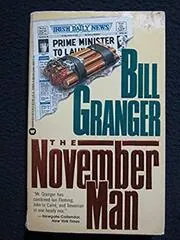
The November Man
by Bill Granger
1979
Devereaux, the American agent known as November, is sent to Britain to look into an IRA plot against the Royal Family. It is a lean, tense beginning to a series built on tradecraft, mistrust, and pressure.

Sweeps
by Bill Granger
1980
Television ratings season turns nasty when anchorman Jeremy Heron gets caught in the murder of an old friend. Behind the polished network image, Granger builds a sharp story about ambition, media power, and private loyalties.

Public Murders
by Bill Granger
1981
Chicago is gripped by a killer targeting blond women, and detective Karen Kovac volunteers to serve as bait. The hunt is tense, ugly, and relentlessly public, with the whole city leaning on the people trying to stop it.
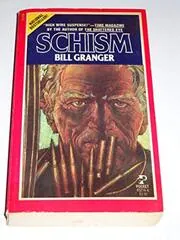
Schism
by Bill Granger
1981
A priest walks out of the Cambodian jungle after twenty years carrying a secret that Washington, Moscow, and the Vatican all want. Devereaux enters the chase, where faith, politics, and espionage keep colliding.
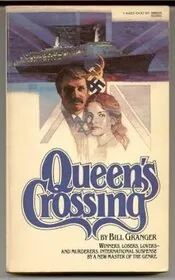
Queen's Crossing
by Bill Granger
1982
A day out from New York on the Queen Elizabeth 2, a homicide detective learns a passport forger has been murdered and the killer may still be aboard. The voyage turns into a locked-in game of intrigue and treachery.
The Shattered Eye
by Bill Granger
1982
A stream of baffling intelligence points Devereaux toward a larger conspiracy touching European politics, NATO, and assassination. The clues look like nonsense at first, which makes the growing danger even harder to read.
Time for Frankie Coolin
by Bill Granger
1982
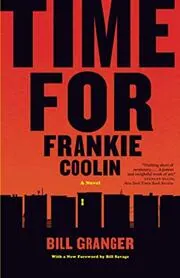
Frankie Coolin is a Chicago plasterer turned landlord who thinks he can manage trouble by keeping his head down. Then a favor, a fire, and a visit from federal agents turn his ordinary hustle into something much darker.
British Cross
by Bill Granger
1983
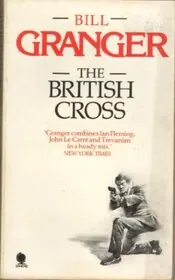
A Soviet defector utters the name of a vanished wartime spy, and Devereaux is pulled into a deadly scramble among British, American, and Russian intelligence. The mystery reaches back to World War II and refuses to stay buried.
The British Cross
by Bill Granger
1983
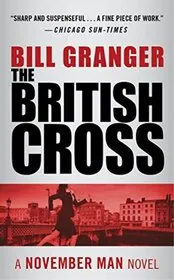
A Soviet defector utters the name of a vanished wartime spy, and Devereaux is pulled into a deadly scramble among British, American, and Russian intelligence. The mystery reaches back to World War II and refuses to stay buried.
Priestly Murders
by Bill Granger
1984
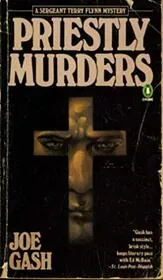
A priest is gunned down during Mass, and Terry Flynn, Karen Kovac, and the Special Squad get buried under the fallout. The investigation moves through churches, politics, and police pressure in a very Chicago kind of crisis.
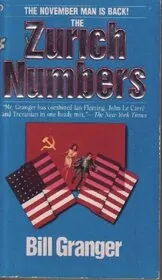
Zurich Numbers
by Bill Granger
1984
Devereaux uncovers a KGB network that forces immigrants in America to spy by holding family members hostage overseas. The trail runs from Chicago to Zurich, with lives and loyalties hanging on numbers few people understand.
Newspaper Murder
by Bill Granger
1985
When reporter Frank Sweeney is beaten to death, Chicago detectives Terry Flynn and Karen Kovac are squeezed by editors, politicians, and the machine. The case is as much about power and public image as it is about the killer.
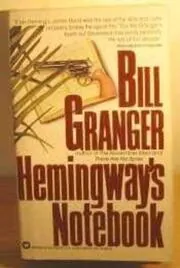
Hemingway's Notebook
by Bill Granger
1986
On a troubled Caribbean island, rebels, gangsters, secret agents, and a desperate local regime all want the same thing, Hemingway's lost notebook. Devereaux steps into the chaos, where literary legend and political secrets are equally dangerous.
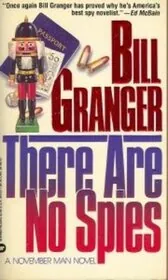
There Are No Spies
by Bill Granger
1986
Devereaux is pushed toward the background just when the old craft of human spying is declared obsolete. A collapsing mission and layers of betrayal prove that technology has not made the spy game any safer.
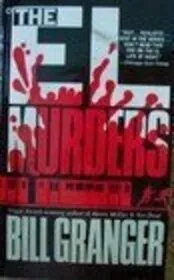
The El Murders
by Bill Granger
1987
Terry Flynn investigates the brutal killing of a young stockbroker on Chicago's El, only to find a case tangled with abuse, street violence, and institutional rot. It is a hard-edged procedural with more moral weight than easy answers.
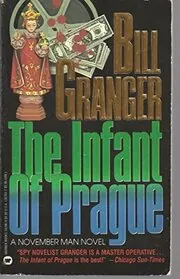
The Infant of Prague
by Bill Granger
1987
What starts as a simple escort job for a Czech defector turns into a wider contest of spies, double-crosses, and competing governments. Devereaux is pulled through another cold, slippery mission where nothing stays simple for long.
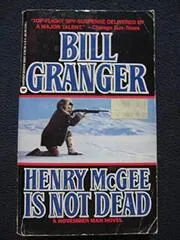
Henry McGee Is Not Dead
by Bill Granger
1988
When a Soviet scientist defects and then vanishes from an Alaskan project, Devereaux joins the hunt. Spies, blackmail, local militants, and a looming act of sabotage turn the frozen setting into a pressure cooker.
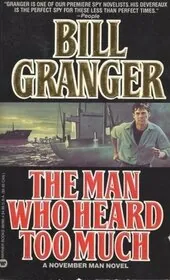
The Man Who Heard Too Much
by Bill Granger
1989
A translator carrying a tape of classified Soviet-American talks becomes prey to both the KGB and the CIA. Devereaux has to keep him alive, recover the tape, and figure out who is really running the game.

League of Terror
by Bill Granger
1990
Henry McGee is back, and he turns terrorism into a private business. After a brutal attack leaves Devereaux and Rita Macklin reeling, the chase becomes personal, stretching across a landscape of bombs, false flags, and vengeance.
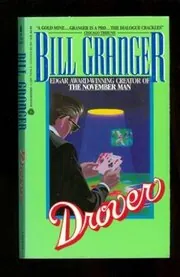
Drover
by Bill Granger
1991
Former sportswriter Jimmy Drover, now working the edge of the betting world, investigates a possible fixed NFL game and a vicious mobster tied to a woman from his past. Chicago sports, gambling, and revenge collide fast.
The Last Good German
by Bill Granger
1991
As the Cold War thaws, Devereaux crosses paths again with the East German agent who almost killed him. Old betrayals and a hunt for a powerful Japanese decoding device drive this tense, intricate spy story.
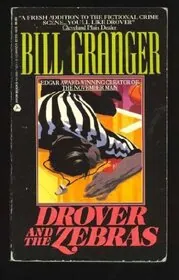
Drover and the Zebras
by Bill Granger
1992
Back in Chicago, Jimmy Drover looks into a referee's apparent suicide and finds NCAA trouble, recruiting scandals, and possible point-shaving around a powerhouse college basketball team. The deeper he digs, the uglier the game becomes.
Burning the Apostle
by Bill Granger
1993
Devereaux races to stop a plot to create a nuclear catastrophe near Chicago. Eco-radicals, dirty money, and Washington fixers make this late November Man novel feel uncomfortably close to home.
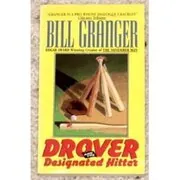
Drover and the Designated Hitter
by Bill Granger
1994
Jimmy Drover heads to Seattle to finish a football betting book, then gets pulled into a messy baseball scheme involving Cubs veteran Homer White, his volatile ex-wife, and mob players with their own plans.
Where to start with Bill Granger
If you want classic cold war espionage: The November Man → Schism → The Zurich Numbers → There Are No Spies
If you want gritty Chicago police novels: Public Murders → Priestly Murders → Newspaper Murder → The El Murders
If you want sports, gambling, and hard-boiled crime: Drover → Drover and the Zebras → Drover and the Designated Hitter
If you want a strong Chicago standalone: Time for Frankie Coolin
Bill Granger sub-series and character series
Standalone Bill Granger books
Author bio
Bill Granger was born in Wisconsin Rapids, Wisconsin, on June 1, 1941, but Chicago was the place that shaped him. He grew up on the South Side and, even as a kid, writing was tied to school, discipline, and daily life. One family story has a nun at St. Ambrose sending him home with a notebook full of writing, long before he ever thought of himself as a novelist.
Before the books, there was the newsroom. Granger studied at DePaul University, edited the student paper, served in the Army in the mid-1960s, and then built a long newspaper career that included United Press International, the Chicago Tribune, the Chicago Sun-Times, and later the Daily Herald. Over time he published 25 novels, along with nonfiction and other collaborative work, but journalism stayed at the center of how he saw himself.
He always talked like a reporter first. In interviews late in life, he said he could not imagine a day without newspapering, and that shows up in his fiction. Even the most tangled spy plots feel like they were written by someone who knew deadlines, street reporting, and how power looks up close.
That background fed his first big run of novels. The November Man introduced Devereaux, the American intelligence operative known as November, and the book drew extra attention because its IRA assassination plot appeared shortly before the real killing of Lord Mountbatten in 1979. Granger kept building that world through books like Schism, The Zurich Numbers, and There Are No Spies, giving readers cold war intrigue without much glamour. His spies are clever, bruised, tired, and usually in trouble from more than one side.
Chicago mattered just as much. Public Murders, his Edgar-winning novel, and later books such as Priestly Murders, Newspaper Murder, and The El Murders turn the city into more than scenery. These are stories about cops under pressure, institutions protecting themselves, and ordinary people getting caught in public crises. The streets, bars, churches, newsrooms, and trains all feel lived in because Granger had actually spent years watching how cities work.
Chicago never really left his work.
He also liked changing the frame. Under the names Joe Gash and Bill Griffith, he wrote books that pushed farther into police stories and social novels. Time for Frankie Coolin looks hard at race, class, landlords, and politics in late 1970s Chicago, while the Drover books, beginning with Drover, mix sports, gambling, mob pressure, and private-eye trouble through the eyes of ex-sportswriter Jimmy Drover. Across all of it, Granger had a feel for men who were a little worn down, a little funny, and still stubborn enough to keep going.
He never stopped sounding like a newspaperman.
He covered sectarian violence in Northern Ireland, and that experience helped give his thrillers their wary, unsentimental tone. He knew bureaucracy, tribal loyalty, and the way public language can hide private damage, and those themes keep resurfacing in both the spy books and the Chicago crime novels. A stroke in January 2000 ended his writing career. From 2002 until his death, he lived at the Manteno Veterans Home in Illinois, and he died on April 22, 2012. He was survived by his wife, Lori, and their son, Alec.










Edited by
Software engineer whose passion for tracking book recommendations from podcasts inspired the creation of MRB.
Lead investor at 3one4 Capital whose startup expertise and love for books helped shape MRB and its growth.
Comments
Did we miss something? Have feedback?
Help us improve this page by sharing your thoughts