
Norumbegan Quartet Books in Order
Part ofMT Anderson Books in OrderSee the Norumbegan Quartet by M.T. Anderson in order, with summaries, series background, reading order help, and where to start.
Last updated:
As an Amazon Associate, we earn from qualifying purchases (at no extra cost to you).
Norumbegan Quartet books in publication order
4 books
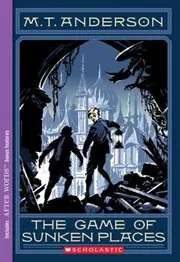
The Game of Sunken Places
by MT Anderson
2004
When Brian and Gregory visit a strange Vermont mansion, they discover a board game that reaches far beyond the attic. Soon they are dodging riddles, hidden kingdoms, and dangerous creatures in a world that will not stay on the board.
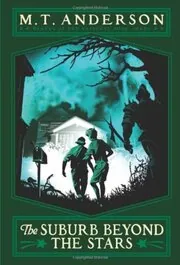
The Suburb Beyond the Stars
by MT Anderson
2010
Back in the Vermont mountains, Brian and Gregory find neighborhoods being overtaken by something ancient and hostile. Missing people, eerie houses, and a threat buried beneath suburbia turn the sequel darker and bigger.
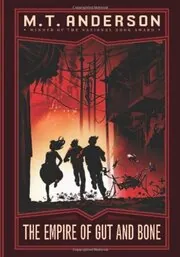
The Empire of Gut and Bone
by MT Anderson
2011
Brian and Gregory travel into New Norumbega, a bizarre realm of blood, machinery, and political intrigue. Hoping to save Earth, they instead land in a murder mystery and a brewing rebellion.
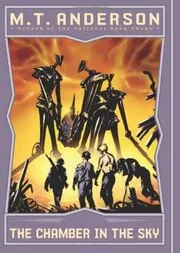
The Chamber in the Sky
by MT Anderson
2012
With New Norumbega collapsing and invaders closing in, Brian, Gregory, and Gwynyfer hunt for a hidden chamber that may stop the chaos. It is the series finale, strange, urgent, and full of high stakes.
Norumbegan Quartet books in chronological order
Series background & context
The Norumbegan Quartet begins when two friends, Brian and Gregory, accept an invitation to stay with Gregory's strange uncle in the Vermont hills. That already sounds risky. Then they find a deeply unsettling mansion, a board game called The Game of Sunken Places, and a hidden conflict much larger than either of them understands.
Brian and Gregory are a strong pair for this kind of story. Brian tends to be practical and skeptical, while Gregory is pricklier and more impulsive, and Anderson gets a lot of mileage out of the way they react differently to the same bizarre events. Their friendship keeps the books grounded even when the plot starts swerving into the truly strange.
And strange is exactly what this series wants to be.
The first book blends old-house mystery, woodland fantasy, and game logic, then the later volumes keep expanding the map. In The Suburb Beyond the Stars, something from the first adventure seems to be spreading into nearby neighborhoods. In The Empire of Gut and Bone and The Chamber in the Sky, the story opens into stranger territory still, including New Norumbega, an alien realm full of political scheming, mechanical servants, and body-horror landscapes that are gross, funny, and weirdly majestic at the same time.
What makes the setting work is the mix of the familiar and the impossible. Vermont woods, decaying houses, and suburban construction projects sit right next to ancient ruins, secret histories, and creatures that seem to have wandered in from fantasy after taking a wrong turn through science fiction. The books can be creepy, but they are also playful. Anderson likes riddles, absurd details, odd language, and jokes that arrive sideways.
Across all four books, the ongoing problem is bigger than winning one magical contest. Brian and Gregory gradually realize they are caught up in a struggle that reaches beyond one household and beyond Earth itself. That gives the later books real weight, but the series never loses its offbeat charm. Even at its darkest, it still feels like an adventure for readers who enjoy being surprised.
Think New England fantasy with a crooked grin.
If you want middle grade fantasy that is clever, eerie, and hard to predict, this series is a great place to start. It has secret games, ancient powers, alien menace, and two boys who keep stumbling into history-sized trouble because they are curious enough to open the wrong door.













Edited by
Software engineer whose passion for tracking book recommendations from podcasts inspired the creation of MRB.
Lead investor at 3one4 Capital whose startup expertise and love for books helped shape MRB and its growth.
Comments
Did we miss something? Have feedback?
Help us improve this page by sharing your thoughts