
Neapolitan Books in Order
Part ofElena Ferrante Books in OrderExplore the Neapolitan series by Elena Ferrante with four novels in order, summaries, series background, and guidance on how to follow Elena and Lila's story.
Last updated:
As an Amazon Associate, we earn from qualifying purchases (at no extra cost to you).
Neapolitan books in publication order
4 books
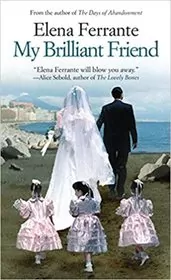
My Brilliant Friend
by Elena Ferrante
2011
In a poor neighborhood on the edge of Naples in the 1950s, studious Elena and fearless Lila become inseparable rivals and friends. As they move from childhood to adolescence, school, class, and desire begin to pull their paths apart.

The Story of a New Name
by Elena Ferrante
2012
Lila's early marriage to grocer Stefano quickly turns brutal, while Elena pursues her studies and a wider world beyond the neighborhood. Their friendship strains under jealousy, betrayal, and ambition as both women test how far they can escape their origins.
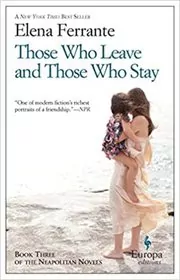
Those Who Leave and Those Who Stay
by Elena Ferrante
2013
Now a published writer and mother, Elena tries to build a life in Florence, while Lila fights exploitation in a factory and then in computing work back in Naples. The novel follows their diverging choices through marriage, politics, and the turmoil of the 1970s.

The Story of the Lost Child
by Elena Ferrante
2014
Elena returns to Naples and builds a new life with her longtime love Nino, while Lila becomes a sharp-eyed businesswoman in their old neighborhood. A shocking loss and Lila's later disappearance bring their lifelong, volatile friendship to its final reckoning.
Neapolitan books in chronological order
Series background & context
The Neapolitan series follows two girls from a rough neighborhood on the edge of Naples whose lives stay knotted together for decades. Across four novels — My Brilliant Friend, The Story of a New Name, Those Who Leave and Those Who Stay, and The Story of the Lost Child — Elena Greco and Lila Cerullo grow up, fall in love, fight, work, raise children, and watch Italy change around them.
The story begins in the 1950s, in a courtyard surrounded by cheap apartment blocks and small shops. Elena, called Lenù, is studious and eager to please; Lila is fearless, imaginative, and often frightening to everyone around her. In My Brilliant Friend we see them meet as children, try to outdo each other at school, and discover how much their fates depend on family money, local power, and whether adults will let them keep studying.
In The Story of a New Name, Lila has married the grocer Stefano in search of security and respect, only to find herself trapped in a violent, compromising arrangement. Elena, meanwhile, stays in school, spends a summer by the sea, and slowly makes her way to university. The book moves between cramped apartments, shoe shops, beaches, and classrooms, showing how desire, ambition, and class resentment strain the bond between the two friends.
The later volumes push them further out into the wider world and then pull them back. In Those Who Leave and Those Who Stay, Elena marries into an intellectual family in Florence, has children, and tries to write in the middle of 1960s and 70s political turmoil. Lila endures brutal work in a factory before carving out a new life in the emerging world of computers, still under the shadow of local criminal power. In The Story of the Lost Child, both women once again live in Naples, juggling family, work, and a city that is modernizing yet remains governed by old loyalties and threats.
Throughout the series, the central tension is not only between Elena and Lila but also between leaving and staying. Elena escapes physically through education and travel but never fully cuts the tie with the neighborhood or with Lila. Lila, who outwardly stays, is the one who constantly explodes the limits placed on her, refusing to be easily understood or pinned down.
The books are intimate and expansive at once. Scenes of childbirth, quarrels at the dinner table, and late-night walks sit next to demonstrations, student meetings, and business deals, all narrated in Elena’s searching, self-critical voice. Violence, money, sex, and language itself shape what is possible for the characters, especially the women.
For many readers, the Neapolitan novels are less about plot twists than about living inside this friendship as it stretches, snaps, and reforms over time. You go from watching two little girls sneak up a dark stairwell to feeling the weight of an entire shared life, and the series rewards being read in order, from the first page to the last.
















Edited by
Software engineer whose passion for tracking book recommendations from podcasts inspired the creation of MRB.
Lead investor at 3one4 Capital whose startup expertise and love for books helped shape MRB and its growth.
Comments
Did we miss something? Have feedback?
Help us improve this page by sharing your thoughts