
Nathan Reed Books in Order
Part ofJoseph Hansen Books in OrderSee the Nathan Reed books in order by Joseph Hansen, with quick summaries, series background, and where to start with these 1940s Los Angeles novels.
Last updated:
As an Amazon Associate, we earn from qualifying purchases (at no extra cost to you).
Nathan Reed books in publication order
2 books
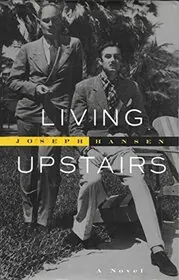
Living Upstairs
by Joseph Hansen
1993
Young Nathan Reed falls for painter Hoyt Stubblefield and moves into his upstairs rooms in wartime Hollywood. First love, bohemian friends, secret politics, and an old murder give the novel both warmth and real unease.

Jack of Hearts
by Joseph Hansen
1996
In 1941 Los Angeles, seventeen-year-old Nathan Reed is trying to become a writer while sorting out his sexuality and loyalties. College journalism, theater people, rumors, and danger make this a restless coming-of-age story.
Nathan Reed books in chronological order
Series background & context
The Nathan Reed books take Joseph Hansen into a different key. These are not straight detective novels, though mystery and danger keep drifting through them. At the center is Nathan Reed, a young gay man in 1940s Los Angeles who wants to become a writer, fall in love, and somehow build a life that feels honest in a world that keeps asking him to pretend.
Nathan is younger and less settled than Dave Brandstetter or Hack Bohannon, which gives the series its special energy. In Jack of Hearts, set in 1941, he is seventeen and still finding his way through family chaos, school, journalism, theater, and the first real shocks of desire. By Living Upstairs, he is older, working in a bookstore, falling hard for painter Hoyt Stubblefield, and moving deeper into the half-bohemian, half-precarious life of wartime Hollywood.
But these are not soft nostalgia pieces.
Hansen's Los Angeles feels lived in, not polished for effect. You get side-street Hollywood, cheap rooms, bookstores, loft theaters, boarding houses, cafes, and the rough edges of wartime city life. That setting matters because it offers Nathan both freedom and risk. It lets him find artistic and queer circles that make life feel bigger, but it also puts him near secrecy, police pressure, political suspicion, and the kinds of older people who can guide or damage him.
The books carry a quiet mystery current beneath the coming-of-age story. Suspicious deaths, hidden loyalties, unexplained absences, and tense political undercurrents all shape the background. Nathan is not a detective in the formal sense, but he is observant in the way good writers are observant. He notices rooms, voices, evasions, and the feeling of trouble before he knows exactly what the trouble is. That makes him a strong guide through a world where love, art, ambition, and fear are always tangled together.
He is young, but never simple.
What links the books is Nathan's gradual making of a self. He is trying to understand his sexuality, his gifts, his hunger for love, and the kind of adult he might become. He is also learning how much performance goes into everyday life, especially for people who live outside the rules of the time. Hansen handles that growth with warmth, humor, and a real sense of uncertainty. Nathan does not move through the books as a lesson or a symbol. He moves through them as a smart, vulnerable person trying to catch up with his own life.
If you want Hansen at his most autobiographical in feel, this is the series to read. The Nathan Reed books have romance, danger, social history, and a strong sense of place, but their real pull is smaller and more personal. They ask what it means to become yourself when even naming yourself can feel risky.














Edited by
Software engineer whose passion for tracking book recommendations from podcasts inspired the creation of MRB.
Lead investor at 3one4 Capital whose startup expertise and love for books helped shape MRB and its growth.
Comments
Did we miss something? Have feedback?
Help us improve this page by sharing your thoughts