
Natasha Solomons Books in Order
Explore Natasha Solomons books in order, with quick summaries, reading order, and an easy guide to where to start with her historical novels and retellings.
Last updated:
As an Amazon Associate, we earn from qualifying purchases (at no extra cost to you).
Natasha Solomons books in publication order
8 books
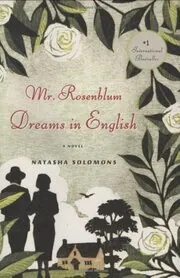
Mr. Rosenblum's List / Mr. Rosenblum Dreams in English
by Natasha Solomons
2008
Refugee Jack Rosenblum arrives in England during World War II determined to become perfectly English, right down to golf club membership. His comic quest is touching and sharp, especially as his wife Sadie struggles with what their new life is costing them.

The Novel in the Viola / The House at Tyneford
by Natasha Solomons
2011
In 1938, nineteen-year-old Elise Landau flees Vienna and takes work as a maid at a grand English house. As war closes in, her bond with the owner's son changes everything, turning an upstairs-downstairs romance into a story of loss, survival, and belonging.
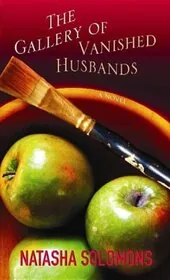
The Gallery of Vanished Husbands
by Natasha Solomons
2013
London, 1958. Abandoned by her husband and trapped in a conservative Jewish community, Juliet Montague is asked to sit for a portrait and steps into the art world. The paintings trace a long life of reinvention, desire, and hard-won visibility.
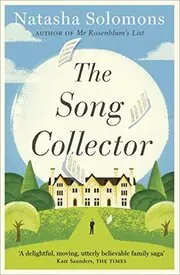
The Song Collector / The Song of Hartgrove Hall
by Natasha Solomons
2015
At a crumbling Dorset estate in 1946, gifted composer Harry Fox-Talbot falls for wartime singer Edie Rose, with painful consequences for his family. Decades later, grief and a prodigy grandson force him to face the betrayal that shaped his life.
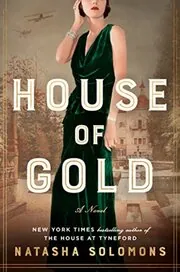
House of Gold
by Natasha Solomons
2018
In 1911, Viennese heiress Greta Goldbaum is sent to England to marry her distant cousin Albert and keep a banking dynasty intact. As war nears and love finally grows, Greta must choose between the family that made her and the life she is building.
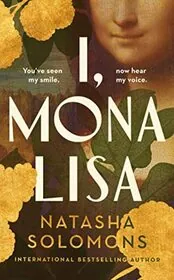
I, Mona Lisa
by Natasha Solomons
2022
Solomons imagines the Mona Lisa herself speaking, tracing her journey from Leonardo's studio through centuries of desire, theft, and display. It turns a famous smile into a lively story about art, love, obsession, and being seen.

Fair Rosaline
by Natasha Solomons
2023
Rosaline Capulet falls for Romeo before Juliet ever enters the story, then slowly sees the danger beneath his charm. Solomons turns Shakespeare inside out, recasting Verona's famous romance as a tense story about power, reputation, and survival.

I Am Cleopatra
by Natasha Solomons
2025
Cleopatra grows up among the scrolls of Alexandria, then must outwit her brother and bargain with Rome after her father's death. Told through Cleopatra and Servilia, this retelling follows a young queen learning how much power, love, and survival can cost.
Where to start with Natasha Solomons
If you want her breakthrough novel first: Mr. Rosenblum's List / Mr. Rosenblum Dreams in English → The Novel in the Viola / The House at Tyneford
If you like wartime country-house fiction: The Novel in the Viola / The House at Tyneford → The Song Collector / The Song of Hartgrove Hall
If you want a sweeping family saga: House of Gold
If you like art-centered historical fiction: The Gallery of Vanished Husbands → I, Mona Lisa
If you want bold retellings of famous stories: Fair Rosaline → I Am Cleopatra
Standalone Natasha Solomons books
Author bio
Natasha Solomons was born in South London in 1980 and grew up with one foot in London and one in North Dorset, especially the Blackmore Vale. Her mother's family were Jewish refugees from Berlin and Austria who settled in Dorset before the war, and those histories of flight, reinvention, and memory would later feed straight into her fiction.
Books mattered early, even when reading did not come easily. Solomons is dyslexic, and as a child she listened obsessively to story tapes, loved being read to, and filled notebooks with tales that often came back from school marked unreadable. She has spoken about reading her stories aloud to her grandfather, who listened patiently and treated her like a writer long before the publishing world did.
Writing was refuge before it was a career.
After university, she completed an MPhil in eighteenth-century literature and began doctoral research on women's Romantic poetry. Then she got stuck on a chapter, drifted into writing fiction as a way of avoiding the footnotes, and never really turned back. She has joked that her whole career began as procrastination, which is a pretty good origin story for a novelist.
The path was not quick. An early manuscript was heavily reworked after hard, useful notes from screenwriter David Solomons, whom she later married, and many drafts later that book became Mr. Rosenblum's List. Published in 2010, it follows a Jewish refugee trying to become perfectly English in wartime and postwar Britain. Readers still love it for its warmth, comic detail, and the deeper ache underneath Jack Rosenblum's determination to fit in.
Her next novel, The Novel in the Viola, published in the US as The House at Tyneford, widened her readership. It tells the story of Elise Landau, a young Jewish woman forced out of Vienna and into service at an English country house just before war reshapes everything. The book was chosen for the Richard and Judy Book Club and later became a New York Times bestseller, and it showed how comfortable Solomons is writing about old houses, class tension, longing, and the quiet panic of a world about to disappear.
She kept stretching the frame.
The Gallery of Vanished Husbands moves into 1950s and 1960s London and follows Juliet Montague as art opens up a life that had been narrowing around her. The Song of Hartgrove Hall returns to Dorset with music, memory, and a crumbling estate at its center. Then House of Gold goes bigger still, following the Goldbaum family across Europe before the First World War and using their dynasty to explore marriage, money, Jewish identity, and what happens when history splits even the closest families apart.
Her later books keep the same interests but play with form more openly. In I, Mona Lisa, she gives the world's most famous portrait a voice, turning art history into a story about love, obsession, survival, and who gets seen. Fair Rosaline looks sideways at Romeo and Juliet and hands the story to the girl left at the edge of Shakespeare's stage. And I Am Cleopatra continues that turn toward women flattened by legend, asking what happens when they start narrating their own lives.
Across the novels, certain concerns keep returning. Solomons writes again and again about outsiders, especially Jewish families, women with limited choices, and people trying to make a home in places that do not fully welcome them. She is also drawn to the things that hold memory, gardens, songs, paintings, recipes, houses, and the odd treasured object that somehow carries a whole family inside it. Now she lives in Dorset with her family and works not only as a novelist but also as a screenwriter and playwright.






Edited by
Software engineer whose passion for tracking book recommendations from podcasts inspired the creation of MRB.
Lead investor at 3one4 Capital whose startup expertise and love for books helped shape MRB and its growth.
Comments
Did we miss something? Have feedback?
Help us improve this page by sharing your thoughts