
Naguib Mahfouz Books in Order
See Naguib Mahfouz books in order, with short summaries, the Cairo Trilogy and other key works, plus simple advice on where to start reading.
Last updated:
As an Amazon Associate, we earn from qualifying purchases (at no extra cost to you).
Naguib Mahfouz books in publication order
64 books
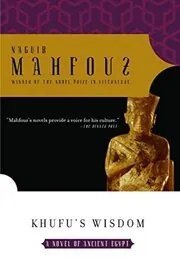
Khufu's Wisdom
by Naguib Mahfouz
1939
In ancient Egypt, Pharaoh Khufu learns of a prophecy that threatens his dynasty. Court intrigue, love, and the struggle against fate drive this early historical novel.
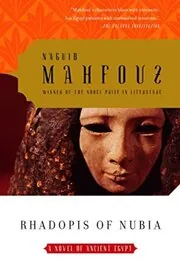
Rhadopis of Nubia
by Naguib Mahfouz
1943
A famed courtesan and a young pharaoh fall dangerously in love amid the politics of ancient Egypt. Mahfouz turns their passion into a story of beauty, power, and ruin.
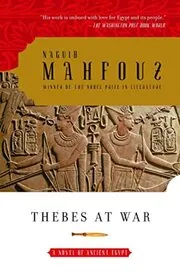
Thebes at War
by Naguib Mahfouz
1944
Set during the Hyksos occupation, this historical novel follows Egypt's long fight to reclaim Thebes and drive out foreign rulers. It is part war story, part meditation on loyalty, land, and resistance.
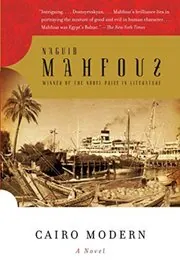
Cairo Modern
by Naguib Mahfouz
1945
Four university friends enter 1930s Cairo full of ideas and ambition, but one of them is willing to trade almost anything for advancement. Mahfouz turns campus idealism into a sharp story about corruption, class, and self-betrayal.
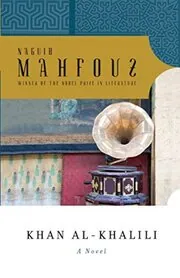
Khan Al-Khalili
by Naguib Mahfouz
1945
During World War II, the Akif family moves into Cairo's crowded Khan al-Khalili district, hoping for safety. Through Ahmad's eyes, the neighborhood becomes a vivid stage for anxiety, duty, love, and the clash between tradition and change.
Marketplace Called Khan Il Khalili
by Naguib Mahfouz
1945
During World War II, the Akif family moves into Cairo's crowded Khan al-Khalili district, hoping for safety. Through Ahmad's eyes, the neighborhood becomes a vivid stage for anxiety, duty, love, and the clash between tradition and change.
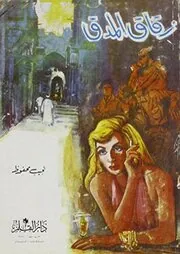
Madak Alley/Arabic
by Naguib Mahfouz
1947
In a poor Cairo alley during World War II, a restless young woman dreams of escape while her neighbors scramble for money, love, and dignity. Mahfouz makes the alley feel like a whole society in miniature.
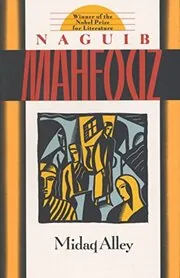
Midaq Alley
by Naguib Mahfouz
1947
In a poor Cairo alley during World War II, a restless young woman dreams of escape while her neighbors scramble for money, love, and dignity. Mahfouz makes the alley feel like a whole society in miniature.
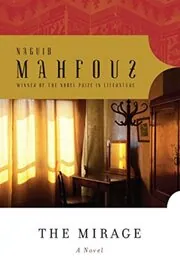
The Mirage
by Naguib Mahfouz
1948
Kamil Ru'ba grows up overprotected and emotionally warped, then struggles to face adulthood, marriage, and the world outside himself. This is one of Mahfouz's most psychological novels, intimate, painful, and unsettling.
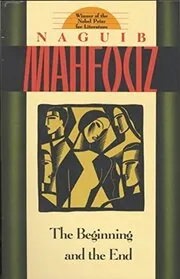
The Beginning and the End
by Naguib Mahfouz
1949
After their father's death, a once respectable family slides toward poverty and desperation. Each sibling chooses a different way to survive, and those choices carry a heavy cost.
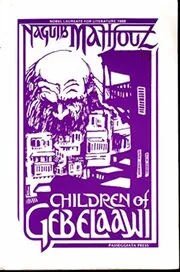
Children of Gebelaawi
by Naguib Mahfouz
1959
In an alley ruled by the shadow of a powerful patriarch, each generation rises against injustice and repeats old conflicts. Mahfouz turns neighborhood life into a sweeping allegory about power, faith, and human history.
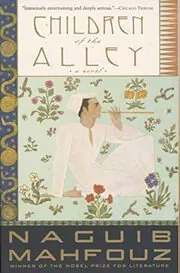
Children of the Alley
by Naguib Mahfouz
1959
In an alley ruled by the shadow of a powerful patriarch, each generation rises against injustice and repeats old conflicts. Mahfouz turns neighborhood life into a sweeping allegory about power, faith, and human history.
The Thief and the Dogs
by Naguib Mahfouz
1961
Fresh out of prison, Said Mahran hunts the people who betrayed him and finds a city that has moved on without him. Part chase novel, part moral reckoning, it is fast, bitter, and tense.
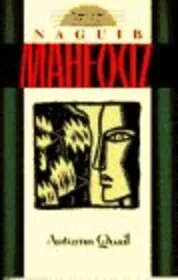
Autumn Quail
by Naguib Mahfouz
1962
The 1952 Revolution ruins the career and prospects of Isa al-Dabbagh, a compromised civil servant who can neither fully reject nor fully embrace the new order. His personal drift mirrors a country in transition.

God's World
by Naguib Mahfouz
1962
This short story collection moves through streets, offices, mosques, bars, and homes, meeting people from across Cairo life. The stories are compact, humane, and often quietly philosophical.
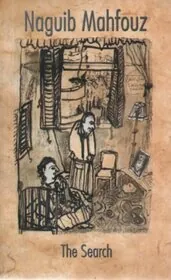
The Search
by Naguib Mahfouz
1964
A young man sets out to find the father he has never known, hoping to escape his bleak beginnings. Instead he is drawn into desire, crime, and a deeper search for identity.
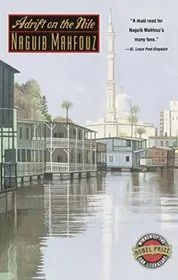
Adrift on the Nile
by Naguib Mahfouz
1966
Night after night, a circle of disillusioned friends gathers on a houseboat to smoke, talk, and avoid reality. Then one reckless evening breaks the spell, and their drifting life turns dark.
Whisperings on the NileArabic Novel
by Naguib Mahfouz
1966
Night after night, a circle of disillusioned friends gathers on a houseboat to smoke, talk, and avoid reality. Then one reckless evening breaks the spell, and their drifting life turns dark.
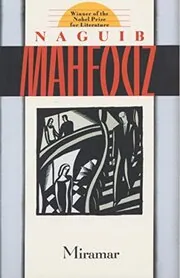
Miramar
by Naguib Mahfouz
1967
In an Alexandrian boarding house, several damaged men circle around Zohra, a young peasant woman with a will of her own. Their competing voices turn the pension into a portrait of Egypt in the 1960s.

Tales of the Black Cat
by Naguib Mahfouz
1969
A late collection of stories turns ordinary Cairo settings strange, uneasy, and sometimes uncanny. Mahfouz moves from conversation and memory into satire, menace, and dark surprise.
Road
by Naguib Mahfouz
1970
A young man sets out to find the father he has never known, hoping to escape his bleak beginnings. Instead he is drawn into desire, crime, and a deeper search for identity.
The Honeymoon
by Naguib Mahfouz
1971
This short story collection looks at marriage, desire, disappointment, and moral confusion through sharp, compact scenes. Mahfouz shifts easily between everyday realism and symbolic unease.
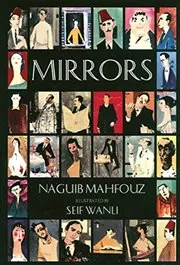
Mirrors
by Naguib Mahfouz
1972
A mosaic of character portraits builds a social history of modern Egypt through friends, rivals, dreamers, and opportunists. Instead of one central plot, Mahfouz lets a whole generation reveal itself face by face.
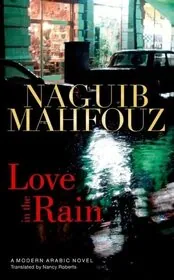
Love in the Rain
by Naguib Mahfouz
1973
Set after the 1967 war, this novel follows Cairo characters battered by loss, desire, and moral confusion. Private relationships become a way of measuring public defeat, hypocrisy, and change.
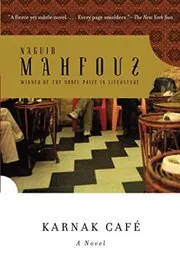
Karnak Café
by Naguib Mahfouz
1974
A Cairo café that once felt lively and hopeful becomes a place marked by fear after young patrons are arrested and tortured. Mahfouz uses one room full of regulars to show a nation losing trust.
Fountain and Tomb
by Naguib Mahfouz
1975
In linked neighborhood stories, a child and then an older narrator watch the loves, feuds, griefs, and rituals of a Cairo alley. The result feels intimate, observant, and quietly mythic.
Heart of the Night
by Naguib Mahfouz
1975
Jaafar Ibrahim Sayyed al-Rawi tries to live by the motto let life be, but class, love, spirituality, and hard reality keep testing him. The novel moves like a memoir and a philosophical tale at once.
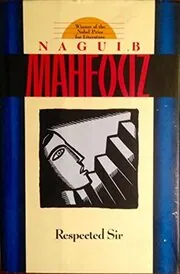
Respected Sir
by Naguib Mahfouz
1975
Othman Bayyumi enters the civil service at the bottom and turns promotion into an obsession. His climb up the bureaucracy is cold, funny, and disturbing, a study of ambition without limits.

Stories of the Neighborhood
by Naguib Mahfouz
1975
These neighborhood tales turn a Cairo alley into a small world of quarrels, legends, jokes, and hard lessons. Mahfouz makes ordinary local lives feel both concrete and faintly mythic.
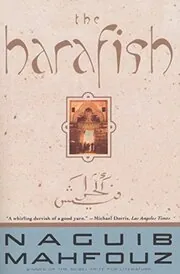
The Harafish
by Naguib Mahfouz
1977
Across many generations, the descendants of Ashur al-Nagi rise, fall, and fight over power in a Cairo quarter. This sweeping saga mixes legend, family drama, and a hard look at pride and greed.
Arabian Nights and Days
by Naguib Mahfouz
1979
Mahfouz returns to the world of the Thousand and One Nights, filling a troubled city with rulers, plotters, holy men, and genies. The result is playful, strange, and sharply political.
Wedding Song
by Naguib Mahfouz
1981
A playwright stages his family's secrets, and the story of what happened is retold from four different viewpoints. Mahfouz turns one household scandal into a sly puzzle about truth, performance, and blame.
Before the Throne
by Naguib Mahfouz
1983
In the afterlife Court of Osiris, rulers from ancient kings to modern presidents defend their record before judgment. Mahfouz turns five thousand years of Egyptian history into a brisk, provocative dialogue.
The Day the Leader Was Killed
by Naguib Mahfouz
1983
A middle-class Cairo family struggles through inflation, frustration, and shrinking prospects in the Sadat years. Mahfouz weaves their private hurts around the shock of October 1981.
The Journey of Ibn Fattouma
by Naguib Mahfouz
1983
Presented as a travel journal, this brief novel follows Ibn Fattouma across strange lands in search of the perfect society. Each stop tests his beliefs and turns the quest into a philosophical fable.
Akhenaten
by Naguib Mahfouz
1985
Years after Akhenaten's death, a young seeker questions those who knew the pharaoh best, including friends, enemies, and Nefertiti. Their conflicting memories make truth itself the novel's central mystery.

Collection Of His Famous Works
by Naguib Mahfouz
1985
This anthology brings together a selection of Mahfouz's better-known writing in one volume. It offers a handy sampler of the themes, settings, and voices that made his fiction last.
Morning and Evening Talk
by Naguib Mahfouz
1987
Arranged like a biographical dictionary, this unusual novel pieces together several Cairo families across generations. Short entries slowly grow into a broad portrait of a society in motion.
The Beggar
by Naguib Mahfouz
1990
Omar, once a passionate young revolutionary, reaches middle age numb, restless, and cut off from meaning. His search for renewal leads not to clarity but to deeper estrangement from work, family, and himself.

The Time and the Place
by Naguib Mahfouz
1991
Across twenty stories written over nearly three decades, Mahfouz moves from alleys and middle-class homes to death, memory, and the supernatural. It is a varied, rewarding showcase for his shorter fiction.
Egyptian Time
by Naguib Mahfouz
1992
This volume gathers shorter Mahfouz pieces shaped by memory, place, and the passing of eras. It offers a compact way into his reflections on Egyptian life, from street detail to bigger historical questions.
Cairo
by Naguib Mahfouz
1994
Part of a wider anthology on Cairo, this volume gathers classic and modern travel writing about the city, including a contribution from Palin, to show its streets, riverfront and back alleys through many different voices and eras.
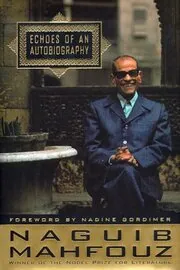
Echoes of an Autobiography
by Naguib Mahfouz
1994
In brief autobiographical sketches, memories, dreams, sayings, and parable-like scenes sit side by side. The book is not a conventional memoir so much as a distilled self-portrait.
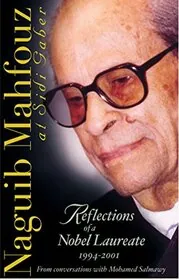
Naguib Mahfouz at Sidi Gaber
by Naguib Mahfouz
2001
These reflective columns and conversations collect Mahfouz's later thoughts on writing, aging, public life, and the human condition. Intimate and measured, they bring the voice behind the novels closer.

Voices from the Other World
by Naguib Mahfouz
2002
Five early tales set in ancient Egypt mix prophecy, betrayal, lost love, and voices from beyond death. Mahfouz uses pharaonic material with both storyteller's energy and a young novelist's ambition.

On Literature and Philosophy
by Naguib Mahfouz
2003
A collection of essays from Mahfouz's early non-fiction, exploring literature, philosophy, religion, and modern thought. It shows the young writer thinking through ideas that would later shape his fiction.

The Dreams
by Naguib Mahfouz
2004
These ultra-short dream narratives compress whole dramas into a page or less. Familiar streets suddenly turn surreal, and everyday worries open into memory, fear, history, and wonder.

The Seventh Heaven
by Naguib Mahfouz
2005
This collection brings together Mahfouz's supernatural stories, where murdered men, ghosts, skeletons, and Satan himself brush against ordinary life. The tone is eerie, playful, and morally sharp.
The Coffeehouse
by Naguib Mahfouz
2010
Five boys become lifelong friends and keep returning to the same Cairo café as the twentieth century unfolds around them. Memory, loss, and changing Egypt give this late novel its gentle weight.
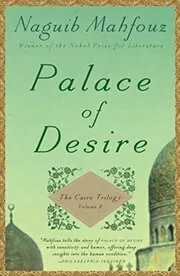
Palace of Desire
by Naguib Mahfouz
2011
The second Cairo Trilogy novel follows the al-Jawad family into the 1920s, when new freedoms bring fresh confusion. Grief, romance, and ambition reshape the household as the younger generation pushes against old rules.
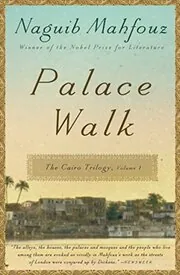
Palace Walk
by Naguib Mahfouz
2011
The first volume of the Cairo Trilogy follows the stern Ahmad Abd al-Jawad and his family in British-occupied Cairo. Inside one house, fear, love, desire, and politics collide as Egypt moves toward upheaval.
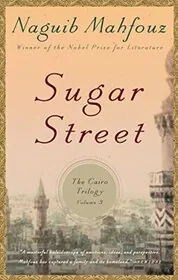
Sugar Street
by Naguib Mahfouz
2011
The trilogy's final volume shows the grandchildren coming of age in a changing Egypt. Family loyalties now meet ideology, modern politics, and new ideas, while the old patriarch watches his world slip away.
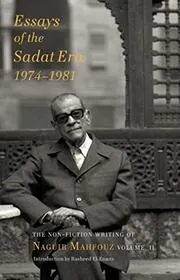
Essays of the Sadat Era
by Naguib Mahfouz
2016
Mahfouz's newspaper essays from the Sadat years respond to war, peace, religion, education, democracy, and daily public life. They show him thinking as a citizen as well as a novelist.
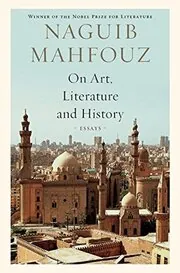
On Art, Literature and History
by Naguib Mahfouz
2016
These essays gather Mahfouz's reflections on culture, books, art, and the uses of history. It is a good window onto the ideas behind the novelist's public and intellectual life.

The Mummy Awakens
by Naguib Mahfouz
2016
These stories return to ancient Egypt, mixing court intrigue, legend, and the supernatural. The title piece, about a mummy confronting a later age, shows Mahfouz using the remote past to think about power and identity.
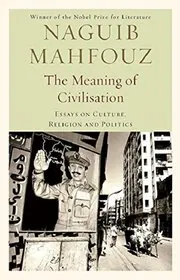
The Meaning of Civilization
by Naguib Mahfouz
2017
This essay collection brings together Mahfouz's journalism on politics, religion, culture, and Egyptian society. The pieces are rooted in their moment but still read as arguments about what a civilized public life requires.

The Quarter
by Naguib Mahfouz
2019
Set in Cairo's Gamaliya quarter, these linked late stories meet traders, saints, schemers, and neighbors in a world that feels half street chronicle, half fable. They are brief, vivid, and full of local life.
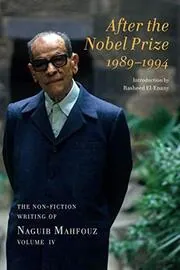
After the Nobel Prize 1989-1994
by Naguib Mahfouz
2020
Written after his Nobel win and up to the 1994 attack, these essays show Mahfouz responding to fame, politics, violence, and cultural life. Together they form a late portrait of the writer as public intellectual.
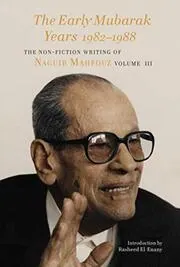
The Early Mubarak Years 1982-1989
by Naguib Mahfouz
2020
These columns from the early Mubarak period record Mahfouz's thoughts on reform, public ethics, culture, and the direction of Egyptian society. They are brisk, accessible pieces of civic argument.
The Non-Fiction Writing of Naguib Mahfouz 1930–1994
by Naguib Mahfouz
2021
This four-volume set gathers Mahfouz's essays and journalism across more than six decades. It tracks the evolution of his thinking on literature, politics, religion, culture, and everyday civic life.
I Found Myself...The Last Dreams
by Naguib Mahfouz
2025
In these final dream pieces, childhood lanes, dead friends, strange animals, rulers, and sudden transformations appear in flashes. Each entry is brief, but together they feel like a late self-portrait in miniature.

Essays on Literature and Philosophy
by Naguib Mahfouz
2026
A collection of essays in which Mahfouz thinks through literature, philosophy, religion, and modern intellectual life. It offers a clear view of the ideas that ran alongside his fiction.

The Devil Turns Preacher
by Naguib Mahfouz
2026
This collection of eight one-act plays shows Mahfouz working on stage, using suspense, satire, and political subtext in compact form. It opens a less familiar side of a writer best known for fiction.
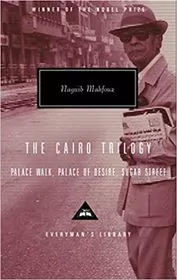
The Cairo Trilogy in 3 Volumes
by Naguib Mahfouz
Collecting Palace Walk, Palace of Desire, and Sugar Street, this trilogy follows three generations of a Cairo family. Domestic authority, changing desires, and political upheaval shape their lives as Egypt struggles through colonial rule and social transformation.
Recommended by
1 person Tom Hanks recommended this book
Tom Hanks
Tom Hanks mentioned this book in an EW interview.
Tom Hanks's recommendation of this book
Where to start with Naguib Mahfouz
If you want the big family saga: Palace Walk → Palace of Desire → Sugar Street
If you want classic Cairo street life: Midaq Alley → Khan Al-Khalili → The Beginning and the End
If you want something shorter and darker: The Thief and the Dogs → Adrift on the Nile → Miramar
If you want myth and allegory: Children of the Alley → The Harafish
If you want ancient Egypt first: Khufu's Wisdom → Rhadopis of Nubia → Thebes at War
Naguib Mahfouz sub-series and character series
Naguib Mahfouz collections, short stories, and related book types
Short Stories/Novellas
Collections
Non-Fiction
Standalone Naguib Mahfouz books









The Cairo Trilogy in 3 Volumes
by Naguib Mahfouz
Publication date unknownPalace Walk, Sugar Street and Palace of Desire
Author bio
Naguib Mahfouz was born in Cairo on December 11, 1911, in the old Gamaliya quarter. He was the youngest of seven children, and the crowded lanes, mosques, shops, and family apartments of the city stayed with him for the rest of his life.
As a boy he lived through the aftershocks of the 1919 Egyptian Revolution, an experience that helped shape his lifelong sense that private lives and public events are always tangled together. He began writing as a teenager, then studied philosophy at Cairo University, graduating in 1934.
For decades, writing was only part of the job. Mahfouz also worked in the Egyptian civil service, later holding posts connected to censorship, cinema, and culture before retiring in the early 1970s. That long view inside official Egypt gave him a sharp eye for clerks, functionaries, petty ambition, and the gap between public ideals and daily reality.
Cairo was his great subject.
His earliest novels looked far back, to ancient Egypt. Books like Khufu's Wisdom, Rhadopis of Nubia, and Thebes at War show a young writer drawn to history, power, and fate. After that, he turned toward the modern city and wrote the books that made his name, including Cairo Modern, Khan Al-Khalili, and Midaq Alley, stories filled with students, shopkeepers, civil servants, dreamers, and families trying to live through war, poverty, desire, and social change.
His best known achievement is The Cairo Trilogy, the three linked novels Palace Walk, Palace of Desire, and Sugar Street. Across one family's life in twentieth-century Cairo, Mahfouz writes about authority, marriage, rebellion, religion, nationalism, and growing up. What readers often love most is that he can make one household, or even one alley, feel as large and complicated as a whole nation.
He could also work in a very different key. Children of the Alley turns neighborhood life into sweeping allegory. The Thief and the Dogs is short, angry, and fast. Adrift on the Nile, Miramar, and The Harafish show how easily he could move from close realism to parable, satire, and myth, while still sounding rooted in Cairo street life.
He kept changing.
Mahfouz also wrote short stories, screenplays, plays, journalism, and later the dream pieces collected in The Dreams and related volumes. In 1988 he became the first writer working in Arabic to win the Nobel Prize in Literature. Many of his works were adapted for film and television, which helped make his characters part of Egyptian popular culture as well as literary history.
Public recognition did not protect him from controversy. Children of the Alley was banned for years in Egypt, and the anger around it never fully disappeared. In 1994 he survived a knife attack outside his Cairo home, an assault that injured the hand he wrote with and made later writing slow and difficult. Even so, he continued to publish, often in shorter forms that feel compressed, lucid, and quietly brave.
He kept his private life relatively guarded. He married Atiyyatallah Ibrahim in 1954, and they had two daughters. He remained closely tied to Cairo, rarely straying far from the city that fed so much of his imagination, and he died there on August 30, 2006, at the age of ninety-four. By then, he had left behind one of the richest portraits of urban life in twentieth-century fiction, built not from grand heroes but from ordinary people trying to live their lives.












Edited by
Software engineer whose passion for tracking book recommendations from podcasts inspired the creation of MRB.
Lead investor at 3one4 Capital whose startup expertise and love for books helped shape MRB and its growth.
Comments
Did we miss something? Have feedback?
Help us improve this page by sharing your thoughts