
Miss Read Books in Order
Browse Miss Read’s books in order, with Fairacre and Thrush Green reading lists, story summaries, series background, and clear guidance on the best place to start.
Last updated:
As an Amazon Associate, we earn from qualifying purchases (at no extra cost to you).
Miss Read books in publication order
53 books
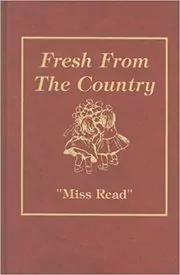
Fresh from the Country
by Miss Read
1955
Young teacher Anna Lacey leaves the family farm for her first post in a sprawling London suburb. Overcrowded classrooms, difficult parents and dreary lodgings quickly puncture her classroom theories, yet her affection for the children and stubborn love of the countryside never quite fade.
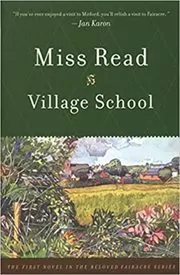
Village School
by Miss Read
1955
In this first Fairacre novel, village schoolmistress Miss Read guides her small two-room school through a full year of lessons, concerts and crises. Through her wry eye we meet the children, parents and neighbours who make this English village feel like home.
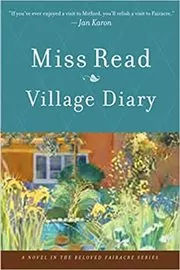
Village Diary
by Miss Read
1957
Written as Miss Read’s month-by-month journal, this sequel follows a lively year in Fairacre. Newcomers, a country pageant and the possibility of romance all stir the village, while the schoolroom’s daily triumphs and disasters keep Miss Read firmly on her toes.
Hobby Horse Cottage
by Miss Read
1958
This children’s story centres on a small country cottage nicknamed Hobby Horse and the family who make it their home. Everyday adventures with neighbours, pets and the changing seasons give the tale a gentle, homely charm for younger readers.
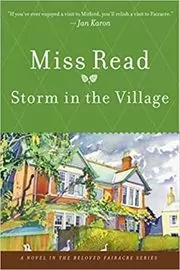
Storm in the Village
by Miss Read
1958
In Fairacre’s third tale, plans to build a housing estate on Farmer Miller’s Hundred Acre Field divide the village and threaten the future of the school. As tempers rise, Miss Read tries to steady her pupils, her colleagues and her own uncertain heart.
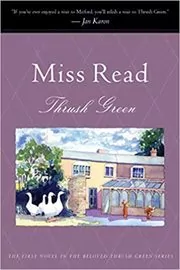
Thrush Green
by Miss Read
1959
Set on one eventful May Day, this first Thrush Green novel follows villagers and travelling fair-folk as the annual fair arrives on the green. Doctors, teachers, gossips and sceptics all find their routines unsettled, revealing loyalties, old secrets and new beginnings.
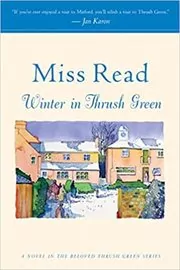
Winter in Thrush Green
by Miss Read
1961
Two years later, winter settles over Thrush Green and a newcomer, Harold Shoosmith, moves into the corner house, stirring curiosity and friendship. Around him, villagers face small crises while planning a memorial to local hero Nathaniel Patten.
Miss Clare Remembers
by Miss Read
1962
Elderly Miss Clare looks back over a lifetime spent teaching village children, from austere Edwardian classrooms to the upheavals of war. Her memories of friendship, duty and quiet courage shed new light on Fairacre long before Miss Read’s own time there.
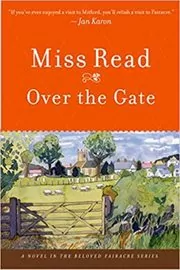
Over the Gate
by Miss Read
1964
This collection lets Miss Read step beyond the schoolroom to share tales and legends gathered over the garden gate from her neighbours. Ghost stories, village scandals and odd bits of folklore sketch a gently comic portrait of Fairacre past and present.
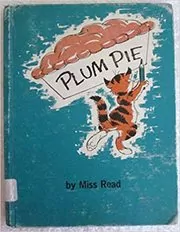
Plum Pie
by Miss Read
1964
In this brief children’s tale, the making of a plum pie frames a cosy family afternoon. Kitchen mishaps, unexpected visitors and the pleasure of sharing the finished pie keep the focus on small domestic pleasures.
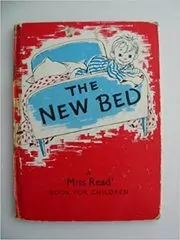
The New Bed
by Miss Read
1964
This short picture book follows a child graduating from a familiar cot to a proper bed. Simple text and warm scenes capture the excitement, small fears and final satisfaction of discovering that a new bed can feel safe after all.

The Little Peg Doll
by Miss Read
1965
In this gentle story for younger readers, a simple wooden peg doll becomes a much-loved companion. As the child who owns her faces new situations, the doll’s steady presence helps turn ordinary days and small upsets into stories worth remembering.

The Market Square
by Miss Read
1966
Set in the market town of Caxley, this novel follows baker Septimus Howard and ironmonger Ben North from the coronation of Edward VII through the First World War. Their intertwined families, rivalries and loyalties show how friendship survives prosperity, grief and sweeping change.
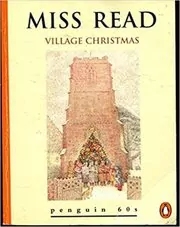
Village Christmas
by Miss Read
1966
In this short Christmas story, the bustling Emery family and the reserved Waters sisters find their lives unexpectedly intertwined on a snowy Christmas Day. A sudden emergency forces the village to drop its judgments and remember what generosity really looks like.
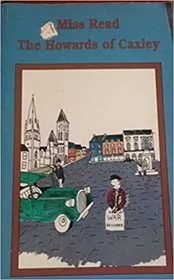
The Howards of Caxley
by Miss Read
1967
Continuing the Caxley saga, this book traces the next generation of the Howards and Norths between the wars and into World War II. Edward Howard’s flying career and the family’s wartime losses reshape both the town and the bonds forged in the old Market Square.
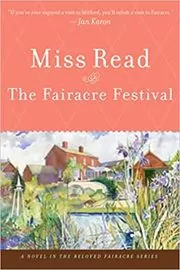
The Fairacre Festival
by Miss Read
1968
When a violent autumn storm tears the roof of St. Patrick’s church, Fairacre must somehow raise the repair money. Miss Read chronicles the plans for a village festival—complete with concerts, stalls and a school play—and the small dramas it brings to every doorstep.
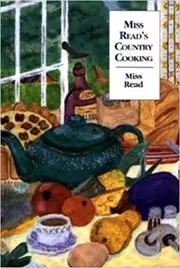
Miss Read's Country Cooking, Or, to Cut a Cabbage-Leaf
by Miss Read
1969
Part cookbook and part portrait of village life, this volume pairs traditional country recipes with Miss Read’s anecdotes about neighbours, seasons and celebrations. It reads like a conversational kitchen companion, evoking cosy suppers as vividly as the food itself.
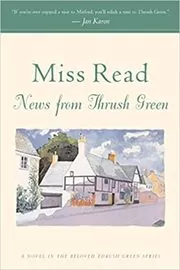
News From Thrush Green
by Miss Read
1970
When the long-empty cottage Tullivers finally gains a new occupant—a separated young mother and her son—Thrush Green’s curiosity is instantly aroused. As Phil settles in, friendships, tentative romance and old scandals flicker to life, proving the village is never as quiet as it seems.
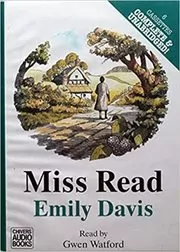
Emily Davis
by Miss Read
1971
This companion to Miss Clare Remembers follows Dolly Clare and her lifelong friend Emily Davis, retired teachers who share a cottage and a rich store of memories. As they recall early loves, wartime losses and generations of pupils, village life continues just outside their door.
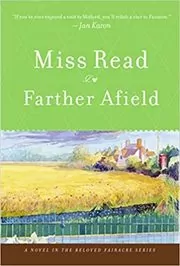
Farther Afield
by Miss Read
1973
At the start of the summer holidays, Miss Read breaks her arm and all her careful plans collapse. A spur-of-the-moment trip to Crete with her friend Amy brings new landscapes, candid talk about love and independence, and renewed patience for Fairacre’s problems.
The Christmas Mouse
by Miss Read
1973
On Christmas Eve, widowed Mrs Berry and her daughter are doing their best to make a modest but happy holiday for two little girls. A midnight disturbance brings a runaway boy to their kitchen, turning fear into unexpected friendship and a fresh start for them all.
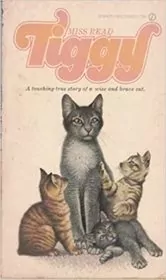
Tiggy
by Miss Read
1973
This standalone novel follows a shy young woman nicknamed Tiggy as work and family pressures push her into unfamiliar situations. Away from her old routines she begins to see new possibilities for friendship, love and a life she can truly call her own.
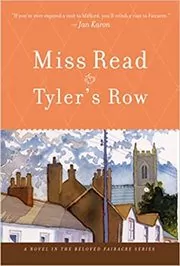
Tyler's Row
by Miss Read
1973
City couple Peter and Diana Hale buy the crumbling cottages of Tyler’s Row, dreaming of an idyllic country home in Fairacre. Renovations, awkward neighbours and mounting bills quickly test their plans, but village friendships slowly turn the row of houses into a true refuge.
Hob and the Horse Bat
by Miss Read
1974
A whimsical children’s story about Hob and his unlikely bat companion, whose nighttime wanderings lead to small mishaps and quiet acts of bravery. Short chapters and playful scenes make it an inviting read-aloud.
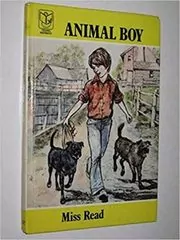
Animal Boy
by Miss Read
1975
This children’s novel centres on a boy whose deep love of animals leads him into scrapes, small acts of rescue and difficult choices. Set in the countryside, it highlights responsibility as much as affection for the creatures in his care.
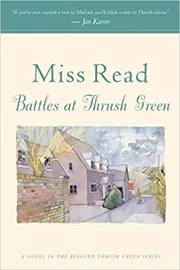
Battles at Thrush Green
by Miss Read
1975
As autumn turns to winter, Thrush Green faces a flurry of battles: Miss Fogerty clashes with a modern young teacher, Dotty Harmer’s new driving habit causes real trouble, and a proposal to tidy the churchyard divides opinion. Even so, spring brings calmer hearts.
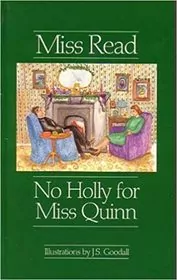
No Holly for Miss Quinn
by Miss Read
1976
Miriam Quinn, a fiercely efficient secretary, intends to spend Christmas alone in her perfectly ordered rooms, far from family fuss. A sudden call from her brother pulls her into caring for his children instead, upending her plans and quietly reshaping what home means.
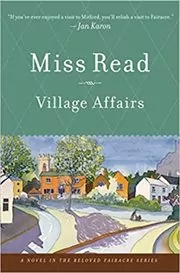
Village Affairs
by Miss Read
1977
Rumours swirl that the Fairacre school will be closed and its children bussed to a larger town. As committees argue and tempers fray, Miss Read faces the possibility of losing both her work and her home, while village families confront changes of their own.
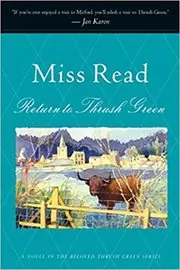
Return to Thrush Green
by Miss Read
1978
Change comes to Thrush Green as Ben and Molly Curdle consider giving up life on the travelling fair and settling in the village. Meanwhile architect Edward Young’s peaceful household is disrupted by visiting family, and even the return of grumbling sexton Albert Piggott can’t spoil a hopeful spring.
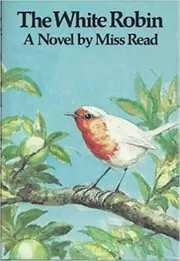
The White Robin
by Miss Read
1979
A rare white robin appears in the hedgerows, setting Fairacre and its neighbours buzzing with excitement and superstition. As villagers interpret the bird as omen, blessing or curiosity, small acts of kindness ripple through the community in unexpected ways.
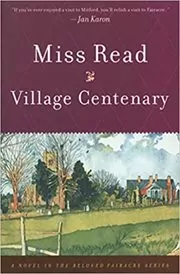
Village Centenary
by Miss Read
1980
Fairacre School turns one hundred, and Miss Read finds herself organising everything from pageants to tea parties to mark the centenary. Leaking roofs, an over-eager new teacher and village squabbles over plans all threaten the big day, but the year brings its own quiet rewards.
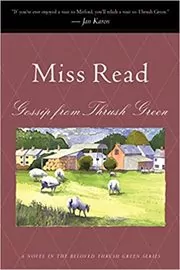
Gossip from Thrush Green
by Miss Read
1981
A golden summer in Thrush Green is anything but quiet. Rumours that schoolmaster Mr Venables may retire unsettle the village; teacher Miss Watson weighs a big decision; Molly Curdle awaits her baby; and an accident upends the kindly vicar’s plans.
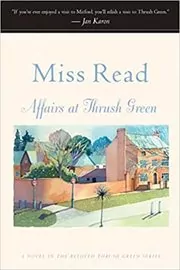
Affairs at Thrush Green
by Miss Read
1983
After their rectory burns down, Charles and Dimity Henstock move to the nearby town of Lulling, where Charles must navigate a new parish full of strong-minded ladies and simmering disputes over church furnishings. Back in Thrush Green, old feuds, new romances and Albert Piggott keep gossip alive.
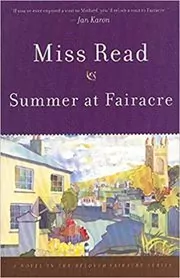
Summer at Fairacre
by Miss Read
1984
One long summer in Fairacre brings bright days and new worries. Young Joseph Coggs moves into the school while his mother is in hospital, Miss Read’s friend Amy briefly disappears, and Mrs Pringle’s bad leg throws the school into chaos, even as the village basks in sunshine.
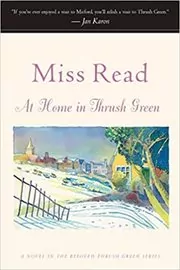
At Home in Thrush Green
by Miss Read
1986
From the ruins of the old rectory, eight small retirement cottages are being built for Thrush Green’s elderly residents. Choosing who will live there—and how their pets and tempers will coexist—creates fresh dilemmas for Charles and Dimity Henstock and their neighbours one hopeful spring.
Time Remembered
by Miss Read
1986
In this autobiographical volume, Dora Saint recalls her early adulthood, from teacher-training and first posts to marriage and wartime village life. Her memories of classrooms, country lanes and family worries illuminate the real experiences behind the Fairacre and Thrush Green stories.
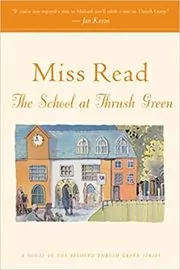
The School at Thrush Green
by Miss Read
1987
In this later Thrush Green story, elderly teachers Dorothy Watson and Agnes Fogerty finally decide to retire from the village school. As they plan a move to the seaside, their neighbours struggle with change, and the whole community wonders who could possibly replace them.
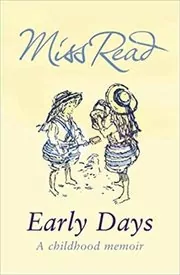
Early Days
by Miss Read
1988
This volume brings together Miss Read’s two memoirs, A Fortunate Grandchild and Time Remembered, charting her childhood in London and rural Kent, her father’s change of career, teacher-training, early posts and married life in wartime villages—the raw material for so many later novels.
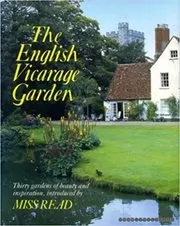
The English Vicarage Garden
by Miss Read
1988
An illustrated celebration of English vicarage gardens, this book pairs brief commentary by Miss Read with images of lawns, borders and kitchen plots. It lingers on seasonal colour, traditional planting and the quiet pleasures of these tucked-away spaces.
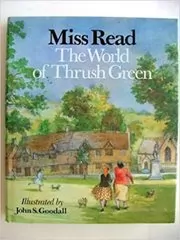
The World of Thrush Green
by Miss Read
1988
This companion volume steps outside fiction to explore the real Cotswold settings and people that inspired Thrush Green. Miss Read leads readers around the lanes, introduces the originals behind favourite characters, and shares glimpses of village recipes, memories and photographs.
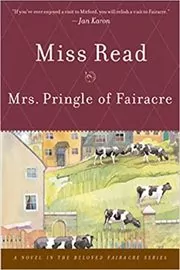
Mrs. Pringle of Fairacre
by Miss Read
1989
Through the recollections of teachers, clergy and neighbours, this book pieces together the stormy life of Mrs Pringle, Fairacre School’s indomitable cleaner. Behind the bad temper and constant complaints lies a history that makes her both exasperating and oddly indispensable.
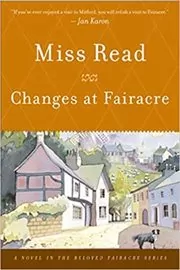
Changes at Fairacre
by Miss Read
1991
Modern life is creeping into Fairacre: commuters buy old cottages, gardens shrink, and pupil numbers fall. With the school again threatened with closure and dear Miss Clare in failing health, Miss Read must face loss, new responsibilities and the stubborn comforts of village routine.
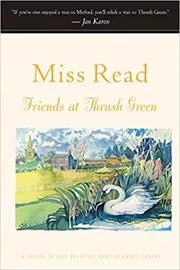
Friends at Thrush Green
by Miss Read
1991
Two retired teachers, Dorothy Watson and Agnes Fogerty, return to Thrush Green for a visit and find the village buzzing with speculation. A new family is moving into the old schoolhouse, Bertha Lovelock behaves oddly, and farmer Percy Hodge may finally choose a bride.
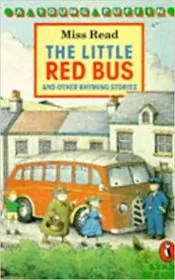
Little Red Bus & Other Rhyming
by Miss Read
1991
This collection of rhyming stories, including the tale of the Little Red Bus, offers simple verses about journeys, animals and everyday adventures. The bouncy rhythms and clear pictures are aimed at reading aloud with younger children.
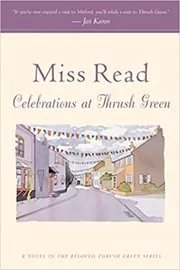
Celebrations at Thrush Green
by Miss Read
1992
Thrush Green prepares for a double centenary: one hundred years of the village school and of Nathaniel Patten’s mission school overseas. As letters from the past surface and plans for a grand celebration tangle with illness and money worries, the village still finds reasons to rejoice.
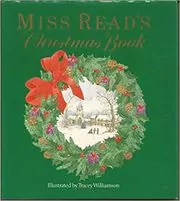
Miss Read's Christmas Book
by Miss Read
1992
This seasonal volume brings together Miss Read’s Christmas fiction, most notably the stories Village Christmas and The Christmas Mouse. It offers a cosy return to snow-covered cottages, family gatherings and the small acts of neighbourliness that shape her holiday tales.
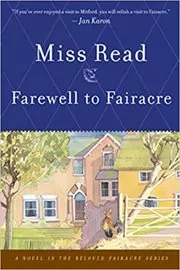
Farewell to Fairacre
by Miss Read
1993
In this later Fairacre novel, Miss Read begins to accept that she cannot run the village school forever. As health worries and official decisions gather, she looks back on her teaching life, supports friends through their own troubles and prepares, reluctantly, to let go.
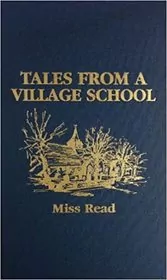
Tales from a Village School
by Miss Read
1994
This collection of short pieces about Fairacre School distils many of Miss Read’s funniest and most touching classroom moments. Mischievous pupils, staff mishaps and village festivities appear in brief sketches that are easy to dip into between longer novels.
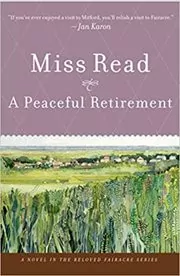
A Peaceful Retirement
by Miss Read
1996
Having laid down her chalk, Miss Read expects a quiet retirement in nearby Beech Green. Instead she is drawn into village committees, old suitors’ problems, a trip to Florence and a new writing project, discovering that life after school can be unexpectedly full.
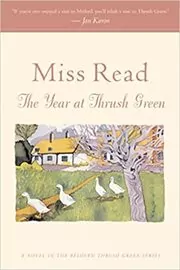
The Year at Thrush Green
by Miss Read
1996
Told month by month, this book follows a full year in Thrush Green. An abandoned dog at the church door, worries over the future of the Fuchsia Bush teashop and the arrival of a curious American visitor all keep the village talking through the changing seasons.
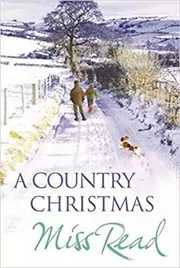
A Country Christmas
by Miss Read
2006
A Country Christmas gathers several of Miss Read’s festive stories, including village legends such as The White Robin and schoolroom pieces from Tales from a Village School. Together they offer a nostalgic portrait of winter in the English countryside.
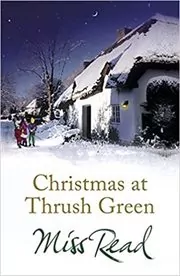
Christmas at Thrush Green
by Miss Read
2009
In this later visit to Thrush Green, Christmas preparations seem idyllic—stockings, carol singers and snow on the green—until illness, awkward newcomers and an over-ambitious Nativity play cause trouble. Familiar villagers rally, and the season still manages to bring surprises and goodwill.
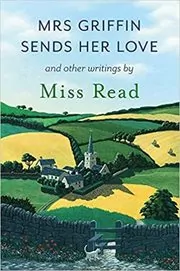
Mrs. Griffin Sends Her Love
by Miss Read
2013
This final collection gathers short stories, articles and memories that had not previously appeared in book form. From affectionate sketches of village characters to reflections on teaching, it offers a gently nostalgic farewell from Miss Read to the world she created.
Where to start with Miss Read
If you’re new to Fairacre: Village School → Village Diary → Storm in the Village
If you’d like to meet the Thrush Green villagers: Thrush Green → Winter in Thrush Green → News From Thrush Green
If you enjoy school stories and teaching life: Village School → Fresh from the Country → Farther Afield
If you prefer family sagas in a nearby town: The Market Square → The Howards of Caxley
Miss Read sub-series and character series
Miss Read collections, short stories, and related book types
Fairacre Collections
Thrush Green Non-Fiction Books
Short Story Collections
Non-Fiction Books
Standalone Miss Read books
Author bio
Miss Read was the pen name of Dora Jessie Saint, born in 1913 in South Norwood, London, and raised between the suburbs and the countryside of southern England. When her mother’s health faltered, the family moved to a village in Kent, and the change from city pavements to orchards and hedgerows stayed with her for life.
Her father first worked as an insurance agent before retraining as a schoolmaster. Watching him in the classroom, and walking with him through the lanes as he prepared lessons, gave her a sense that teaching could be both demanding and deeply worthwhile. She trained at Homerton College, Cambridge, and from the early 1930s taught in state schools in Hayes and Ealing, learning first‑hand how to manage overcrowded classes, scarce resources and the odd unruly child.
In 1940 she married Douglas Saint, himself a headmaster, and the couple settled into village life, eventually making their home in Berkshire. The war years brought evacuation, rationing and loss, but also a strong feeling of community that would later colour her fiction. After the birth of their daughter, Jill, she returned to teaching only part‑time and began to experiment with writing in the scraps of free time that family life allowed.
Her first pieces appeared in magazines, short articles about schools and the countryside that caught the eye with their dry humour and close observation. Work followed for the BBC’s schools service, where she wrote scripts designed to hold a classroom’s attention. When a publisher invited her to try a full‑length novel, she drew on these same strengths—clarity, economy and an affection for small details of daily life.
Village School, published in 1955, introduced readers to the fictional village of Fairacre and to Miss Read the schoolmistress, an unmarried woman in charge of a tiny two‑room school. The book’s success led to a long Fairacre series, narrated in the first person, and later to the Thrush Green books, written in the third person and set in a neighbouring Cotswold village. Across both sequences she wrote about harvest festivals, staffroom tensions, church fêtes and harsh winters with a tone that was wry rather than sentimental.
Her stories return again and again to recurring themes: the pleasures and trials of teaching, the consolations of nature, the strains of poverty and loneliness, and the slow arrival of modern conveniences in conservative communities. She admired earlier writers of social comedy, and her own work shares their interest in manners, small kindnesses and human absurdity. Many of the village novels were illustrated by J. S. Goodall, whose delicate drawings matched the quiet humour of the text.
Alongside the fiction she produced two autobiographical volumes, A Fortunate Grandchild and Time Remembered, later issued together as Early Days. In them she described her childhood in London and Kent, the move into teaching, and the early years of marriage, making it clear how closely her invented villages were rooted in remembered places.
Saint retired from novel‑writing in 1996. Two years later she was appointed MBE for services to literature, a typically understated recognition of decades spent chronicling village life. She lived for many years near Newbury in Berkshire, remaining closely involved with local schools and churches, and died in 2012 at the age of ninety‑eight. Her books continue to offer readers a quiet corner of imagined England in which ordinary decency matters.



Edited by
Software engineer whose passion for tracking book recommendations from podcasts inspired the creation of MRB.
Lead investor at 3one4 Capital whose startup expertise and love for books helped shape MRB and its growth.
Comments
Did we miss something? Have feedback?
Help us improve this page by sharing your thoughts