
Fairacre Books in Order
Part ofMiss Read Books in OrderSee the Fairacre novels by Miss Read in order, with book summaries, village background, key characters, and friendly guidance on the best place to begin reading.
Last updated:
As an Amazon Associate, we earn from qualifying purchases (at no extra cost to you).
Fairacre books in publication order
20 books
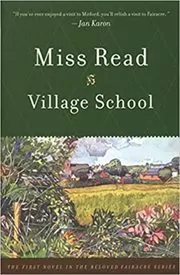
Village School
by Miss Read
1955
In this first Fairacre novel, village schoolmistress Miss Read guides her small two-room school through a full year of lessons, concerts and crises. Through her wry eye we meet the children, parents and neighbours who make this English village feel like home.
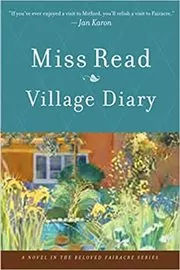
Village Diary
by Miss Read
1957
Written as Miss Read’s month-by-month journal, this sequel follows a lively year in Fairacre. Newcomers, a country pageant and the possibility of romance all stir the village, while the schoolroom’s daily triumphs and disasters keep Miss Read firmly on her toes.
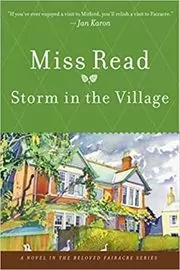
Storm in the Village
by Miss Read
1958
In Fairacre’s third tale, plans to build a housing estate on Farmer Miller’s Hundred Acre Field divide the village and threaten the future of the school. As tempers rise, Miss Read tries to steady her pupils, her colleagues and her own uncertain heart.
Miss Clare Remembers
by Miss Read
1962
Elderly Miss Clare looks back over a lifetime spent teaching village children, from austere Edwardian classrooms to the upheavals of war. Her memories of friendship, duty and quiet courage shed new light on Fairacre long before Miss Read’s own time there.
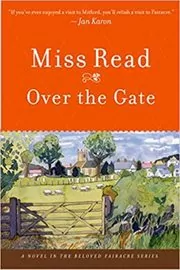
Over the Gate
by Miss Read
1964
This collection lets Miss Read step beyond the schoolroom to share tales and legends gathered over the garden gate from her neighbours. Ghost stories, village scandals and odd bits of folklore sketch a gently comic portrait of Fairacre past and present.
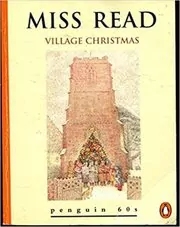
Village Christmas
by Miss Read
1966
In this short Christmas story, the bustling Emery family and the reserved Waters sisters find their lives unexpectedly intertwined on a snowy Christmas Day. A sudden emergency forces the village to drop its judgments and remember what generosity really looks like.
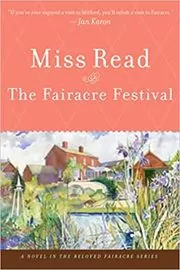
The Fairacre Festival
by Miss Read
1968
When a violent autumn storm tears the roof of St. Patrick’s church, Fairacre must somehow raise the repair money. Miss Read chronicles the plans for a village festival—complete with concerts, stalls and a school play—and the small dramas it brings to every doorstep.
Emily Davis
by Miss Read
1971
This companion to Miss Clare Remembers follows Dolly Clare and her lifelong friend Emily Davis, retired teachers who share a cottage and a rich store of memories. As they recall early loves, wartime losses and generations of pupils, village life continues just outside their door.
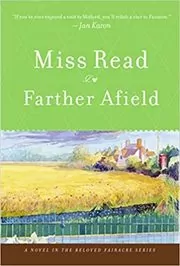
Farther Afield
by Miss Read
1973
At the start of the summer holidays, Miss Read breaks her arm and all her careful plans collapse. A spur-of-the-moment trip to Crete with her friend Amy brings new landscapes, candid talk about love and independence, and renewed patience for Fairacre’s problems.
The Christmas Mouse
by Miss Read
1973
On Christmas Eve, widowed Mrs Berry and her daughter are doing their best to make a modest but happy holiday for two little girls. A midnight disturbance brings a runaway boy to their kitchen, turning fear into unexpected friendship and a fresh start for them all.
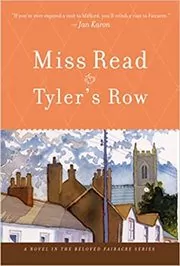
Tyler's Row
by Miss Read
1973
City couple Peter and Diana Hale buy the crumbling cottages of Tyler’s Row, dreaming of an idyllic country home in Fairacre. Renovations, awkward neighbours and mounting bills quickly test their plans, but village friendships slowly turn the row of houses into a true refuge.
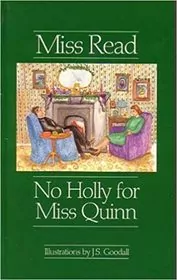
No Holly for Miss Quinn
by Miss Read
1976
Miriam Quinn, a fiercely efficient secretary, intends to spend Christmas alone in her perfectly ordered rooms, far from family fuss. A sudden call from her brother pulls her into caring for his children instead, upending her plans and quietly reshaping what home means.
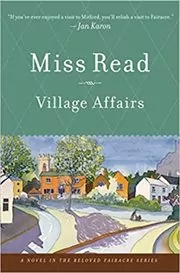
Village Affairs
by Miss Read
1977
Rumours swirl that the Fairacre school will be closed and its children bussed to a larger town. As committees argue and tempers fray, Miss Read faces the possibility of losing both her work and her home, while village families confront changes of their own.
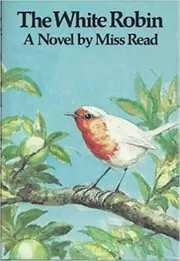
The White Robin
by Miss Read
1979
A rare white robin appears in the hedgerows, setting Fairacre and its neighbours buzzing with excitement and superstition. As villagers interpret the bird as omen, blessing or curiosity, small acts of kindness ripple through the community in unexpected ways.
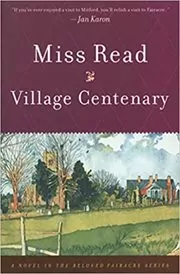
Village Centenary
by Miss Read
1980
Fairacre School turns one hundred, and Miss Read finds herself organising everything from pageants to tea parties to mark the centenary. Leaking roofs, an over-eager new teacher and village squabbles over plans all threaten the big day, but the year brings its own quiet rewards.
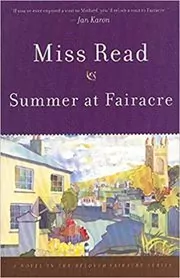
Summer at Fairacre
by Miss Read
1984
One long summer in Fairacre brings bright days and new worries. Young Joseph Coggs moves into the school while his mother is in hospital, Miss Read’s friend Amy briefly disappears, and Mrs Pringle’s bad leg throws the school into chaos, even as the village basks in sunshine.
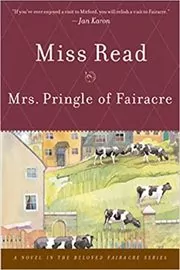
Mrs. Pringle of Fairacre
by Miss Read
1989
Through the recollections of teachers, clergy and neighbours, this book pieces together the stormy life of Mrs Pringle, Fairacre School’s indomitable cleaner. Behind the bad temper and constant complaints lies a history that makes her both exasperating and oddly indispensable.
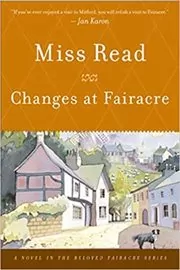
Changes at Fairacre
by Miss Read
1991
Modern life is creeping into Fairacre: commuters buy old cottages, gardens shrink, and pupil numbers fall. With the school again threatened with closure and dear Miss Clare in failing health, Miss Read must face loss, new responsibilities and the stubborn comforts of village routine.
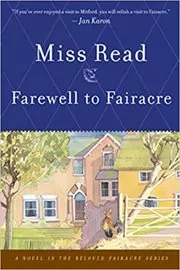
Farewell to Fairacre
by Miss Read
1993
In this later Fairacre novel, Miss Read begins to accept that she cannot run the village school forever. As health worries and official decisions gather, she looks back on her teaching life, supports friends through their own troubles and prepares, reluctantly, to let go.
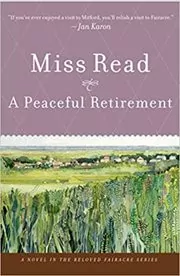
A Peaceful Retirement
by Miss Read
1996
Having laid down her chalk, Miss Read expects a quiet retirement in nearby Beech Green. Instead she is drawn into village committees, old suitors’ problems, a trip to Florence and a new writing project, discovering that life after school can be unexpectedly full.
Fairacre books in chronological order
Series background & context
Fairacre is Miss Read’s longest‑running fictional village, seen almost entirely through the eyes of the schoolmistress who shares her name. Perched on the English downland, with Caxley as its market town and Beech Green nearby, it is small enough that church, school and shop sit within a few minutes’ walk of one another.
The early novels, beginning with Village School and Village Diary, follow a year at a time as Miss Read manages a tiny two‑room school. She teaches the older children while Miss Clare, and later younger assistants, look after the infants behind a folding partition. School concerts, nature walks, harvest festivals and snow‑bound mornings give the stories their rhythm, while the village’s gossip and minor crises provide the drama.
Around the school cluster a cast that soon feels like extended family. There is formidable cleaner Mrs Pringle, with her bad leg and sharper tongue; calm, elderly Miss Clare, who has taught generations of Fairacre children; practical caretaker Mr Willet; and friends such as Amy, the vicar and his wife, and the Coggs family from the poorer cottages. Later books spin off to focus on other figures—Dolly Clare in Miss Clare Remembers, the two retired teachers in Emily Davis, the new owners of Tyler’s Row and the hard‑pressed families in the Christmas stories.
As the series moves forward, Fairacre itself changes. A violent storm and a damaged church roof lead to The Fairacre Festival; the centenary of the school is marked in Village Centenary; and books such as Village Affairs and Changes at Fairacre face the threat of school closure and the arrival of commuters who see old cottages as weekend homes. Through it all, Miss Read records the small adjustments villagers make to keep their sense of community.
The tone stays quiet, observant and often very funny. Children misbehave, marriages strain, lonely people grow old, and money is always tight, yet the books refuse easy nostalgia. Instead they linger over the look of the fields in a hard winter, the sound of rooks following a plough, or the comfort of tea in a cluttered kitchen after a bad day at school.
Readers who start at the beginning can watch Miss Read move from mid‑career teacher to early retiree in Farewell to Fairacre and A Peaceful Retirement. But each book also works on its own, offering a self‑contained visit to a village where the stakes are small, the talk is sharp, and the ordinary business of life is taken seriously.






Edited by
Software engineer whose passion for tracking book recommendations from podcasts inspired the creation of MRB.
Lead investor at 3one4 Capital whose startup expertise and love for books helped shape MRB and its growth.
Comments
Did we miss something? Have feedback?
Help us improve this page by sharing your thoughts