
Michael Moore Books in Order
Explore Michael Moore books in order, with quick summaries, where to start, and a clear guide to his political nonfiction, memoir, and companion books.
Last updated:
As an Amazon Associate, we earn from qualifying purchases (at no extra cost to you).
Michael Moore books in publication order
11 books
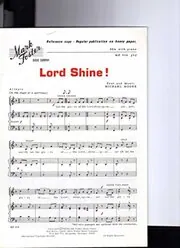
Lord Shine ! For S.S.A. Choir with Piano
by Michael Moore
1971
A short sacred choral piece for SSA voices and piano, built around an upbeat refrain and straightforward accompaniment. This is a performance score for singers and accompanists, not one of Moore's later political books.
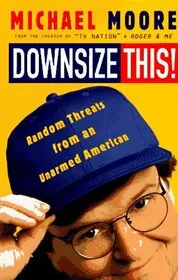
Downsize This! Random Threats from an Unarmed American
by Michael Moore
1996
In this early collection, Moore takes aim at layoffs, corporate greed, right-wing politics, and media absurdity. The pieces bounce from satire to reporting, but the core target is a system that treats ordinary workers as disposable.
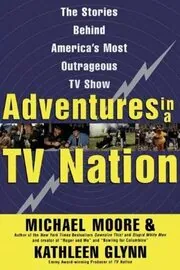
Adventures in a TV Nation
by Michael Moore
1998
Part behind-the-scenes story and part political road trip, this book revisits the making of TV Nation and the stunts the show couldn't resist. Moore and Kathleen Glynn use the series to poke at censorship, media habits, and American power.
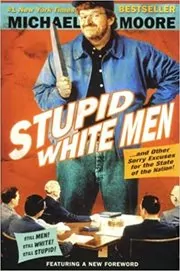
Stupid White Men & Other Sorry Excuses for the State of the Nation
by Michael Moore
2001
Moore unloads on the Bush years, corporate power, racism, and the cozy habits of American politics. It's a fast, angry, often very funny broadside that mixes reported facts with stand-up style provocation.
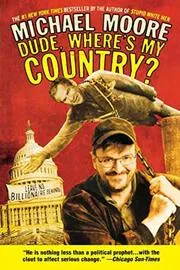
Dude, Where's My Country?
by Michael Moore
2003
Moore turns his fire on George W. Bush, the Iraq War, corporate influence, and a timid opposition. It's a combative, joke-packed argument about who benefits when fear, oil, and politics get tangled together.
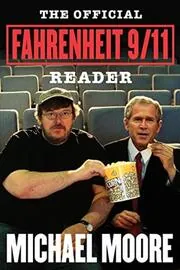
TheOfficial Fahrenheit 9/11 Reader
by Michael Moore
2004
This companion volume to Fahrenheit 9/11 includes the film's screenplay, supporting notes, and material that didn't make the final cut. It expands Moore's case against the Bush administration and the march to war in Iraq.
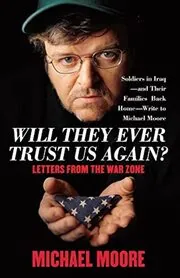
Will They Ever Trust Us Again? Letters from the War Zone
by Michael Moore
2004
Built from letters by troops, veterans, and military families, this book lets firsthand voices carry the emotional weight. Moore steps back so readers can hear anger, grief, doubt, and loyalty shaped by the Iraq War.
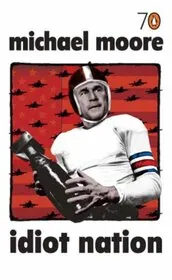
Idiot Nation
by Michael Moore
2005
This slim volume gathers Michael Moore at his most blunt on education, civic ignorance, and the ways power profits from a poorly informed public. Short, sharp, and satirical, it works like a concentrated dose of his broader political writing.

Mike's Election Guide
by Michael Moore
2008
Moore's 2008 voter handbook mixes jokes, partisan commentary, and practical election-season advice. Along with taking shots at Republicans and the Bush years, he points readers toward key races and argues that turnout can change the map.

Yes, We Can
by Michael Moore
2008
This German-language edition of Moore's 2008 election guide combines satire, campaign commentary, and voter-focused advice from the Obama-McCain season. It keeps his usual mix of humor and urgency while translating the book for a different audience.
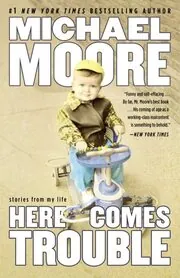
Here Comes Trouble
by Michael Moore
2011
Moore shifts from polemic to memoir in a lively set of stories about childhood, faith, activism, and early scrapes with authority. The book shows how the kid from Flint grew into the filmmaker who kept picking public fights.
Where to start with Michael Moore
If you want the big Bush-era bestseller: Stupid White Men & Other Sorry Excuses for the State of the Nation → Dude, Where's My Country?
If you want his earlier, scrappier voice: Downsize This! Random Threats from an Unarmed American → Adventures in a TV Nation
If you want the Iraq War companion books: TheOfficial Fahrenheit 9/11 Reader → Will They Ever Trust Us Again? Letters from the War Zone
If you want the personal side first: Here Comes Trouble
Michael Moore collections, short stories, and related book types
Non-Fiction
Author bio
Michael Moore was born in Flint, Michigan, in 1954 and grew up nearby in Davison. His father worked on an auto assembly line, his mother was a secretary, and he was raised Catholic. He has also described himself as a former seminarian, which helps explain the moral urgency that runs through so much of his work.
Long before the documentaries, he was already arguing with the world. At 18, he won a seat on the local school board and was described as the youngest elected official in the country. He attended the University of Michigan-Flint, wrote for the student paper, and left after his first year. Not long after that, he founded The Flint Voice, an alternative newspaper that covered labor, local politics, and the people usually ignored by bigger outlets.
That paper was his real writing school.
A short and rocky stint at Mother Jones pushed him toward the next chapter. Moore went back to Michigan just as General Motors layoffs were tearing through Flint, and he turned that upheaval into Roger & Me in 1989. The film follows his attempt to confront GM chairman Roger Smith, but it also became something larger, a funny, angry record of what corporate decisions can do to a hometown.
Flint never really leaves his work.
Moore kept moving between print, television, and film. He created and hosted TV Nation, which won an Emmy, and later made The Awful Truth. Then came the documentaries that made him one of the most recognizable political filmmakers in America: Bowling for Columbine, which won the Academy Award for Best Documentary Feature, and Fahrenheit 9/11, which won the Palme d'Or at Cannes and became the highest-grossing documentary of all time.
His books run on the same fuel. Downsize This! takes on layoffs, corporate greed, and political nonsense with loose, scrappy humor. Adventures in a TV Nation, written with Kathleen Glynn, brings that same energy to television. Then Stupid White Men and Dude, Where's My Country? turned him into a bestseller by mixing jokes, reporting, and straight-up outrage about war, money, media, and who really holds power.
He can be funny and furious in the same paragraph.
Later books showed other sides of him. Will They Ever Trust Us Again? pulled together letters from troops, veterans, and military families during the Iraq War, giving the microphone to people living with the consequences. Here Comes Trouble went more personal, telling stories from his childhood, early activism, faith, and the stubborn streak that shaped the rest of his career. What readers tend to respond to, whether they agree with him or not, is the mix of confrontation, humor, and a clear sense of who he thinks gets left behind.
These days, he lives in Traverse City, Michigan. He helped found the Traverse City Film Festival and art house theaters there, and he still writes and speaks regularly. The setting may have changed, but the basic engine is the same: a Michigan point of view, a sharp sense of unfairness, and no real interest in staying quiet.










Edited by
Software engineer whose passion for tracking book recommendations from podcasts inspired the creation of MRB.
Lead investor at 3one4 Capital whose startup expertise and love for books helped shape MRB and its growth.
Comments
Did we miss something? Have feedback?
Help us improve this page by sharing your thoughts