
Brian Moore Books in Order
Explore Brian Moore books in order, with short summaries, clear starting points, and a quick guide to his literary, historical, and suspense novels.
Last updated:
As an Amazon Associate, we earn from qualifying purchases (at no extra cost to you).
Brian Moore books in publication order
28 books
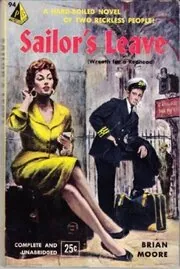
Sailor's Leave / Wreath for a Redhead
by Brian Moore
1951
A blackmail scheme ends in murder, and a private investigator is left to sort through lies, money, and a dead redhead. It is Moore in early noir mode, quick, hardboiled, and eager to keep moving.
The Executioners
by Brian Moore
1951
In Montreal, foreign agents are plotting to kidnap or kill an exiled political leader, and Mike Farrell gets pulled into the chase. The result is an early Cold War style thriller built on pursuit, danger, and divided loyalties.
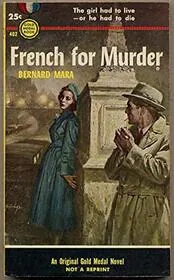
French for Murder
by Brian Moore
1954
After stumbling onto a killing in a Paris hotel, American drifter Noah Cain is blamed and forced to run. His search for the woman who can clear him sends him racing south through France with the police and crooks behind him.
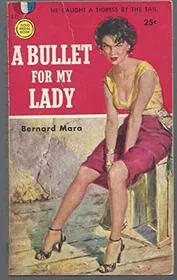
A Bullet For My Lady
by Brian Moore
1955
Josh Camp comes to Barcelona after hearing that his friend and business partner is dead, and the beautiful Nina Fontana is waiting with a story he does not trust. The search for truth leads him into violence, betrayal, and danger.
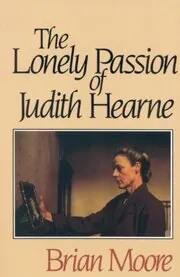
The Lonely Passion of Judith Hearne
by Brian Moore
1955
Judith Hearne, a lonely middle-aged piano teacher, mistakes a widower's interest for the love she has long wanted. Moore follows her unraveling with tenderness and merciless clarity.
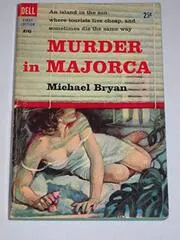
Murder in Majorca
by Brian Moore
1957
A trip to Majorca turns deadly as murder and intrigue close in around an outsider far from home. This late pulp thriller keeps the pressure on, using the island setting as a sunny trap.
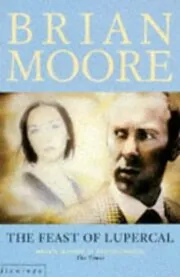
The Feast Of Lupercal
by Brian Moore
1957
Diarmuid Devine, a shy Catholic schoolmaster in Belfast, thinks love may finally be possible. Instead he meets embarrassment, cruelty, and his own painful self-knowledge in one of Moore's sharpest early novels.
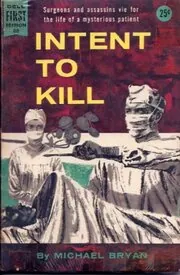
Intent to Kill
by Brian Moore
1958
A South American president is brought to Montreal for delicate brain surgery while assassins close in. Moore uses the medical setting and the city's winter tension to drive a fast, efficient political thriller.
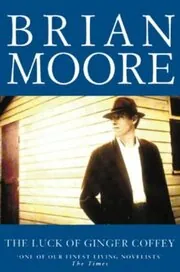
The Luck of Ginger Coffey
by Brian Moore
1960
Ginger Coffey brings his family from Ireland to Montreal convinced success is finally within reach. Instead he stumbles from job to job, and Moore makes his charm, self-delusion, and desperation both painful and very human.
An Answer from Limbo
by Brian Moore
1962
Brendan Tierney wants the space to write his first serious novel, so he brings his widowed mother from Ireland to mind the children in New York. The arrangement exposes the selfishness, strain, and cultural fracture inside his family.
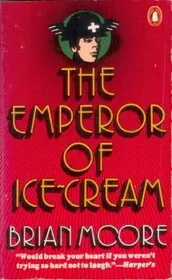
The Emperor of Ice Cream
by Brian Moore
1965
In wartime Belfast, seventeen-year-old Gavin Burke joins the air raid wardens and steps across the sectarian lines that shaped his childhood. It is a coming-of-age novel about war, class, friendship, and the shock of a larger world.
I am Mary Dunne
by Brian Moore
1968
Over the course of one day in New York, Mary Dunne tries to hold on to her sense of self as memories and anxieties crowd in. Moore makes her inner life vivid, funny, and quietly frightening.

Moment of Love
by Brian Moore
1969
Diarmuid Devine, a shy Catholic schoolmaster in Belfast, thinks love may finally be possible. Instead he meets embarrassment, cruelty, and his own painful self-knowledge in one of Moore's sharpest early novels.
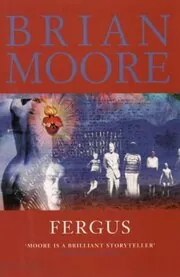
Fergus
by Brian Moore
1970
Irish writer Fergus Fadden arrives in California carrying old guilt and family baggage, then finds the past refusing to stay buried. Ghostly, comic, and melancholy, the novel turns exile and memory into a strange reckoning.
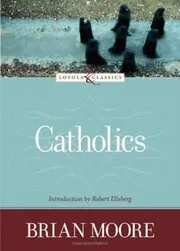
Catholics
by Brian Moore
1972
On a remote Irish island, a young priest is sent to force a monastery into line with sweeping church reforms. The conflict that follows is quiet, tense, and full of doubt, loyalty, and wounded faith.
The Revolution Script
by Brian Moore
1972
Moore's documentary-style novel revisits the October Crisis in Quebec, from the kidnapping of James Cross to the murder of Pierre Laporte. It reads like a thriller while tracing the fear, ideology, and confusion of a city under pressure.
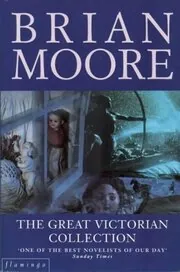
The Great Victorian Collection
by Brian Moore
1975
Historian Anthony Maloney dreams an enormous collection of Victorian treasures into existence in a California parking lot, then wakes to find it there. Moore turns an impossible premise into a lucid, unsettling story about obsession, fame, and ownership.
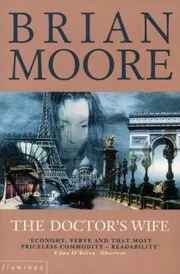
The Doctor's Wife
by Brian Moore
1976
While waiting for her husband in Paris, Sheila Redden impulsively begins an affair with a younger American. Her sudden break from ordinary life becomes a searching novel about desire, freedom, and the cost of starting over.
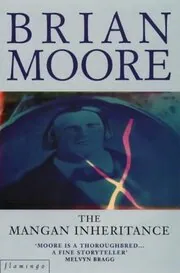
The Mangan Inheritance
by Brian Moore
1979
Failed poet James Mangan discovers a link to a famous nineteenth-century namesake and heads west in Ireland to chase family legend. What starts as an ancestry quest becomes a sly, unsettling novel about identity, marriage, and self-invention.
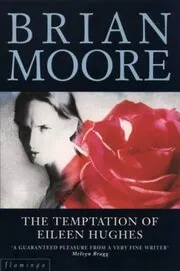
The Temptation of Eileen Hughes
by Brian Moore
1981
Eileen Hughes is a quiet young woman from Northern Ireland whose life seems to open up when wealthy employers take an interest in her. London offers glamour and possibility, but also a painful education in power and desire.
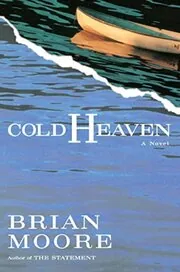
Cold Heaven
by Brian Moore
1983
Marie Davenport expects grief after her husband's boating accident, not mystery. When his body disappears and signs of a miracle begin to gather, Moore turns adultery, guilt, and belief into an eerie psychological thriller.
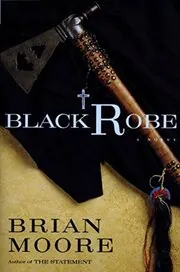
Black Robe
by Brian Moore
1985
A French Jesuit journeys deep into seventeenth-century New France to reach a distant mission. The trip becomes a harsh test of faith, survival, and misunderstanding as European and Indigenous worlds collide.
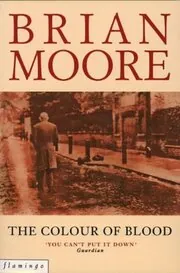
The Colour of Blood
by Brian Moore
1987
Cardinal Stephen Bem survives an assassination attempt in an unnamed Eastern European state and finds himself trapped between church, state, and revolution. A compact political thriller, it turns questions of faith and compromise into real danger.
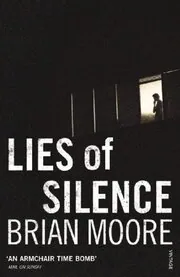
Lies of Silence
by Brian Moore
1990
In Belfast, hotel manager Michael Dillon is forced by IRA gunmen to drive a bomb-laden car to work while his wife is held hostage. The setup is immediate and brutal, and every choice feels morally impossible.
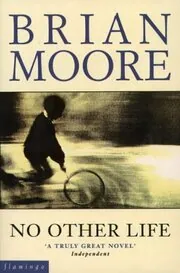
No Other life
by Brian Moore
1993
On the fictional Caribbean island of Ganae, Father Paul Michel backs a young priest whose rise threatens a brutal ruler. Moore blends revolution, belief, and disillusion into a sharp political and spiritual drama.
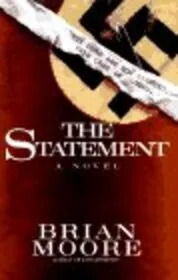
The Statement
by Brian Moore
1995
Pierre Brossard, a former Vichy official long sheltered by church and political allies, is finally being hunted. As the net tightens across southern France, Moore turns a fugitive chase into a tense reckoning with guilt, complicity, and justice.
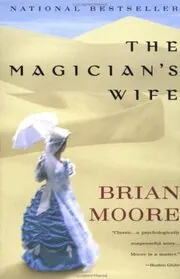
The Magician's Wife
by Brian Moore
1997
In 1850s France, Emmeline Lambert follows her illusionist husband on a mission tied to Napoleon III and unrest in Algeria. What begins as imperial theater becomes a searching story about faith, deception, and the cost of power.

One of The Unguided
by Brian Moore
2025
Hours before a presidential debate, John Sheppard survives a crash on a remote Vermont road and uncovers a conspiracy reaching deep into American power. The novel mixes campaign suspense with supernatural questions about faith, freedom, and leadership.
Where to start with Brian Moore
If you want the classic starting point: The Lonely Passion of Judith Hearne → The Luck of Ginger Coffey
If you want Belfast and postwar Ireland: The Emperor of Ice Cream → The Feast Of Lupercal → Lies of Silence
If faith, doubt, and the Church interest you: Catholics → Black Robe → The Colour of Blood
If you prefer tense moral thrillers: Lies of Silence → The Statement → The Magician's Wife
Standalone Brian Moore books
Author bio
Brian Moore was born in Belfast on August 25, 1921, the son of a surgeon and a former nurse, and he grew up in a large Catholic family. Belfast never really left him. Even after he moved away, he kept returning to its streets, manners, and hard religious lines in his fiction.
He wrote often about people who felt trapped, and he knew that feeling well.
After school in Belfast and wartime service with the British Ministry of War Transport, Moore left Ireland. In 1948 he moved to Canada, worked as a reporter and editor in Montreal, and became a Canadian citizen. That was also where he began writing fiction seriously, first turning out fast thrillers under his own name and under pen names, partly to earn money and partly to learn how to build a story.
The book he later counted as his true beginning was The Lonely Passion of Judith Hearne. It was rejected many times before finally appearing in 1955, but once it did, it showed exactly what Moore could do. He could move deep inside a lonely mind, strip away self-deception, and make an ordinary life feel tense, painful, and completely alive.
He never stayed in one lane for long. The Luck of Ginger Coffey follows an Irish emigrant in Montreal whose grand hopes keep colliding with reality. I Am Mary Dunne spends a single day inside the mind of a woman trying to hold together memory and identity. The Emperor of Ice Cream goes back to wartime Belfast, where a teenager begins to see life outside the narrow lines of family and religion.
He liked pressure.
That pressure takes different forms across the books. In Catholics and later Black Robe, he returned to faith, doubt, ritual, and the uneasy meeting of belief with power. In The Doctor's Wife, he wrote with unusual closeness about a woman's sudden break from domestic life. Readers often notice how good he was at writing people on the edge of change, people who are ashamed, hopeful, compromised, or simply trying to tell themselves a story they can live with.
His later novels could look like thrillers, but they never gave up the moral weight underneath. Lies of Silence traps a Belfast hotel manager in an IRA bombing plot. The Statement follows a man tied to Vichy crimes as old protections begin to fail. The Magician's Wife, his last novel, uses the world of stage illusion and French imperial politics to ask what deception does to private life. Moore also wrote for film, and his work was adapted more than once for the screen.
Moore moved to New York in 1959 on a Guggenheim Fellowship, and later settled in California after going there for screen work, including a job on Alfred Hitchcock's Torn Curtain. He lived for many years in Malibu, taught at UCLA for a time, and kept writing books that shifted in place, tone, and setting without losing their clarity. He was shortlisted for the Booker Prize three times, won major prizes in Britain and Canada, and died in Malibu in 1999. What remains is a body of work full of exiles, doubters, strivers, lonely women, compromised men, and people trying to decide what kind of life they can honestly live.











Edited by
Software engineer whose passion for tracking book recommendations from podcasts inspired the creation of MRB.
Lead investor at 3one4 Capital whose startup expertise and love for books helped shape MRB and its growth.
Comments
Did we miss something? Have feedback?
Help us improve this page by sharing your thoughts