
Memoirs (Ngũgĩ wa Thiongo) Books in Order
Part ofNgũgĩ wa Thiongo Books in OrderExplore the memoirs of Ngũgĩ wa Thiong'o in order, with short summaries, series background, and a simple guide to where to start.
Last updated:
As an Amazon Associate, we earn from qualifying purchases (at no extra cost to you).
Memoirs (Ngũgĩ wa Thiongo) books in publication order
3 books

Dreams in a Time of War
by Ngũgĩ wa Thiongo
2005
Ngũgĩ looks back on childhood in colonial Kenya, where school offers hope even as war and repression close in. It's a warm, sharp memoir about family, learning, and growing up during the Mau Mau years.
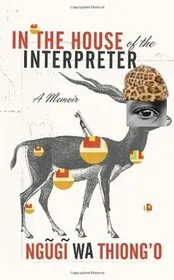
In the House of the Interpreter
by Ngũgĩ wa Thiongo
2012
At a British-run boarding school, Ngũgĩ studies hard while the Mau Mau uprising reshapes life beyond the classroom. This memoir captures youth, ambition, and the uneasy shelter that education can provide.
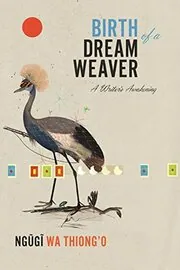
Birth of a Dream Weaver
by Ngũgĩ wa Thiongo
2016
This memoir follows Ngũgĩ's years at Makerere University as he becomes a journalist, playwright, and novelist. It is a lively portrait of a young writer finding his voice while East Africa changes around him.
Memoirs (Ngũgĩ wa Thiongo) books in chronological order
Series background & context
Ngũgĩ wa Thiong'o's memoirs work best if you read them as one long life story told in stages. Together they move from rural childhood in colonial Kenya, to elite schooling, to student life and literary awakening, and finally to prison and political confrontation. The books are personal, but they are never sealed off from public history. Family life, school, language, empire, independence, and state violence are always in the same frame. They are less confessional than many memoirs. The self here is always part of a family, a village, a school, and a nation in upheaval.
The childhood volumes are the natural entry point.
Dreams in a Time of War begins in Kamiriithu, where a boy's hunger for learning has to survive distance, poverty, family strain, and the violence of the Mau Mau Emergency. The emotional center is often simple and powerful: a mother's insistence on education, a child's wonder at books, and the daily improvisation needed to keep going. In the House of the Interpreter continues that story at a British-run boarding school near Nairobi, where classrooms, chess, and scouting exist beside raids, detention camps, and the destruction reaching his family home.
Then the scope widens. Birth of a Dream Weaver follows Ngũgĩ to Makerere University in Uganda, where he starts to become the writer readers now know. Journalism, student theater, literary ambition, and the political mood of East Africa all push against one another. This is the volume where the young reader from Kamiriithu begins to turn into a playwright and novelist.
The prison books change the temperature.
Detained and Wrestling with the Devil focus on the period after the Kenyan state jailed him without trial. Here the memoir series becomes a record of surveillance, humiliation, routine, and resistance. These books show what it means for writing to have real political consequences. They also reveal something steady in Ngũgĩ's character: even in confinement, he keeps watching, analyzing, and shaping experience into language.
What ties the whole series together is how concrete it feels. Ngũgĩ remembers roads, school compounds, letters, train journeys, cell walls, voices, and small humiliations. He is interested in ideas, especially language and power, but he nearly always brings them back to ordinary scenes and choices. That keeps the books readable even when the history is heavy.
Expect memoirs that are clear, vivid, and closely tied to Kenya's twentieth-century story. Read in order, they give you a full arc: child, student, young writer, prisoner, witness. Read one by one, they still stand well on their own. Either way, this series shows how Ngũgĩ's life in books became inseparable from the questions that drove all his work: who gets to speak, in what language, and at what cost.








Edited by
Software engineer whose passion for tracking book recommendations from podcasts inspired the creation of MRB.
Lead investor at 3one4 Capital whose startup expertise and love for books helped shape MRB and its growth.
Comments
Did we miss something? Have feedback?
Help us improve this page by sharing your thoughts