
Ngũgĩ wa Thiongo Books in Order
Browse Ngũgĩ wa Thiongo books in order, from novels and memoirs to essays and children's books, with short summaries and clear advice on where to start.
Last updated:
As an Amazon Associate, we earn from qualifying purchases (at no extra cost to you).
Ngũgĩ wa Thiongo books in publication order
28 books
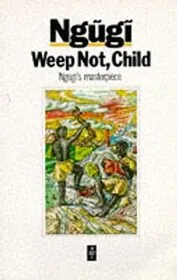
Weep Not, Child
by Ngũgĩ wa Thiongo
1964
Njoroge believes education can lift his family, but colonial violence and land dispossession keep breaking in. Ngũgĩ turns one boy's hopes into a painful, intimate story about love, family, and the Mau Mau era.
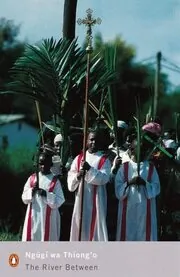
The River Between
by Ngũgĩ wa Thiongo
1965
Set between two Gikuyu ridges divided by religion and custom, this novel follows Waiyaki's attempt to heal a widening rift. It is a clear, tense story about community, belief, and colonial disruption.
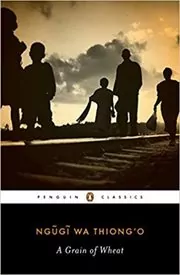
A Grain of Wheat
by Ngũgĩ wa Thiongo
1967
As Kenya nears independence, a village prepares for celebration while old betrayals and private guilt resurface. Ngũgĩ builds a layered story about freedom, sacrifice, and the hard human cost behind national myth.
Recommended by
1 person Barack Obama recommended this book
Barack Obama
Barack Obama's favorite books of 2018 list.
Barack Obama's recommendation of this book

Homecoming
by Ngũgĩ wa Thiongo
1972
This early essay collection ranges across African and Caribbean literature, politics, and culture. It shows Ngũgĩ thinking through colonialism, capitalism, and the work of restoring confidence in African writing and history.
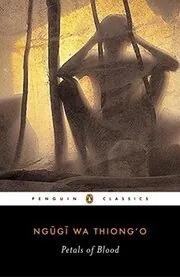
Petals of Blood
by Ngũgĩ wa Thiongo
1977
A murder investigation draws four damaged friends back through the story of a changing town in independent Kenya. Dark, angry, and searching, the novel asks who really benefited when colonialism ended.
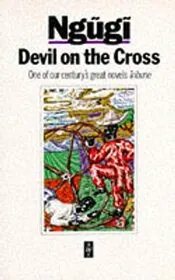
Devil on the Cross
by Ngũgĩ wa Thiongo
1980
Wariinga travels to Nairobi hoping for a better life and meets a society built on greed, exploitation, and corruption. Ngũgĩ turns her story into a fierce, satirical attack on capitalism and betrayal.
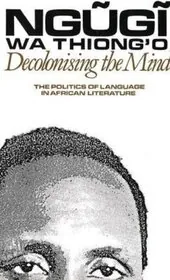
Decolonising the Mind
by Ngũgĩ wa Thiongo
1981
In four influential essays, Ngũgĩ argues that language is never neutral under colonialism. He makes a forceful case for African languages, African literature, and the recovery of memory through what people speak and write.
Detained
by Ngũgĩ wa Thiongo
1981
Written after his imprisonment without trial, this prison diary records humiliation, boredom, anger, and stubborn resistance. It is also a clear-eyed account of how the Kenyan state tried to crush dissent and imagination.
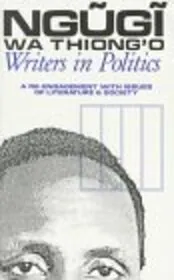
Writers in Politics
by Ngũgĩ wa Thiongo
1981
These essays revisit the relationship between literature, power, and public life. Ngũgĩ asks what writers owe their societies, and how culture, repression, and freedom of expression shape the work they do.

Barrel of a Pen
by Ngũgĩ wa Thiongo
1983
This short collection responds to repression in Kenya after Ngũgĩ's imprisonment. He writes about detention, censorship, and resistance with urgency, showing how literature and political struggle can never be fully separated.
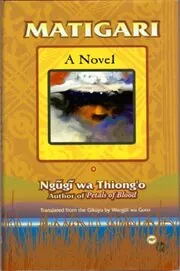
Matigari
by Ngũgĩ wa Thiongo
1986
A freedom fighter comes down from the hills expecting peace, only to find a country still ruled by fear and injustice. Allegory and satire drive this restless novel about truth, power, and unfinished liberation.

Njamba Nene and the flying bus
by Ngũgĩ wa Thiongo
1986
A bus journey turns dangerous when young Njamba Nene and other children are stranded far from home. With quick thinking and courage, he leads them through fear, hunger, and the shadow of colonial Kenya.

Njamba Nene's Pistol
by Ngũgĩ wa Thiongo
1986
Njamba Nene is drawn deeper into the Mau Mau struggle when he is trusted with a secret errand involving a pistol. The story mixes a child's fear and excitement with the real dangers of resistance.
Writing Against Neocolonialism
by Ngũgĩ wa Thiongo
1986
In this compact lecture-essay, Ngũgĩ argues that African writing must resist the cultural and political habits of neocolonial rule. It is brief, direct, and focused on literature as part of a larger struggle.
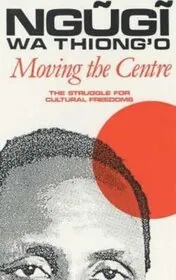
Moving the Centre
by Ngũgĩ wa Thiongo
1993
Ngũgĩ calls for a shift in cultural power, away from old colonial hierarchies and narrow national elites. These essays push for a wider, fairer literary world shaped by many languages and many centers.
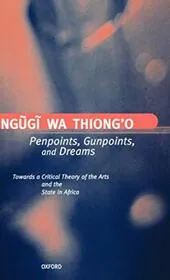
Penpoints, Gunpoints, and Dreams
by Ngũgĩ wa Thiongo
1998
Ngũgĩ explores the link between art and power, especially in postcolonial Africa, where writers often face censorship or worse. The book asks what literature can do when states fear imagination.
Wizard of the Crow
by Ngũgĩ wa Thiongo
2004
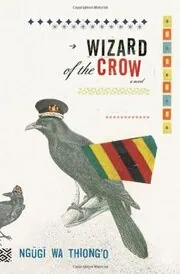
In the absurd Free Republic of Aburiria, a dictator, a supposed sorcerer, and an exhausted nation collide. This huge comic novel uses rumor, magic, and politics to expose the madness of authoritarian power.
Dreams in a Time of War
by Ngũgĩ wa Thiongo
2005
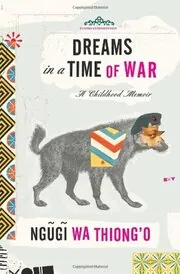
Ngũgĩ looks back on childhood in colonial Kenya, where school offers hope even as war and repression close in. It's a warm, sharp memoir about family, learning, and growing up during the Mau Mau years.
Ngugi Wa Thiong'o Speaks
by Ngũgĩ wa Thiongo
2005
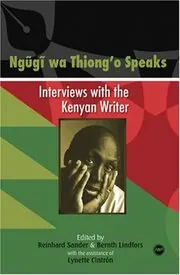
This interview collection traces Ngũgĩ's thinking across decades of novels, essays, prison, exile, and language politics. It is a useful way to hear him explain his work in his own clear, argumentative voice.
Something Torn and New
by Ngũgĩ wa Thiongo
2009
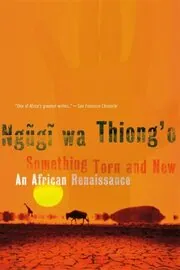
Ngũgĩ reflects on slavery, colonialism, and globalization through the damage done to African names, languages, and memory. The book is both diagnosis and plea, asking how cultures recover what has been torn apart.
Globalectics
by Ngũgĩ wa Thiongo
2012
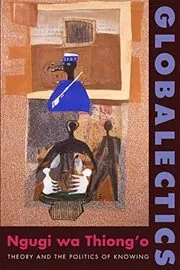
Based on lectures, this book connects orature, literature, education, and power in a single argument about how we read the world. Ngũgĩ pushes for a less one-way, more connected view of culture and knowledge.
In the House of the Interpreter
by Ngũgĩ wa Thiongo
2012
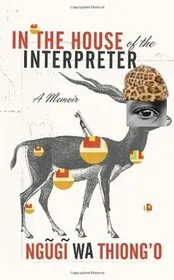
At a British-run boarding school, Ngũgĩ studies hard while the Mau Mau uprising reshapes life beyond the classroom. This memoir captures youth, ambition, and the uneasy shelter that education can provide.
In the Name of the Mother
by Ngũgĩ wa Thiongo
2013
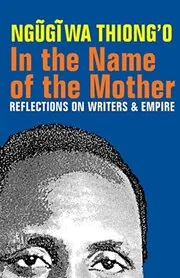
These essays return to writers from Africa and the Caribbean to think about empire, decolonization, and literary form. Ngũgĩ reads closely, but always keeps an eye on freedom, power, and history.
Secure the Base
by Ngũgĩ wa Thiongo
2015
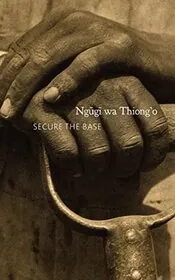
Gathering lectures and essays from different years, this book asks how Africa can be seen more fully in global history. Ngũgĩ moves through language, labor, slavery, capitalism, and the work of intellectuals.
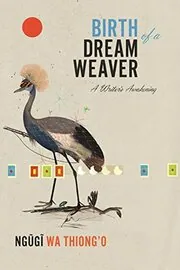
Birth of a Dream Weaver
by Ngũgĩ wa Thiongo
2016
This memoir follows Ngũgĩ's years at Makerere University as he becomes a journalist, playwright, and novelist. It is a lively portrait of a young writer finding his voice while East Africa changes around him.
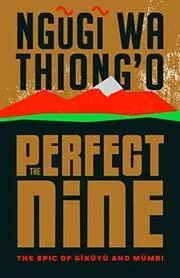
The Perfect Nine
by Ngũgĩ wa Thiongo
2018
Ngũgĩ retells the Gikuyu origin story in verse, following Gikuyu, Mumbi, and their daughters through a bold marriage quest. Myth, humor, danger, and song come together in a fresh take on epic storytelling.
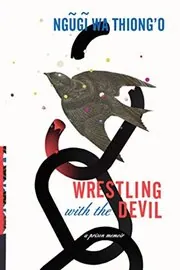
Wrestling with the Devil
by Ngũgĩ wa Thiongo
2018
Ngũgĩ revisits the year he spent in prison after angering the Kenyan regime with his theater and fiction. The memoir shows fear, endurance, and the stubborn decision to keep writing under pressure.
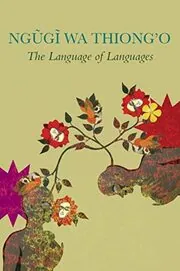
The Language of Languages
by Ngũgĩ wa Thiongo
2022
This collection brings together Ngũgĩ's writings on translation, including self-translation and dialogue between African languages. Clear and personal, it treats translation as a way of sharing thought rather than ranking cultures.
Where to start with Ngũgĩ wa Thiongo
If you want the key early novels: Weep Not, Child → The River Between → A Grain of Wheat
If you want sharper political satire: Petals of Blood → Devil on the Cross → Wizard of the Crow
If you prefer memoir first: Dreams in a Time of War → In the House of the Interpreter → Birth of a Dream Weaver
If you want the core essays on language and culture: Decolonising the Mind → Moving the Centre → Globalectics
Ngũgĩ wa Thiongo sub-series and character series
Adventures of Njamba Nene books in order
Explore this seriesAdventures of Njamba Nene books in chronological order
Memoirs (Ngũgĩ wa Thiongo) books in order
Explore this seriesMemoirs (Ngũgĩ wa Thiongo) books in chronological order
Standalone Ngũgĩ wa Thiongo books
Author bio
Ngũgĩ wa Thiong'o was born James Thiong'o Ngũgĩ on January 5, 1938, in Kamiriithu, near Limuru in Kenya. He grew up in a large Gikuyu family during British colonial rule, and the violence of the Mau Mau Emergency would stay close to his work for the rest of his life.
School mattered enormously to him.
In his memoirs, especially Dreams in a Time of War and In the House of the Interpreter, he writes about education as both refuge and battleground. Books opened doors, but they also pulled him into the language and structure of empire. That tension, hope on one side, pressure on the other, became one of the driving forces in his writing.
He came to writing almost by daring himself into it. While studying at Makerere University in Uganda, he told the editor of a campus magazine that he had stories ready, then went away and wrote one. Not long after, his play The Black Hermit was staged during Uganda's independence celebrations in 1962.
His early novels, first published under the name James Ngugi, made readers pay attention quickly. Weep Not, Child follows a boy whose faith in education collides with colonial violence. The River Between turns to divided ridges and the strain between Christian missions and Gikuyu traditions. A Grain of Wheat widens the frame, showing a community on the edge of independence, with guilt, sacrifice, and betrayal woven through everyday life.
Then came Petals of Blood, Devil on the Cross, and later Wizard of the Crow. Readers often come to these books for the political bite, but stay for the way Ngũgĩ mixes satire, rumor, village talk, memory, and myth with struggles over land, work, love, and power. Even at his angriest, he stayed interested in how ordinary people speak, joke, endure, and imagine.
Language was central to everything he did.
After years of publishing in English, he chose from the late 1970s onward to write primarily in Gikuyu, arguing most famously in Decolonising the Mind that language carries memory, culture, and ways of seeing. For him, this was not a side argument. It was at the center of what freedom meant.
That choice was never abstract. In 1977, after the staging of I Will Marry When I Want and the publication of Petals of Blood, he was imprisoned without trial by the Kenyan government. During and after that period he wrote Detained and, much later, Wrestling with the Devil, books that show how closely writing and political risk were tied in his life.
Exile followed, and so did decades of teaching, lecturing, and writing across genres. He taught at the University of Nairobi, and later at Northwestern, Yale, and UC Irvine, where he became a distinguished professor and led the International Center for Writing and Translation. Along the way he kept moving between novels, essays, memoirs, children's books, and even a verse epic, The Perfect Nine.
He died on May 28, 2025, at age 87. By then he had spent more than sixty years asking hard questions in direct language, and making room on the page for people, histories, and African languages that empire tried to push aside.




Edited by
Software engineer whose passion for tracking book recommendations from podcasts inspired the creation of MRB.
Lead investor at 3one4 Capital whose startup expertise and love for books helped shape MRB and its growth.
Comments
Did we miss something? Have feedback?
Help us improve this page by sharing your thoughts