
May Sarton Books in Order
Explore May Sarton books in order, with short summaries, reading paths, and an introduction to her novels, journals, memoirs, and poetry.
Last updated:
As an Amazon Associate, we earn from qualifying purchases (at no extra cost to you).
May Sarton books in publication order
54 books
Encounter in April
by May Sarton
1937
Sarton's first poetry collection introduces a young writer already drawn to love, nature, spiritual searching, and emotional independence. These early poems show the beginnings of themes she returned to for decades.

Inner Landscape
by May Sarton
1939
This early poetry collection turns inward, tracing private feeling through images of landscape, relationships, and art. Sarton's poems look for a language equal to solitude, desire, and change.
The Bridge of Years
by May Sarton
1946
Across the years between two world wars, the Belgian Duchesne family tries to preserve its home, work, and ideals. Paul and Melanie face private strains as fascism and war press ever closer.

Shadow of a Man
by May Sarton
1950
After his mother dies, Francis Bradford must reconsider the stepfather he has long resented. A summer in Paris brings grief, family history, and a difficult chance to grow into love.

A Shower Of Summer Days
by May Sarton
1952
The return of Violet Dene Gordon and her husband to a long-empty Irish estate unsettles a quiet village. Family visitors, old memories, and new desires turn one summer into a test of belonging.

Faithful Are The Wounds
by May Sarton
1955
When English professor Edward Cavan takes his own life, his friends and colleagues confront his uncompromising ideals. Set amid Harvard and Cambridge, the novel examines fear, loyalty, and political pressure.
The Birth of a Grandfather
by May Sarton
1957
Sprig and Frances Wyeth face a restless season of marriage, family conflict, and change in Maine. As a new generation arrives, Sprig must decide whether he can become more present as husband, father, and friend.

The Fur Person
by May Sarton
1957
A hungry stray cat sets out to find a home and slowly becomes a true companion to the people who take him in. This warm animal story follows his many names, adventures, and changing trust.
The Small Room
by May Sarton
1961
Lucy Winter begins her first teaching job at a New England women's college and finds campus life far from simple. Rivalries, loneliness, and the fragile bond between teachers and students shape the year.
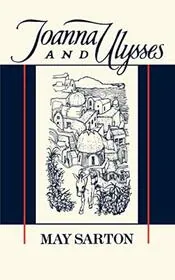
Joanna and Ulysses
by May Sarton
1963
This gentle tale follows Joanna and Ulysses through a small world shaped by companionship, imagination, and discovery. It is a brief, warmly observed story with the feel of a modern fable.
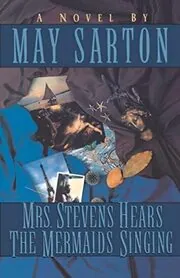
Mrs. Stevens Hears the Mermaids Singing
by May Sarton
1965
During an interview at her country home, poet Hilary Stevens looks back on the loves and losses that formed her life. The novel considers artistic work, aging, and a woman's right to speak plainly about desire.
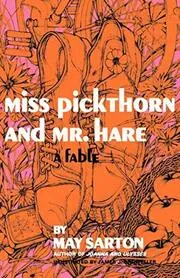
Miss Pickthorn and Mr. Hare
by May Sarton
1966
A guarded woman and an unexpected visitor meet in a strange, enclosed world of gardens and fears. Sarton's fable turns their uneasy connection into a story about loneliness, trust, and change.
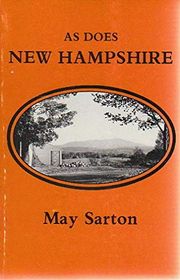
As Does New Hampshire, And Other Poems
by May Sarton
1967
Poems rooted in New Hampshire's seasons and rural life sit alongside meditations on love, loss, and belonging. Sarton uses the outer landscape to explore the inward work of making a life.
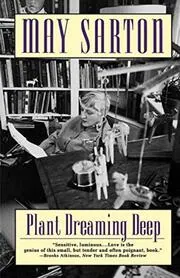
Plant Dreaming Deep
by May Sarton
1968
Sarton recounts buying and restoring an old New Hampshire house while learning how to live and work alone. Her journal blends home-making, gardening, writing, friendship, and the realities of solitude.
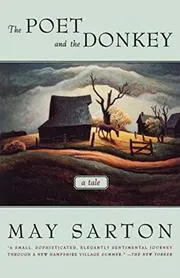
The Poet and the Donkey
by May Sarton
1969
A poet's life is disrupted and enriched by an unlikely donkey companion. This light, illustrated tale finds humor and tenderness in the daily adjustments that make friendship possible.
A Grain of Mustard Seed
by May Sarton
1970
In these poems, Sarton considers faith, endurance, love, and the small beginnings from which change can grow. The collection pairs close attention to the natural world with personal reflection.
Kinds of Love
by May Sarton
1970
Several people struggle to understand the claims of love, friendship, marriage, and independence. In Sarton's character-driven novel, private longings and old loyalties make every choice feel complicated.

A Durable Fire
by May Sarton
1972
This poetry collection returns to the sustaining forces in life: affection, work, memory, and the natural world. Sarton's poems face difficulty without losing sight of warmth, humor, and persistence.
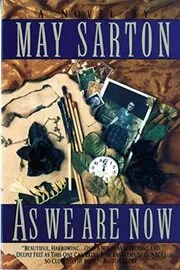
As We Are Now
by May Sarton
1973
Elderly Caro Spencer is placed in a nursing home against her wishes and records what happens in a secret journal. Her sharp voice exposes cruelty, neglect, memory, and the fierce need to remain oneself.

Journal of a Solitude
by May Sarton
1973
Over the course of a year, Sarton records the comforts and costs of a life lived alone. Writing, nature, friendship, depression, and the need for connection all enter this candid personal journal.
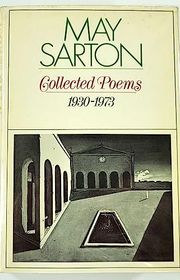
Collected poems (1930-1973)
by May Sarton
1974
A wide-ranging collection of Sarton's poetry from more than four decades. It lets readers follow her recurring interests in love, solitude, art, aging, nature, and the demands of an inward life.

Punch's Secret
by May Sarton
1974
A young child and a much-loved dog share a small secret that changes the rhythm of everyday life. This illustrated story treats a child's feelings and an animal's presence with warmth and care.
A Walk through the Woods
by May Sarton
1976
A walk in the woods becomes an invitation to notice animals, plants, weather, and the small surprises of a natural place. This illustrated children's book makes careful looking feel like an adventure.

A World of Light
by May Sarton
1976
This collection of portraits remembers the people who nourished Sarton's life and work. Artists, friends, family members, and mentors appear in affectionate, searching sketches shaped by memory and gratitude.
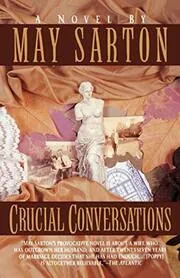
Crucial Conversations
by May Sarton
1976
After twenty-seven years of marriage, Poppy Whitelaw tells her husband that she wants to leave. Their family and friends are pulled into a series of painful conversations about marriage, identity, and freedom.
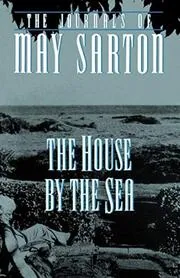
The House by the Sea
by May Sarton
1977
After moving to the Maine coast, Sarton keeps a journal of work, visitors, weather, and life beside the sea. It is a clear-eyed account of creating a home while remaining answerable to solitude.
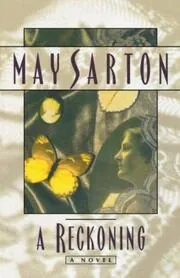
A Reckoning
by May Sarton
1978
Facing a terminal illness, Laura Spelman takes stock of the relationships that have mattered most. Her memories lead her back to family wounds, a difficult daughter, and a formative love with another woman.

Selected Poems of May Sarton
by May Sarton
1978
This selected volume offers an accessible route into Sarton's poetry. The poems range across her career and return to love, friendship, loneliness, the seasons, and the daily practice of paying attention.
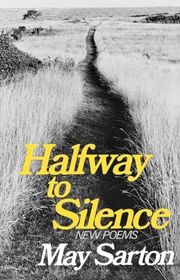
Halfway to Silence: New Poems
by May Sarton
1980
These poems dwell in the space between speech and silence, where memory, love, anger, and age can be examined. Sarton writes with directness about emotional weather and the natural world.
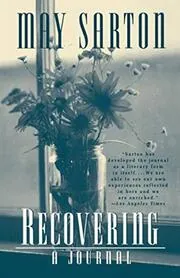
Recovering
by May Sarton
1980
During a hard year marked by illness, surgery, depression, and loss, Sarton keeps track of what helps her endure. Friends, work, gardens, and ordinary routines become part of a slow recovery.
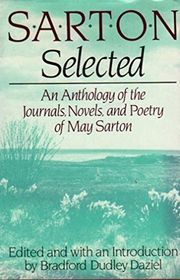
An anthology of excerpts from Sarton's journals, novels, and poems provides a broad introduction to her work. It is a useful starting point for readers who want to sample her different forms.

Anger
by May Sarton
1982
A long marriage is tested by two people with very different ways of handling anger and love. Sarton follows the small arguments and deeper hurts that can either harden a couple or force honesty.
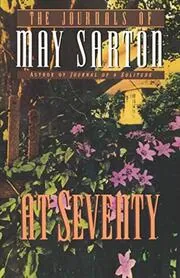
At Seventy
by May Sarton
1984
In her seventieth year, Sarton writes about aging, health, work, friendship, and the rhythms of her Maine home. The journal makes room for both irritation and delight in the business of staying alive.
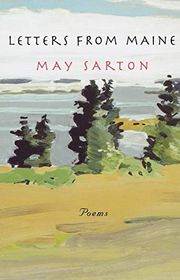
Letters from Maine
by May Sarton
1984
Written from the Maine coast, these poems notice sea, weather, gardens, friends, and passing time. The collection finds meaning in local detail while continuing Sarton's long conversation with solitude.
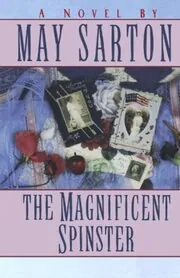
The Magnificent Spinster
by May Sarton
1985
After the death of her beloved teacher Jane Reid, Cam remembers the woman who shaped her youth. Letters and memory help Cam imagine Jane's full, independent life beyond the role of mentor.

May Sarton
by May Sarton
1986
A self-portrait in words, photographs, and poems, this volume offers a direct introduction to Sarton's life and concerns. She reflects on love, solitude, creativity, pain, and the work of making art.

After the Stroke
by May Sarton
1988
After a stroke interrupts her independence and writing life, Sarton keeps a candid journal of rehabilitation. She writes about fear, frustration, friendship, and the hard-won pleasure of returning to ordinary days.

I Knew A Phoenix
by May Sarton
1988
Sarton looks back on her Belgian roots, Cambridge youth, early ambitions, and the people who guided her toward writing. These autobiographical sketches trace the making of a poet and novelist.
The Silence Now: New and Uncollected Early Poems
by May Sarton
1988
New and previously uncollected early poems reveal another view of Sarton's beginnings as a poet. The volume follows her early concerns with feeling, place, artistic purpose, and the search for connection.
The Education of Harriet Hatfield
by May Sarton
1989
Harriet Hatfield opens a women's bookstore near Boston and quickly becomes the target of anonymous threats. Her new life brings friendship and purpose, but also a harsh education in prejudice and courage.
The Single Hound
by May Sarton
1991
A young writer enters the orbit of a gifted older poet and faces the risks of art, attachment, and self-discovery. Sarton's first novel follows sensitive people trying to live truthfully.
Collected Poems, 1930-1993
by May Sarton
1992
This career-spanning collection gathers Sarton's poems from 1930 through 1993. It traces a lifetime of writing about love, home, art, aging, nature, grief, and the pleasures of ordinary attention.

Endgame
by May Sarton
1992
In her seventy-ninth year, Sarton reflects on aging, illness, memory, and the practical demands of daily life. Recorded partly after her stroke, this journal remains alert to friendship, work, and nature.
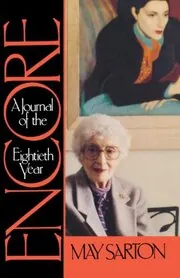
Encore
by May Sarton
1993
Sarton's journal of her eightieth year returns to friends, letters, memories, books, and the pleasures that remain. It is a thoughtful record of old age lived with curiosity and stubborn independence.
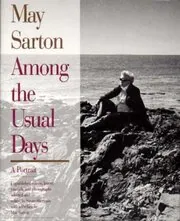
May Sarton Among the Usual Days
by May Sarton
1993
This portrait gathers unpublished poems, letters, journal pages, and photographs to illuminate Sarton's daily life and work. It offers a fuller view of the writer behind her published books.
Coming into Eighty: Poems
by May Sarton
1994
Written in later life, these poems meet old age with candor, gratitude, impatience, and humor. Sarton considers illness, memory, friends, and the continuing gift of the world outside her window.
From May Sarton's Well
by May Sarton
1994
A selection of Sarton's writings brings together work from across her career. The volume offers readers a compact way to encounter her poems, reflections, and enduring questions about love, work, and solitude.
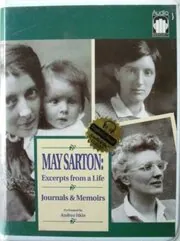
May Sarton
by May Sarton
1994
This volume introduces May Sarton's life and writing through biographical context and discussion of her work. It is useful for readers looking to place her novels, poems, and journals in a wider career.
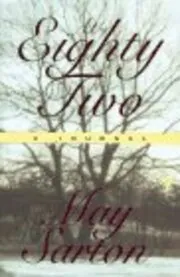
At Eighty-Two
by May Sarton
1995
Published after Sarton's death, this final journal follows her eighty-second year through illness, visits, memories, and writing. It preserves her attention to daily life while she faces growing physical limits.

Writings on Writing
by May Sarton
1995
This collection gathers Sarton's thoughts on the writer's life, creative discipline, and the often private labor behind finished work. It offers practical and personal reflections from a writer who worked across forms.

A Private Mythology: Poems
by May Sarton
1996
Sarton builds a personal mythology from memory, love, landscapes, and artistic life. These poems explore the stories people tell themselves in order to endure loneliness, change, and loss.

May Sarton
by May Sarton
1997
A biographical study of May Sarton explores the life behind her poems, novels, and journals. It follows the personal relationships, places, and creative struggles that shaped her long writing career.

Dear Juliette
by May Sarton
1999
These letters to Juliette Huxley reveal Sarton's early adulthood through friendship, travel, literary ambition, and love. The correspondence offers an intimate view of the writer before many of her major books.
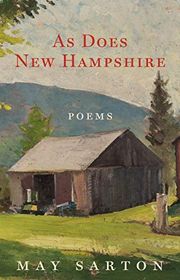
As Does New Hampshire (2024)
by May Sarton
2024
This edition returns readers to Sarton's New Hampshire poems, shaped by woods, weather, local life, and the changing seasons. Her close observation of place opens onto questions of love and belonging.
Where to start with May Sarton
For an honest, intimate journal: Plant Dreaming Deep → Journal of a Solitude → The House by the Sea.
For a powerful novel about old age: As We Are Now → A Reckoning.
For fiction about women, art, and love: Mrs. Stevens Hears the Mermaids Singing → The Magnificent Spinster → The Education of Harriet Hatfield.
For poetry and a broad introduction: Selected Poems of May Sarton → Sarton Selected: An Anthology of the Journals, Novels, and Poetry of May Sarton.
May Sarton collections, short stories, and related book types
Picture Books
Non-Fiction Books
Collections
Standalone May Sarton books
Author bio
May Sarton was born Eleanore Marie Sarton on May 3, 1912, in Wondelgem, Belgium, now part of Ghent. Her father, George Sarton, was a historian of science, and her mother, Mabel Elwes Sarton, was an artist. When war reached Belgium, the family fled Europe and eventually settled in Cambridge, Massachusetts, where Sarton grew up.
She was an only child, and books, languages, gardens, and conversation all became part of her early world.
As a teenager, Sarton expected to become an actor. After seeing Eva Le Gallienne perform, she turned down a scholarship to Vassar and joined Le Gallienne's Civic Repertory Theatre in New York. The theater did not give her a lasting career, but she kept writing poems through it all. Her early sonnets were published when she was still very young.
When acting plans fell apart, writing became the work she stuck with. She spent time in Paris, met writers and artists who widened her sense of what a life in letters could be, and published her first novel, The Single Hound, in 1938. It is an early sign of the concerns that stayed with her: art, friendship, desire, independence, and the hard work of knowing oneself.
Sarton wrote in several forms, often moving from a novel to poems to a journal. Her fiction includes The Bridge of Years, about a Belgian family facing the approach of war; Faithful Are the Wounds, set among academics shaken by a colleague's death; and Mrs. Stevens Hears the Mermaids Singing, in which an older poet looks back on love and the making of a life. Her novels tend to give people room to talk, hesitate, misread one another, and begin again.
Her journals brought many readers closest to her daily life. In Plant Dreaming Deep, she writes about making a home in rural New Hampshire. Journal of a Solitude faces the mixed gifts of being alone, including the freedom to work and the pain of isolation. Later books such as The House by the Sea, Recovering, and After the Stroke record friendships, gardens, illness, aging, money worries, writing days, and the changing weather of the Maine coast.
She didn't pretend that a quiet life was always peaceful.
Sarton lived for many years in Nelson, New Hampshire, then moved to York, Maine in 1973. The landscapes around those homes, especially the gardens, woods, sea, and seasons, became steady presences in her work. She also wrote openly, though not simply, about love between women at a time when such lives were rarely treated with ordinary human seriousness in fiction.
By the end of her life, Sarton had published more than fifty books across poetry, novels, journals, memoirs, and children's literature. She kept working through illness and old age, sometimes dictating material when writing by hand became difficult after a stroke. She died in York, Maine, on July 16, 1995, leaving behind books that keep returning to the same practical, difficult question: how can a person make room for both solitude and connection?












Edited by
Software engineer whose passion for tracking book recommendations from podcasts inspired the creation of MRB.
Lead investor at 3one4 Capital whose startup expertise and love for books helped shape MRB and its growth.
Comments
Did we miss something? Have feedback?
Help us improve this page by sharing your thoughts