
Masters Autobiography Trilogy Books in Order
Part ofJohn Masters Books in OrderThis page lists the Masters Autobiography Trilogy by John Masters in order, with memoir summaries, background, and where to start.
Last updated:
As an Amazon Associate, we earn from qualifying purchases (at no extra cost to you).
Masters Autobiography Trilogy books in publication order
3 books

Bugles and a Tiger
by John Masters
1956
Masters opens his autobiography with Sandhurst, the Gurkhas, and service on India's North-West Frontier before World War II. The memoir is rich in regimental detail, frontier danger, and the making of a young officer.
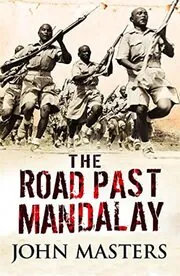
The Road Past Mandalay
by John Masters
1961
The second volume of Masters' autobiography carries him through World War II and the Burma campaign. It is a frank account of Chindit operations, command pressure, jungle fighting, and the difficult road from war toward peace.
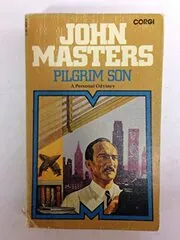
Pilgrim Son
by John Masters
1971
The third volume of Masters' autobiography follows his move from soldiering into civilian life and writing. After the war, a failed Himalayan walking-tour venture and a new life in America push him toward becoming a novelist.
Masters Autobiography Trilogy books in chronological order
Series background & context
The Masters Autobiography Trilogy tells John Masters' own story in three parts. It is the nonfiction companion to his India novels, and it helps explain why his fiction is so full of soldiers, mountains, duty, fear, and people caught between old loyalties and new facts.
Bugles and a Tiger begins with his youth, Sandhurst, and early service with the Gurkhas in India. It is full of regimental routine, frontier postings, training, mess life, and the strange mix of discipline and chaos that shaped a young officer before World War II. It also shows Masters learning how armies really work, not as parade-ground theater, but as human systems built out of habit, pride, fear, and trust.
Then the war arrives.
The Road Past Mandalay is the central volume and the hardest edged. Masters follows his wartime service through the Burma campaign and the Chindit operations behind Japanese lines. The book is remembered for its direct treatment of command under extreme pressure, including the grim decisions made during the fighting around Blackpool near Mogaung. It is not a tidy war memoir. That is part of its value.
Pilgrim Son moves into the afterlife of soldiering. Masters leaves the army, tries to make a new start in the United States, attempts to build a Himalayan walking-tour business, and gradually becomes a working novelist. It is about reinvention, but not the shiny kind. There are false starts, money worries, and the awkward work of turning lived experience into books.
The trilogy is best read in order because each volume changes the meaning of the last. The young officer of Bugles and a Tiger becomes the commander of The Road Past Mandalay, and the veteran of that book becomes the restless civilian of Pilgrim Son.
For readers who know Masters only through Bhowani Junction or the Savage novels, these memoirs add a useful human frame. They show where the technical confidence came from, and why his best scenes of military life feel lived in rather than researched from a distance.











Edited by
Software engineer whose passion for tracking book recommendations from podcasts inspired the creation of MRB.
Lead investor at 3one4 Capital whose startup expertise and love for books helped shape MRB and its growth.
Comments
Did we miss something? Have feedback?
Help us improve this page by sharing your thoughts