
Mario Vargas Llosa Books in Order
Explore Mario Vargas Llosa books in order, with quick summaries, major novels, and simple guidance on where to start with his fiction and essays.
Last updated:
As an Amazon Associate, we earn from qualifying purchases (at no extra cost to you).
Mario Vargas Llosa books in publication order
37 books
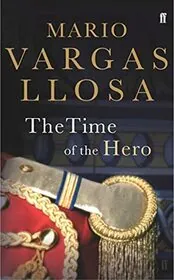
The Time of the Hero
by Mario Vargas Llosa
1962
At a brutal military academy in Lima, a theft sets off a chain of lies, punishments, and violence among a tight circle of cadets. Vargas Llosa turns school discipline into a fierce portrait of masculinity, fear, and corruption.
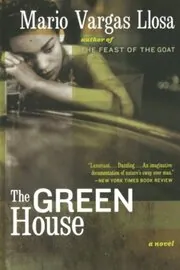
The Green House
by Mario Vargas Llosa
1965
A brothel on the edge of Piura links soldiers, smugglers, priests, outcasts, and dreamers across the desert and the Amazon. The novel's interlocking stories build a dense, restless picture of desire, exploitation, and survival.

The Cubs and Other Stories
by Mario Vargas Llosa
1967
These early stories move through boyhood, humiliation, desire, and cruelty in Peru. Compact and intense, they offer a good first look at the themes and tensions that would later grow larger in Vargas Llosa's novels.
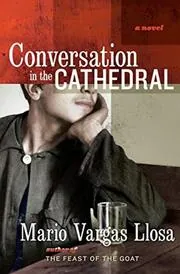
Conversation in the Cathedral
by Mario Vargas Llosa
1969
Over drinks in Lima, Santiago Zavala and his father's former driver begin talking, and the conversation opens into a whole country's moral collapse. It's a sprawling, intimate novel about dictatorship, compromise, and how people become trapped by power.
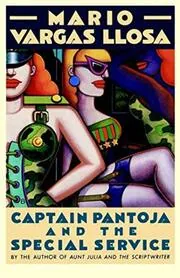
Captain Pantoja and the Special Service
by Mario Vargas Llosa
1973
An upright army officer is sent to Peru's Amazon frontier to solve an embarrassing problem by creating a secret service of prostitutes for soldiers. The setup is outrageous, but the comedy cuts sharply into bureaucracy, obedience, and hypocrisy.
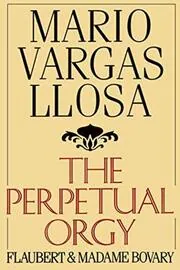
The Perpetual Orgy
by Mario Vargas Llosa
1975
Vargas Llosa's book-length essay on Madame Bovary is part close reading, part love letter to Flaubert's craft. He explores how the novel works, why it still matters, and what fiction can do to both writers and readers.
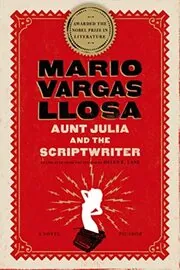
Aunt Julia and the Scriptwriter
by Mario Vargas Llosa
1977
In 1950s Lima, young Marito falls for his older, divorced Aunt Julia while a wildly prolific radio writer fills the airwaves with ever more deranged serials. It's funny, affectionate, and sly about love, ambition, and storytelling itself.
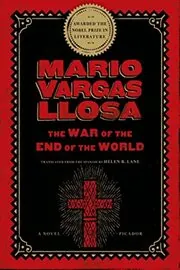
The War of the End of the World
by Mario Vargas Llosa
1981
In backlands Brazil, a charismatic preacher gathers the poor into a rebellious settlement that terrifies church and state alike. Vargas Llosa turns a historical uprising into a huge, gripping novel about faith, fanaticism, and political panic.
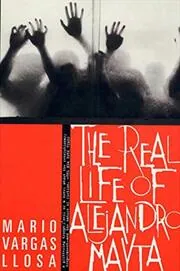
The Real Life of Alejandro Mayta
by Mario Vargas Llosa
1984
A writer tries to reconstruct the life of Alejandro Mayta, a failed Trotskyist rebel whose past has already hardened into rumor and myth. The search becomes a sharp study of revolution, memory, and the gap between politics and lived experience.
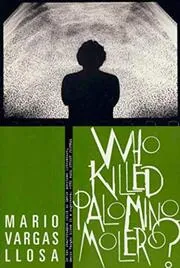
Who Killed Palomino Molero?
by Mario Vargas Llosa
1986
When a young airman is found murdered near a Peruvian air base, Lieutenant Silva and Officer Lituma start digging through lies, class barriers, and military silence. The mystery is brisk, but the real target is a corrupt society.
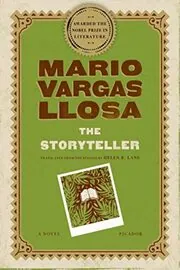
The Storyteller
by Mario Vargas Llosa
1987
A writer in Florence sees a photograph that may show his old friend Saul Zuratas living among the Machiguenga in the Amazon. The novel moves between memory and myth to ask who gets to tell a people's story.
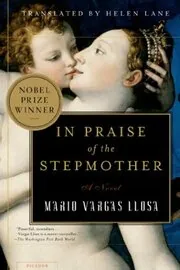
In Praise of the Stepmother
by Mario Vargas Llosa
1988
Don Rigoberto, his wife Lucrecia, and his young son seem to inhabit an elegant world of art and pleasure. Beneath it, desire turns manipulative and dangerous in a short novel that mixes erotic fantasy with family unease.
A Writer's Reality
by Mario Vargas Llosa
1990
Drawn from lectures at Syracuse University, this book lets Vargas Llosa explain how his novels were made and what problems drove them. It is clear, personal, and especially good on the strange line between lived experience and fiction.

Three Plays
by Mario Vargas Llosa
1990
This volume collects three stage works in which memory, fantasy, and performance keep colliding with ordinary life. Vargas Llosa uses theater to test how stories are made, and how desire and self-invention can change what seems real.
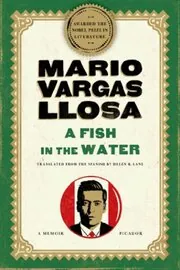
A Fish in the Water
by Mario Vargas Llosa
1993
Half memoir and half political chronicle, this book moves from Vargas Llosa's childhood and early writing life to his 1990 presidential campaign in Peru. It is candid, restless, and full of the link between private experience and public struggle.
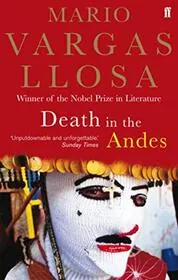
Death in the Andes
by Mario Vargas Llosa
1993
In a bleak Andean outpost, Lituma and his deputy investigate three disappearances while fear of Shining Path violence hangs over everything. The case grows stranger as local myths, buried cruelties, and homesick longing close in around them.
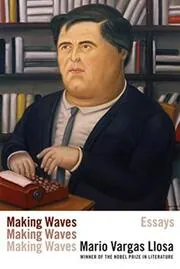
Making Waves
by Mario Vargas Llosa
1996
This wide-ranging essay collection follows Vargas Llosa's thinking on literature, politics, and culture across three decades. Big subjects sit beside odd, memorable details, making the book a lively map of his public mind.
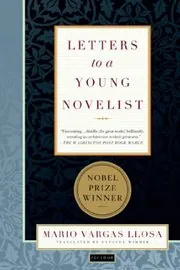
Letters to a Young Novelist
by Mario Vargas Llosa
1997
In a series of direct, compact letters, Vargas Llosa breaks down how fiction works, from voice and structure to time and space. It is practical, generous, and useful for readers as much as for aspiring writers.
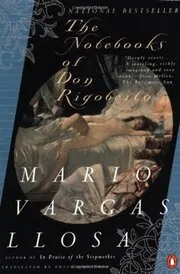
The Notebooks of Don Rigoberto
by Mario Vargas Llosa
1997
Separated from Lucrecia after a scandal, Don Rigoberto retreats into notebooks filled with memories, fantasies, and art. As Fonchito works his way back into both their lives, the novel blurs desire, performance, and what may only be imagined.
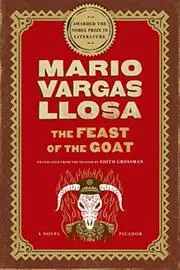
The Feast of the Goat
by Mario Vargas Llosa
2000
Urania Cabral returns to the Dominican Republic and is pulled back into the last days of Rafael Trujillo's dictatorship. The novel moves between victim, tyrant, and conspirators to show how terror seeps into private life.
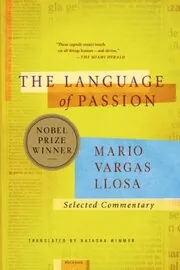
The Language of Passion
by Mario Vargas Llosa
2000
These essays gather Vargas Llosa's newspaper columns on books, politics, travel, and public life. They are energetic and wide-ranging, with the feel of a writer thinking in real time about the world around him.
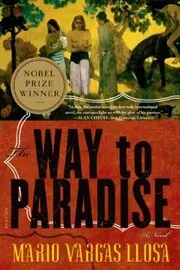
The Way to Paradise
by Mario Vargas Llosa
2003
Vargas Llosa pairs the lives of Flora Tristán and her grandson Paul Gauguin, two dreamers chasing different kinds of freedom. Their alternating stories become a rich novel about art, politics, obsession, and the cost of pursuing paradise.
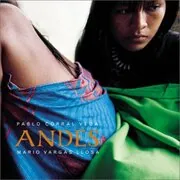
Andes
by Mario Vargas Llosa
2004
This illustrated volume pairs striking photographs of the Andes with Vargas Llosa's reflections on the mountains, their history, and the people shaped by them. It is part travel book, part visual meditation on a vast region.

Book Of Latin American Plays
by Mario Vargas Llosa
2004
This anthology features Vargas Llosa's La Chunga alongside plays by Egon Wolff and José Triana. Together they offer three sharp, very different takes on violence, gender, memory, and power in Latin American theater.
The Temptation of the Impossible
by Mario Vargas Llosa
2004
Using Les Misérables as his guide, Vargas Llosa reflects on Victor Hugo, narrative ambition, and why readers need large, unruly novels. It is criticism with a novelist's eye, attentive to both ideas and feeling.
The Bad Girl
by Mario Vargas Llosa
2006
Ricardo spends decades falling, again and again, for the same elusive woman as she reinvents herself across continents and identities. Their story is romantic, painful, and unsettling, with longing always tied to deception and reinvention.
Touchstones
by Mario Vargas Llosa
2007
This collection brings together Vargas Llosa's essays on novels, art, politics, and public argument. He moves from major twentieth-century fiction to contemporary events, showing the same curiosity, strong opinions, and close attention to form.
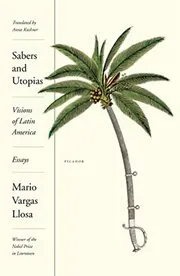
Sabers and Utopias
by Mario Vargas Llosa
2009
Here Vargas Llosa takes on Latin America's political dreams and disasters, from revolutions and dictatorships to populism and democratic ideals. The essays track his long argument with the region's history and the freedoms he thought worth defending.
In Praise of Reading and Fiction
by Mario Vargas Llosa
2010
This short volume presents Vargas Llosa's Nobel lecture, a passionate defense of reading as dissent, desire, and civic imagination. It is brief, personal, and a good window into what literature meant to him.
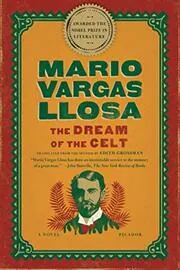
The Dream of the Celt
by Mario Vargas Llosa
2010
This historical novel follows Roger Casement from the Congo to the Amazon and finally to a British prison cell. Vargas Llosa traces the making of a witness, activist, and nationalist, while asking how public causes can consume a life.
Notes on the Death of Culture
by Mario Vargas Llosa
2012
Vargas Llosa argues that culture has been flattened into spectacle, entertainment, and noise. These essays are sharp, sometimes severe, and most interesting when they ask what public life loses when serious argument and art retreat.
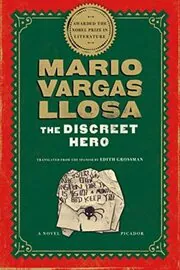
The Discreet Hero
by Mario Vargas Llosa
2013
A transport businessman in Piura refuses to bow to extortion, while an elderly Lima magnate shocks his family with an unexpected marriage plan. Their stories converge in a lively novel about dignity, revenge, and ordinary men pushing back.

The Children's Boat
by Mario Vargas Llosa
2015
A boy named Fonchito befriends an old man by the sea and listens to a haunting tale about a ship full of children. Vargas Llosa reshapes an old legend into a gentle, melancholy story about innocence, wonder, and loss.
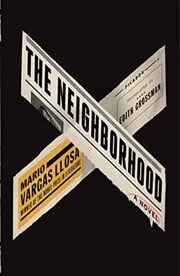
The Neighborhood
by Mario Vargas Llosa
2016
In Fujimori-era Lima, blackmail, tabloid scandal, and secret affairs draw two wealthy couples into a messy criminal web. What starts as social embarrassment quickly opens onto a darker picture of corruption, desire, and power.
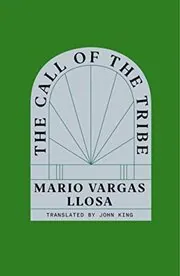
The Call of the Tribe
by Mario Vargas Llosa
2018
Part intellectual autobiography, part tour of liberal thought, this book follows the writers who helped reshape Vargas Llosa's politics. It is less about abstract theory than about how reading can alter a life.
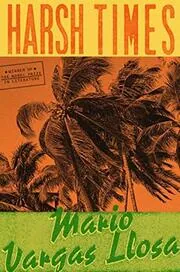
Harsh Times
by Mario Vargas Llosa
2021
Set around Guatemala's 1954 coup, this novel follows conspiracies, propaganda, and private lives caught inside Cold War politics. Vargas Llosa shows how lies manufactured at the top can reshape a whole country's fate.

Fonchito and The Moon
by Mario Vargas Llosa
2022
When the girl he adores asks him for the moon, young Fonchito has to answer an impossible demand with imagination and charm. It is a light, playful picture book about desire, language, and reaching beyond the obvious.
Where to start with Mario Vargas Llosa
If you want the essential early novels: The Time of the Hero → The Green House → Conversation in the Cathedral
If you want political and historical fiction: The Feast of the Goat → Harsh Times → The War of the End of the World
If you want something warmer and more personal: Aunt Julia and the Scriptwriter → The Bad Girl
If you want a shorter mystery-leaning entry: Who Killed Palomino Molero? → Death in the Andes
If you want memoir and literary reflection: A Fish in the Water → Letters to a Young Novelist → In Praise of Reading and Fiction
Mario Vargas Llosa collections, short stories, and related book types
Collections
Plays
Short Stories/Novellas
Non-Fiction
Standalone Mario Vargas Llosa books
Author bio
Mario Vargas Llosa was born on March 28, 1936, in Arequipa, Peru. His parents had separated before he was born, and he spent much of his early childhood with his mother and maternal grandparents in Cochabamba, Bolivia, and later in Piura, in northern Peru. He often said that learning to read at five was the great turning point of his life. That early mix of family upheaval, movement between countries, and intense reading never really left his work.
Books came first.
As a teenager, he was sent to the Leoncio Prado Military Academy in Lima, an experience that would later feed directly into The Time of the Hero. After that he studied law and literature at the National University of San Marcos, while also working in journalism. Those newspaper years mattered. They gave him a taste for argument, pace, and public life, and they helped shape the sharp, watchful way he looked at institutions, power, and everyday speech.
His early novels, especially The Time of the Hero, The Green House, and Conversation in the Cathedral, made him one of the key writers of the Latin American Boom. Readers still come to those books for their shifting points of view, their raw energy, and the way they turn Peru into more than a backdrop. In his fiction, the country is full of class tension, military discipline, sexual jealousy, political compromise, and people trying, often badly, to make themselves free.
He never stayed in one lane for long.
Over the decades he moved between comic fiction, historical novels, plays, essays, memoir, and newspaper columns. Aunt Julia and the Scriptwriter is funny, romantic, and wonderfully alert to the pleasures of making stories up. The Feast of the Goat gives a chilling picture of dictatorship and the damage it does inside private lives. The Bad Girl takes the shape of a love story, but it is also a novel about obsession, reinvention, and the cost of wanting someone who keeps slipping away.
He also kept reaching beyond Peru. The War of the End of the World heads to nineteenth-century Brazil and turns a real rebellion into a huge, tense historical novel. The Way to Paradise pairs the lives of Flora Tristán and Paul Gauguin. The Dream of the Celt follows Roger Casement through the Congo, the Amazon, and the final crisis of his life. Even when the setting changed, Vargas Llosa kept returning to the same pressure points: freedom and authority, public myths and private desires, the stories people tell, and the damage done by fanaticism.
Politics never sat far from the desk.
He broke with the Cuban Revolution in the 1970s, became an increasingly forceful public liberal, and in 1990 ran for president of Peru, losing to Alberto Fujimori. He later wrote about that campaign in A Fish in the Water, one of his most revealing books. Whether readers agreed with his politics or not, it was clear that he saw literature and civic debate as part of the same life. For decades he kept publishing essays and columns alongside the novels.
Recognition followed, including the Cervantes Prize in 1994 and the Nobel Prize in Literature in 2010. In his later years he spent much of his time in Spain and Peru, still lecturing, reading, and writing. He died in Lima on April 13, 2025, at the age of eighty-nine. What remains is a body of work that can be severe, playful, intimate, and fiercely alive to the mess of how people live together.



Edited by
Software engineer whose passion for tracking book recommendations from podcasts inspired the creation of MRB.
Lead investor at 3one4 Capital whose startup expertise and love for books helped shape MRB and its growth.
Comments
Did we miss something? Have feedback?
Help us improve this page by sharing your thoughts