
Mari Sandoz Books in Order
Mari Sandoz is a series of 22 books written by Mari Sandoz.
Here, you can see them all in order! (publication year included)
Last updated: 22 new books added
As an Amazon Associate, we earn from qualifying purchases (at no extra cost to you).
Mari Sandoz books in publication order
22 books
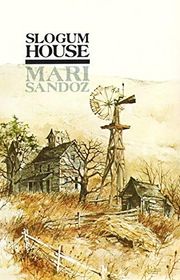
Slogum House
by Mari Sandoz
1937
Gulla Slogum rules a family determined to dominate its Nebraska surroundings through theft, intimidation, and manipulation. Using her children as instruments of revenge, she pursues land and influence, turning accumulated grievances into a campaign for power.
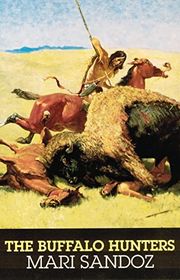
The Buffalo Hunters
by Mari Sandoz
1954
This history traces the destruction of the great buffalo herds as commercial hide hunters moved across the American West. Frontier personalities, military campaigns, violence, and perilous encounters form part of the story of a rapidly transformed landscape.

Winter Thunder
by Mari Sandoz
1954
A school bus overturns in a fierce blizzard, stranding a young teacher, seven pupils, and their teenage driver far from help. With little food and inadequate clothing, the group must face the cold while searching for a way to survive.

Old Jules Country
by Mari Sandoz
1955
Selections from Sandoz's major histories join essays and sketches to portray the High Plains and its inhabitants. The collection moves among Indigenous peoples, settlers, wildlife, and regional memory, bringing together different aspects of her long engagement with the West.
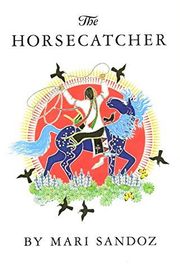
The Horsecatcher
by Mari Sandoz
1957
Young Elk is expected to become a warrior, but killing repels him and he longs to catch and tame wild horses. Earning the right to follow that path requires courage and a new understanding of his obligations to his community.
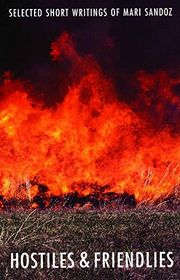
Hostiles and Friendlies
by Mari Sandoz
1959
Reminiscences, historical pieces, a novella, and short stories bring together Sandoz's writing about the Sandhills and its people. Autobiographical material and commentary connect her regional portraits with the experiences through which she developed as a writer.

The Cattlemen
by Mari Sandoz
1961
Sandoz traces the growth of the cattle industry across the American West, following the people and conflicts behind its expansion. Drawing on extensive research, she portrays a frontier economy shaped by ambition, hardship, competition, and powerful personalities.
These Were the Sioux
by Mari Sandoz
1961
Drawing on memories and knowledge of Sioux life, Sandoz explores the practices surrounding childhood, courtship, marriage, hunting, and warfare. The account presents a cultural world she first encountered through visitors to her family's Nebraska homestead.
The Story Catcher
by Mari Sandoz
1963
Young Lance observes the hunts, warfare, and daily life of his Sioux community and records them in pictures. Experience and hardship gradually teach him how to turn youthful artistic vision into the responsibility of preserving his people's story.

Love Song to the Plains
by Mari Sandoz
1966
This history of the Great Plains follows explorers, Indigenous communities, settlers, soldiers, cattlemen, and speculators across a changing region. Landscapes, legends, violence, and everyday endurance connect the successes and failures of people who made their lives there.

The Battle of Little Big Horn
by Mari Sandoz
1966
Sandoz examines the Battle of the Little Bighorn through the knowledge accumulated during her research into the American West. The account places Custer's final confrontation within a broader historical understanding of the people and conflict involved.

Sandhill Sundays and Other Recollections
by Mari Sandoz
1970
Autobiographical recollections revisit Sandoz's Nebraska childhood, her parents, neighbors, and the pleasures and dangers of frontier life. Stories of storms, animals, cooking, and community gatherings preserve a world shaped by both isolation and close human bonds.

Son of the Gamblin' Man
by Mari Sandoz
1976
A frontier promoter's family provides the setting for the youth of the future artist Robert Henri. Growing up amid violence and the hardships of settlement, a sensitive boy develops within a community driven by ambition and threatened by the land.

Miss Morissa
by Mari Sandoz
1980
Escaping a painful past, young doctor Morissa Kirk establishes a practice on the Nebraska frontier. Treating settlers and Indigenous patients earns growing acceptance, but the conflict between cattlemen and homesteaders draws her into struggles that threaten the region.

Capital City
by Mari Sandoz
1982
Working people caught in the Great Depression struggle against competing interests in a Great Plains capital. Political maneuvering, inequality, and the pursuit of wealth expose the pressures shaping public life as the country approaches another world war.

The Tom-Walker
by Mari Sandoz
1984
A Civil War veteran takes his family west and becomes a fierce defender of ordinary working people. Across three generations, recurring war injuries and economic hardship reveal how survival remains a struggle even after the soldiers return home.

Foal of Heaven
by Mari Sandoz
1991

Cheyenne Autumn
by Mari Sandoz
1992
A band of Cheyenne people leaves forced confinement in Indian Territory to return to its northern homeland. Their long journey becomes a struggle for survival as they face pursuit and the consequences of resisting the government's displacement policies.

Letters of Mari Sandoz
by Mari Sandoz
1992
Letters spanning nearly four decades reveal Sandoz's development as a writer and researcher. Correspondence with publishers, fellow writers, and others illuminates her working methods, personal hardships, social concerns, and sustained commitment to portraying the American West.

Crazy Horse
by Mari Sandoz
2004
Sandoz recounts the life of Oglala leader Crazy Horse, whose independence distinguished him within his own community. His military resistance to American expansion and eventual surrender form the center of a portrait ending in violent tragedy.
Old Jules
by Mari Sandoz
2005
Sandoz portrays her pioneer father through the stories and struggles of life in western Nebraska. Conflict with neighboring cattlemen, isolation, difficult marriages, and the demands of the land reveal both a formidable individual and the frontier society around him.

The Beaver Men
by Mari Sandoz
2014
Following more than two centuries of the beaver trade, this history traces trappers and traders from the St. Lawrence toward the western frontier. The account ends with the great rendezvous era, showing how commerce advanced across the continent.












Edited by
Software engineer whose passion for tracking book recommendations from podcasts inspired the creation of MRB.
Lead investor at 3one4 Capital whose startup expertise and love for books helped shape MRB and its growth.
Comments
Spotted a missing book, a wrong order or a mistake? Tell us and we'll fix this page.
We're a reading guide, not the author or publisher, so we can't send books or pass on messages.