
Margaret Mitchell Books in Order
Browse Margaret Mitchell’s books in order, with quick summaries of Gone with the Wind, her letters, early writings, and an easy place to start.
Last updated:
As an Amazon Associate, we earn from qualifying purchases (at no extra cost to you).
Margaret Mitchell books in publication order
7 books
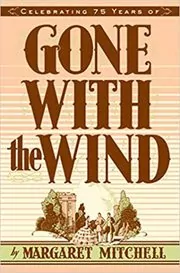
Gone With the Wind
by Margaret Mitchell
1936
Following Scarlett O'Hara through war, loss, hunger, and social upheaval, this sweeping novel traces one woman's fierce will to survive, and the tangled pull of love, in Georgia during the Civil War and Reconstruction.
Recommended by
1 person Winston Churchill recommended this book
Winston Churchill
One of Winston Churchill's favorite books.
Winston Churchill's recommendation of this book
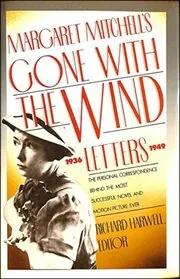
Gone with the Wind Letters
by Margaret Mitchell
1987
This collection of Mitchell's letters from 1936 to 1949 shows how she handled sudden fame, endless mail, and the film adaptation of her novel. It offers a witty, revealing look at the woman behind Gone with the Wind.
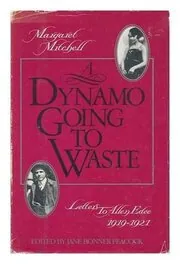
Dynamo Going to Waste
by Margaret Mitchell
1989
These letters to Allen Edee catch Mitchell in her late teens, after her mother's death, as she juggles family duty, grief, and restless ambition. They offer an intimate look at her voice long before literary fame arrived.
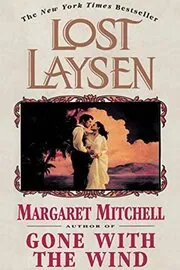
Lost Laysen
by Margaret Mitchell
1996
Written when Mitchell was a teenager, this novella follows strong-willed Courtenay Ross and the men drawn to her on a South Pacific island. It already hints at the emotional triangles and headstrong heroines that would later mark her best-known work.

Before Scarlett
by Margaret Mitchell
2000
This volume gathers Mitchell's childhood and teen writing, including journals, stories, and plays. It shows her early imagination, stubborn streak, and the Atlanta world that helped shape her later work.

Margaret Mitchell, Reporter
by Margaret Mitchell
2000
This collection brings together Mitchell's newspaper pieces from the 1920s, from profiles and features to book reviews. It shows her sharp eye for character, her humor, and the working reporter behind the later novelist.

I Want to Be Famous
by Margaret Mitchell
2002
This collection presents Mitchell's early journals, letters, stories, and one-act plays, written long before fame found her. It's a lively look at a young writer already testing voices, adventures, and a striking sense of ambition.
Where to start with Margaret Mitchell
If you want the essential Margaret Mitchell book: Gone with the Wind
If you want her early fiction and youthful writing: Lost Laysen → Before Scarlett → I Want to Be Famous
If you want Margaret Mitchell in her own voice: Dynamo Going to Waste → Gone with the Wind Letters
If you want the reporter before the novelist: Margaret Mitchell, Reporter
Margaret Mitchell collections, short stories, and related book types
Collections
Non-Fiction
Standalone Margaret Mitchell books
Author bio
Margaret Mitchell was born in Atlanta in 1900, and Atlanta shaped nearly every part of her writing life. Her father was a lawyer with a strong interest in local history, and her mother pushed the idea that education mattered, especially for women. At home, Mitchell grew up hearing stories about the Civil War and Reconstruction from relatives and older Atlantans who remembered that world firsthand.
She started writing young.
As a child she made up stories, plays, and little handmade books. At Washington Seminary she worked on the yearbook, acted in drama productions, and kept filling notebooks with fiction. In 1918 she went to Smith College in Massachusetts, but the influenza epidemic disrupted the school year, and then her mother died in early 1919. Mitchell returned to Atlanta to help run the household and never went back to finish college. That abrupt shift, from student life to family duty, stayed with her.
Journalism taught her to notice people.
In the 1920s she found another road into writing through journalism. Using the name Peggy Mitchell, she wrote for the Atlanta Journal Sunday Magazine, producing profiles, feature stories, book reviews, and occasional hard news. Over four years she published more than a hundred pieces, and the work sharpened the skills readers still notice in her books: quick character sketches, sharp dialogue, curiosity about class and manners, and a strong feel for how a city sounds.
An ankle injury ended that newspaper run and kept her at home with her second husband, John Marsh. In 1926, bored and cooped up, she began the novel that changed her life. She wrote much of Gone with the Wind in a small Atlanta apartment the couple called the Dump, working out of order, saving chapters in envelopes, and revising for years before the book appeared in 1936.
The success was immediate. Gone with the Wind won the Pulitzer Prize in 1937, and the 1939 film adaptation carried the story even further. Readers still come to the book for Scarlett O'Hara, Rhett Butler, and the sweep of love, war, hunger, and survival in Georgia during the Civil War and Reconstruction. Many also respond to Scarlett's sheer nerve, because Mitchell had a clear eye for stubborn people who keep going after the world they know has fallen apart.
That said, the novel has never been just a simple classic. It remains widely read and widely argued over, especially for the way it treats slavery and the myths of the Old South. That tension is part of Mitchell's legacy too. Mitchell published only one novel during her lifetime, but the later books tied to her name show how much else she wrote. Lost Laysen preserves a teenage South Pacific romance. Margaret Mitchell, Reporter brings back her newspaper work, while Dynamo Going to Waste and Gone with the Wind Letters reveal a funny, observant, sometimes guarded voice in private correspondence. Collections like Before Scarlett and I Want to Be Famous let readers meet the ambitious girl who was already testing stories, scenes, and big feelings long before fame arrived.
She never seemed completely comfortable with celebrity. After the novel took off, much of her time went into answering readers, managing the business around the book, and, during World War II, helping with Red Cross fundraising and other war work. She died in Atlanta in 1949 after being struck by a car. She was forty-eight.
Her published shelf is small. Her afterlife as a writer is anything but.







Edited by
Software engineer whose passion for tracking book recommendations from podcasts inspired the creation of MRB.
Lead investor at 3one4 Capital whose startup expertise and love for books helped shape MRB and its growth.
Comments
Did we miss something? Have feedback?
Help us improve this page by sharing your thoughts