
Margaret Laurence Books in Order
This page shows Margaret Laurence’s books in order, with Manawaka reading order, short summaries, and help choosing where to start.
Last updated:
As an Amazon Associate, we earn from qualifying purchases (at no extra cost to you).
Margaret Laurence books in publication order
22 books

A Tree for Poverty
by Margaret Laurence
1954
Laurence’s first book collects Somali poems, songs, stories, and prose that she translated and gathered while living in Africa. It opens a window onto oral tradition and shows the curiosity that shaped her later work.
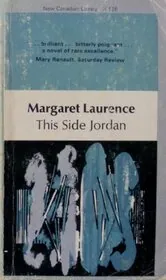
This Side Jordan
by Margaret Laurence
1960
Set in Ghana during a time of political and social change, the novel follows schoolteacher Nathaniel Amegbe as he struggles with pride, ambition, and self-doubt. Laurence uses his story to show a society shifting under everyone’s feet.

New Wind in a Dry Land
by Margaret Laurence
1963
This is the American edition of Laurence’s Somaliland memoir, later known as The Prophet’s Camel Bell. She writes about desert life, cultural distance, and the limits of outsider understanding with honesty and sharp observation.
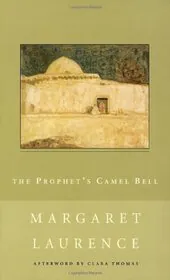
The Prophet's Camel Bell
by Margaret Laurence
1963
In this memoir of British Somaliland, Laurence writes about desert travel, daily life, and the uneasy realities of colonial rule. It is part travel book, part self-examination, and full of close attention to the people around her.
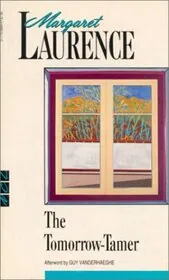
The Tomorrow-Tamer
by Margaret Laurence
1963
These West African stories follow teachers, officials, families, and children caught in moments of change. Laurence keeps the stakes human and local, showing how power, faith, and ordinary longing meet in everyday life.
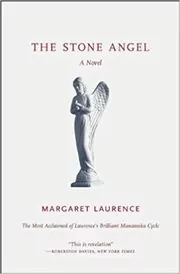
The Stone Angel
by Margaret Laurence
1964
At ninety, Hagar Shipley looks back on a hard, proud life in and beyond Manawaka while resisting the loss of her independence. Laurence turns memory, family conflict, and old age into something fierce and intimate.
Recommended by
1 person Jordan Peterson recommended this book
Jordan Peterson
Recommended on Jordan Peterson's website.
Jordan Peterson's recommendation of this book
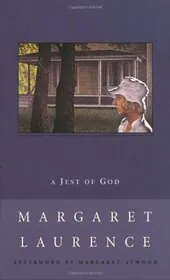
A Jest of God
by Margaret Laurence
1966
Rachel Cameron is a thirty-four-year-old schoolteacher in Manawaka, hemmed in by routine and her demanding mother. A summer affair unsettles her careful life and forces her to face loneliness, desire, and the possibility of change.
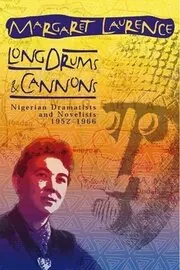
Long Drums and Cannons
by Margaret Laurence
1968
Laurence surveys Nigerian novelists and playwrights writing in English during years of major change. It is a lively critical study, shaped by her deep interest in African literature and the pressures of history on art.
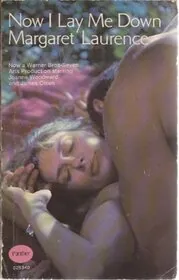
Now I Lay Me Down
by Margaret Laurence
1968
This is the Panther edition of A Jest of God. Rachel Cameron, a lonely Manawaka schoolteacher, is jolted out of routine by a brief affair that makes her confront fear, desire, and the shape of the life she has accepted.
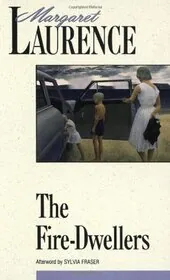
The Fire-Dwellers
by Margaret Laurence
1969
Stacey MacAindra, a mother of four living in Vancouver, feels trapped between domestic routine and private panic. As small crises pile up, she searches for some steadier way to live inside fear, marriage, and modern city life.
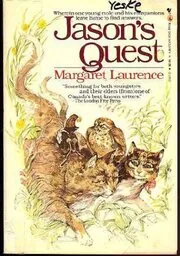
Jason's Quest
by Margaret Laurence
1970
Jason, a young mole, sets out to find the cause and cure of a strange sickness spreading through Molanium. It is an unusual children’s fantasy, warm, inventive, and driven by curiosity, courage, and underground adventure.
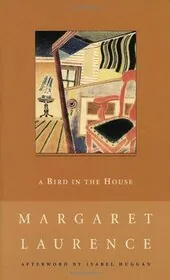
A Bird in the House
by Margaret Laurence
1974
In these linked stories, Vanessa MacLeod remembers growing up in Manawaka and learning how family love, grief, religion, and class shape a life. It reads like a novel in pieces, intimate, sharp-eyed, and quietly devastating.
The Diviners
by Margaret Laurence
1974
Writer Morag Gunn looks back on her prairie childhood, her loves, and the stories that made her. It is a big, searching novel about memory, identity, art, and the difficult work of claiming your own voice.
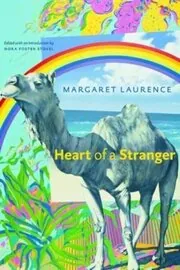
Heart of a Stranger
by Margaret Laurence
1976
This essay collection brings together Laurence’s personal and public voice in pieces about travel, writing, politics, censorship, and belonging. The essays feel conversational, but they keep pressing at larger questions about home and responsibility.
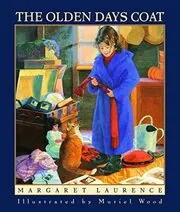
The Olden Days Coat
by Margaret Laurence
1979
When Sal discovers her grandmother’s old coat, Christmas opens into memory, story, and a brush with the past. It is a short children’s tale about grief, family, and the comfort that tradition can carry.
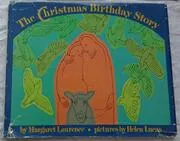
Christmas Birthday Story
by Margaret Laurence
1980
Laurence retells the Nativity for young readers in clear, direct language. It follows the birth of Jesus and the visit of the three kings, aiming for warmth, wonder, and a sense of the story’s human scale.
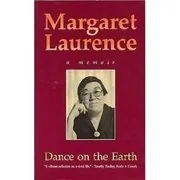
Dance on the Earth
by Margaret Laurence
1989
In this posthumous memoir, Laurence writes about her life, her work, and the women who shaped her. The book mixes remembrance with letters, speeches, and reflections on writing, family, and the causes she cared about.
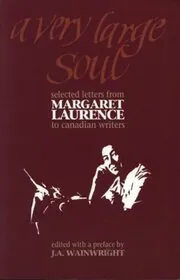
A Very Large Soul
by Margaret Laurence
1995
This collection of letters to fellow Canadian writers shows Laurence at work on the page and in literary friendship. The letters are candid, funny, worried, generous, and full of practical talk about writing and publishing.

Embryo Words
by Margaret Laurence
1997
This posthumous collection gathers Laurence’s early poems and stories from her school and college years. You can already see the beginnings of the concerns that would later define her fiction, memory, place, loss, and voice.
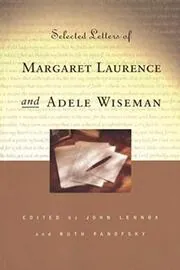
Selected Letters of Margaret Laurence and Adele Wiseman
by Margaret Laurence
1997
These letters trace a long friendship between two writers who read, encouraged, and challenged each other over decades. The collection offers a close look at Laurence’s daily life, literary doubts, and working habits.
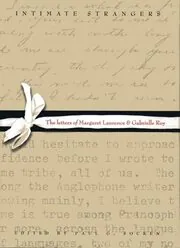
Intimate Strangers
by Margaret Laurence
2004
This volume gathers the letters between Margaret Laurence and Gabrielle Roy, two major Canadian writers who were close at a distance. Their correspondence is affectionate, thoughtful, and revealing about art, reading, and solitude.

Recognition and Revelation
by Margaret Laurence
2020
This collection brings together Laurence’s short nonfiction, including essays, reviews, addresses, and occasional pieces. It shows how widely she thought and how directly she wrote about literature, Canada, politics, and the writer’s job.
Where to start with Margaret Laurence
If you want the classic starting point: The Stone Angel → A Jest of God → The Diviners
If you want the full Manawaka journey: The Stone Angel → A Jest of God → The Fire-Dwellers → A Bird in the House → The Diviners
If you want her Africa writing first: This Side Jordan → The Tomorrow-Tamer → The Prophet's Camel Bell
If you prefer memoir and essays: Heart of a Stranger → Dance on the Earth
Margaret Laurence sub-series and character series
Margaret Laurence collections, short stories, and related book types
Non-Fiction
Collections
Standalone Margaret Laurence books
Author bio
Margaret Laurence was born Jean Margaret Wemyss on July 18, 1926, in Neepawa, Manitoba, and she grew up in the prairie town that would later become the model for Manawaka. Childhood loss marked her early life. Her mother died when she was four, her father died when she was nine, and she was then raised in her grandfather’s brick house by her stepmother, Margaret Simpson, who had first come to care for her.
She knew early that writing mattered to her.
As a girl she wrote stories, and in 1943 she got a first taste of newspaper work at the Neepawa Press. She went on to study English at United College in Winnipeg, where she worked on the college paper, Vox. After graduating in 1947, she joined the Winnipeg Citizen as a reporter and married John Fergus Laurence that same year.
That marriage took her far from Manitoba. After time in England, she lived in British Somaliland and then Ghana during the 1950s while her husband worked as an engineer. Africa pushed her toward serious writing. She translated Somali poetry and prose for A Tree for Poverty, wrote the Ghana-set novel This Side Jordan, and produced the stories later collected in The Tomorrow-Tamer.
Distance gave her a new way to see home.
After separating from her husband, Laurence moved to England with her two children, and it was there that her best-known Canadian fiction took shape. In a cottage in Buckinghamshire she wrote The Stone Angel, A Jest of God, The Fire-Dwellers, A Bird in the House, and finally The Diviners. These books are linked by Manawaka, her fictional prairie town, but each stands on its own.
Readers often come to Laurence for her women characters and stay for the emotional honesty. Hagar Shipley in The Stone Angel is proud, difficult, and unforgettable. Rachel Cameron in A Jest of God and Morag Gunn in The Diviners feel very different in age and circumstance, but they share Laurence’s interest in what happens when private longing crashes into family duty, religion, memory, and the hard voice of the small town.
Even when her characters leave Manitoba, the place stays with them. That is one of her recurring themes. So are mothers and daughters, class, shame, endurance, and the struggle to speak plainly about a life that has not gone the way you once imagined.
She won the Governor General’s Award for A Jest of God and later for The Diviners, and she was made a Companion of the Order of Canada in 1971. By the early 1970s she was back in Canada, living in Lakefield, Ontario, and serving at different times as a writer in residence and, later, chancellor of Trent University. She also spoke out on censorship, peace, environmental protection, and the equality of women.
Her later books show that public side of her more directly. Heart of a Stranger gathers essays about writing, politics, travel, and belonging. Dance on the Earth, published after her death, is a memoir that looks closely at family, work, and the women who steadied her.
Laurence died in Lakefield in 1987, after a lung cancer diagnosis. But her work still feels close at hand. The people in her books argue, remember, misjudge one another, love badly, and keep going, which is probably why they still seem like people you might know.






Edited by
Software engineer whose passion for tracking book recommendations from podcasts inspired the creation of MRB.
Lead investor at 3one4 Capital whose startup expertise and love for books helped shape MRB and its growth.
Comments
Did we miss something? Have feedback?
Help us improve this page by sharing your thoughts