
Mackinlay Kantor Books in Order
Browse Mackinlay Kantor books in order, with short summaries, Civil War favorites, series background, and quick help on where to start.
Last updated:
As an Amazon Associate, we earn from qualifying purchases (at no extra cost to you).
Mackinlay Kantor books in publication order
41 books
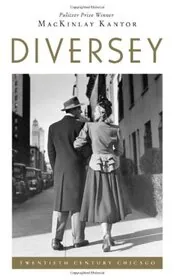
Diversey
by Mackinlay Kantor
1928
Young reporter Marry Javlyn leaves Iowa for 1920s Chicago and gets pulled into love, politics, speakeasies, and gangland violence. Kantor's debut doubles as a newsroom story and a sharp portrait of Prohibition-era city life.
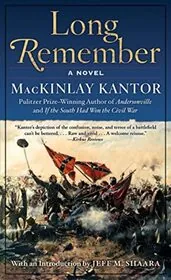
Long Remember
by Mackinlay Kantor
1934
Kantor's early Civil War novel follows soldiers and civilians swept into the Battle of Gettysburg. Instead of one hero, it builds a broad picture of fear, confusion, and endurance across three decisive days.
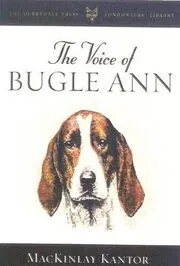
The Voice of Bugle Ann
by Mackinlay Kantor
1935
In the Missouri hills, old hunter Spring Davis loves his hound Bugle Ann like kin. When he believes a sheepman killed her, the shooting that follows tears through two families and a young romance.
Turkey in the Straw
by Mackinlay Kantor
1935
This collection gathers Kantor's ballads and rustic verse in a folksy American key. The pieces draw on frontier talk, rural humor, and old-song rhythms, showing the storyteller side of his work.
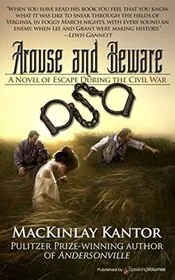
Arouse and Beware
by Mackinlay Kantor
1936
Two Union soldiers escape the Confederate prison at Belle Isle in 1864 and head north through enemy country. When a woman fleeing Richmond joins them, the journey turns into a tense Civil War chase.
The Romance of Rosy Ridge
by Mackinlay Kantor
1937
Set in Missouri after the Civil War, this novel follows a community still split by old loyalties and suspicion. A stranger's arrival, and the feelings he stirs in one family, force buried wounds back into the open.

Here Lies Holly Springs
by Mackinlay Kantor
1938
In this brief Midwestern tale, a mysterious drummer boy rides into Plattville saying he has been ordered to beat the long roll. Kantor turns the strange visit into a compact story of rumor, memory, and unease.
The Noise of Their Wings
by Mackinlay Kantor
1938
A wealthy bird lover offers a fortune for proof that passenger pigeons still exist, and the hunt sets people scrambling. What begins as a quest for wonder turns darker as money, obsession, and loss take over.
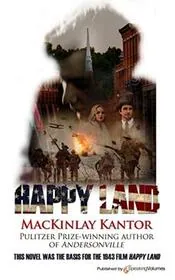
Happy Land
by Mackinlay Kantor
1942
In a small Iowa town, a father broken by his son's death in naval action is visited by the ghost of his own father. Through memory and family stories, Kantor turns grief into a tender portrait of ordinary American life.
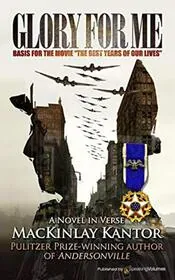
Glory for Me
by Mackinlay Kantor
1945
Written in blank verse, this novel follows three servicemen coming home after World War II and trying to fit back into civilian life. Their friendships, marriages, and private wounds make it a clear-eyed homecoming story.
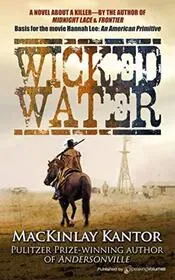
Wicked Water
by Mackinlay Kantor
1948
In 1890s cattle country near Denver, hired killer Bus Crow is paid to wage a dirty range war against small settlers. Then he meets Mattie, and compassion begins to tug against the violence that has defined him.
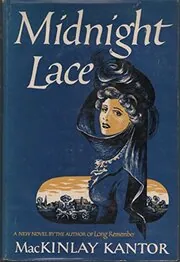
Midnight Lace
by Mackinlay Kantor
1949
When Dolly Hessian arrives in small-town Iowa in 1911, beauty and ambition quickly become a dangerous mix. Her bid to shape Ben Steele's future, and outmaneuver the powerful men around her, turns into a tense social drama.
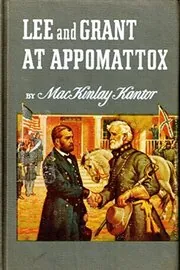
Lee and Grant At Appomattox
by Mackinlay Kantor
1950
For younger readers, Kantor recreates the last days of the Civil War and the surrender at Appomattox. He gives both generals human weight and shows why the terms of peace mattered beyond the battlefield.

One wild Oat
by Mackinlay Kantor
1950
A bored bank employee and his equally restless wife drift toward temptation as small-town routines start to feel unbearable. Kantor watches their longings and missteps with a sharp eye for postwar dissatisfaction.
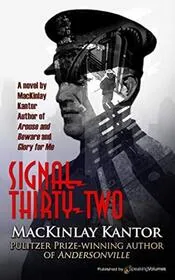
Signal Thirty-Two
by Mackinlay Kantor
1950
Set in New York City's Twenty-Third Precinct, this police novel follows patrolmen moving between penthouses and slums. Kantor uses their cases and home lives to show the strain, danger, and humanity of the job.
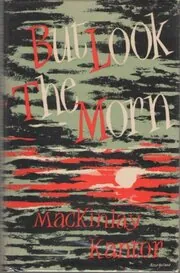
But Look, the Morn
by Mackinlay Kantor
1951
This memoir looks back on Kantor's Webster City childhood with unusual candor. Poverty, his father's absence, and the rough edges of growing up are all here, alongside the people and places that first made him a writer.
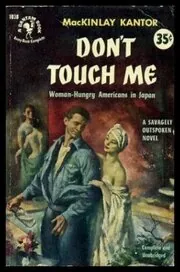
Don't Touch Me
by Mackinlay Kantor
1952
Set in and around postwar Japan, this novel brings together American servicemen, their wives, and the women orbiting military life. Kantor uses romance and resentment to explore desire, loneliness, and war's aftershocks.
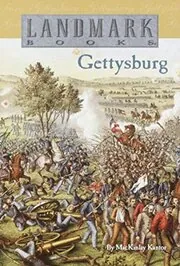
Gettysburg
by Mackinlay Kantor
1952
Written for younger readers, this book walks through the Battle of Gettysburg step by step. Kantor mixes generals, townspeople, and battlefield movement to show why the clash mattered so much in the Civil War.
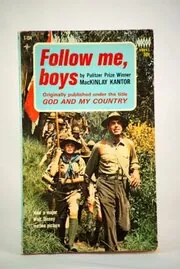
Follow Me, Boys!
by Mackinlay Kantor
1954
This later version returns to Lem Siddons, the man who settles in a small town and shapes generations of boys through Scouting. It is friendly, big-hearted small-town Americana built around one life of service.

God and My Country
by Mackinlay Kantor
1954
Lem Siddons comes to a small Iowa town almost by accident and ends up giving decades of himself to its Boy Scouts. It's a warm, quietly moving novel about service, community, and the lives one steady man can change.

Andersonville
by Mackinlay Kantor
1955
Kantor's Pulitzer Prize winner plunges into the Confederate prison camp at Andersonville and the lives around it. Through prisoners, guards, and nearby civilians, it shows how cruelty, endurance, faith, and fear coexist.

Lobo
by Mackinlay Kantor
1957
This affectionate nonfiction portrait tells how Lobo, a Basque shepherd dog, came into the Kantor household and became part of the family. Travel, temperament, and loyalty give the little book both humor and feeling.
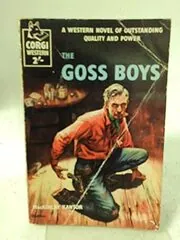
The Goss Boys
by Mackinlay Kantor
1958
This frontier tale follows the Goss boys as family loyalty and outlaw trouble pull them toward violence. Kantor keeps one eye on the hardships of starting over and the other on the damage young pride can do.
Frontier
by Mackinlay Kantor
1959
This collection gathers frontier tales about scouts, settlers, soldiers, and collisions at the edge of American expansion. Kantor writes the West and borderlands as places of danger, movement, and hard choices.
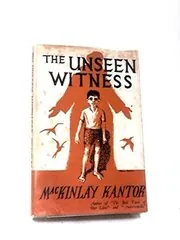
The unseen witness
by Mackinlay Kantor
1959
A crime story built around a witness no one notices until the truth begins to shift. Kantor draws suspense from hidden knowledge, fear, and the difference between what people think they saw and what actually happened.

It's About Crime
by Mackinlay Kantor
1960
This collection of crime stories follows thieves, killers, cops, and unlucky bystanders through tense, fast-moving situations. It shows Kantor's background in pulp and police fiction, with a strong feel for pressure and motive.

Spirit Lake
by Mackinlay Kantor
1961
Set on the Iowa frontier in the 1850s, this large novel follows settlers, Native people, and wanderers as tension builds toward violence around Spirit Lake. Kantor treats the frontier as crowded, hopeful, and deeply dangerous.

The Guntoter and Other Stories of the Missouri Hills
by Mackinlay Kantor
1963
These stories return to the Missouri hills that fed much of Kantor's fiction. Hunters, farmers, drifters, and hardheaded families fill the pages, along with the speech, humor, and violence of the region.
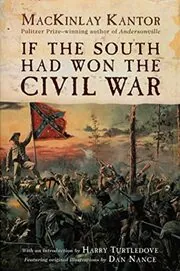
If the South Had Won the Civil War
by Mackinlay Kantor
1965
In this famous alternate history, Kantor imagines the Confederacy winning the Civil War and traces the shock waves that follow. It's less a battlefield tale than a speculative look at how America might have split apart.

Story Teller
by Mackinlay Kantor
1967
This large collection brings together stories and reflective pieces from across Kantor's magazine career. It shows the range of his interests, from crime and war to small-town memory and offbeat human comedy.

The Day I Met a Lion
by Mackinlay Kantor
1968
This nonfiction collection gathers essays and memoir pieces from across Kantor's career. Travel, animals, war memories, and literary reflections all appear, giving a looser and more personal side of his voice.
Angleworms on Toast
by Mackinlay Kantor
1969
Once there was a boy named Thomas, and he has a distressing habit of giving adults the same nasty answer. This children's book turns his stubborn mischief into a brisk, funny cautionary tale.
Beauty Beast
by Mackinlay Kantor
1969
Set in the slaveholding South, this novel centers on a white woman's obsessive desire for a young enslaved man. Kantor builds the story around power, taboo, and the violence baked into the society around them.
Missouri Bittersweet
by Mackinlay Kantor
1969
Kantor and his wife wander Missouri in this chatty memoir of roads, towns, legends, meals, and arguments. Part travel book and part personal notebook, it captures the state through stories, history, and strong opinions.
Hamilton County
by Mackinlay Kantor
1970
Using Hamilton County in Iowa as a starting point, Kantor and his son Tim roam through other Hamilton counties around America. The result is a nostalgic, wide-ranging portrait of place and the people who fill it.

I Love You, Irene
by Mackinlay Kantor
1972
Part novel and part memoir, this late book draws on Kantor's long marriage to Irene Layne Kantor. It reflects on love, memory, quarrels, and companionship with the intimacy of a writer looking back.
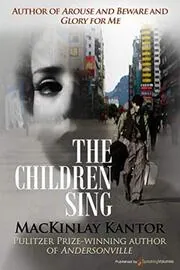
The Children Sing
by Mackinlay Kantor
1973
A tour group moving through East Asia becomes the stage for clashing marriages, buried prejudice, and uneasy self-discovery. Kantor turns the journey from Bangkok to Japan into a crowded, restless novel about what travel reveals.

Valley Forge
by Mackinlay Kantor
1975
Kantor turns the winter at Valley Forge into a human story of soldiers, camp families, and leaders like Washington. The novel looks past the legend to the hunger, endurance, and hope that kept the Revolution alive.

Gentle Annie
by Mackinlay Kantor
1980
After the Civil War, Annie Goss heads west with her sons and tries to make a decent life from almost nothing. But the boys are drawn toward outlaw shortcuts, and Annie's fierce love cannot keep danger away forever.
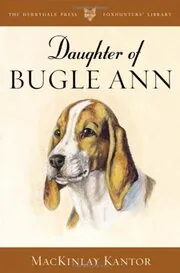
Daughter of Bugle Ann
by Mackinlay Kantor
2003
Years after the first feud, Little Lady, Bugle Ann's daughter, stirs old feelings in the Missouri hills. The sequel returns to Benjy Davis and Camden Terry as dog, memory, and stubborn pride draw them back together.
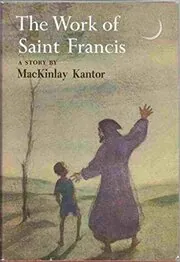
The Works Of Saint Francis
by Mackinlay Kantor
2020
This short life of Saint Francis of Assisi is written for younger readers. Kantor focuses on the wealthy young man who chose poverty, compassion, and service, telling the story in clear, direct language.
Where to start with Mackinlay Kantor
For Civil War fiction: Long Remember → Andersonville → If the South Had Won the Civil War
For small-town Midwest stories: The Voice of Bugle Ann → Happy Land → God and My Country
For postwar emotion: Glory for Me → Don't Touch Me
For frontier history: Spirit Lake → Valley Forge
For younger readers: Lee and Grant At Appomattox → Gettysburg
Mackinlay Kantor sub-series and character series
Mackinlay Kantor collections, short stories, and related book types
Short Story Collections
Non-Fiction
Standalone Mackinlay Kantor books
Author bio
Mackinlay Kantor was born Benjamin McKinlay Kantor in Webster City, Iowa, on February 4, 1904. He grew up there with his mother, Effie, who worked in journalism and at one point edited the Webster City Daily News. Money was often tight, and his father was largely absent. That mix of small-town closeness and family strain stayed in his fiction for the rest of his life.
Iowa never really left him.
Kantor started writing young and was working as a reporter in Webster City while still in his teens. Newspaper work taught him to notice how people actually talked, how local politics worked, and how quickly a story could turn on one detail. In the 1920s he moved on to freelance writing and then to Chicago, where he turned city life into his first novel, Diversey, a book of reporters, gangsters, and Prohibition-era ambition.
He was a fast worker, but he was also a serious researcher.
As a boy, he had listened to Civil War veterans and collected first-hand accounts, and that old fascination grew into some of his strongest books. Long Remember took on Gettysburg. Andersonville went inside the Confederate prison camp in Georgia and won the Pulitzer Prize for Fiction in 1956. Later he returned to the American past in books like Spirit Lake, about frontier Iowa, and If the South Had Won the Civil War, a sharp alternate history that asked readers to imagine a different country.
War shaped him in another way too. During World War II he worked in London as a correspondent for a Los Angeles newspaper and flew on bombing missions over Europe. He even learned to operate bomber turret guns, though he was not enlisted aircrew. The experience left marks. You can feel them in Glory for Me, his blank-verse novel about veterans trying to come home, which later became the basis for The Best Years of Our Lives.
Not everything he wrote was large or solemn.
Kantor also had a feel for smaller American stories, the kind built out of dogs, scouts, gossip, weather, and stubborn family pride. Readers who come to him through The Voice of Bugle Ann or God and My Country meet a writer who could be tender without becoming sugary. He also wrote crime fiction and police stories, and after spending long hours observing the New York Police Department he turned that material into Signal Thirty-Two.
His range was wide, but his interests were pretty steady. He cared about ordinary people caught in pressure, whether that pressure came from war, history, class, violence, or the demands of a town that never forgets anything. He liked the Midwest, the Civil War, hard moral choices, and the way public events seep into kitchens, porches, and back roads. Even in his biggest books, the details that linger are often personal ones.
He married Florence Irene Layne, and the two had a long marriage and a family together. In his later years he spent much of his time in Florida, especially Sarasota, though his books kept circling back to Iowa and Missouri. He died in Sarasota on October 11, 1977.
That back-and-forth tells you a lot about him. He could travel widely, report from war, imagine great national crises, and still return to the speech and memory of the places where he started.








Edited by
Software engineer whose passion for tracking book recommendations from podcasts inspired the creation of MRB.
Lead investor at 3one4 Capital whose startup expertise and love for books helped shape MRB and its growth.
Comments
Did we miss something? Have feedback?
Help us improve this page by sharing your thoughts