
MacArthur Bible Studies Books in Order
Part ofJohn F. MacArthur Jr. Books in OrderExplore the MacArthur Bible Studies books by John MacArthur, with summaries and an ordered guide to studies of biblical passages, people and Christian living.
Last updated: 127 new books added
As an Amazon Associate, we earn from qualifying purchases (at no extra cost to you).
MacArthur Bible Studies books in publication order
127 books

Found: God’s Will
by John F. MacArthur Jr.
1972
John MacArthur addresses common questions about finding direction and making decisions as a Christian. He sets out six principles drawn from his reading of Scripture, aiming to connect an understanding of God’s will with everyday choices and purpose.
Overcoming Materialism
by John F. MacArthur Jr.
1980
MacArthur examines Jesus’s teaching about possessions, necessities, and anxiety in Matthew 6. Addressing both the temptation to trust wealth and the fear of lacking enough, the study considers how Christian priorities can shift toward confidence in God’s provision.

1 Corinthians
by John F. MacArthur Jr.
1984
John MacArthur guides readers through Paul’s first letter to the Corinthians, examining conflicts within the church and their implications for Christian conduct. Commentary, contextual observations and study questions connect its teaching with contemporary congregational and personal concerns.

God's Plan For Giving
by John F. MacArthur Jr.
1985
MacArthur explores the relationship between money, worship, and Christian generosity. Drawing on biblical teaching about giving and possessions, he examines why believers give, how tithing fits into the discussion, and what makes generosity thoughtful rather than merely routine.
On Divorce
by John F. MacArthur Jr.
1985
Perfect Love
by John F. MacArthur Jr.
1985
This study examines Paul’s teaching on love in 1 Corinthians 13:1–7. MacArthur focuses on the passage’s account of Christian love, inviting readers to consider its meaning and its place in the life and relationships of a believer.
Spiritual Gifts
by John F. MacArthur Jr.
1985
MacArthur studies spiritual gifts through 1 Corinthians 12, examining their source, purpose, and role in the church. He considers how believers’ different gifts serve one another and contribute to the health and growth of the Christian community.

The Consequences of Sin
by John F. MacArthur Jr.
1985

The Master's Men
by John F. MacArthur Jr.
1985
Drawing on Matthew 10:1–4, MacArthur examines the men Jesus chose as disciples and the beginning of their mission. The study considers their identities, their commissioning, and the impact of their service as a way to explore Christian leadership.

The Parables Of The Kingdom
by John F. MacArthur Jr.
1985
MacArthur explores the parables of Matthew 13 as Jesus’s teaching about the kingdom of heaven. The study examines what the kingdom means, how people respond to it, and how its promises and warnings shape Christian life in the present.
The Supernatural Power of Jesus
by John F. MacArthur Jr.
1985

Comfort for Troubled Hearts
by John F. MacArthur Jr.
1986
MacArthur considers the comfort Jesus offered His disciples as His departure approached and their hopes began to unravel. The study explores His promises and care for His followers, connecting their uncertainty with the fears and grief believers face today.
Confession of Sin
by John F. MacArthur Jr.
1986
Using John’s teaching about Christ, sin, and God, MacArthur examines the believer’s need for confession. He explores how recognizing sin, seeking mercy, and receiving forgiveness relate to an honest understanding of Christian life and fellowship with God.
Ephesians
by John F. MacArthur Jr.
1986
John MacArthur examines Paul’s letter to the Ephesians passage by passage, explaining its warnings against spiritual complacency. Commentary, background, and reflection questions explore Christian identity, conduct, prayer, and the spiritual resources Paul urges believers to use.

Exposing False Spiritual Leaders
by John F. MacArthur Jr.
1986
MacArthur examines Jesus’s confrontation with false religious leaders in Matthew 23. The study considers their characteristics, His condemnation of their conduct, and His final words to Israel, encouraging readers to distinguish outward religious authority from faithful spiritual leadership.

Guidelines for Singleness and Marriage
by John F. MacArthur Jr.
1986
MacArthur examines biblical teaching on marriage, singleness, divorce, and sexual responsibility through 1 Corinthians. The study addresses difficult relationship decisions and conflicting advice, directing readers toward the standards he believes provide a faithful basis for personal choices and contentment.
Liberty in Christ
by John F. MacArthur Jr.
1986

Love Not the World
by John F. MacArthur Jr.
1986
Love's Humility
by John F. MacArthur Jr.
1986
Paul on Trial
by John F. MacArthur Jr.
1986
This study follows Paul’s defenses before Felix, Festus, and Agrippa in Acts 24–26. MacArthur examines how Paul used imprisonment, accusations, and official questioning as opportunities to bear witness, presenting his conduct as an example of faith under pressure.

Resurrection and the Life
by John F. MacArthur Jr.
1986
MacArthur examines the raising of Lazarus in John 11 and Jesus’s declaration of power over death. The study explores what this miracle reveals about Christ and how the promise of eternal life can strengthen a believer’s hope.

The Anatomy Of A Church
by John F. MacArthur Jr.
1986
Using Paul’s comparison of the church to a body, MacArthur examines its foundations, spiritual attitudes, practical functions, and visible ministry. The study considers what healthy congregations must share beneath their differences and how individual members contribute to the whole.
The Believer's Armor
by John F. MacArthur Jr.
1986
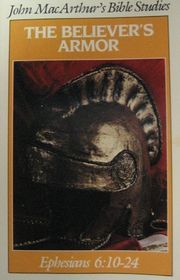
MacArthur examines the spiritual armor described in Ephesians 6:10–24. The study considers temptation, discouragement, and opposition to faith, explaining each part of Paul’s imagery as a resource Christians can use in the struggles of everyday life.

The Christian and Government
by John F. MacArthur Jr.
1986
Working through Romans 13, MacArthur examines how Christians should relate to government, taxation, and public authority. The study addresses tensions between faith and civic obligations, offering his interpretation of biblical responsibilities when political life raises difficult questions for believers.
The Disciples' Prayer
by John F. MacArthur Jr.
1986
MacArthur studies the prayer Jesus taught His disciples phrase by phrase, exploring its purpose and priorities. He considers how understanding the pattern can move prayer beyond empty repetition toward a more deliberate expression of dependence, forgiveness, and trust in God.
The Tragedy of Rejecting Salvation
by John F. MacArthur Jr.
1986
MacArthur examines the warnings of Hebrews 5–6 to people familiar with the gospel who have not committed themselves to Christ. The study distinguishes intellectual agreement from saving faith and considers the spiritual danger of repeatedly resisting that commitment.

The Wrath of God
by John F. MacArthur Jr.
1986
MacArthur examines the biblical teaching on God’s wrath, particularly Paul’s argument in Romans 1. The study considers why sin brings judgment and how understanding divine anger relates to the Christian account of God’s love, forgiveness, and the gospel.

A Living Sacrifice
by John F. MacArthur Jr.
1987
Through Romans 12:1–8, MacArthur examines what a fully committed response to God’s mercy means in practice. The study connects worship, spiritual gifts, and service, challenging readers to consider whether their lives reflect occasional sacrifice or sustained dedication.

Acting on the Good News
by John F. MacArthur Jr.
1987

Adding To Your Faith
by John F. MacArthur Jr.
1987
Drawing on 2 Peter 1, this Bible study examines Peter's call for believers to remember the truths they have learned. MacArthur traces the surrounding passage to connect that reminder with the development and grounding of Christian faith.

Christ Displays His Glory
by John F. MacArthur Jr.
1987
MacArthur studies the Transfiguration and its place in Jesus’s teaching about His future glory. He considers how the disciples’ glimpse of that glory offered assurance, and how the same promise can shape a Christian response to suffering and discouragement.
Condemned and Crucified
by John F. MacArthur Jr.
1987
MacArthur follows Jesus’s trial and crucifixion in Matthew 27, examining Pilate’s decision, the crowd’s rejection, and the events surrounding His death. The study considers the responses of those who witnessed the execution and what they reveal about Christ.
Empowered to Serve
by John F. MacArthur Jr.
1987
MacArthur examines the opening chapters of Acts and the resources given to Jesus’s followers for their mission. The study follows preparations for their work, the choice of leadership, and the coming of the Holy Spirit as the early church begins.

Entering God's Rest
by John F. MacArthur Jr.
1987
Through Hebrews 3–4, MacArthur considers the difference between knowing the gospel and committing to Christ. The study explores warnings against a hardened heart, the promise of God’s rest, and Jesus’s role as high priest for those who believe.
Freedom from Sin
by John F. MacArthur Jr.
1987
MacArthur explores Paul’s teaching in Romans 6–7 about the believer’s freedom from sin and continuing struggle with it. The study considers how Christians can understand their new life in Christ while confronting temptation and persistent patterns in everyday behavior.
Galatians
by John F. MacArthur Jr.
1987
John MacArthur guides readers through Paul’s letter to the Galatians and its response to teachings that added requirements to faith in Christ. Commentary and questions explore the relationship between grace, law, faith, and the believer’s daily conduct.

Jesus Silences His Critics
by John F. MacArthur Jr.
1987
MacArthur examines the difficult questions religious leaders put to Jesus in Matthew 22, including taxation, resurrection, and the greatest commandment. The study follows His replies and His own question about the Messiah, exploring what those exchanges reveal about His identity.
Living in the Spirit
by John F. MacArthur Jr.
1987
This study of Ephesians 5 examines what MacArthur understands as a life directed by the Holy Spirit. He considers its effects on humility, unity, relationships, worship, and daily conduct, distinguishing spiritual dependence from common misunderstandings about the Spirit’s work.

Marks Of A True Believer
by John F. MacArthur Jr.
1987
Qualities of an Excellent Servant
by John F. MacArthur Jr.
1987
Drawing on Paul’s instructions to Timothy, MacArthur examines the character and work of an effective Christian servant. The study considers discernment, knowledge of Scripture, personal discipline, diligence, example, and teaching as practical expressions of faithful ministry in the church.
Signs of Christ's Return
by John F. MacArthur Jr.
1987
MacArthur examines Jesus’s teaching about His return in the Olivet Discourse, focusing on the disciples’ questions in Matthew 24. The study considers the signs, warnings, and promised kingdom that shape a Christian understanding of the future and readiness for it.

The Lord's Supper
by John F. MacArthur Jr.
1987
MacArthur studies the Lord’s Supper through Matthew 26 and 1 Corinthians 11. He examines the meaning and purpose of communion, connecting its observance with Christ’s work and the responsibilities of believers who gather to share it as a church.
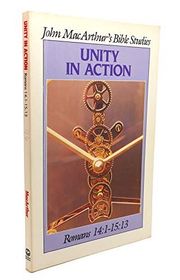
Unity in Action
by John F. MacArthur Jr.
1987
Through Romans 14–15, MacArthur examines how Christians with different backgrounds and convictions can maintain fellowship. The study considers understanding others, avoiding needless offense, serving one another, and building unity when disagreements over liberty and religious practice threaten a congregation.
An Uncompromising Life
by John F. MacArthur Jr.
1988
Using episodes from Daniel’s life, MacArthur examines integrity under pressure and the cost of refusing compromise. The study connects dramatic tests of faith with ordinary decisions, asking how consistent Christian commitments can shape conduct in both public and private life.
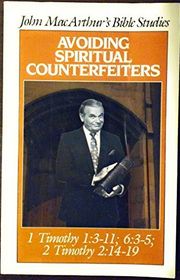
Avoiding Spiritual Counterfeiters
by John F. MacArthur Jr.
1988
MacArthur examines the danger of false teaching and the responsibilities of believers who encounter it. The study considers the errors, goals, motives, and effects of misleading teachers, outlining why understanding those features matters before deciding how to respond.

Benefiting From Life's Trials
by John F. MacArthur Jr.
1988
MacArthur explores James 1:2–18 to examine why Christians face trials and how hardship can contribute to spiritual growth. The study addresses suffering, temptation, perseverance, and the possibility of finding joy without denying the reality of pain.

Elements Of True Prayer
by John F. MacArthur Jr.
1988
Using Daniel’s prayer in chapter 9 as a model, MacArthur examines the qualities of prayer that goes beyond habit and formality. The study identifies eight elements intended to help believers pursue deeper fellowship with God and greater sincerity in their prayers.

Evangelistic Praying
by John F. MacArthur Jr.
1988
MacArthur examines the call to pray for others in 1 Timothy 2:1–8, addressing questions about prayer and God’s sovereignty in salvation. The study considers why Christians should pray for unbelievers and how such prayer belongs within their wider spiritual life.

Heaven
by John F. MacArthur Jr.
1988
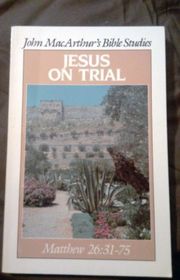
Jesus on Trial
by John F. MacArthur Jr.
1988
John MacArthur examines the trials and ordeals Jesus faced on the way to crucifixion. His account sets out the events leading to the cross and invites readers to consider this decisive sequence in the Gospel narrative.
Keys to Effective Evangelism
by John F. MacArthur Jr.
1988
Drawing on Acts 5:12–6:7, MacArthur examines the early church’s pattern of evangelism and growth. The study identifies five connected principles intended to help Christians understand effective gospel witness and become more confident in speaking about their faith.

Pitfalls of Christian Liberty
by John F. MacArthur Jr.
1988
MacArthur examines the dangers of overconfidence and the misuse of Christian freedom in 1 Corinthians 10. The study considers choices not explicitly forbidden in Scripture, encouraging believers to resist temptation and avoid placing obstacles in the spiritual path of others.
Speaking in Tongues
by John F. MacArthur Jr.
1988
Through 1 Corinthians 13–14, MacArthur examines the purpose and place of speaking in tongues. The study addresses whether the gift continues, how it relates to spiritual maturity, and the biblical arguments behind his understanding of its role in the church.
Spiritual Warfare
by John F. MacArthur Jr.
1988
John MacArthur examines spiritual conflict through biblical teaching about Satan, temptation, and the resources Christians have to resist them. The study connects personal convictions, family life, church unity, and ministry with practical preparation for remaining faithful under pressure.

The Return and Reign of Jesus Christ
by John F. MacArthur Jr.
1988
MacArthur interprets Zechariah’s closing chapters as prophecies of Israel’s restoration and the Messiah’s future reign. Working through difficult passages, he explains his literal reading of the text and the hope he believes it offers Christians awaiting Christ’s return.

The Way to Heaven
by John F. MacArthur Jr.
1988
This study examines Jesus’ warnings about false prophets, empty professions of faith, and the narrow way to life in Matthew 7. MacArthur asks readers to distinguish authentic discipleship from religious appearances and consider the foundations on which they build.
Wisdom in Action
by John F. MacArthur Jr.
1988
Drawing on Ephesians and James, MacArthur explores the difference between human reasoning and wisdom expressed through faithful action. The study examines how Christian beliefs should shape everyday choices, responsibility, and conduct rather than remaining matters of knowledge alone.
Chosen for Eternity
by John F. MacArthur Jr.
1989
MacArthur examines the doctrine of election and the questions it raises about salvation, responsibility, and evangelism. His study considers why God chooses to redeem sinners and how believers should understand divine sovereignty alongside the call to share their faith.
Eternal Security
by John F. MacArthur Jr.
1989
Using Romans 5, MacArthur addresses doubts about whether salvation can be lost and how Christians can recognize genuine faith. The study explores assurance, forgiveness, and trust in God, concluding with questions intended to help readers examine their spiritual condition.

God, Satan, and Angels
by John F. MacArthur Jr.
1989
MacArthur surveys biblical teaching about God’s character, Satan’s origins and influence, and the work of angels. The study distinguishes theological claims from popular assumptions and connects beliefs about the spiritual world with the way Christians understand and live their faith.

Paul's Perilous Journey
by John F. MacArthur Jr.
1989
Paul’s dangerous voyage to Rome provides the framework for this study of leadership during crisis. MacArthur examines the apostle’s responses to storms, shipwreck, and other threats, drawing practical principles for decision-making, courage, and helping others under pressure.

Rise and Fall of World Powers
by John F. MacArthur Jr.
1989
MacArthur interprets Daniel’s visions and accounts of ancient rulers as a framework for understanding the rise and collapse of empires. The study connects Nebuchadnezzar’s experiences and Babylon’s fall with the author’s beliefs about future events and Christ’s ultimate rule.
The Believer's Life in Christ
by John F. MacArthur Jr.
1989

The Convicting Ministry of the Holy Spirit
by John F. MacArthur Jr.
1989
This study examines the Holy Spirit’s role in convicting unbelievers and strengthening Christians through John 15 and 16. MacArthur explores how divine action relates to personal witness, understanding spiritual truth, and the resources believers rely on in daily life.

The Danger of Loving Money
by John F. MacArthur Jr.
1989
MacArthur examines the connection between personal character and attitudes toward wealth through passages in 1 Timothy and James. The study discusses stewardship, contentment, and the dangers of greed, asking readers to reconsider how their financial choices express their priorities.

The Resurrection of Jesus Christ
by John F. MacArthur Jr.
1989
Matthew’s account of Jesus’ burial and resurrection forms the basis of this detailed study. MacArthur considers the frightened disciples, guarded tomb, and attempts to explain the missing body, presenting the events as central evidence for Christian hope.
The Transforming Power of Scripture
by John F. MacArthur Jr.
1989
MacArthur studies the Bible’s description of its own authority and purpose in 2 Timothy 3. He connects reading and applying Scripture with changes in relationships, decisions, responses to hardship, and the ability to serve effectively within a church.

Whatever Happened to the Holy Spirit?
by John F. MacArthur Jr.
1989
Beginning with Paul’s challenge to the Galatians, MacArthur argues that the Holy Spirit’s place in Christian life has been neglected. The study considers spiritual growth, dependence on divine power, and the limitations of attempting maturity through human effort alone.
A Plea for Unity
by John F. MacArthur Jr.
1990
This study applies Paul’s teaching about unity to the attitudes and relationships within a local church. MacArthur examines humility, selflessness, and consideration for others, asking how believers can resist division and develop a common purpose rooted in Christ’s example.

Advice to a Young Disciple
by John F. MacArthur Jr.
1990
MacArthur uses 2 Timothy 2 to explore the responsibilities Christians have toward less experienced believers. The study considers how ordinary church members can encourage spiritual growth, teach biblical principles, and persevere in their own faith through difficulty.
Back to Basics
by John F. MacArthur Jr.
1990
This study revisits basic principles of Christian living as foundations for spiritual growth. MacArthur discusses acknowledging Christ’s authority, confessing sin, trusting God, prayer, obedience, purity, and service, connecting these practices with resilience under the pressures of everyday life.
Christ Humbled, Christ Exalted
by John F. MacArthur Jr.
1990
MacArthur examines Christ’s humility and exaltation through Paul’s account in Philippians 2. The study considers Jesus’ voluntary surrender of privilege and subsequent honor, presenting his example as a challenge to pride and a model for Christian conduct.

Christians in a Hostile World
by John F. MacArthur Jr.
1990
Drawing on 1 Peter, MacArthur examines how Christians can remain secure when their beliefs invite hostility or persecution. The study connects a believer’s identity with practical responses to opposition, encouraging faithful conduct rather than surrender to fear.

Marks of a Healthy Church
by John F. MacArthur Jr.
1990
MacArthur considers what makes a church spiritually healthy beyond its attendance, finances, or public success. The study examines biblical expectations for leadership, participation, teaching, worship, and service, encouraging believers to contribute to the growth of their congregation.
Our Great Salvation
by John F. MacArthur Jr.
1990
Through 1 Peter’s description of salvation, MacArthur considers the inheritance Christians believe awaits them and the resources available in present hardship. The study explores divine protection, assurance, and joy, offering a theological perspective on trials and future hope.
Unashamed
by John F. MacArthur Jr.
1990
Paul’s final letter to Timothy provides the setting for a study of courage in Christian witness. MacArthur examines fear, conviction, and perseverance, asking how believers can speak about their faith when ridicule or rejection makes remaining silent seem easier.
Without Excuse
by John F. MacArthur Jr.
1990
MacArthur examines Romans 2 to address questions about divine judgment, moral responsibility, and people who have never heard the gospel. The study presents his account of the standards by which God judges humanity and the relationship between knowledge and accountability.
Caring for Widows
by John F. MacArthur Jr.
1991
This study explores the responsibilities families and churches have toward women whose husbands have died. Using 1 Timothy 5, MacArthur discusses practical compassion and protection while also considering the valuable roles widows can continue to fulfill within a congregation.

Living for Christ in a Cynical World
by John F. MacArthur Jr.
1991
Making Disciples
by John F. MacArthur Jr.
1991
MacArthur studies Christ’s compassion for outsiders and the church’s responsibility to communicate the gospel. Drawing on several biblical passages, he considers how believers can overcome fear, approach others confidently, and make disciples through both personal example and clear teaching.
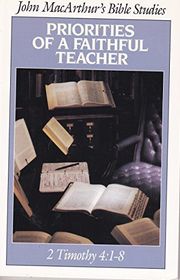
Priorities of a Faithful Teacher
by John F. MacArthur Jr.
1991
Paul’s instructions in 2 Timothy 4 provide a framework for examining the responsibilities of Christian teachers. MacArthur identifies priorities that emphasize spiritual excellence, faithful example, and perseverance, asking readers to assess their influence by biblical standards rather than worldly success.

Security in the Spirit
by John F. MacArthur Jr.
1991
This study of Romans 8 explores the Christian belief that adoption into God’s family offers lasting security. MacArthur connects assurance with freedom from sin and confidence in Christ, considering the Holy Spirit’s role in sustaining a believer’s relationship with God.
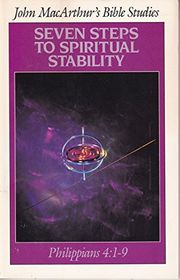
Seven Steps to Spiritual Stability
by John F. MacArthur Jr.
1991
MacArthur draws on Philippians 4 to examine spiritual stability amid personal crises and wider uncertainty. The study connects harmony, joy, humility, and faith with a disciplined response to pressure, offering biblical principles for maintaining perspective and supporting others.
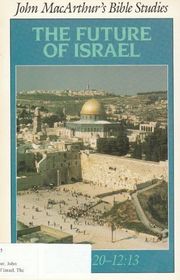
The Future of Israel
by John F. MacArthur Jr.
1991
MacArthur interprets Daniel 9 through 12 as a guide to Israel’s future and the events he associates with the Great Tribulation. The study distinguishes prophecies he considers fulfilled from those still awaiting completion and examines the nation’s place in his understanding of history.
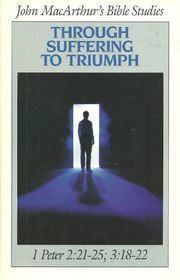
Through Suffering to Triumph
by John F. MacArthur Jr.
1991
MacArthur examines passages in 1 Peter that connect Christ’s suffering with the hardships faced by his followers. The study asks how Jesus’ example can prepare Christians for opposition and provide a framework for perseverance when faith brings personal cost.

Unless the Lord Builds the Church
by John F. MacArthur Jr.
1991
This study examines Jesus’ promise to build his church in Matthew 16. MacArthur considers the identity, purpose, and resilience of the Christian community, asking how individual believers fit into a work he understands as dependent on Christ rather than human success.
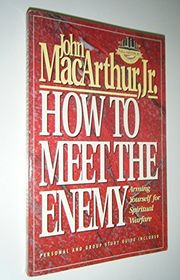
How to Meet the Enemy
by John F. MacArthur Jr.
1992
MacArthur examines biblical teaching about spiritual warfare, asking how Christians should respond to Satan and demonic activity. His discussion traces the conflict’s origins and present significance while interpreting spiritual armor primarily as protection rather than a mandate to seek confrontation.
Joy and Godliness
by John F. MacArthur Jr.
1992
New Life - New Walk
by John F. MacArthur Jr.
1992
This study of Ephesians examines the ethical changes MacArthur associates with receiving new life in Christ. He explores abandoning old patterns, practicing love, and living openly, connecting personal transformation with concrete choices in relationships and everyday conduct.

Anxiety Attacked
by John F. MacArthur Jr.
1993
MacArthur examines worry through passages in Matthew, Philippians, and 1 Peter, presenting Scripture as a source of spiritual comfort. The study explores prayer, trust, and a biblical perspective on hardship as elements of his approach to responding to anxiety.
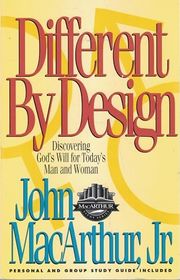
Different by Design
by John F. MacArthur Jr.
1994
MacArthur presents his interpretation of biblical distinctions between men’s and women’s roles within families and churches. Addressing contemporary disagreements about equality and responsibility, the study explains the theological principles he believes should guide relationships, leadership, and shared religious life.
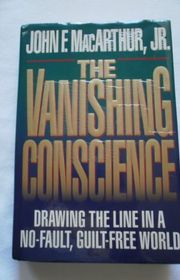
The Vanishing Conscience
by John F. MacArthur Jr.
1994
John MacArthur challenges habits of excusing wrongdoing, shifting blame, and denying moral responsibility. Drawing on biblical teaching, he argues for taking sin seriously and examines how an active conscience and personal holiness should shape a Christian’s life.
Alone with God
by John F. MacArthur Jr.
1995
John MacArthur explores the Lord’s Prayer as a model for a deeper and more consistent prayer life. Looking to Jesus’ teaching, he encourages readers to move beyond irregular habits and build a sustained relationship with God through prayer.

1 & 2 Peter
by John F. MacArthur Jr.
2000
John MacArthur examines Peter’s two letters to Christians facing persecution and misleading teachers. Commentary and reflection questions explore hope amid suffering, the resources of faith, and the discernment needed to resist teachings that threaten the church.

1 Samuel
by John F. MacArthur Jr.
2000
John MacArthur guides readers through Israel’s transition from the judges to its first king. Following Samuel’s life and Saul’s rise and fall, the study examines leadership, obedience, and the experiences of Hannah, David, Jonathan, and other central figures.
Daniel
by John F. MacArthur Jr.
2000
Daniel’s experiences of exile, royal service, threatening rulers, and divine rescue provide the framework for this guided biblical study. MacArthur emphasizes dependence on God and humility, examining what the narrative reveals about power, conviction, and authority over nations.
John
by John F. MacArthur Jr.
2000
John MacArthur examines the Gospel of John passage by passage, exploring how its miracles, teachings, and account of Jesus’ death and resurrection present his identity. Background and reflection questions help readers consider the Gospel’s claims about belief and salvation.
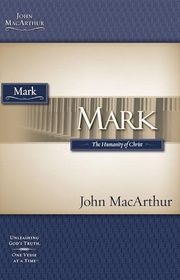
Mark
by John F. MacArthur Jr.
2000
John MacArthur leads readers through Mark’s Gospel, focusing on its portrayal of Jesus’ humanity. Commentary and study questions examine his teaching, miracles, suffering, and encounters with opposition, placing these episodes within the larger account of his ministry.
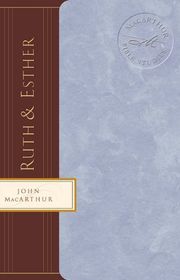
Ruth & Esther
by John F. MacArthur Jr.
2000
This guided study examines Ruth and Esther through their biblical setting, meaning, and context. MacArthur combines explanation with reflective questions and space for personal responses, helping readers consider how the passages relate to faith and everyday Christian practice.
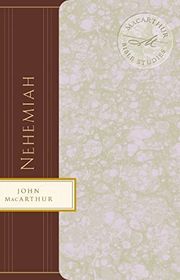
Nehemiah
by John F. MacArthur Jr.
2001
This study guide leads readers through Nehemiah, examining the meaning and context of its biblical passages. Questions for reflection and space for journaling encourage readers to connect their study of the text with personal application.


















Edited by
Software engineer whose passion for tracking book recommendations from podcasts inspired the creation of MRB.
Lead investor at 3one4 Capital whose startup expertise and love for books helped shape MRB and its growth.
Comments
Spotted a missing book, a wrong order or a mistake? Tell us and we'll fix this page.
We're a reading guide, not the author or publisher, so we can't send books or pass on messages.