
Lynne Truss Books in Order
Browse Lynne Truss books in order, with quick summaries, series guides, and where-to-start tips for her nonfiction, radio comedy, and crime novels.
Last updated:
As an Amazon Associate, we earn from qualifying purchases (at no extra cost to you).
Lynne Truss books in publication order
22 books
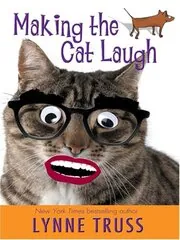
Making the Cat Laugh
by Lynne Truss
1995
This collection gathers Truss’s columns from The Times, Woman’s Journal, and The Listener. The pieces circle around cats, singledom, procrastination, daily irritations, and the kind of small absurdities she can make surprisingly funny.
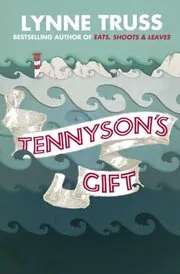
Tennyson’s Gift
by Lynne Truss
1997
Set on the Isle of Wight in 1864, this comic historical novel gathers Alfred Tennyson, Julia Margaret Cameron, Lewis Carroll, and other Victorians into one crowded summer. Art, vanity, friendship, and social awkwardness all get their turn.
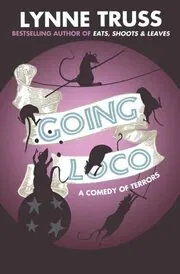
Going Loco
by Lynne Truss
1999
A writer working on a book about literary doubles agrees, improbably, to let someone else take over her life while she retreats upstairs. From there, Truss spins a strange, fast comic novel about identity, obsession, and lives slipping sideways.
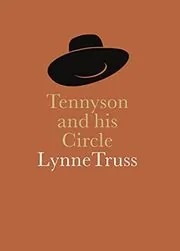
Tennyson and His Circle
by Lynne Truss
1999
A short nonfiction portrait of Alfred Tennyson and the people around him, told through paintings and early photography. It is part literary background, part visual history, and especially rewarding if you enjoyed Tennyson’s Gift.
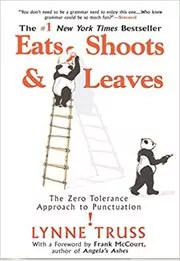
Eats, Shoots & Leaves
by Lynne Truss
2003
Truss makes a funny, surprisingly passionate case for punctuation, from apostrophes to semicolons. Mixing language history, examples, and stickler fury, it explains why tiny marks can change meaning more than most people think.
Glued to the Gogglebox
by Lynne Truss
2003
A light, witty look at fifty years of British television, built from Truss’s reflections on the medium and its personalities. It works as a quick tour through TV culture, nostalgia, and the strange habits of viewers.
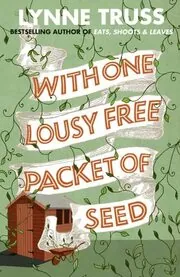
With One Lousy Free Packet of Seed
by Lynne Truss
2004
Truss’s first novel turns a struggling gardening magazine into the scene of an escalating farce. Office frustrations, fake readers’ letters, and bruised private lives tangle together until everyone seems headed for the same comic collision.

A Certain Age
by Lynne Truss
2005
This collection brings together twelve radio monologues about men and women in midlife. Funny, sad, and sharply observed, the pieces focus on relationships, family roles, and the private stories people tell themselves.
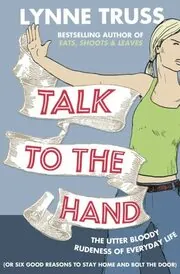
Talk to the Hand
by Lynne Truss
2005
Truss turns from punctuation to manners, asking why everyday life can feel so rude, distant, and impersonal. It is part social gripe, part comic essay collection, and sharper than its cheerful title lets on.
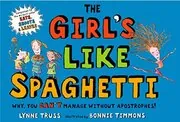
The Girl's Like Spaghetti
by Lynne Truss
2007
This picture book uses apostrophes to show how tiny marks can change a sentence completely. With Bonnie Timmons’s illustrations, it makes grammar visual, silly, and surprisingly easy to remember.
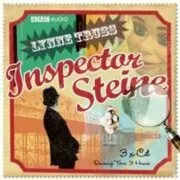
Inspector Steine - Series One
by Lynne Truss
2008
The first run of these radio capers drops you into 1950s Brighton, where Inspector Steine thinks crime has been beaten for good. Constable Twitten and Sergeant Brunswick know better, especially with Mrs Groynes quietly running things nearby.
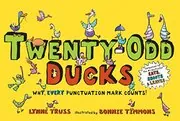
Twenty-Odd Ducks
by Lynne Truss
2008
Another playful punctuation picture book, this time widening the lesson beyond commas and apostrophes. Truss and Bonnie Timmons show how marks on the page can change sense, rhythm, and the entire joke.
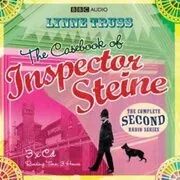
Casebook Of Inspector Steine
by Lynne Truss
2009
Crime has dried up, which suits Inspector Steine just fine and drives Mrs Groynes mad. This second radio series sends Twitten and Brunswick through stage shows, school schemes, and fresh seaside trouble as the criminal machinery starts up again.
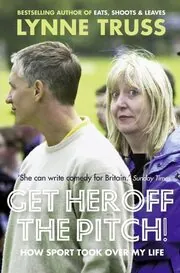
Get Her Off the Pitch!
by Lynne Truss
2009
Sent into the world of sport despite not being a natural fan, Truss writes with equal parts curiosity and alarm. These essays ask why sport matters so much, and why watching it can make sensible people miserable.
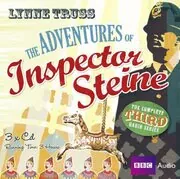
The Adventures of Inspector Steine
by Lynne Truss
2010
Constable Twitten takes more of the lead in this third set of radio adventures. Back from Scotland Yard, he finds Brighton full of new schemes, old grudges, and the same awkward truth, Mrs Groynes may be the sharpest operator in town.
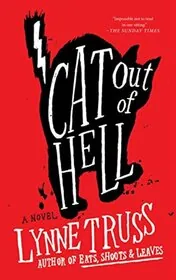
Cat Out of Hell
by Lynne Truss
2014
A bereaved librarian receives a folder of odd materials about a talking cat named Roger, and soon realizes they connect to his wife’s death. What starts as grief and curiosity turns into a darkly funny gothic mystery.
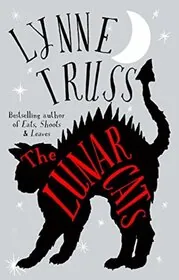
The Lunar Cats
by Lynne Truss
2016
This companion to Cat Out of Hell reaches back into the Captain’s past, mixing eighteenth-century voyages, ambitious cats, and stranger forces than any sane reader asked for. It is funny, eerie, and larger in scope than it first appears.
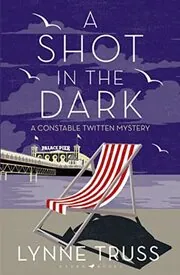
A Shot in the Dark
by Lynne Truss
2018
In 1957 Brighton, clever new constable Twitten suspects the town’s crime problem is not nearly as solved as Inspector Steine believes. When theatre critic A. S. Crystal is shot in his seat, a silly-looking case opens onto a much older mystery.
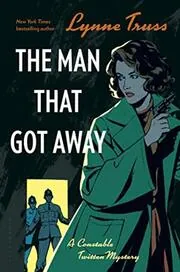
The Man That Got Away
by Lynne Truss
2019
A young man turns up dead in a deckchair during a bright Brighton summer, and Twitten thinks the killing leads back to a shady nightclub. Steine is distracted, Brunswick is thrilled to go undercover, and the case gets messier by the minute.
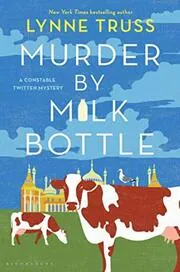
Murder by Milk Bottle
by Lynne Truss
2020
Three apparently unconnected people are killed with the same unlikely weapon, a milk bottle, and Brighton starts to panic. Twitten, Brunswick, and Steine have to sort real clues from seaside noise before the next headline lands.
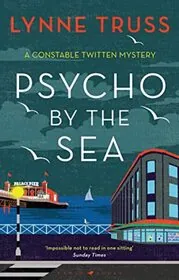
See the Bunny Run / Psycho by the Sea
by Lynne Truss
2021
Rain lashes Brighton as an escaped killer, a missing gang insider, and a death inside a department store throw the police into chaos. Twitten and Brunswick chase overlapping plots while Mrs Groynes fights to hold her place in the underworld.

Natter from the Natural World
by Lynne Truss
2023
Across three radio series, Truss gives voice to creatures from rock pools, garden ponds, and attic rafters. These comic monologues are full of natural-history detail, but the real fun is hearing animals sound uncannily human.
Where to start with Lynne Truss
If you want the classic language book: Eats, Shoots & Leaves
If you want comic crime in order: A Shot in the Dark → The Man That Got Away → Murder by Milk Bottle → See the Bunny Run / Psycho by the Sea
If you want her radio world first: Inspector Steine - Series One → Casebook Of Inspector Steine → The Adventures of Inspector Steine
If you want a witty historical novel: Tennyson’s Gift
Lynne Truss sub-series and character series
Lynne Truss collections, short stories, and related book types
Short Story Collections
Non-Fiction
Standalone Lynne Truss books
Author bio
Lynne Truss was born in 1955 and grew up in Petersham, Surrey, near Kingston upon Thames. She studied English Language and Literature at University College London, graduating with a first, and picked up several academic prizes along the way. Long before she became widely known, she was already someone whose life was going to be built around words.
At first, though, she did not think of herself as a novelist.
After university she worked as a library assistant, then moved into publishing and journalism, taking jobs as a sub-editor at Radio Times, deputy literary editor at the Times Higher Education Supplement, and literary editor of The Listener. Those years gave her a close-up view of how writing works on the page, and how much labour sits behind prose that looks effortless.
Journalism became her real apprenticeship. She wrote arts and books pieces, then spent years at The Times as a television critic and later a sports columnist. She also won Columnist of the Year for her work in Woman’s Journal. That background shows in her books, which are exact without feeling stiff, and funny without sounding as if they are trying too hard.
The turning point for fiction came in the 1990s. Truss has written about years of poor self-belief, and about finally giving herself permission to write novels after a spell of cognitive analytic therapy. Once she started, she moved quickly, producing comic fiction alongside an already busy career in print and radio.
Her breakthrough with a huge audience came in 2003, when Eats, Shoots & Leaves turned a subject many people thought they hated, punctuation, into a bestseller. The book grew out of her radio series Cutting a Dash, and its success was so large that it briefly threatened to define her entire public image. Readers who only know that title can miss how wide-ranging she really is.
That book made her famous, but it never told the whole story.
Elsewhere in her work, you find a much broader mix of interests. Talk to the Hand shifts from punctuation to manners and everyday rudeness. Tennyson’s Gift is a comic historical novel set among Alfred Tennyson, Julia Margaret Cameron, and other Victorians on the Isle of Wight. Cat Out of Hell and The Lunar Cats head off into gothic cat horror, which sounds like a joke until you read them and see how straight-faced she can keep the madness.
Radio matters just as much in her career. She wrote the BBC comedy drama Inspector Steine, set in 1950s Brighton, and later turned that world into the Constable Twitten novels, beginning with A Shot in the Dark. Those books, including The Man That Got Away and Murder by Milk Bottle, mix murder plotting, seaside atmosphere, and gloriously silly character comedy. Across all these forms, Truss keeps returning to the same pleasures: language, social awkwardness, hidden motives, and the gap between how people present themselves and what they are actually up to.
These days she has written about slowing down a little and living in East Sussex near the sea with her dogs Django and Lulu. That feels fitting. Her work is full of bustle, bickering, oddballs, and comic panic, but underneath it is the work of a writer who plainly loves listening, loves phrasing, and loves the tiny details by which people reveal themselves.
Edited by
Software engineer whose passion for tracking book recommendations from podcasts inspired the creation of MRB.
Lead investor at 3one4 Capital whose startup expertise and love for books helped shape MRB and its growth.
Comments
Did we miss something? Have feedback?
Help us improve this page by sharing your thoughts