
Lost In Art Books in Order
Part ofTim Myers Books in OrderSee the Lost in Art books by Tim Myers in order, with short summaries, series background, and help choosing your first museum adventure.
Last updated:
As an Amazon Associate, we earn from qualifying purchases (at no extra cost to you).
Lost In Art books in publication order
2 books
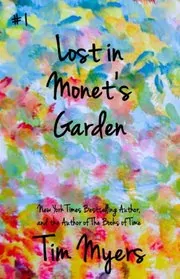
Lost in Monet's Garden
by Tim Myers
2011
Paul and Sarah jump inside a Monet painting at the museum where their mother works. Guided by Trilinia, they have to find a hidden key and survive the world inside the canvas.
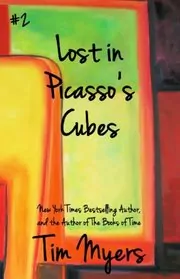
Lost in Picasso's Cubes
by Tim Myers
2011
Paul and Sarah return to the strange world of living art, this time inside a Picasso inspired puzzle. To help Trilinia and get home safely, they have to think differently about every clue they see.
Lost In Art books in chronological order
Series background & context
The Lost in Art books are short middle grade adventures built around one very fun idea, stepping inside famous paintings. Brother and sister Paul and Sarah do exactly that at the art museum where their mother works, and the result is a pair of stories that mix imagination, art appreciation, and a light quest structure.
The children are guided by Trilinia, the Art Master, who needs help returning home. To do that, Paul and Sarah have to search for Keys hidden inside works of art. That turns each book into more than a museum tour. Once they enter a painting, the world inside starts running by its own rules, shaped by the style and feel of the artist behind it.
That is where the series gets its personality.
A Monet setting does not feel like a Picasso setting, and Myers uses that contrast to make the books feel playful instead of repetitive. The art is not just backdrop. It changes the kind of problem the children face and the kind of attention they need to pay. Readers get a sense that paintings can be places, not just objects on a wall.
These are very short books, which makes them easy for younger readers to try. The pace is quick, the stakes are clear, and the tone stays adventurous rather than frightening. There is some educational value here, too, but it is handled lightly. The stories invite curiosity about artists and museums without becoming stiff.
If you want Tim Myers in a more imaginative middle grade mode, this series is a neat little detour. It is about art, but mostly it is about what happens when children look closely enough at a picture that it becomes a doorway.





Edited by
Software engineer whose passion for tracking book recommendations from podcasts inspired the creation of MRB.
Lead investor at 3one4 Capital whose startup expertise and love for books helped shape MRB and its growth.
Comments
Did we miss something? Have feedback?
Help us improve this page by sharing your thoughts