
Lost Cities Books in Order
Part ofTracy L Higley Books in OrderThis page shows the Lost Cities books by Tracy L Higley in order, with summaries, series background, and a quick guide to both ancient settings.
Last updated:
As an Amazon Associate, we earn from qualifying purchases (at no extra cost to you).
Lost Cities books in publication order
2 books
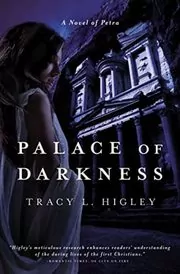
Palace of Darkness
by Tracy L Higley
2010
Cassia reaches Petra with her young son hoping family will shelter them from ruin. Instead, a secret about the boy's bloodline drags them into royal conspiracy, spiritual danger, and a desperate fight to survive.
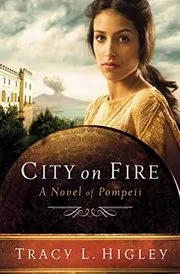
Pompeii, City on Fire
by Tracy L Higley
2011
Ariella flees Rome disguised as a boy, only to end up in a gladiator troupe bound for Pompeii. As Vesuvius rumbles overhead, secrets, politics, and faith draw her into one last fight for freedom.
Lost Cities books in chronological order
Series background & context
The Lost Cities books are built around two places that still fire the imagination long after their great days ended, Pompeii and Petra. Tracy Higley uses both settings the way she often uses history at her best, not as a museum display, but as a living place full of pressure, injustice, beauty, and ordinary people trying to stay alive when larger forces are closing in.
Pompeii, City on Fire throws readers into a city already moving toward catastrophe. Ariella is a Jewish slave who escapes one form of captivity only to land in another, disguising herself and traveling with a gladiator troupe while Vesuvius broods in the background. The volcanic ending is part of the draw, of course, but the real hook is how long the city can keep pretending everything is normal while danger keeps building.
Palace of Darkness, later republished as Petra: City in Stone, shifts to another famous lost city and another vulnerable outsider. Cassia arrives in Petra as a desperate single mother hoping family will mean refuge. Instead, she finds political threat, divided loyalties, and a revelation about her son that makes him valuable to the wrong people. Petra's carved facades and narrow passages create a very different mood from Pompeii, but the pressure is just as sharp.
What links the books is not shared cast so much as shared shape. Both center on people with limited power who get caught in systems much larger than themselves. Both use famous locations in a way that makes the place matter to the plot. And both set private choices against public upheaval, whether that is volcanic disaster, imperial pressure, family betrayal, or religious persecution.
The cities do a lot of the storytelling.
Pompeii gives the series heat, spectacle, crowds, and the eerie sense of time running out. Petra gives it stone corridors, hidden histories, and the feeling that danger may be waiting just beyond the next turn. Higley writes both places with obvious affection for the texture of the ancient world, but she never lets the scenery flatten the characters.
These are good picks if you want stand-alone historical suspense with a strong sense of place. The faith elements are present, especially through questions of courage, conversion, and what it means to trust when earthly power is cruel or unstable, but the books are also simply strong adventure stories. They ask what happens when a city seems solid, a life seems settled, and then history, or family, or disaster, proves otherwise.
Edited by
Software engineer whose passion for tracking book recommendations from podcasts inspired the creation of MRB.
Lead investor at 3one4 Capital whose startup expertise and love for books helped shape MRB and its growth.
Comments
Did we miss something? Have feedback?
Help us improve this page by sharing your thoughts