
Little House on the Prairie Books in Order
Part ofLaura Ingalls Wilder Books in OrderExplore the Little House on the Prairie series by Laura Ingalls Wilder with books in order, story summaries, background on the Ingalls family, and tips on the best reading path.
Last updated:
As an Amazon Associate, we earn from qualifying purchases (at no extra cost to you).
Little House on the Prairie books in publication order
9 books
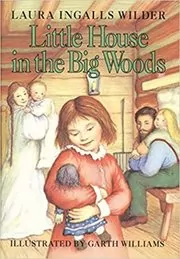
Little House in the Big Woods
by Laura Ingalls Wilder
1932
Laura Ingalls is a small girl in the Wisconsin woods, learning to help with chores, listen to Pa's fiddle, and enjoy sugaring time and cozy winter nights. This opening book shows everyday frontier life through a child's eyes.
Recommended by
1 person Gretchen Rubin recommended this book
Gretchen Rubin
Gretchen Rubin mentioned this book on "The Tim Ferriss Show" podcast.
Gretchen Rubin's recommendation of this book
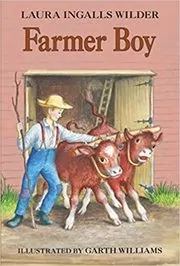
Farmer Boy
by Laura Ingalls Wilder
1933
Set on a prosperous New York farm, this story follows young Almanzo Wilder through a year of early mornings, heavy chores, and secret dreams of owning his own horses. Rich farm details make this a feast of nineteenth century rural life.
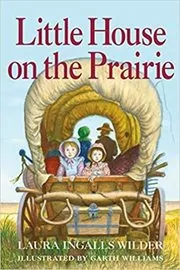
Little House on the Prairie
by Laura Ingalls Wilder
1935
Laura's family leaves the Big Woods to build a log house on the Kansas prairie, facing illness, storms, and uneasy encounters with their Osage neighbors. The book balances homestead adventure with the uncertainty of living on contested land.
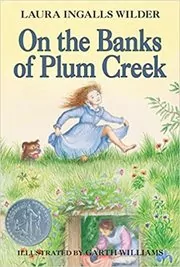
On the Banks of Plum Creek
by Laura Ingalls Wilder
1937
In Minnesota the Ingalls family moves into a dugout home by a creek, starts school in town, and meets spoiled Nellie Oleson. Hopes for a wheat harvest crumble under locust swarms and blizzards, testing the family's resourcefulness and faith.
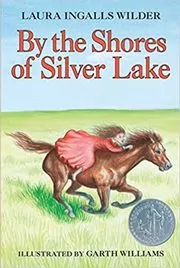
By the Shores of Silver Lake
by Laura Ingalls Wilder
1939
After illness leaves Mary blind, the Ingalls family heads to Dakota Territory, where Pa works for the railroad and stakes a homestead near a new town. Laura rides ponies, helps her sister, and watches the empty prairie fill with settlers.
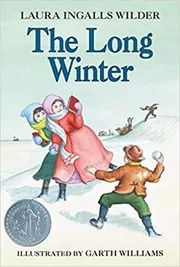
The Long Winter
by Laura Ingalls Wilder
1940
In 1880 a string of brutal blizzards shuts down the railroad and traps De Smet under snow for months. With food and fuel running out, Laura's family twists hay for heat while Almanzo Wilder risks his life to bring wheat to town.
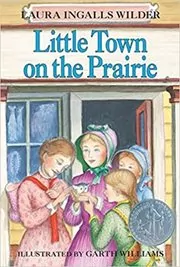
Little Town on the Prairie
by Laura Ingalls Wilder
1941
With the worst winter past, Laura enjoys small town life in De Smet, from school programs and socials to her first paid sewing job. She studies hard to help send Mary to college and begins noticing a quiet young farmer named Almanzo.
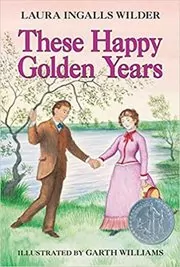
These Happy Golden Years
by Laura Ingalls Wilder
1943
As a teenager, Laura takes on distant teaching jobs to support her family, riding home on weekends behind Almanzo's fast horses. Lessons, sleigh rides, and growing affection lead to a simple prairie wedding and the start of her own household.
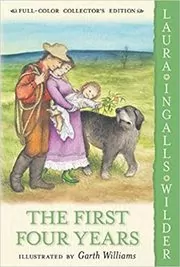
The First Four Years
by Laura Ingalls Wilder
1953
This final book covers Laura and Almanzo's early marriage on their Dakota claim, where they gamble on wheat, face illness, drought, and heartbreaking loss, and see their new home destroyed. The tone is starker, but their determination never fully fades.
Little House on the Prairie books in chronological order
Series background & context
The Little House on the Prairie series gathers nine linked novels that follow Laura Ingalls from early childhood to the first years of her marriage. The books are rooted in her memories of life in the 1870s and 1880s, when her family moved from the Wisconsin woods through Kansas and Minnesota to the new town of De Smet in what was then Dakota Territory.
It begins with Little House in the Big Woods, a close, almost cozy portrait of log cabin life among deep Wisconsin forests, where hunting, sugaring, and long winter evenings around Pa's fiddle fill the year. Farmer Boy steps away from Laura to show her future husband Almanzo growing up on a busy New York farm. Little House on the Prairie then carries the Ingalls family by covered wagon into Kansas, where they build a house on the open prairie and confront illness, storms, and tense relations with their Osage neighbors.
In On the Banks of Plum Creek and By the Shores of Silver Lake, the family settles in Minnesota, weathers crop failures and a grasshopper plague, and finally follows the railroad west. Laura's world opens up as she attends school, meets town children like Nellie Oleson, and takes on more responsibility after scarlet fever leaves her sister Mary blind. The move to Dakota Territory brings railroad camps, surveyor houses, and the founding of De Smet on nearly empty land that soon fills with new claims.
The Long Winter narrows the focus to one desperate season, when blizzards cut off trains for months and the town survives on twisted hay and hand ground wheat. In Little Town on the Prairie, the rhythm of daily life returns. Laura juggles schoolwork, paid sewing, and social events, and she begins to see De Smet as both a place to belong and a stepping stone to her future.
These Happy Golden Years and The First Four Years shift the tone toward young adulthood. Laura takes her first teaching posts at distant schools, rides home each weekend with Almanzo, and gradually agrees to marry him. Their early married life, told more starkly, includes failed crops, illness, and a house fire alongside moments of affection and hard won hope. Together, the books show that the challenges did not end when the wedding dress was folded away.
Across the series you can expect detailed descriptions of everyday work, from churning butter and twisting hay to breaking sod and planting corn. There are sudden dangers, including fires, blizzards, and near starvation, but many pages linger on small pleasures like maple sugar, calico dresses, or songs by lamplight. The tone stays mostly hopeful and family centered, even as modern readers may choose to talk with children about the books' treatment of Native people and westward expansion.



Edited by
Software engineer whose passion for tracking book recommendations from podcasts inspired the creation of MRB.
Lead investor at 3one4 Capital whose startup expertise and love for books helped shape MRB and its growth.
Comments
Did we miss something? Have feedback?
Help us improve this page by sharing your thoughts