
Little Big Man Books in Order
Part ofThomas Berger Books in OrderSee the Little Big Man books in order by Thomas Berger, with quick summaries, series background, and a clear guide to where to start with Jack Crabb.
Last updated:
As an Amazon Associate, we earn from qualifying purchases (at no extra cost to you).
Little Big Man books in publication order
2 books
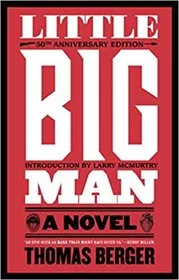
Little Big Man
by Thomas Berger
1964
At 111, Jack Crabb looks back on a life spent moving between the Cheyenne and white America. His tall, brutal, funny story turns the mythic West into something stranger, sadder, and much more human.
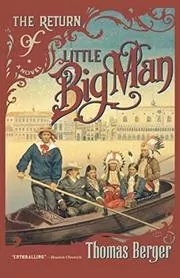
The Return of Little Big Man
by Thomas Berger
1999
Now 112, Jack Crabb resumes his outrageous frontier memoirs after Little Bighorn. He wanders into more legends, more danger, and more American mythmaking, still sounding equal parts survivor, trickster, and witness.
Little Big Man books in chronological order
Series background & context
At the center of the Little Big Man books is Jack Crabb, one of Thomas Berger's great talkers. In Little Big Man, Jack is 111 years old and looking back on a life that seems impossible even to him. As a boy he survives an attack that destroys his pioneer family, is taken in by the Cheyenne, and grows up learning that the American West looks very different depending on who is telling the story.
That split point of view drives the whole series. Jack moves between Native and white worlds, never fully belonging to either one and never staying put for long. He can be brave, cowardly, funny, selfish, tender, and shameless, sometimes all in the same chapter. Berger uses that restless life to strip the polish off frontier legend and show a West built out of accident, appetite, violence, and performance.
Jack is not a tidy hero, and he is definitely not a tidy witness.
That matters because these books are not straight historical adventures. They are full of action, but they are also about memory, survival, and the way national myths get made. Jack tells outrageous stories with a deadpan calm that makes them even funnier, yet Berger keeps the darker history in view too, especially the destruction of Cheyenne life and the brutal habits of white expansion. The comedy never erases the loss.
The sequel, The Return of Little Big Man, picks up with Jack at 112 and still talking. The frontier is older now, but no less strange. Jack keeps wandering into famous names and public spectacles, turning up around gunfighters, show business, and the machinery that turns lived history into entertainment. The book keeps the same loose, episode-by-episode shape, while the larger question stays the same: who gets remembered, and what part of the truth survives the telling?
If you want a clean, heroic western, this is not that series. These books question the old myths of the frontier, but they are also warm, funny, and very readable. The first novel was adapted into a 1970 film directed by Arthur Penn, which helped make Jack Crabb famous far beyond the page. Still, the best reason to read the series is Berger's voice. Jack sounds like a born storyteller trying to amuse you, defend himself, and confess a little, all at once.













Edited by
Software engineer whose passion for tracking book recommendations from podcasts inspired the creation of MRB.
Lead investor at 3one4 Capital whose startup expertise and love for books helped shape MRB and its growth.
Comments
Did we miss something? Have feedback?
Help us improve this page by sharing your thoughts