
Lewis Grizzard Books in Order
Explore Lewis Grizzard's books in order with short summaries, reading-order notes, and simple where-to-start guidance for finding the right first read.
Last updated:
As an Amazon Associate, we earn from qualifying purchases (at no extra cost to you).
Lewis Grizzard books in publication order
26 books
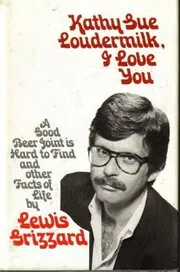
Kathy Sue Loudermilk, I Love You
by Lewis Grizzard
1979
Grizzard's first major collection gathers the columns that introduced his small-town Georgia cast, including the unforgettable Kathy Sue Loudermilk. He writes about family, football, food, and dating mishaps with a mix of tenderness and sharp punch lines.
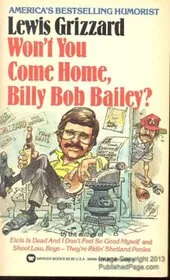
Won't You Come Home, Billy Bob Bailey?
by Lewis Grizzard
1980
An early collection of Grizzard's columns, full of home-cooked observations about living alone, friendship, music obsessions, and the everyday logistics nobody teaches you. Billy Bob Bailey and other familiar characters wander through, making trouble and jokes.

Don't Sit Under the Grits Tree With Anyone Else But Me
by Lewis Grizzard
1981
More down-home humor from Grizzard, built from essays about life in the South and the oddities of modern tastes. He takes on salad bars, banks, designer jeans, and the culture shocks that happen when small-town rules meet big-city trends.
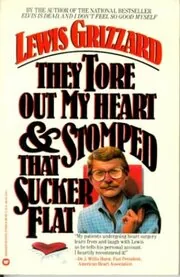
They Tore Out My Heart and Stomped That Sucker Flat
by Lewis Grizzard
1982
A funny, surprisingly personal book about broken hearts in every sense. Grizzard moves from young love and adult divorce to the discovery of a heart condition and major surgery in his mid-thirties, finding jokes and honesty in the same breath.
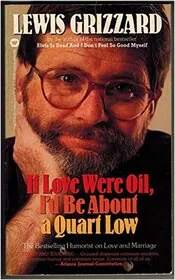
If Love Were Oil, I'd Be about a Quart Low
by Lewis Grizzard
1983
Grizzard's comic field report on love and marriage, built from essays about first crushes, domestic life, and divorce court realities. He's blunt, self-mocking, and obsessed with small details, like clean underwear and what people say when they're hurt.
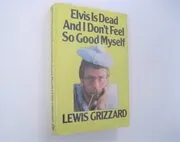
Elvis is Dead And I Don't Feel So Good Myself
by Lewis Grizzard
1984
Using Elvis as a marker for his generation, Grizzard writes about feeling lost in a changing culture. He riffs on music, sex, clothes, entertainment, and modern manners, trying to find a place for an old-fashioned guy in a new era.
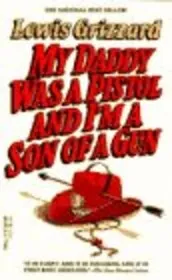
My Daddy Was a Pistol and I'm a Son of A Gun
by Lewis Grizzard
1986
A memoir of Grizzard's complicated, loving relationship with his father, a decorated soldier whose life after war was hard on the family. Grizzard writes with humor, but he doesn't dodge the pain, admiration, or unanswered questions.
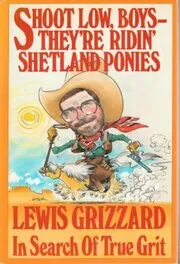
Shoot Low, Boys--They're Ridin' Shetland Ponies
by Lewis Grizzard
1987
Grizzard goes looking for true grit in modern America, testing the John Wayne idea against real people and real situations. Along the way he sketches characters, tells road stories, and pokes at the gap between tough talk and tough living.

When My Love Returns from the Ladies Room, Will I Be Too Old To Care?
by Lewis Grizzard
1987
A collection of newspaper columns that turns everyday annoyances into comedy, from grooming rituals and transplanted neighbors to politics and pop culture. Grizzard's humor is loud, opinionated, and happiest when he's arguing with the modern world.
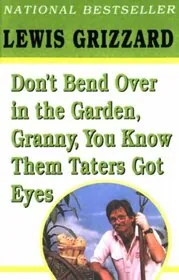
Don't Bend Over in the Garden, Granny, You Know Them Taters Got Eyes
by Lewis Grizzard
1988
Grizzard tackles sex with his usual wink, trading clinical talk for stories, stereotypes, and punch lines. It's a collection of riffs about how men and women think, flirt, panic, and negotiate desire, written to make you laugh more than blush.

Chili Dawgs Always Bark at Night
by Lewis Grizzard
1989
A wide-ranging collection of columns where Grizzard bounces from politics and religion to sex, golf, and daily irritations. The connective tissue is his voice: blunt, Southern, and willing to get sentimental one minute and grouchy the next.
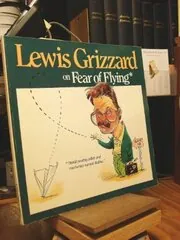
Lewis Grizzard on Fear of Flying
by Lewis Grizzard
1989
A quick, joke-packed look at a common fear: getting on an airplane. Grizzard swaps horror stories, nervous thoughts, and coping strategies, turning travel anxiety into something you can laugh at, even if you still grip the armrests.
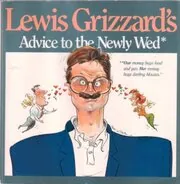
Lewis Grizzard's Advice to the Newly Wed
by Lewis Grizzard
1989
In this slim, playful guide, Grizzard offers jokes, stories, and hard-earned counsel for newlyweds and the newly divorced. It's less a rulebook than a comic survival kit for romance, arguments, and the awkward aftermath.
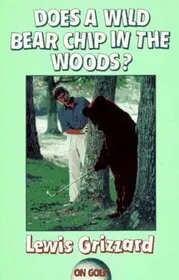
Does a Wild Bear Chip in the Woods?
by Lewis Grizzard
1990
Grizzard turns his eye to golf, the game he loved to complain about and keep playing anyway. These short pieces riff on bad lies, worse putting, clubhouse logic, and the weird etiquette that makes golf feel like its own little culture.
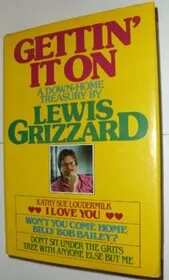
Gettin' It on
by Lewis Grizzard
1990
An omnibus volume that bundles three early Grizzard favorites in one place: Kathy Sue Loudermilk, I Love You; Won't You Come Home, Billy Bob Bailey?; and Don't Sit Under the Grits Tree With Anyone Else But Me. A great way to sample his classic column voice.
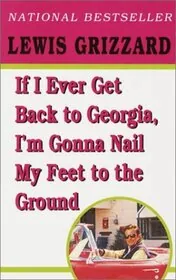
If I Ever Get Back to Georgia, I'm Gonna Nail My Feet to the Ground
by Lewis Grizzard
1990
Part memoir, part love letter to home, this book follows Grizzard from small-town Georgia into big-city journalism and an unhappy spell in Chicago. Through it all, he keeps circling one question: what does it mean to belong somewhere?
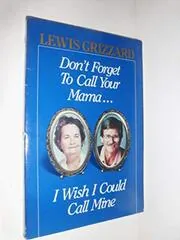
Don't Forget to Call Your Mama...I Wish I Could Call Mine
by Lewis Grizzard
1991
A tender collection built around Grizzard's love for his mother, and the small lessons he carried from growing up in Moreland. He mixes laughs with grief, writing about family, memory, and the phone calls you assume you'll always get to make.
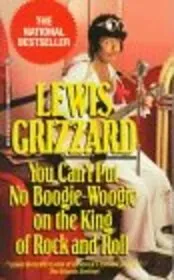
You Can't Put No Boogie-Woogie on the King of Rock and Roll
by Lewis Grizzard
1991
One of Grizzard's column collections, taking on the things people argue about at kitchen tables, from pop culture and traditions to taboos and everyday hypocrisy. The humor is quick, opinionated, and rooted in his down-home point of view.
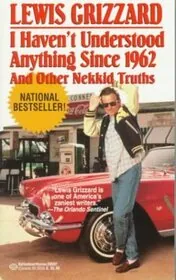
I Haven't Understood Anything Since 1962
by Lewis Grizzard
1992
A cranky-funny tour of American change, from politics and pop culture to shifting manners between men and women. Grizzard uses 1962 as his reference point, then vents, riffs, and occasionally admits he's the one falling behind.
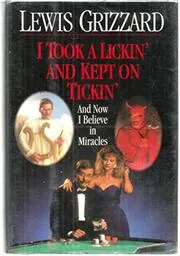
I Took a Lickin' and Kept on Tickin'
by Lewis Grizzard
1993
Grizzard writes about living with heart problems and a surgery that nearly killed him, then the long recovery that followed. It's part hospital tale, part life inventory, with jokes alongside real fear.
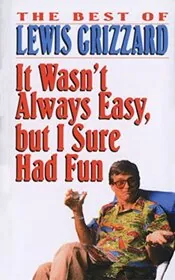
It Wasn't Always Easy, but I Sure Had Fun
by Lewis Grizzard
1994
This best-of anthology pulls together Grizzard's favorite columns and bits, mixing wry opinions, sentimental memories, and the everyday storytelling he was known for. It's a broad sampler that shows both his softer side and his sharp one.
The Grizzard Sampler of the Early Writings of Lewis Grizzard
by Lewis Grizzard
1994
A collection of Grizzard's earlier pieces, before the big national spotlight, covering politics, food, music, religion, and life back home in Georgia. It also includes reflections on his parents and the early days of his heart troubles.
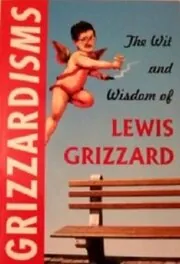
Grizzardisms
by Lewis Grizzard
1995
A bite-size collection of Grizzard's funniest one- and two-line observations on love, money, sports, religion, and everyday hassles. Built for browsing, bookmarking, and sharing the lines that make you laugh out loud.
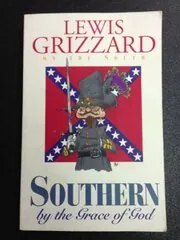
Southern by the Grace of God
by Lewis Grizzard
2001
A posthumous collection of Grizzard's essays about the South, from small-town habits and food to football loyalties and culture clashes. Funny, affectionate, and occasionally cranky, it's a tour of the region through his eyes.
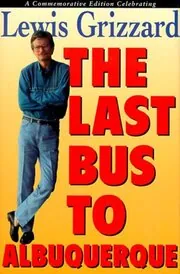
The Last Bus to Albuquerque
by Lewis Grizzard
2001
A commemorative collection assembled after Grizzard's death, pairing more than sixty previously uncollected columns with photos, tributes, and news coverage of his death and funeral. It's a warm, funny snapshot of the voice readers knew from his newspaper work.
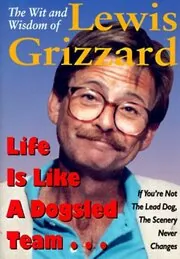
The Wit and Wisdom of Lewis Grizzard
by Lewis Grizzard
2001
A grab bag of Grizzard's sharpest one-liners and short pieces, pulled from his books and columns. Perfect for dipping in and out when you want a quick laugh or a quotable line.
Where to start with Lewis Grizzard
If you want the classic newspaper-column voice: Kathy Sue Loudermilk, I Love You → Won't You Come Home, Billy Bob Bailey? → Don't Sit Under the Grits Tree With Anyone Else But Me
If you want a Georgia homecoming memoir: If I Ever Get Back to Georgia, I'm Gonna Nail My Feet to the Ground → Southern by the Grace of God
If you like relationship humor: If Love Were Oil, I'd Be about a Quart Low → When My Love Returns from the Ladies Room, Will I Be Too Old To Care? → Don't Bend Over in the Garden, Granny, You Know Them Taters Got Eyes
If you want family stories with more heart: My Daddy Was a Pistol and I'm a Son of A Gun → Don't Forget to Call Your Mama...I Wish I Could Call Mine
If you just want quick, quotable bits: Grizzardisms → The Wit and Wisdom of Lewis Grizzard
Lewis Grizzard collections, short stories, and related book types
Non-Fiction
Author bio
Lewis Grizzard was a Georgia newspaper columnist, humorist, and stage storyteller whose work read like a conversation you might hear over coffee. His columns mixed jokes, small-town memory, sports talk, and a plainspoken sentiment that never tried to hide behind fancy language. It wasn't fancy, and that was the point. Readers liked that he could be tender one minute and annoyed the next.
He was born on October 20, 1946, at Fort Benning, Georgia. After his parents divorced, he grew up in Moreland with his mother, Christine, a schoolteacher. He got hooked on newspapers early, even writing up Little League games, and he never really lost that habit of turning everyday life into a story.
At the University of Georgia he studied journalism, but he gravitated to the daily work of reporting, not campus politics. He wrote for the Athens Daily News and became its sports editor while he was still very young. Soon after, he moved to the Atlanta Journal, and by age 23 he was already an executive sports editor. He later went back and finished the remaining coursework for his degree.
Then he left the South, and it made him miserable.
A stint at the Chicago Sun-Times gave him a bigger stage, but it also sharpened his homesickness. In 1977 he returned to Atlanta and, at the Atlanta Constitution, moved from sports into the life-and-humor column people remember. It ran several times a week, was syndicated in hundreds of papers, and turned him into a familiar voice well beyond Georgia.
He wrote every word on a manual typewriter and refused to join the computer age.
The columns worked because they felt personal. Grizzard filled them with recurring characters and nicknames, including Kathy Sue Loudermilk, Billy Bob Bailey, Weyman C. Wannamaker Jr., and Cordie Mae Poovey. He also returned, again and again, to the things he loved and worried over: University of Georgia football, barbecue, country music, dogs, politics, and the feeling that the modern world was moving faster than anyone asked it to.
His books started as collections of that newspaper work, beginning with Kathy Sue Loudermilk, I Love You and continuing with titles like Won't You Come Home, Billy Bob Bailey? and Don't Sit Under the Grits Tree With Anyone Else But Me. Later books widened the mix. If Love Were Oil, I'd Be about a Quart Low and When My Love Returns from the Ladies Room, Will I Be Too Old To Care? leaned into relationships and marriage, while Does a Wild Bear Chip in the Woods? turned golf frustrations into comedy.
When he wanted to get serious, he did it the same way, by telling the truth plainly and letting the joke arrive when it could. He wrote tenderly about his parents in My Daddy Was a Pistol and I'm a Son of A Gun and Don't Forget to Call Your Mama...I Wish I Could Call Mine. He was born with a heart defect and endured multiple surgeries, then turned that experience into books like They Tore Out My Heart and Stomped That Sucker Flat and I Took a Lickin' and Kept on Tickin'.
Grizzard also toured as a speaker and comedian, made television appearances, and even acted on an episode of Designing Women. His voice could be sharp and old-fashioned, and he sometimes drew criticism for the targets of his jokes and his takes on social change. He died on March 20, 1994, in Atlanta, after complications from his fourth open-heart surgery, and he was 47. A small museum in Moreland keeps pieces of his story close to where it started.




%20-%20A%20Miscellany%20of%20Advice%20and%20Opinions.jpg)








Edited by
Software engineer whose passion for tracking book recommendations from podcasts inspired the creation of MRB.
Lead investor at 3one4 Capital whose startup expertise and love for books helped shape MRB and its growth.
Comments
Did we miss something? Have feedback?
Help us improve this page by sharing your thoughts