
Sinclair Lewis Books in Order
Explore Sinclair Lewis books in order, with quick summaries, major novels, and simple where-to-start advice for his satire, drama, and political fiction.
Last updated:
As an Amazon Associate, we earn from qualifying purchases (at no extra cost to you).
Sinclair Lewis books in publication order
44 books
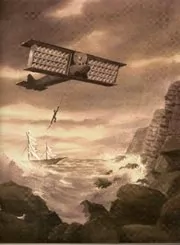
Hike and the Aeroplane
by Sinclair Lewis
1912
A schoolboy nicknamed Hike gets pulled into an early aviation adventure that stretches from academy life to the Mexican border. It mixes football, horses, and a homemade aircraft in a brisk juvenile tale.
Our Mr. Wrenn
by Sinclair Lewis
1914
Shy clerk Bill Wrenn leaves his novelty company routine after a small inheritance lets him travel abroad. His comic, tender journey becomes a search for confidence, romance, and a larger life.
The Trail of the Hawk
by Sinclair Lewis
1915
Carl Ericson grows up in Minnesota pulled between hometown expectations, youthful rebellion, and the desire for a bigger life. Lewis treats his path to adulthood as both comedy and a serious search for purpose.
The Innocents
by Sinclair Lewis
1917
A light early romance about attraction, misunderstanding, and the hope of starting fresh. It is gentler than Lewis's later satires, but already interested in the awkward rules and illusions of courtship.
The Job
by Sinclair Lewis
1917
Una Golden leaves a Pennsylvania town and discovers she has a talent for business in New York. Lewis follows her work, marriage, and independence in a sharp early novel about ambition and the limits placed on women.

The Willow Walk
by Sinclair Lewis
1918
A respected bank clerk secretly lives a double life, and Lewis lets the masquerade grow stranger and riskier by the page. This is a sly, psychologically sharp story about identity, performance, and self-deception.
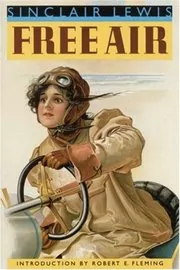
Free Air
by Sinclair Lewis
1919
Society daughter Claire Boltwood sets out by automobile for the Pacific Northwest and meets practical, good-humored Milt Daggett on the road. Part romance, part travel comedy, it captures the freedom and chaos of early motoring.
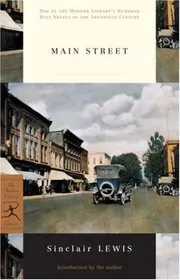
Main Street
by Sinclair Lewis
1920
Carol Milford Kennicott arrives in Gopher Prairie hoping to improve small-town life, then runs straight into gossip, routine, and resistance. Lewis's breakthrough novel is both funny and painful in its portrait of provincial America.
Babbitt
by Sinclair Lewis
1922
Real estate man George F. Babbitt looks like the perfect booster for booming Zenith, until restlessness starts cracking his confident routine. The novel skewers business culture, conformity, and the emptiness behind success.
Recommended by
1 person David Sedaris recommended this book
David Sedaris
"I remember I read [this book] because it was something that the better English class read in high school." - David Sedaris
David Sedaris's recommendation of this book
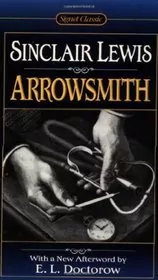
Arrowsmith
by Sinclair Lewis
1925
Idealistic doctor Martin Arrowsmith tries to hold on to scientific truth while moving through small-town practice, public health, and high-powered research. It is a searching novel about medicine, ambition, and compromise.
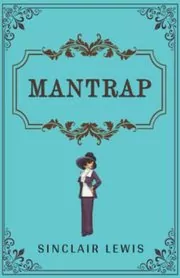
Mantrap
by Sinclair Lewis
1925
New York lawyer Ralph Prescott heads into the Saskatchewan wilderness and finds himself tangled in adventure, desire, and rivalry. Lewis turns a remote outpost into a sharp, lively test of masculine vanity and civilized manners.
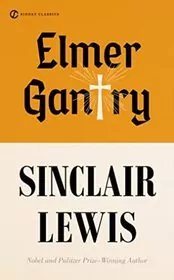
Elmer Gantry
by Sinclair Lewis
1927
Smooth, ambitious Elmer Gantry rises through evangelical preaching with charm, appetite, and very little conscience. Lewis's satire takes aim at religious showmanship while giving its swaggering antihero unforgettable energy.
The Man Who Knew Coolidge
by Sinclair Lewis
1928
Told through monologues by traveling salesman Lowell Schmaltz, this odd, funny satire circles around Zenith, booster talk, and American self-importance. Lewis uses bragging voice and repetition to expose a culture drunk on its own slogans.
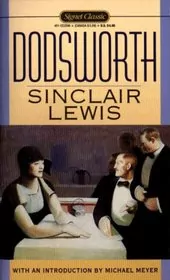
Dodsworth
by Sinclair Lewis
1929
Successful industrialist Sam Dodsworth heads to Europe with his wife and finds that wealth cannot steady a marriage already coming apart. It is one of Lewis's sharpest novels about class, travel, and middle age.
Ann Vickers
by Sinclair Lewis
1933
From Midwestern girlhood to reform work and public life, Ann Vickers fights for purpose on her own terms. Lewis gives her a messy, ambitious, deeply human story about politics, prisons, love, and independence.
Work Of Art
by Sinclair Lewis
1934
A hotel man's career becomes Lewis's way into American boosterism, hospitality, and the question of whether honest work can still count as art. It is a social novel about success, taste, and the machinery of business.
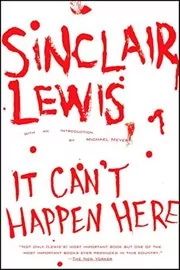
It Can't Happen Here
by Sinclair Lewis
1935
When demagogue Buzz Windrip wins the presidency, journalist Doremus Jessup watches American democracy slide toward dictatorship. Lewis mixes political satire with real dread in a novel that still feels unsettlingly close to home.
Recommended by
2 people Daniel Pink recommended this book
Daniel Pink
Daniel Pink mentioned this book on "The Tim Ferriss Show" podcast.
Daniel Pink's recommendation of this book  Winston Churchill recommended this book
Winston Churchill
One of Winston Churchill's favorite books.
Winston Churchill's recommendation of this book

Jayhawker
by Sinclair Lewis
1935
Written with Lloyd Lewis, this three-act play dramatizes the violent clash between antislavery settlers and proslavery forces in Bleeding Kansas. It reaches back to the border wars to explore idealism, brutality, and political myth.

Selected Short Stories of Sinclair Lewis
by Sinclair Lewis
1935
This volume gathers some of Lewis's best shorter fiction, from social satire to melancholy character sketches. It is a good sampler of how sharp, funny, and surprising he could be outside the novel.
The Prodigal Parents
by Sinclair Lewis
1938
Mr. and Mrs. Cornplow decide they have had enough of being pushed around by their modern, selfish grown children. Lewis turns a family rebellion into a tart comedy about age, money, and generational resentment.

Bethel Merriday
by Sinclair Lewis
1940
Bethel Merriday wants a life on the stage, and Lewis follows her through touring productions, backstage politics, and hard-earned ambition. It is a theatre novel about performance, reinvention, and the gap between glamour and work.
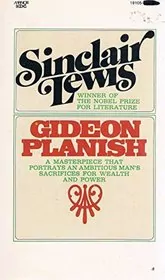
Gideon Planish
by Sinclair Lewis
1943
Gideon Planish is a gifted fraud, always climbing, always networking, and always ready to dress self-interest as public service. Lewis uses him to skewer philanthropy, celebrity reform, and the business of looking virtuous.
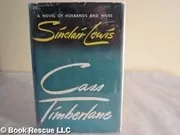
Cass Timberlane
by Sinclair Lewis
1945
Judge Cass Timberlane enters a late marriage that looks promising from the outside but grows complicated once class, age, desire, and expectation set in. Lewis shifts from public satire to intimate domestic drama without losing his bite.
Kingsblood Royal
by Sinclair Lewis
1947
Neil Kingsblood, a respectable white banker in Minnesota, learns his family line includes Black ancestry. Lewis uses his crisis to expose the brutality and absurdity of racism in postwar America.
The God-Seeker
by Sinclair Lewis
1949
Set in frontier Minnesota, this late novel follows a missionary trying to bring Christianity to Dakota people while traders and settlers press in. Lewis turns the historical setting into a searching book about faith, power, and cultural collision.
World So Wide
by Sinclair Lewis
1951
Recently widowed architect Hayden Chart drifts through Florence looking for meaning, beauty, and a place to begin again. Published after Lewis's death, it is a late novel of grief, art, and American restlessness abroad.
From Main Street to Stockholm
by Sinclair Lewis
1953
These letters from 1919 to 1930 track Lewis from the making of Main Street to the Nobel Prize. They reveal a working writer at full speed, juggling books, business, travel, and ambition.
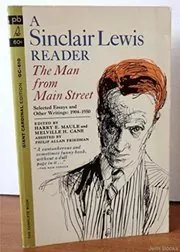
The Man From Main Street
by Sinclair Lewis
1953
This posthumous collection gathers autobiographical pieces, essays, and commentary that show Lewis outside the novel. It is the best place to hear his own voice on writing, journalism, fame, and American life.

I'm A Stranger Here Myself and Other Stories
by Sinclair Lewis
1962
A varied collection of Lewis stories about outsiders, ambition, romance, and everyday absurdity. The pieces are shorter and lighter than his big novels, but they still carry his gift for social comedy.
Storm in the West
by Sinclair Lewis
1963
This unproduced western screenplay pits frontier ranches against a power-hungry villain in a story meant to echo the politics of World War II. It is Lewis in allegorical mode, turning genre adventure into warning.

If I Were Boss
by Sinclair Lewis
1997
These early business stories show Lewis learning how offices, salesmanship, and self-promotion shape American life. The collection is especially good on hustle, petty vanity, and the language people use to sell themselves.

Go East, Young Man
by Sinclair Lewis
2005
A compact Lewis story about travel, reinvention, and the lure of someplace else. He follows characters who head outward for novelty and freedom, then run into the same vanities and confusions they hoped to leave behind.

The Minnesota Stories of Sinclair Lewis
by Sinclair Lewis
2005
These stories return Lewis to the towns, prairies, and social tensions that shaped him. Together they show how often Minnesota gave him his settings, his comic ear, and his feeling for ambition and loneliness.

The Boy Scouts of the Eagle Patrol
by Sinclair Lewis
2007
A classic Boy Scouts adventure full of trails, camp life, rivalries, and rescues. The Eagle Patrol relies on teamwork and practical skills as ordinary outings keep turning into tests of courage.

The Short Stories of Sinclair Lewis, 1904-1949
by Sinclair Lewis
2007
This large collection traces Lewis's short fiction across nearly his entire career. It lets you watch the early apprentice pieces, the magazine stories, and the mature social satire develop side by side.

Young Man Axelbrod
by Sinclair Lewis
2013
An aging Swedish farm laborer comes to Yale to visit the student he idolizes, only to find the world of culture and youth more fragile than he hoped. Lewis balances comedy, class feeling, and real pathos.

Moths in the ARC Light
by Sinclair Lewis
2014
A lonely businessman becomes fascinated by a woman he can see across the street in another office. Their meeting turns Lewis's urban romance into a wry story about ambition, loneliness, and mistaken expectations.

Speed
by Sinclair Lewis
2014
A record-breaking cross-country auto run brings fame, risk, and exhaustion together on the open road. Lewis captures the thrill of early speed culture while hinting at the loneliness and danger behind the spectacle.

The Cat of the Stars
by Sinclair Lewis
2014
A child's small, selfish act sets off an absurd chain of consequences that grows wildly beyond anyone's control. Lewis turns everyday chance into a darkly comic fable about causation, accident, and human foolishness.

The Ghost Patrol
by Sinclair Lewis
2014
In a rough city neighborhood, a former policeman keeps watch after his official career is over. Lewis shapes the story as a melodrama of loyalty, danger, and the stubborn pull of public duty.

The Kidnaped Memorial
by Sinclair Lewis
2014
In Wakamin, neglected Memorial Day traditions stir grief, pride, and stubborn action among older townspeople. Lewis turns a small civic crisis into a tender story about memory, public ritual, and the fading of one generation.

Things
by Sinclair Lewis
2014
When sudden wealth lifts a Minnesota family into a grander social world, their daughter begins to feel trapped by the possessions that were supposed to free her. Lewis makes material success feel claustrophobic and sad.

Harri
by Sinclair Lewis
2016
When widow Harri arrives in New Kotka, Minnesota, with two children, the town expects a quiet struggle for survival. Instead, Lewis gives them a formidable woman whose drive unsettles local habits, gossip, and power.
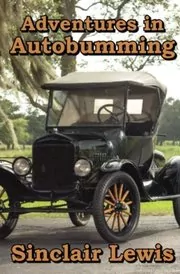
Adventures in Autobumming
by Sinclair Lewis
2017
In these lively travel pieces, Lewis writes about riding the road, catching lifts, and watching America from the passenger seat. They are funny, observant snapshots of early car culture and the people who made it go.
Where to start with Sinclair Lewis
If you want the essentials: Main Street → Babbitt → Arrowsmith
If you want his sharpest social satire: Babbitt → Elmer Gantry
If you want political warning fiction: It Can't Happen Here
If you want richer character drama: Dodsworth → Ann Vickers
Sinclair Lewis collections, short stories, and related book types
Short Stories/Novellas
Plays
Collections
Non-Fiction
Standalone Sinclair Lewis books
Author bio
Sinclair Lewis was born on February 7, 1885, in Sauk Centre, Minnesota, the small town that would stay under his skin for the rest of his life. His father was a doctor. His mother died when he was young, and he grew up as a lanky, bookish boy who read constantly, kept a diary, and felt a little out of step with everyone around him.
He knew early what loneliness felt like.
As a teenager he spent a year at Oberlin Academy, then went on to Yale, entering in 1903 and taking a winding path to his degree in 1908. College did not turn him into a polished man of the world. What it did give him was practice. He wrote for student publications, edited the Yale Literary Magazine, and kept testing the voice that would later make his fiction so sharp and so recognizably American.
After Yale, he drifted. He worked for newspapers and publishers, spent time in Iowa, California, and New York, and took detours that now sound almost made up, including a spell at Upton Sinclair's cooperative colony in New Jersey and a trip to Panama. He wrote quickly, sold stories to magazines, and even sold plot ideas to Jack London. For years he looked like one more talented young man trying to pay rent.
Then came Main Street.
Published in 1920, it turned Lewis into a major literary figure almost overnight. Through Carol Kennicott and the town of Gopher Prairie, he wrote about small-town complacency, gossip, and stubbornness with a mix of comedy and irritation that readers instantly recognized. He followed it with Babbitt, where George F. Babbitt became the face of middle-class boosterism, and with Arrowsmith, a novel about medicine, research, and the strain between idealism and success. Readers still come to Lewis for that gift: he could make a social type feel funny, maddening, and painfully human all at once.
He kept widening the field.
In Elmer Gantry, he took on revivalist religion through a preacher who is all appetite and performance. In Dodsworth, he moved into wealth, marriage, and American unease abroad. In Ann Vickers, he gave a woman reformer a life that was ambitious, unruly, and not easily squeezed into polite expectations. And in It Can't Happen Here, published in 1935, he imagined an American slide into authoritarian rule long before many people wanted to believe such a thing was possible.
In 1930, Lewis became the first American writer to win the Nobel Prize in Literature. He had already refused the Pulitzer Prize awarded to Arrowsmith, in part because he was still angry that Main Street had been passed over years earlier. That mix of pride, grievance, wit, and stubbornness was very much part of the man. He was not tidy, and neither was his career.
His personal life was just as unsettled. He married Grace Livingston Hegger in 1914, and they had a son, Wells. After their divorce, he married the journalist Dorothy Thompson in 1928, and they had a son, Michael. His second marriage also ended in divorce. The death of Wells in World War II hit him hard, and alcohol became a deeper and deeper problem as he grew older.
Even late in life, he kept working, lecturing, traveling, and arguing with America on the page. He spent time in the Midwest and in Europe, taught briefly at the University of Wisconsin, and kept returning to the subjects that obsessed him: money, status, faith, power, marriage, and the everyday language people use to hide from themselves. He died in Rome on January 10, 1951, and was buried back in Sauk Centre.
That feels right.




%20-%20A%20Miscellany%20of%20Advice%20and%20Opinions.jpg)




Edited by
Software engineer whose passion for tracking book recommendations from podcasts inspired the creation of MRB.
Lead investor at 3one4 Capital whose startup expertise and love for books helped shape MRB and its growth.
Comments
Did we miss something? Have feedback?
Help us improve this page by sharing your thoughts