
Les Dawson Books in Order
This page lists Les Dawson books in order, with quick summaries, notes on his novels, memoirs, and joke books, and easy suggestions on where to start.
Last updated:
As an Amazon Associate, we earn from qualifying purchases (at no extra cost to you).
Les Dawson books in publication order
22 books
A Card For The Clubs
by Les Dawson
1974
Joe King is a northern club comic trying to make it big as working men's clubs rise and fall around him. Dawson uses clubland gossip, ambition, and disappointment to show the hard grind behind the laughs.
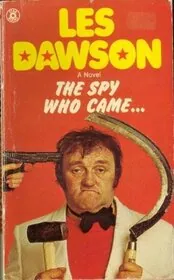
The Spy Who Came...
by Les Dawson
1976
Dawson turns spy-thriller cliches into comedy in a brisk send-up full of bungled espionage, suspicion, and absurd encounters. It is less a straight thriller than a joke-packed spoof of the whole genre.

The Cosmo Smallpiece Guide To Male Liberation
by Les Dawson
1979
In this satirical fantasy, Dawson pokes at modern masculinity, self-importance, and the idea of male liberation. The jokes come quickly, mixing mock seriousness with the kind of grand, foolish behavior he loved to puncture.
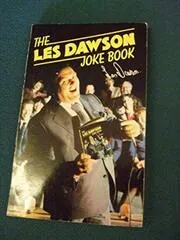
The Les Dawson Joke Book
by Les Dawson
1979
A handy collection of Dawson's one-liners, routines, and favorite comic turns from his peak years. It is the straightest route to his stage voice, full of sharp phrasing, daft images, and perfectly timed grumbles.
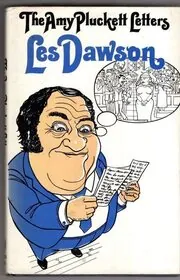
The Amy Pluckett Letters
by Les Dawson
1982
Told through letters, this comic piece lets Amy Pluckett loose on family life, petty annoyances, and social pretensions. Dawson uses her voice to build a running portrait of domestic warfare that grows funnier as the complaints pile up.

The Malady Lingers on and Other Great Groaners
by Les Dawson
1982
A collection of groaners, puns, and comic riffs that shows Dawson's love of language at its silliest. If you like old-school joke craft and cheerfully awful punch lines, this is exactly that sort of fun.
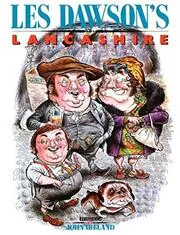
Les Dawson's Lancashire
by Les Dawson
1983
Part celebration and part comic portrait, this book looks at the county, characters, and everyday life that shaped Dawson's humor. It is affectionate about Lancashire without smoothing away the grit, gossip, or local oddness.

Hitler Was My Mother In Law
by Les Dawson
1984
This comic collection presents the sharp, complaining voice of Amy Pluckett as she writes about family feuds, domestic chaos, and everyday grievances. The humor comes from turning ordinary misery into gloriously overblown outrage.

A Clown Too Many
by Les Dawson
1985
In the first volume of his autobiography, Dawson traces his early life, hard years in the clubs, and climb into television. It is candid, very funny, and full of the setbacks and strange jobs that made the act.
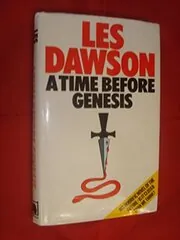
A Time Before Genesis
by Les Dawson
1987
Set in a near-future Britain, this strange and dark novel mixes conspiracy, religion, horror, and apocalyptic fantasy. A journalist digs into hidden forces at work in the world and finds a story far more unsettling than he expected.
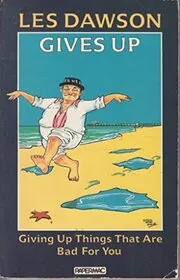
Les Dawson Gives Up
by Les Dawson
1989
Dawson takes aim at bad habits and everyday nuisances, offering comic thoughts on the things people know they should quit. Health advice is not the point here. The laughs come from exaggeration, irritation, and rueful self-knowledge.
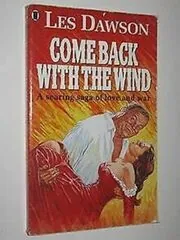
Come Back with the Wind
by Les Dawson
1990
Dawson imagines the North-South divide in Britain pushed to comic extremes, with whiskey shortages and regional pride tipping into civil war. It is broad satire, part alternate history and part farce, with a very northern bite.

No Tears for the Clown
by Les Dawson
1992
This second autobiography picks up after the first memoir, covering later success, illness, family life, and loss. Dawson stays funny, but the book also shows a more reflective side as fame and private sorrow collide.

Well Fared, My Lovely
by Les Dawson
1992
Private eye Marlowe, in Dawson's comic noir pastiche, stumbles into a grubby underworld of gangsters, femmes fatales, and bent officials. The plot is knowingly outrageous, but the real fun is the hard-boiled language turned gloriously silly.
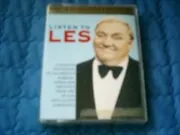
Listen to Les
by Les Dawson
1993
A radio collection of sketches, monologues, and singalong mischief from Dawson's long-running BBC show. It captures the relaxed rhythm of his audio work, where deadpan storytelling and deliberately awful piano playing do the heavy lifting.
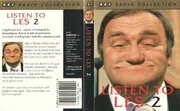
Listen To Les 2
by Les Dawson
1995
A second helping of radio material, with more sketches, monologues, and Dawson's unmistakable delivery at center stage. It is a good follow-up if you want more of the BBC show and the easy warmth of his spoken comedy.
The Blade and the Passion
by Les Dawson
1995
Dawson's last novel is a wild historical romp packed with bawdy jokes, strange characters, and gleeful melodrama. It charges through history with very little restraint and a lot of comic energy.
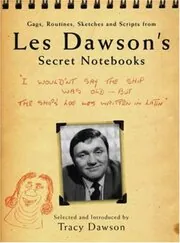
Les Dawson's Secret Notebooks
by Les Dawson
2007
Drawn from notebooks and diaries, this posthumous collection gathers unpublished gags, routines, sketches, and stray comic thoughts. It feels like a look inside Dawson's workshop, showing how restless and prolific he was on the page.

Les Dawson
by Les Dawson
2008
This retrospective compilation brings together some of Dawson's best-known screen moments, including sketches and familiar characters. It works as a brisk introduction to the performer, especially if you want the timing, face, and piano act in action.
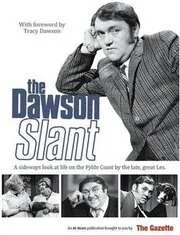
The Dawson Slant
by Les Dawson
2009
This slim collection rounds up Dawson pieces and memories with a local angle, alongside photographs and a foreword by Tracy Dawson. It is best read as a warm keepsake, showing the comic voice in shorter bursts.
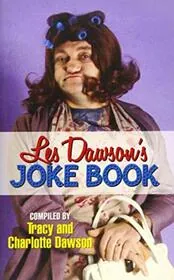
Les Dawson's Joke Book
by Les Dawson
2012
Compiled from Dawson's archive by Tracy and Charlotte Dawson, this later joke book gathers classic lines, sketches, and comebacks from radio and television. It is a strong sampler of the humor that made him such a familiar comic voice.

Laugh With Les
by Les Dawson
2013
This audio release revives a 1979 collection of sketches and routines drawn from Dawson's BBC work, including Cissie and Ada material. It is short, punchy, and a good snapshot of how well his comedy played in sound alone.
Where to start with Les Dawson
If you want the life story first: A Clown Too Many → No Tears for the Clown
If you want fiction rooted in clubland and northern life: A Card For The Clubs → Come Back with the Wind → Well Fared, My Lovely
If you want the joke-writing side: The Les Dawson Joke Book → The Malady Lingers on and Other Great Groaners → Les Dawson's Secret Notebooks
If you want his strangest novel: A Time Before Genesis
Les Dawson collections, short stories, and related book types
Non-Fiction
Standalone Les Dawson books
Author bio
Les Dawson was born in Collyhurst, Manchester, on February 2, 1931, and grew up in a hard-pressed working-class world that later fed both his comedy and his writing. Even when he became a familiar face on British television, there was still something unmistakably local about him. Manchester never really left his voice.
Long before television made him famous, he wanted to be a writer.
As a young man he worked a string of ordinary jobs, including the parcels department at the Manchester Co-op, a spell on the Bury Times, and time as an apprentice electrician, before doing National Service. All the while he was reading seriously, especially Charles Lamb, and writing poetry in private, because literary ambition was not something a boy from Collyhurst was expected to talk about.
After the army he went to Paris hoping to make his name as a writer, but earning a living pushed him in a different direction. He found work at the piano in a nightclub he later described as a brothel, and discovered that playing the wrong notes could get bigger laughs than playing the right ones. That off-key piano act, mixed with a gloomy face and precise timing, became part of his comic signature.
His big break came in 1967 on Opportunity Knocks. From there he moved into a long run of television and radio success with Sez Les, The Les Dawson Show, Listen to Les, and later Blankety Blank. Viewers loved the deadpan delivery, the sudden lurch from fancy language to blunt silliness, and the sense that he understood ordinary frustrations, marriage rows, and small humiliations from the inside.
Writing, though, was never a side hobby to him. His first novel, A Card For The Clubs, drew on the world of working men's clubs and the long slog of trying to make a living as a comic. Later books went off in very different directions. Come Back with the Wind turns the North-South divide into broad satire, Well Fared, My Lovely plays with hard-boiled detective fiction, and A Time Before Genesis shows a much stranger, darker side of his imagination than many readers expect.
For plenty of readers, the best place to meet the person behind the act is in the autobiographies A Clown Too Many and No Tears for the Clown. They tell the story of the lean years, the club circuit, television fame, illness, grief, and family life without dropping the humor. He could be very funny on the page, but he could also be plain about disappointment, ambition, and the cost of keeping an act going year after year.
A few things run through nearly all his work. He liked underdogs, social climbers, loud bores, put-upon husbands, and people talking just a little above themselves. He also loved language for its own sake. That is why even the quick joke collections, books like The Les Dawson Joke Book, The Malady Lingers on and Other Great Groaners, and later Les Dawson's Secret Notebooks, often feel like more than throwaway gags. The wordplay matters.
Dawson spent many of his later years in Lytham St Annes, though Lancashire and Manchester stayed at the center of his imagination. He died in Manchester on June 10, 1993, aged sixty-two. The public remembered the face, the piano, and the mother-in-law jokes. He very much wanted them to remember the writing as well.








Edited by
Software engineer whose passion for tracking book recommendations from podcasts inspired the creation of MRB.
Lead investor at 3one4 Capital whose startup expertise and love for books helped shape MRB and its growth.
Comments
Did we miss something? Have feedback?
Help us improve this page by sharing your thoughts