
DH Lawrence Books in Order
Browse D. H. Lawrence books in order, with short summaries, series overviews, and where to start reading his novels, stories, essays, and travel writing.
Last updated: 18 new books added
As an Amazon Associate, we earn from qualifying purchases (at no extra cost to you).
DH Lawrence books in publication order
79 books
The White Peacock
by DH Lawrence
1911
Lawrence's first published novel portrays tangled friendships and mismatched marriages in the English countryside as industry encroaches. Through a group of young people making ill-judged choices in love, he explores class, pride, and the damage done when people ignore their deeper instincts.
The Trespasser
by DH Lawrence
1912
Based on the real-life affair of a friend, this early novel tells of Siegmund, a married man, and Helena, the woman who persuades him to take a brief holiday together. Set largely on a windswept island, it probes the gap between romantic escape and the hard return to everyday life.
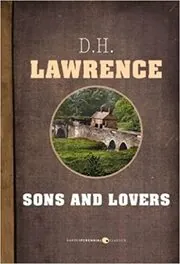
Sons And Lovers
by DH Lawrence
1913
Often seen as Lawrence's first masterpiece, this novel follows Paul Morel from boyhood in a mining village to the painful end of an all-consuming tie with his mother. His divided loyalties to family, class, and two very different women make it a powerful study of love and dependence.
Sons and Lovers Volume I
by DH Lawrence
1913
The first of two volumes of *Sons and Lovers* introduces the Morel family in a Nottinghamshire mining town and traces Paul's childhood. It shows how his mother's thwarted hopes and his father's roughness shape the intense bond that will govern his later choices.
Sons and Lovers Volume II
by DH Lawrence
1913
Continuing the story begun in Volume I, this volume follows Paul Morel into adult life as he becomes an artist and navigates fraught relationships with Miriam and Clara. His struggle to break free from his mother without betraying her gives the novel its emotional force.
Daughters of the Vicar
by DH Lawrence
1914
In a poor mining parish, the proud but impoverished Lindley family try to preserve their sense of superiority over their parishioners. One daughter marries a frail clergyman for security, while the other chooses a collier for love, tearing open fault lines of class and desire.
The Prussian Officer and Other Stories
by DH Lawrence
1914
Soldiers, workers and families confront desire, jealousy and the pressures of social class in Lawrence’s first story collection. Its twelve tales examine strained relationships and the emotional consequences of lives shaped by authority and industrial society.
The Rainbow
by DH Lawrence
1915
Spanning three generations of the Brangwen family in the English Midlands, this novel follows their struggles with marriage, work, and spiritual hunger as the countryside industrialises around them. It culminates in Ursula Brangwen's fierce attempt to claim a life beyond conventional roles.
Twilight in Italy
by DH Lawrence
1916
These early travel essays draw on Lawrence's time in northern Italian villages around Lake Garda. He observes peasants, priests, and tourists with a sharp, sometimes caustic eye, using local stories and landscapes to question modern religion, nationalism, and the desire for escape.
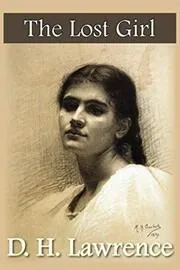
The Lost Girl
by DH Lawrence
1920
Alvina Houghton, the daughter of a struggling shopkeeper in a Midlands town, longs to escape a stifling life. When she falls for an Italian performer and follows him to a remote village near Naples, her search for freedom leads to a risky, ambiguous new existence.
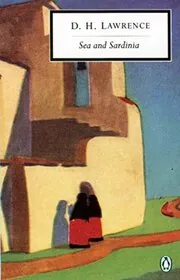
Sea and Sardinia
by DH Lawrence
1921
Lawrence records a brief winter journey by boat, train, and foot across Sardinia with Frieda. The book offers quick, vivid impressions of villages, inns, and fellow travellers, and lets him contrast the island's raw, local life with the more standardised Europe he disliked.
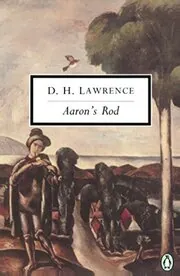
Aaron's Rod
by DH Lawrence
1922
Aaron Sisson, a miner and gifted amateur flautist, walks out on his wife and children in search of a freer life. His travels through postwar England and Italy, and the explosive fate of his beloved flute, become a darkly comic exploration of leadership, art, and escape.
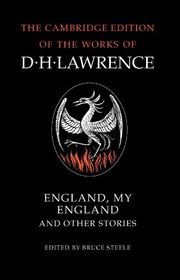
England, My England and Other Stories
by DH Lawrence
1922
Written around the First World War, these stories follow people struggling with intimacy, marriage and disrupted expectations. Lawrence explores the tensions beneath ordinary encounters, showing how private relationships respond to social upheaval and difficult acts of recognition.
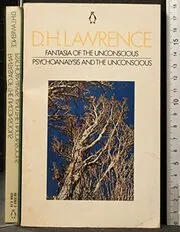
Fantasia of the Unconscious and Psychoanalysis and the Unconscious
by DH Lawrence
1923
Another pairing of Lawrence's major psychological works, this edition invites readers into his wild, speculative account of how instinct, sex, and spirit move through the body. It is challenging, eccentric writing that sheds light on obsessions running through his fiction.
Kangaroo
by DH Lawrence
1923
An English writer, Richard Lovat Somers, arrives in New South Wales after the First World War and is courted by both a right-wing paramilitary leader nicknamed Kangaroo and a socialist agitator. His wavering between them becomes a searching study of politics, loyalty, and refusal.
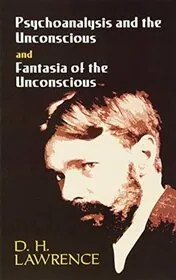
Psychoanalysis and the Unconscious and Fantasia of the Unconscious
by DH Lawrence
1923
Bringing together two linked books, this volume presents Lawrence's alternative to orthodox Freudian psychology. He sketches a vision of the unconscious rooted in the body, polarity, and instinct, using bold metaphors to argue that modern people have lost touch with deeper currents of feeling.
Studies in Classic American Literature
by DH Lawrence
1923
In these provocative essays Lawrence takes on Franklin, Hawthorne, Melville, Poe, Whitman, and others, arguing that American classics hide wild, unsettling energies beneath their surfaces. His offbeat readings helped change how twentieth-century readers saw the American literary tradition.
The Boy in the Bush
by DH Lawrence
1924
Co-written with Australian author Mollie Skinner, this novel follows Jack Grant, a young Englishman trying to make a life in the Western Australian bush. As he moves between settlers, Aboriginal people, and the harsh landscape, questions of freedom, sex, and belonging press in on him.
The Plumed Serpent
by DH Lawrence
1926
Set in post-revolutionary Mexico, this novel follows Irish tourist Kate Leslie as she is drawn into a nationalist religious movement led by two charismatic men. The story blends politics, mysticism, and uneasy romance in a provocative vision of reborn pagan worship.
The Rocking-Horse Winner
by DH Lawrence
1926
In a middle-class house that seems to whisper that there must be more money, young Paul discovers he can name winning racehorses by frantically riding his old rocking horse. The tale is a chilling fable about luck, greed, and the cost of confusing money with love.
John Thomas and Lady Jane
by DH Lawrence
1927
An earlier version of the story later reworked as *Lady Chatterley's Lover*, this novel follows an affair between a titled woman and a working-class man. It offers a different balance of humour, dialect, and explicitness, and lets readers see Lawrence reshaping the same material.
Mornings in Mexico and Etruscan Places
by DH Lawrence
1927
This combined volume pairs Lawrence's Mexican travel sketches with his journeys among Etruscan tombs in Italy. Together they show him searching for older, more instinctive ways of life on two continents, and measuring them against the restless modern world he knew.
Lady Chatterley's Lover
by DH Lawrence
1928
Constance Chatterley, trapped in a sterile marriage to an aristocratic, paralysed husband, finds an unexpected, taboo intimacy with the gamekeeper on their estate. The novel explores class, physical love, and emotional numbness, and became a landmark in battles over literary censorship.
Recommended by
1 person Christopher Hitchens recommended this book
Christopher Hitchens
"Plainly intended to suggest that the gamekeeper had sodomized his boss’s wife." - Christopher Hitchens
Christopher Hitchens's recommendation of this book
Pornography and So on
by DH Lawrence
1928
Collecting Lawrence's polemical writings on pornography, obscenity, and the policing of art, this volume shows him arguing that much so-called morality is really fear of the body. He challenges easy distinctions between the clean and the dirty in literature and painting.
The Woman Who Rode Away and Other Stories
by DH Lawrence
1928
These thirteen stories draw on Lawrence’s travels across Europe and North America, mixing portraits of acquaintances with spiritual quests and uneasy relationships. In the title story, a woman leaves her home seeking a different kind of existence.
The Man Who Died
by DH Lawrence
1929
A man returns to life after crucifixion and begins to reconsider the purpose of his existence. This reimagining of Christ’s resurrection explores bodily renewal, relationships, and the possibility of a life beyond religious duty.
Sex, Literature, and Censorship
by DH Lawrence
1930
This collection gathers Lawrence's essays on love, sex, obscenity, and the moral panic around *Lady Chatterley's Lover*. It includes his fiercest pieces on censorship and several intimate reflections that show how closely he linked sexuality, language, and personal honesty.
The Virgin and the Gipsy
by DH Lawrence
1930
Two sisters return to a stifling rectory governed by their grandmother, father, and aunt. Encounters with a travelling gipsy awaken desires that challenge respectable expectations and expose the conflict between family duty and personal freedom.
Apocalypse
by DH Lawrence
1931
A stand-alone edition of Lawrence's commentary on the Book of Revelation, written when he was gravely ill. It mixes fierce attacks on mechanised civilisation with rhapsodic readings of biblical symbols, and suggests how new myths might grow from old religious images.
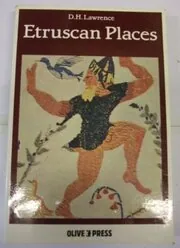
Etruscan Places
by DH Lawrence
1932
In this travel book Lawrence visits Etruscan tombs and hill towns in central Italy, finding in their art a warmth and bodily ease he felt modern Europe had lost. His descriptions of carved figures and faded paintings become arguments about what it means to live fully.
Propos of Lady Chatterley's Lover, Being an Essay Extended from My Skirmish with Jolly Roger.
by DH Lawrence
1932
Lawrence's extended defence of *Lady Chatterley's Lover*, written in the face of bans and pirated editions. He explains why he wrote so directly about sex, attacks what he saw as prurient moralism, and sets out his belief that honest physical love can be a healing force.
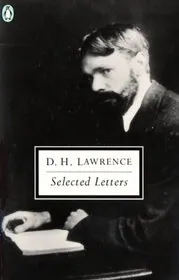
Selected Letters
by DH Lawrence
1932
A concise selection of Lawrence's letters designed for general readers. It follows him from his Nottinghamshire youth through exile and illness, offering quick, revealing snapshots of the man behind the controversial novels.
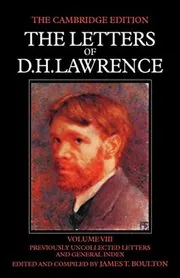
The Letters of D.H.Lawrence
by DH Lawrence
1932
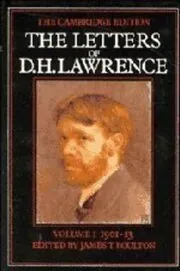
An edited collection of Lawrence's correspondence from the middle and later years of his career. These letters show him juggling work on major novels, money worries, fraught friendships, and a growing sense that he had to live outside England to keep writing freely.
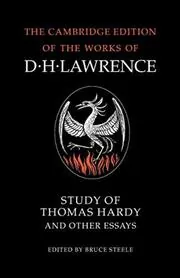
Study of Thomas Hardy and Other Essays
by DH Lawrence
1933
Lawrence's long essay on Thomas Hardy begins as criticism and turns into a sketch of his own beliefs about love, fate, and the novel. The accompanying essays extend those concerns, touching on philosophy, art, and the problem of writing truthfully about sex and spirit.
A Modern Lover and Other Stories
by DH Lawrence
1934
Six early stories explore the tensions of courtship, marriage and shifting relationships. From A Modern Lover to New Eve and Old Adam, the collection brings together short fiction about intimate lives unsettled by desire and conflict.
The Letters of D.H.Lawrence
by DH Lawrence
1934
This volume offers another broad sampling of Lawrence's letters, chosen to show the range of his moods and concerns. Love quarrels, publishing battles, travel arrangements, and sudden flashes of sympathy or fury sit side by side on the page.
The Lovely Lady
by DH Lawrence
1946
Seven stories examine family conflict and domestic unease, including a child’s feverish pursuit of luck and a mother’s struggle with her daughter. Lawrence explores how affection, dependence and hidden hostility can distort the closest relationships.
Selected Essays
by DH Lawrence
1950
A lively mix of personal essays in which Lawrence writes about landscapes, animals, democracy, education, and everyday encounters. The pieces shift easily between storytelling and argument, giving a strong sense of his voice when he was not bound by the shape of a novel.
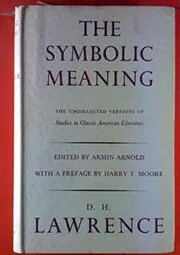
Symbolic Meaning the Uncollected Version
by DH Lawrence
1962
Another edition of the uncollected versions behind *Studies in Classic American Literature*, this book presents Lawrence's first sustained engagement with major American writers. It lets readers compare his initial, more exploratory readings with the sharper, shorter essays of the later book.
Symbolic Meaning, Uncollected Versions of 'Studies in Classic American Literature'
by DH Lawrence
1962
Here are Lawrence's earlier, often calmer versions of the essays later reshaped into *Studies in Classic American Literature*. They offer a different tone and emphasis as he considers Franklin, Cooper, Hawthorne, Melville, Whitman, and others before revising the book in anger after visiting America.
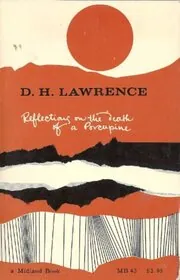
Reflections on the Death of a Porcupine
by DH Lawrence
1963
Centred on the haunting title essay, this volume presents Lawrence meditating on a porcupine's death and what it reveals about cruelty, beauty, and the struggle for being. Other pieces extend his reflections on nature, power, and the uneasy relationship between people and animals.
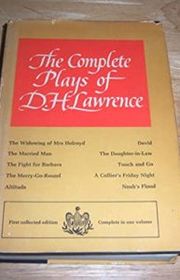
The Complete Plays
by DH Lawrence
1966
Eight plays and two fragments bring together Lawrence’s dramatic writing, much of it rooted in family tensions and working lives. Restored manuscript texts reveal conflicts shaped by marriage, dependence and social expectations, including several works unpublished during his lifetime.
Lawrence In Love
by DH Lawrence
1968
Focused on Lawrence's letters to his early fiancée Louie Burrows, this collection shows him before fame and scandal reshaped his life. The correspondence mixes romantic intensity with talk about teaching, money, and his first serious attempts to become a full-time writer.
Phoenix II
by DH Lawrence
1968
This collection brings together previously uncollected and unpublished prose, extending the range of Lawrence’s essays, fiction and reflections. Autobiographical pieces and writings connected with his other work offer further insight into his creative interests and convictions.
The Centaur Letters.
by DH Lawrence
1970
This slim volume prints Lawrence's correspondence with the Centaur Book Shop and its owner, who helped publish his work in America. The letters shed light on the troubled printing history of *Lady Chatterley's Lover* and his running battles with censorship and piracy.
The Letters of D. H. Lawrence
by DH Lawrence
1970
A carefully edited volume of Lawrence's letters that brings together key moments from different periods of his life. It is an accessible way to meet him as a friend and working writer, hearing his spontaneous reactions to places, people, illness, and literary success.
The Letters of D. H. Lawrence, Volume II
by DH Lawrence
1970
Covering June 1913 to October 1916, this volume spans the enthusiastic reception of *Sons and Lovers* and the writing of *The Rainbow* and *Women in Love*. The letters record his marriage to Frieda, wartime suspicion, and his first efforts to imagine a new kind of community.
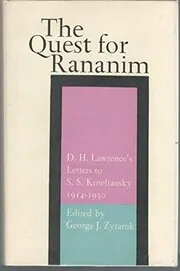
The Quest for Rananim
by DH Lawrence
1970
A collection of Lawrence's letters to his friend S. S. Koteliansky, focused on his dream of founding a small, utopian community he called Rananim. The correspondence follows his travels and enthusiasms, from plans for colonies to sharp comments on politics, art, and friends.
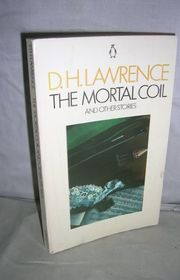
Mortal Coil And Other Stories
by DH Lawrence
1971
Sixteen short pieces bring together Lawrence’s early fiction and sketches, including animal stories, domestic encounters and observations of rural life. The selection places The Mortal Coil alongside works such as The Old Adam and New Eve and Old Adam.
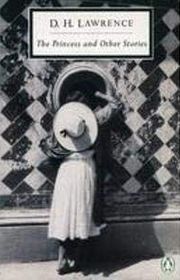
The Princess and Other Stories
by DH Lawrence
1971
This collection gathers stories including The Princess, Sun, The Overtone and Mother and Daughter, alongside lesser-known pieces. Across varied settings, Lawrence explores uneasy relationships and the conflicts that emerge when private desires challenge familiar expectations.
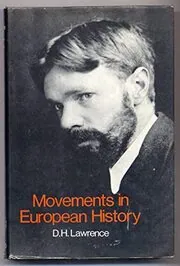
Movements In European History
by DH Lawrence
1972
Written as a school textbook, this survey of European history reads more like a vivid story than a dry outline. Lawrence moves from the Roman Empire to the modern nation state in bold strokes, constantly asking what great events actually felt like to ordinary people.
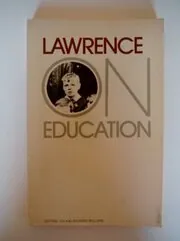
Lawrence On Education
by DH Lawrence
1973
An anthology of Lawrence's writings on schooling, children, and learning, drawn from essays, letters, and fiction. He questions rigid classroom routines, argues for education that respects feeling as well as intellect, and reflects on his own years as a teacher.
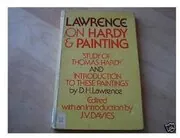
On Hardy and painting
by DH Lawrence
1973
Combining his classic essay Study of Thomas Hardy with his introduction to a group of his own paintings, this book shows Lawrence thinking about both literature and visual art. He explores Hardy's characters and landscapes, then turns to what paint on canvas can express that words cannot.
The Collected Letters of D H Lawrence
by DH Lawrence
1979
An omnibus volume bringing together a large body of Lawrence's letters from across his life. It offers a continuous narrative of his journey from Nottinghamshire schoolteacher to controversial, wandering writer, seen through the everyday details he shared with friends and publishers.
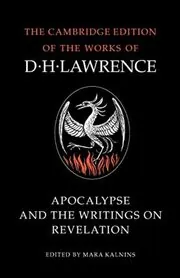
Apocalypse and the Writings on Revelation
by DH Lawrence
1980
Lawrence's final book is a passionate, highly personal reading of the biblical Book of Revelation. In these pages he attacks modern civilisation, reimagines apocalyptic imagery, and sets out his belief that new myths are needed if people are to live with any wholeness.
St Mawr and Other Stories
by DH Lawrence
1983
A woman finds in a powerful stallion the vitality missing from the men around her in St Mawr. Related stories and unfinished pieces, written during Lawrence’s time in Mexico and New Mexico, accompany the novella.
Mr. Noon
by DH Lawrence
1984
Schoolmaster Gilbert Noon loses his job after becoming involved with a young woman and travels abroad. There he falls for a married woman, beginning an affair that leads them into a journey through Europe together.
The letters of D.H. Lawrence and Amy Lowell, 1914-1925
by DH Lawrence
1985
This volume gathers the correspondence between D. H. Lawrence and American poet Amy Lowell. Their letters trace a transatlantic friendship that ranges over poetry, publishing, censorship, and the strains of writing honestly in a conservative literary climate.
The Letters of D.H.Lawrence
by DH Lawrence
1985
A substantial selection of Lawrence's correspondence, presenting him in his own quick, argumentative voice. These letters show him negotiating love affairs, friendships, money troubles, travel plans, and book contracts, often in the same breath as sudden flashes of literary insight.
Reflections on the Death of a Porcupine and Other Essays
by DH Lawrence
1987
A major collection of Lawrence's so-called philosophical essays, written between the war years and the mid 1920s. From animals and aristocracy to democracy and education, he probes how people might live more honestly in their bodies and in the natural world.
Sketches of Etruscan Places and Other Italian Essays
by DH Lawrence
1992
Lawrence's visits to ancient Etruscan tombs and hill towns spark meditations on a lost, sensuous civilisation and on modern Italy around it. These travel essays mix close description of frescoes and streets with arguments about art, death, and what a freer culture might look like.
Southwest Stories
by Anderson G. Miller, Larry McMurtry, DH Lawrence, Alison Moore, Barry Gifford, Sandra Cisneros, Sam Shepard, Leslie Marmon Silko, C.G. Jung, John Miller, Georgia O'Keefe & Elmore Leonard
1993
Edited by John Miller and Genevieve Morgan, this literary anthology brings together myths, Native American legends, stories, articles, and poems about the American Southwest. Larry McMurtry appears among a wide-ranging group of contributors exploring the region’s landscapes, peoples, and cultures.
The Letters of D. H. Lawrence, Vol. VII 1928-30
by DH Lawrence
1993
Covering the final years of Lawrence's life, this volume follows him from Italy to the south of France as he battles illness, defends *Lady Chatterley's Lover*, and works on *Apocalypse*. The letters show his humour, irritations, and stubborn energy right to the end.
Sayings of D.H. Lawrence
by DH Lawrence
1995
An anthology of memorable lines drawn from Lawrence's novels, poems, essays, and letters. Arranged by theme, it distills his restless thoughts on love, sex, nature, work, and the modern world into brief, striking passages you can dip into anywhere.
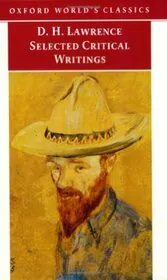
Selected Critical Writings
by DH Lawrence
1998
A wide-ranging selection of Lawrence's criticism, bringing together essays on literature, painting, and culture. These pieces reveal how he thought art should work in the body and the nerves, not just in the intellect, and why certain writers mattered to him.
The First Women in Love
by DH Lawrence
1998
This is the first complete version of *Women in Love*, written before censorship worries forced further cuts and changes. It offers a fuller, sometimes darker picture of the Brangwen sisters and their lovers, and a rare glimpse of Lawrence revising himself.
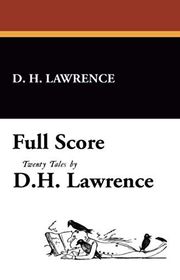
Full Score
by DH Lawrence
2002
Twenty tales explore desire, power, and uneasy relationships between men and women. Alongside shorter fiction, The Ladybird, The Fox, and The Captain’s Doll follow encounters in which love and intimacy collide with conflicting wills.
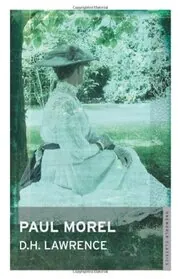
Paul Morel
by DH Lawrence
2003
An early version of what became Sons and Lovers, this novel follows Paul Morel in a Nottinghamshire mining town, torn between his mother and his lovers. Readers see Lawrence testing scenes and ideas he would later reshape into his most famous book.
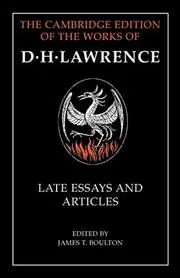
Late Essays and Articles
by DH Lawrence
2004
Drawn from the last decade of Lawrence's life, these essays and articles range across politics, education, nature, religion, and art. Together they offer a bracing, often combative portrait of his late thinking as he tried to make sense of a changed world.
Phoenix
by DH Lawrence
2007
This posthumous collection brings together Lawrence’s essays and other prose, including his study of Thomas Hardy. Reflections on literature and contemporary writers reveal the ideas behind his fiction and his arguments about human life.
The Complete Short Stories
by DH Lawrence
2007
Sixty-seven stories trace lives shaped by desire, money, and social expectations, from Nottinghamshire and Lawrence’s teaching years to his travels abroad. Ordinary encounters expose the tensions between instinct, intimacy, and the world surrounding his characters.
Mornings in Mexico and Other Essays
by DH Lawrence
2009
A collection of travel pieces and essays that capture Lawrence's time in Mexico and the American Southwest. Vivid scenes of markets, fiestas, and Pueblo ceremonies sit beside reflections on indigenous cultures, landscape, and the unease of modern intrusion.
Selected Literary Criticism
by DH Lawrence
2013
This volume gathers some of D. H. Lawrence's sharpest essays on other writers, from Hardy and Conrad to American classics. It shows him reading fiction as a living force, testing how stories handle desire, power, and the pull of modern life.
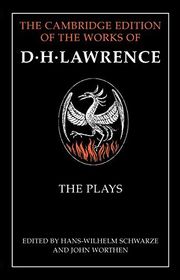
The Plays
by DH Lawrence
2015
Eight plays and two unfinished fragments range from early dramas of family and marriage to later experiments in theatre. Working communities, domestic conflicts, and competing desires reveal Lawrence’s interest in the pressures shaping intimate relationships.
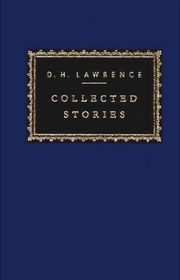
Collected Stories
by DH Lawrence
This volume gathers Lawrence’s shorter fiction across his writing career, including stories and novellas about desire, family ties and spiritual longing. Celebrated works sit alongside lesser-known pieces that reveal the range of his humor and imagination.
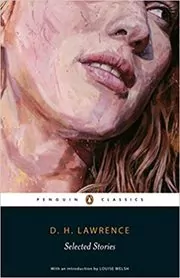
Selected Stories
by DH Lawrence
Ten stories trace Lawrence’s movement from early realism toward myth and fairy tale. Accounts of human relationships sit alongside tales involving murder and ghosts, revealing the changing concerns and forms of his short fiction.
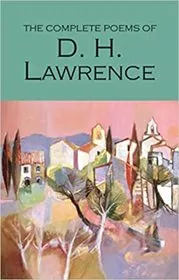
The Complete Poems of D. H. Lawrence
by DH Lawrence
This collection brings together Lawrence’s 1928 Collected Poems, the unexpurgated Pansies, Nettles, and poems from his final notebooks. The volume follows his poetic development through writing about nature, desire, society, and the approach of death.
The Letters of D.H.Lawrence
by DH Lawrence
A digital edition of Lawrence's letters that makes a large body of his correspondence easy to search and browse. It lets readers follow his voice across decades as he comments on writing, travel, illness, sex, money, and the shifting circle of people around him.
Women in Love
by DH Lawrence
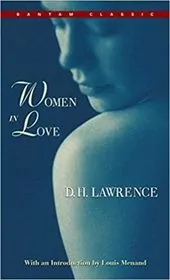
Sisters Ursula and Gudrun Brangwen pursue relationships with Rupert Birkin and Gerald Crich in England’s industrial Midlands. Their intertwined romances probe the struggle between intimacy and independence, while friendship, desire, and the need for control create mounting tensions.
Where to start with DH Lawrence
If you want his key novels: Sons and Lovers → The Rainbow → Women in Love → Lady Chatterley's Lover.
If you like family sagas and class conflict: The White Peacock → The Trespasser → The Lost Girl.
If you enjoy travel writing: Twilight in Italy → Sea and Sardinia → Mornings in Mexico and Other Essays → Sketches of Etruscan Places and Other Italian Essays.
If you prefer essays and criticism: Studies in Classic American Literature → Selected Essays → Late Essays and Articles.
If you are curious about his life and letters: Selected Letters → The Letters of D. H. Lawrence, Vol. VII 1928-30 → The Quest for Rananim.
DH Lawrence sub-series and character series
Standalone DH Lawrence books





by Anderson G. Miller, Larry McMurtry, DH Lawrence, Alison Moore, Barry Gifford, Sandra Cisneros, Sam Shepard, Leslie Marmon Silko, C.G. Jung, John Miller, Georgia O'Keefe & Elmore Leonard
1993
Author bio
D. H. Lawrence was born David Herbert Richards Lawrence in 1885 in Eastwood, a coal mining town in Nottinghamshire, England, the son of a miner and a former schoolteacher whose uneasy marriage haunted his imagination.
He grew up in a tight terraced house that backed onto the pit, roaming the nearby countryside and noticing early how factory smoke and slag heaps pressed in on fields and woods. Scholarships took him from the local board school to Nottingham High School, and a bout of pneumonia pushed him out of office work and toward books.
By his early twenties he was teaching in elementary schools by day and writing poems and stories at night. His first novel, The White Peacock, appeared in 1911, followed quickly by The Trespasser, but it was the semi-autobiographical Sons and Lovers, shaped by his closeness to his mother and her death, that made readers notice him.
In 1912 he met Frieda Weekley, left his job, and eloped with her to the continent, beginning the restless, improvised partnership that carried them around Europe and far beyond.
Living first in Germany and Italy, Lawrence drafted the Brangwen family novels The Rainbow and Women in Love, which follow several generations of a Midlands family as they wrestle with desire, work, marriage, and the pull of modern industry. The frankness of those books, especially around sex and inner life, led to bans and court cases that fixed his reputation as a troublemaker as much as a novelist.
After the First World War he rarely stayed long in one place, calling his years of voluntary exile a savage pilgrimage. With Frieda he moved through the Italian hills, Ceylon, Australia, New Mexico, and Mexico itself, turning each stop into fiction and travel writing: the Australian novels Kangaroo and The Boy in the Bush, the Mexican epic The Plumed Serpent, and books of essays like Twilight in Italy, Sea and Sardinia, Mornings in Mexico, and Sketches of Etruscan Places.
Again and again he set intimate relationships against landscapes that are anything but neutral, letting weather, mountains, and mines press in on his characters as hard as other people do.
Alongside the novels he kept up a dense stream of essays and criticism. In Movements in European History he wrote a schoolbook that reads like a story; in Studies in Classic American Literature he argued with Franklin, Hawthorne, Melville, and Whitman and helped change how later readers saw them. Other non-fiction, from Study of Thomas Hardy to the controversial pieces gathered in Sex, Literature, and Censorship, shows him worrying over art, politics, psychology, and the right way to live in a damaged industrial age.
He was also a prolific poet and story writer, producing hundreds of poems and unforgettable short fiction such as The Rocking-Horse Winner and Daughters of the Vicar. His late essays in Reflections on the Death of a Porcupine and Apocalypse push toward a strange, fiercely personal kind of spirituality, at once suspicious of churches and hungry for ritual and myth.
Lawrence spent his last years battling tuberculosis in Italy and the south of France, still writing letters, poems, criticism, and a passionate defence of his most notorious novel, Lady Chatterley's Lover. He died in 1930, aged forty-four, leaving behind an unusually complete record of a writer's inner life in his fiction, essays, travel books, and letters, and a body of work that still feels risky and alive on the page.






Edited by
Software engineer whose passion for tracking book recommendations from podcasts inspired the creation of MRB.
Lead investor at 3one4 Capital whose startup expertise and love for books helped shape MRB and its growth.
Comments
Did we miss something? Have feedback?
Help us improve this page by sharing your thoughts