
Last Jihad Books in Order
Part ofJoel Rosenberg Books in OrderSee the Last Jihad series by Joel C. Rosenberg in order, with book summaries, series background, and guidance on where to start these end‑times political thrillers.
Last updated:
As an Amazon Associate, we earn from qualifying purchases (at no extra cost to you).
Last Jihad books in publication order
5 books
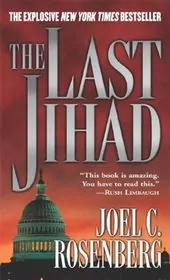
The Last Jihad
by Joel Rosenberg
2002
Wall Street strategist turned presidential adviser Jon Bennett survives a kamikaze attack and is thrust into a covert effort to stop Saddam Hussein from unleashing nuclear terror. Racing between Washington and the Middle East, he must broker an oil‑for‑peace deal before cities burn.
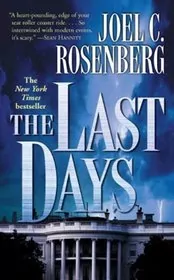
The Last Days
by Joel Rosenberg
2003
With a historic Israeli‑Palestinian peace plan on the table and vast oil and gas reserves at stake, Jon Bennett and CIA operative Erin McCoy hunt for proof that radicals plan to sabotage the talks. Their investigation uncovers plots that could ignite the region.
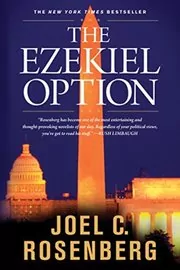
The Ezekiel Option
by Joel Rosenberg
2005
After years of fragile calm, a new Russian strongman and a nuclear‑hungry Iran form a dangerous alliance that seems to echo ancient prophecy. Jon Bennett and Erin McCoy must untangle politics and faith as they race to stop a catastrophic surprise attack.
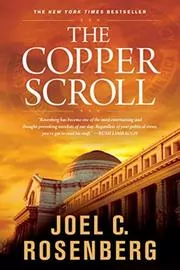
The Copper Scroll
by Joel Rosenberg
2006
A newly discovered scroll hints at hidden treasures beneath Jerusalem and a secret with world‑shaking religious implications. Jon Bennett and Erin McCoy are drawn into a hunt for the Copper Scroll’s truth while extremists scheme to turn prophecy into war.
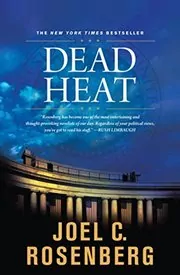
Dead Heat
by Joel Rosenberg
2008
As a razor‑tight American presidential race unfolds, intelligence warnings point to a coordinated terrorist plan to assassinate one of the candidates and plunge the world into chaos. Jon and Erin find themselves racing to uncover the target before the countdown ends.
Last Jihad books in chronological order
Series background & context
The Last Jihad books are fast‑moving political thrillers that imagine what happens when terrorism, oil politics, and biblical prophecy collide. Set in a near‑future Middle East and Washington, they follow crises that feel ripped from cable news, then push them several steps further until world leaders are staring at the possibility of nuclear war.
At the center is Jon Bennett, a Wall Street strategist drawn into public service as a senior adviser to the American president. Working alongside CIA officer Erin McCoy, he is asked to broker high‑risk peace and energy deals even as enemies close in. The opening novel drops readers straight into a hijacked business jet hurtling toward an American city, a failed assassination, and a showdown with Saddam Hussein’s regime that quickly spirals beyond anyone’s control.
Each book widens the lens. In The Last Days the focus shifts to attempts at an Israeli‑Palestinian peace agreement built around newly discovered offshore energy, and to the backlash from extremists determined to stop it. Later installments introduce a resurgent Russia, an Iranian nuclear race, and leaders who may see themselves as players in an end‑times drama foretold centuries ago.
Rosenberg writes these stories with one foot in the Situation Room and one in the world of biblical interpretation. Characters argue policy and intelligence assessments, but they also debate passages from Ezekiel and other prophetic texts, asking whether the headlines they are living through match ancient warnings. Bennett and McCoy are not theologians, yet their work constantly forces them to think about what they believe and why.
Across the five‑book arc, the stakes keep rising. Suicide bombings, covert operations in the region, and hard choices in the Oval Office all feed into a larger question: how much can human beings steer events, and how much are they simply reacting to forces already in motion? The series balances large‑scale geopolitical moves with small personal costs—strained friendships, broken families, and the weight of knowing that one bad call could cost millions of lives.
Readers who enjoy Tom Clancy–style detail but also want to see characters wrestle with faith and doubt tend to gravitate to these novels. You can treat them simply as page‑turners about spies and presidents, or lean into the idea that they are exploring how modern politics might intersect with very old prophecies. Either way, the Last Jihad books offer a single continuous storyline, so they are best read in order from the first kamikaze flight to the final, chilling confrontation.



Edited by
Software engineer whose passion for tracking book recommendations from podcasts inspired the creation of MRB.
Lead investor at 3one4 Capital whose startup expertise and love for books helped shape MRB and its growth.
Comments
Did we miss something? Have feedback?
Help us improve this page by sharing your thoughts