
Guardians of the Flame Books in Order
Part ofJoel Rosenberg Books in OrderFind all Guardians of the Flame books by Joel Rosenberg in order, with plot summaries, series background on the gamers‑turned‑heroes, and suggestions on the best reading path.
Last updated:
As an Amazon Associate, we earn from qualifying purchases (at no extra cost to you).
Guardians of the Flame books in publication order
10 books
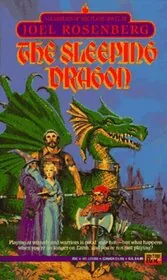
The Sleeping Dragon
by Joel Rosenberg
1983
Seven college students expecting a friendly role‑playing session wake to find themselves inside their characters’ bodies in a brutal medieval world. Stranded far behind enemy lines, they must fight and improvise their way home—or decide that this new life is worth claiming.
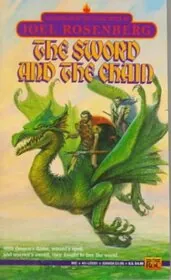
The Sword and the Chain
by Joel Rosenberg
1984
Newly arrived in a lethal fantasy world, Karl Cullinane and his fellow former students decide not to flee through the one fragile gate home. In The Sword and the Chain they take up arms against the slave trade, learning how costly that vow will be.
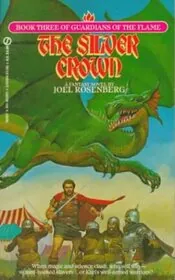
The Silver Crown
by Joel Rosenberg
1985
Karl Cullinane and his companions have turned their settlement of Home into a refuge for escaped slaves—but success brings enemies. As the Slaver Guild stirs kingdoms toward war and elven neighbors demand tribute, Karl must defend his valley without betraying what it stands for.
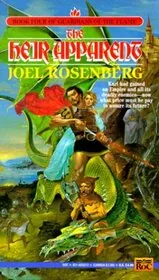
The Heir Apparent
by Joel Rosenberg
1987
Having carved out a kingdom in a slave‑ridden world, Karl Cullinane suddenly has to think like a ruler rather than a raider. In The Heir Apparent he juggles succession disputes, treacherous nobles and the burden of building a future worthy of the lives already lost.
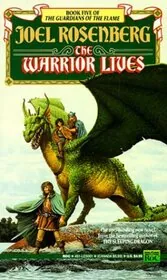
The Warrior Lives
by Joel Rosenberg
1988
Rumors that Karl Cullinane survived his last battle spread like wildfire, inspiring friends and enemies alike. As factions maneuver around the legend of the Warrior, those who knew him best must decide how far they will go to keep hope—and the abolitionist cause—alive.
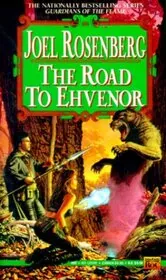
The Road to Ehvenor
by Joel Rosenberg
1991
Jason Cullinane, heir to Karl’s legacy, answers a desperate call from the distant town of Ehvenor, where strange magic and marauding creatures threaten his people. Traveling with a small company, he must uncover what has gone wrong before chaos spills across This Side.
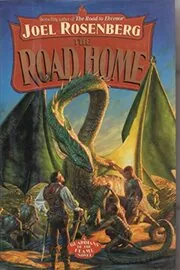
The Road Home
by Joel Rosenberg
1995
Baron Jason Cullinane sets out to stop his late father’s closest friend from waging a private war on every slave master in the land. His search forces him into uneasy alliances, dangerous bargains and fresh doubts about what their crusade has really achieved.
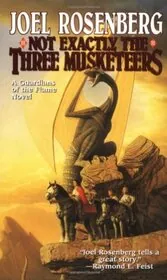
Not Exactly the Three Musketeers
by Joel Rosenberg
1999
Stationed at Castle Cullinane, mercenaries Kethol, Durine and Pirojil take what looks like routine work escorting a noble to the capital. Bandits, conspirators and old enemies quickly turn a simple job into a tangle of duels, politics and hard choices about loyalty.
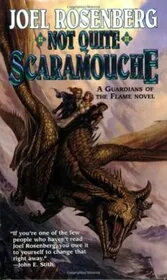
Not Quite Scaramouche
by Joel Rosenberg
2001
Recruited to guard a traveling acting troupe, Kethol, Durine and Pirojil are soon neck‑deep in plots, duels and political mischief. What should have been easy coin on the road turns into a farce of mistaken identities and real blades behind the stage curtains.
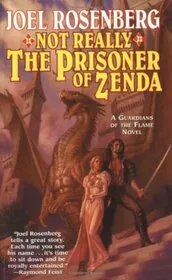
Not Really The Prisoner of Zenda
by Joel Rosenberg
2003
In this playful riff on classic swashbucklers, veteran mercenaries Kethol, Durine and Pirojil find themselves entangled in royal intrigues that call for disguise, daring rescues and very flexible loyalties. Their efforts to keep a fragile kingdom intact rarely go as planned.
Guardians of the Flame books in chronological order
Series background & context
Guardians of the Flame is Joel Rosenberg’s signature portal fantasy, built around a simple but powerful question: what if the people around the gaming table were suddenly trapped inside the world they only meant to visit on Friday nights? The answer, across ten novels, is less about heroic destiny and more about bruised, determined adults trying to live with the consequences of their choices.
The series begins when a group of college students sit down for a role‑playing session run by their eccentric professor. In the middle of an ordinary scene, reality tilts. They wake up as their characters—a barbarian warrior, a dwarf, an elf, a wizard—in a secondary world where magic works, monsters bite, and death is permanent. Their first problem is survival. Their second is deciding whether they want to go home at all.
Early books follow Karl Cullinane and his friends as they fight their way across unfamiliar territory, encounter dragons and sorcerers, and realize that the ubiquitous, taken‑for‑granted slave trade is something they cannot live with. Instead of racing straight for the one known gate back to Earth, they begin freeing captives, attacking slaver caravans, and carving out a fortified refuge called Home that becomes the seed of a wider abolitionist movement.
As time jumps forward between volumes, the cast ages. The idealistic college kids become barons, guildmasters and exhausted veterans with children of their own. Later novels shift more attention to those descendants—especially Jason Cullinane—as they inherit not only titles but unfinished work. Revolts flare, newly freed societies struggle to feed themselves, and enemies who thrived under the old order look for ways to turn Karl’s legacy into a cautionary tale.
Rosenberg grounds all of this in practical detail. Characters argue about supply lines, draft charters for self‑governing towns, and wrestle with how much violence is acceptable in pursuit of a noble end. The same book that offers tavern banter and swashbuckling sword fights may also force a beloved figure to pay for a bad call with their life. Readers who come for the gaming in‑jokes often stay for the messy, believable politics.
By the time the series reaches its latter volumes—The Road Home and the swashbuckling trio of novels that begin with Not Exactly the Three Musketeers—the tone loosens in places without abandoning the core themes. New heroes and anti‑heroes move through a world reshaped by the original “Other Siders,” but slavery, power and responsibility remain at the heart of the story. This page’s background and reading order are here to help you trace that evolution from the first session gone wrong to the final echoes of the Cullinane name.



Edited by
Software engineer whose passion for tracking book recommendations from podcasts inspired the creation of MRB.
Lead investor at 3one4 Capital whose startup expertise and love for books helped shape MRB and its growth.
Comments
Did we miss something? Have feedback?
Help us improve this page by sharing your thoughts