
Land and Overland Books in Order
Part ofBob Shaw Books in OrderSee the Land and Overland books by Bob Shaw in order, with summaries, series background, and where to start with these strange twin-world adventures.
Last updated:
As an Amazon Associate, we earn from qualifying purchases (at no extra cost to you).
Land and Overland books in publication order
3 books
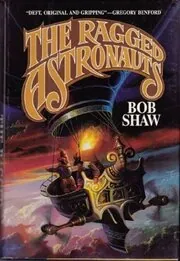
The Ragged Astronauts
by Bob Shaw
1986
On the resource-starved world of Land, Toller Maraquine sees that staying put means slow ruin. With airborne predators, disease, and political chaos closing in, escape to the sister world Overland becomes a desperate gamble.
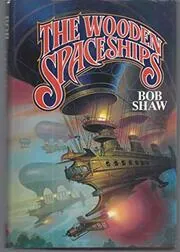
The Wooden Spaceships
by Bob Shaw
1988
Years after the first migration, conflict flares again between Land and Overland. Toller Maraquine must defend a fragile new home with brakka-built wooden ships, carrying the series from balloon travel into full, unlikely space war.
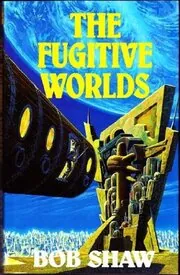
The Fugitive Worlds
by Bob Shaw
1989
In the last Land and Overland book, a new generation faces a baffling threat between the twin worlds. As a strange object grows and the old balance breaks down, adventure turns into a race to understand the impossible.
Land and Overland books in chronological order
Series background & context
The Land and Overland trilogy is Shaw at his most cheerfully impossible, and also at his most inviting. The setup is simple to say and strange to imagine. Two worlds orbit so close together that they share an atmosphere, which means people can cross from one to the other in balloons and, later, in wooden spacecraft. From that one idea Shaw builds a whole working adventure series.
The first book, The Ragged Astronauts, begins on Land, a feudal world under real strain. Resources are running low. Politics are brittle. Worst of all, the air itself is dangerous because of the ptertha, drifting, deadly lifeforms that hunt human beings from above. Shaw threads several pressures together here, environmental collapse, disease, social unrest, and plain survival, so the need to leave Land never feels like a whimsical expedition. It feels like a last chance.
At the center of the early story is Toller Maraquine, one of Shaw's practical, restless protagonists. He is not dreamy in the usual fantasy-quest way. He notices how things work, argues with authority, and wants room to act. Around him are soldiers, nobles, craftsmen, and families who all understand the twin planets differently. That makes the series feel lived-in. Even with its strange physics and homemade space travel, the books are grounded in labor, class, invention, and the problem of getting people from one bad situation into a better one.
It is gloriously improbable, and Shaw makes it feel almost sensible.
The second book, The Wooden Spaceships, shows that reaching Overland does not solve everything. Migration creates new tensions, and the people who stayed behind on Land do not simply vanish from the story. Conflict grows between the two worlds, and the series shifts from escape and settlement toward defense and war. The title image says a lot about Shaw's method. He loves a bold idea, but he also wants to know how you would actually build the thing, crew it, and try to use it when lives depend on it.
By the time you reach The Fugitive Worlds, the trilogy opens out again. A younger generation inherits the consequences of the first books, and a new cosmic threat forces them to think beyond local politics and old grudges. The scale gets larger, but the emotional core stays much the same. People are still trying to protect a home, understand the forces shaping their world, and improvise their way through a future nobody could have planned for cleanly.
What makes this trilogy stand out is its tone. It has some of the flavor of science fantasy, some of the pace of an adventure story, and a steady undercurrent of practical problem-solving that keeps it from floating away into pure whimsy. If you like invented worlds that feel tactile and used, where engineering matters as much as bravery, start with The Ragged Astronauts and read straight through. The trilogy works best as one long, odd, sturdy journey.








Edited by
Software engineer whose passion for tracking book recommendations from podcasts inspired the creation of MRB.
Lead investor at 3one4 Capital whose startup expertise and love for books helped shape MRB and its growth.
Comments
Did we miss something? Have feedback?
Help us improve this page by sharing your thoughts