
Bob Shaw Books in Order
Explore Bob Shaw books in order, with quick summaries, series guides for Orbitsville and Land and Overland, and simple tips on where to start.
Last updated:
As an Amazon Associate, we earn from qualifying purchases (at no extra cost to you).
Bob Shaw books in publication order
33 books
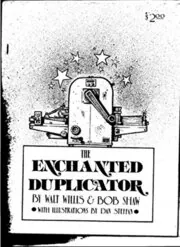
The Enchanted Duplicator
by Bob Shaw
1954
Written with Walt Willis, this affectionate fantasy sends a fan pilgrim through a science fiction landscape filled with jokes, trials, and familiar obsessions. It is part satire, part tribute, and very much a book for fandom insiders.
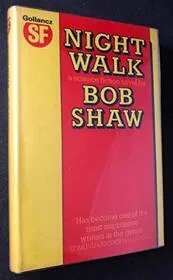
Night Walk
by Bob Shaw
1967
Earth agent Sam Tallon is captured on a theocratic world, blinded, and sent to a prison nobody escapes. To survive, he must learn to see through the eyes of animals and enemies while carrying a secret worth killing for.
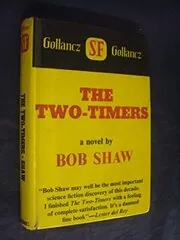
The Two Timers
by Bob Shaw
1968
Jack Breton finds a way into a parallel timeline to get back the wife he lost years earlier. The trouble is that in this other world she is married to another version of him.
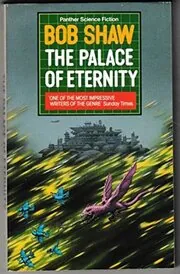
The Palace of Eternity
by Bob Shaw
1969
War veteran Mack Trevonar wants a quiet life on an artists' colony world, but the wider conflict will not leave him alone. What begins as military science fiction bends into something stranger, larger, and harder to predict.
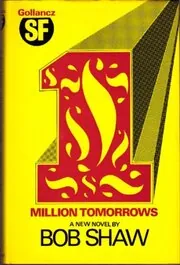
One Million Tomorrows
by Bob Shaw
1970
In a future where immortality is real, the price is steep, especially for men. Corporate secrecy, competing interests, and one man's willingness to test a new version of the treatment drive this sharp speculative thriller.
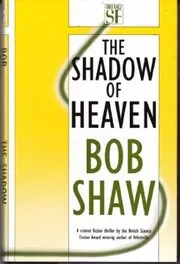
The Shadow Of Heaven
by Bob Shaw
1970
After Earth's croplands are poisoned, food comes from huge antigravity farming platforms high above the planet. When his half-brother disappears, journalist Vic Stirling follows the trail to Heaven, a floating refuge with its own power struggles.

Ground Zero Man/The Peace Machine
by Bob Shaw
1971
Lucas Hutchman discovers a way to detonate every nuclear weapon on Earth. Once he decides to use that threat to force disarmament, he becomes the center of a relentless manhunt and a bleak argument about power.
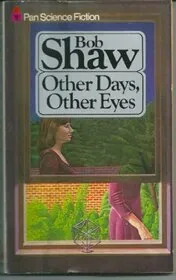
Other Days, Other Eyes
by Bob Shaw
1972
Shaw takes his slow-glass idea and follows it into daily life, industry, crime, and surveillance. What begins as a dazzling invention becomes a sharp story about privacy, guilt, and the trouble caused by seeing too much.
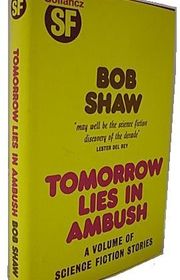
Tomorrow Lies In Ambush
by Bob Shaw
1973
This early collection gathers some of Shaw's short fiction at its most varied, from ironic twists to larger speculative ideas. The stories show how easily he could jump between humor, menace, and clean scientific extrapolation.
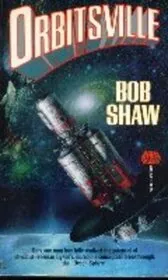
Orbitsville
by Bob Shaw
1974
On the run from powerful enemies, starship commander Vance Garamond stumbles upon a hollow artificial world wrapped around a star. The discovery promises room for all humanity, but it also raises dangerous questions about ownership, power, and control.
A Wreath of Stars
by Bob Shaw
1976
Gilbert Snook drifts into political trouble just as scientists realize Earth is intersecting with a hidden anti-neutrino world. Shaw blends civil unrest, scientific wonder, and first-contact unease into a brisk, unusual adventure.
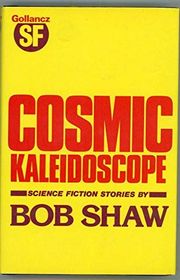
Cosmic Kaleidoscope
by Bob Shaw
1976
A strong sampling of Shaw's shorter work, this collection pairs playful ideas with a dry, skeptical sense of humor. The stories move from time tricks and body snatching to quieter, stranger looks at future life.
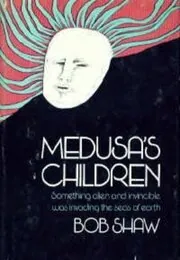
Medusa's Children
by Bob Shaw
1977
Fisherman Hal Tarrant's quiet life changes when intelligent sea creatures and human castaways appear out of nowhere. Their arrival points to an underwater world, a telepathic menace, and a threat that reaches far beyond Earth.
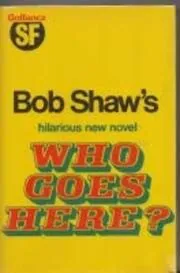
Who Goes Here?
by Bob Shaw
1977
After a memory wipe, Warren Peace wakes up in the Space Legion with no idea who he used to be. Surviving the war is hard enough, but finding out why he erased his past may be even worse.

Ship of Strangers
by Bob Shaw
1978
This linked set of spacefaring adventures follows the crew of the Sarafand through one bizarre situation after another. What starts as exploration gradually grows into a more unsettling story about scale, survival, and the nature of the universe.
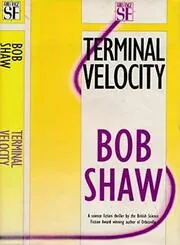
Vertigo/Terminal Velocity
by Bob Shaw
1978
Cheap anti-gravity harnesses have pushed millions of people into the sky and turned everyday life upside down. A shaken policeman is drawn back into danger when lawlessness, gang violence, and personal fear all meet in one city.
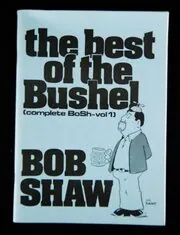
Best of the Bushel
by Bob Shaw
1979
This slim nonfiction collection gathers some of Shaw's best Glass Bushel columns from science fiction fandom. It is witty, observant, and full of the sly humor that made his fan writing as memorable as his novels.
Dagger Of The Mind
by Bob Shaw
1979
John Redpath joins a telepathy research project and begins to fear the experiment is damaging his mind. When grotesque events start piling up, he has to decide whether he is being manipulated, hunted, or going mad.
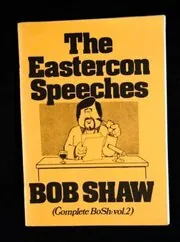
Eastercon Speeches
by Bob Shaw
1979
A collection of Shaw's famous convention talks, these pieces turn mock science and fan in-jokes into polished comic routines. Even on the page, you can feel the timing, warmth, and mischief that made them crowd-pleasers.
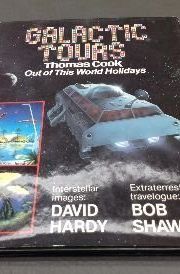
Galactic Tours
by Bob Shaw
1981
Created with artist David A. Hardy, this is a tongue-in-cheek travel guide to holidays beyond Earth. Shaw supplies the brochure-style text, while the whole book plays with the idea that space tourism is already an everyday business.

The Ceres Solution
by Bob Shaw
1981
A run-down Earth and a far more advanced human society turn out to be linked in unexpected ways. Shaw builds the novel around illness, secrecy, and a slow-growing revelation about why humanity's worlds developed so differently.
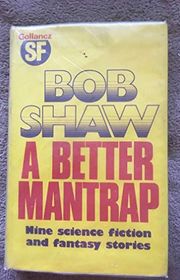
Better Mantrap
by Bob Shaw
1982
This collection brings together nine short stories that show Shaw's range in smaller form. Some are slyly comic, some eerie, but most start with one clever twist and follow it just far enough to get under your skin.
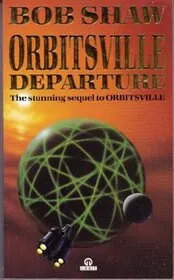
Orbitsville Departure
by Bob Shaw
1983
Generations after humanity first found Orbitsville, a badly damaged family history pulls one man back toward the giant sphere. His personal hunt for answers opens into another round of large-scale danger and cosmic uncertainty.
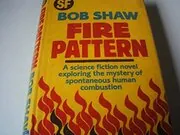
Fire Pattern
by Bob Shaw
1984
A reporter starts digging into a string of deaths that look like spontaneous human combustion. What begins as an eerie mystery grows darker as the cases point toward a wider, more disturbing pattern.
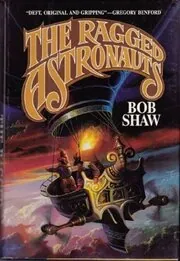
The Ragged Astronauts
by Bob Shaw
1986
On the resource-starved world of Land, Toller Maraquine sees that staying put means slow ruin. With airborne predators, disease, and political chaos closing in, escape to the sister world Overland becomes a desperate gamble.
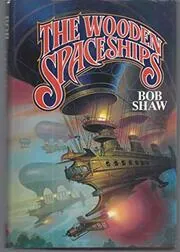
The Wooden Spaceships
by Bob Shaw
1988
Years after the first migration, conflict flares again between Land and Overland. Toller Maraquine must defend a fragile new home with brakka-built wooden ships, carrying the series from balloon travel into full, unlikely space war.
Dark Night in Toyland
by Bob Shaw
1989
This later collection moves easily between science fiction, dark fantasy, and quiet horror. Shaw packs the stories with odd premises, sudden turns, and a slightly bleak wit that keeps even the strangest ideas feeling human.
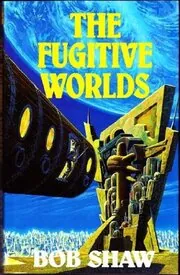
The Fugitive Worlds
by Bob Shaw
1989
In the last Land and Overland book, a new generation faces a baffling threat between the twin worlds. As a strange object grows and the old balance breaks down, adventure turns into a race to understand the impossible.
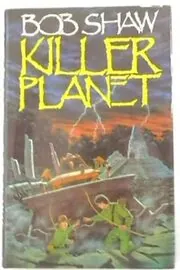
Killer Planet
by Bob Shaw
1992
Jan Hazard heads for the world called Verdia to find his missing older brother. The trip becomes a dangerous search through a hostile planet where survival depends on quick thinking more than brute force.
Orbitsville Judgement
by Bob Shaw
1992
The final Orbitsville novel turns from discovery to life inside the giant shell world itself. As ordinary settlers face upheaval on a cosmic scale, Shaw mixes community drama with one last vast mystery.
How To Write Science Fiction
by Bob Shaw
1993
Shaw's short writing guide mixes practical advice with a working novelist's common sense. It is less about rigid rules than about ideas, clarity, and how to make strange futures feel readable and human.
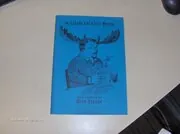
Load of Old Bosh
by Bob Shaw
1995
A late collection of Shaw's comic convention talks and fannish pieces, full of mock-scientific arguments, timing, and deadpan wit. It shows the humorous side that made him such a favorite on the science fiction convention circuit.
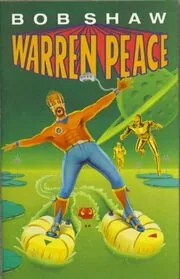
Warren Peace/Dimensions
by Bob Shaw
2012
This follow-up returns to the unlucky Warren Peace for another round of military absurdity, strange technology, and identity trouble. Shaw leans into comic science fiction as Warren stumbles from one dangerous mess into the next.
Where to start with Bob Shaw
If you want the big cosmic adventure first: Orbitsville → Orbitsville Departure → Orbitsville Judgement
If you want his strangest world-building: The Ragged Astronauts → The Wooden Spaceships → The Fugitive Worlds
If you want a smart standalone built on one great idea: Other Days, Other Eyes → Night Walk
If you want comic military science fiction: Who Goes Here? → Warren Peace/Dimensions
Bob Shaw sub-series and character series
Bob Shaw collections, short stories, and related book types
Short Story Collections
Non-Fiction
Standalone Bob Shaw books
Author bio
Bob Shaw was born Robert Shaw in Belfast on December 31, 1931, and grew up there as the eldest of three sons in a policeman's family. He went to Belfast College of Technology, but science fiction had already got to him long before adult life settled into place. Around the age of eleven he found an A. E. van Vogt story in an old copy of Astounding, one of the magazines left behind by American troops during the war and sold on in Belfast's markets. That early shock of discovery stayed with him for life.
He was a fan before he was a pro.
In 1950 he joined the lively Belfast group later known as Irish Fandom, alongside James White and Walt Willis. They met, argued, joked, and produced fanzines, and Shaw wrote for them under the nickname BoSh. His first professional story appeared in 1954, but the road to becoming a full-time novelist was anything but tidy.
For years he worked ordinary jobs while writing around the edges. He trained as a structural engineer, worked as an aircraft designer, later became science correspondent for the Belfast Telegraph, and also did industrial publicity. He spent time in Canada with his first wife, Sadie, and their children in the late 1950s, then returned to the British Isles. During the Troubles, he left Northern Ireland for England, first settling in Ulverston and later in Grappenhall, near Warrington. He did not become a full-time writer until 1975.
That slightly sideways path suits the books.
Shaw's fiction is full of practical people caught in very strange situations. In Night Walk, an Earth agent is blinded on a theocratic world and has to survive by borrowing other creatures' sight. In Other Days, Other Eyes, he took the idea of slow glass, material that lets light pass through with huge delay, and used it to think about memory, guilt, privacy, and the way technology leaks into daily life. He had a knack for starting with one clean idea and then worrying it from several angles.
He could also go very big. Orbitsville begins with the discovery of an artificial world the size of a solar system, but Shaw keeps the story human by grounding it in fear, rivalry, and the plain weirdness of walking into something too large to properly imagine. Later, in The Ragged Astronauts, he built one of his most memorable settings, twin worlds close enough to share an atmosphere, where people cross space by balloon and sail in wooden ships. Readers often remember the scale first, but what makes the books last is how matter-of-fact everybody is while facing it.
He was funny, too.
That mattered outside the novels as much as inside them. Shaw was a much-loved presence in British science fiction fandom and became famous for his comic Eastercon speeches, later collected in The Eastercon Speeches and A Load of Old Bosh. He won the Hugo Award for Best Fan Writer in 1979 and 1980. Even when the joke was broad, there was usually a smart, slightly sideways observation underneath it.
A lot of his work circles back to sight, perception, and the uneasy question of what it means to really see. That was not abstract for him. He nearly lost his eyesight through illness and dealt with migraine-related visual disturbances throughout his life. You can feel those worries running through books like Night Walk, Other Days, Other Eyes, and A Wreath of Stars.
His later years were marked by loss and change. Sadie died suddenly in 1991. In 1995 he married Nancy Tucker and spent a short period living in the United States before returning to England. He died of cancer in Warrington on February 11, 1996, aged sixty-four. What remains is a body of work that feels inventive without being stiff, funny without trying too hard, and welcoming even to readers who do not usually live in science fiction.







Edited by
Software engineer whose passion for tracking book recommendations from podcasts inspired the creation of MRB.
Lead investor at 3one4 Capital whose startup expertise and love for books helped shape MRB and its growth.
Comments
Did we miss something? Have feedback?
Help us improve this page by sharing your thoughts