
Lake Wobegon Books in Order
Part ofGarrison Keillor Books in OrderSee the Lake Wobegon books in order by Garrison Keillor, with short summaries, series background, recurring characters, and where to start.
Last updated:
As an Amazon Associate, we earn from qualifying purchases (at no extra cost to you).
Lake Wobegon books in publication order
12 books
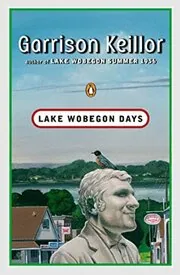
Lake Wobegon Days
by Garrison Keillor
1985
The book that made Lake Wobegon permanent on the page, this classic mixes town history, family lore, songs, poems, and comic set pieces. It is both a portrait of a place and a manual for how that place talks.
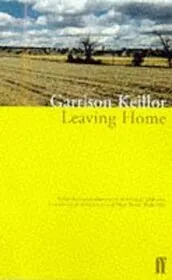
Leaving Home
by Garrison Keillor
1987
This first collection of Lake Wobegon monologues expands the town beyond its earliest legends and introduces more of its stubborn, funny residents. It is a fine place to see Keillor's radio voice working on the page.
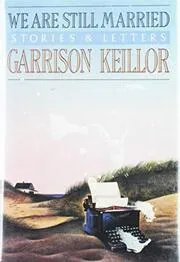
We Are Still Married
by Garrison Keillor
1989
These stories and letters move between marriage, fatherhood, fame, politics, and Lake Wobegon mischief. The tone shifts easily from satire to tenderness, which is what gives the collection its staying power.
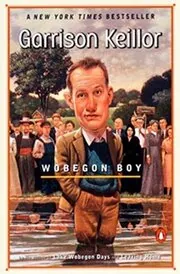
Wobegon Boy
by Garrison Keillor
1997
John Tollefson leaves Lake Wobegon for a public radio life in New York and builds a careful bachelor routine. Then love upsets the pattern, and Keillor turns homesickness, work, and romance into a quietly funny novel.
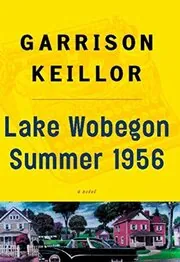
Lake Wobegon Summer 1956
by Garrison Keillor
2001
Set in one charged summer of adolescence, this novel follows a boy through baseball, church life, family tensions, and first awakenings in Lake Wobegon. It is tender, awkward, and very good on the confusions of growing up.
In Search of Lake Wobegon
by Garrison Keillor
2006
This short, reflective book looks at how Lake Wobegon was imagined, built, and kept alive in story after story. It is part origin story, part meditation on place, memory, and invention.
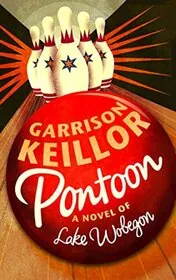
Pontoon
by Garrison Keillor
2007
A death, a peculiar request involving ashes, and a jumble of returning relatives set Lake Wobegon buzzing. The novel is comic and melancholy at once, especially about aging, family history, and the trouble people make for each other.
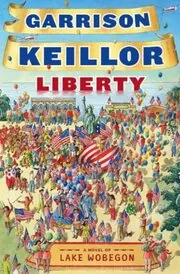
Liberty
by Garrison Keillor
2008
During Lake Wobegon's Fourth of July festivities, Clint Bunsen is knocked sideways by a DNA surprise and an unexpected attraction. Keillor turns parade season into a funny, uneasy story about desire, loyalty, and late-life confusion.
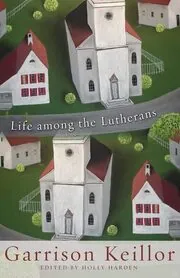
Life Among the Lutherans
by Garrison Keillor
2009
Based on the Lake Wobegon monologues, these stories follow Pastor Inqvist and his congregation through duty, doubt, family trouble, and small-town comedy. Keillor finds warmth and absurdity in ordinary lives lived under high standards.
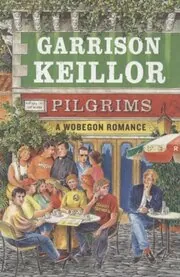
Pilgrims
by Garrison Keillor
2009
A group of Lake Wobegon travelers heads to Rome to honor a war hero and trace family roots. Far from Minnesota, old marriages, buried feelings, and long-kept silences begin to loosen.

The Lake Wobegon Virus
by Garrison Keillor
2020
A strange local outbreak, spread through unpasteurized cheese, leaves Lake Wobegon residents blurting out secrets and political rants. As the town spins into chaos, Keillor mixes farce with a fight over its future.
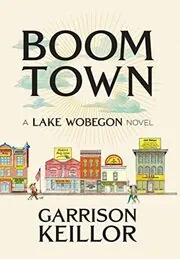
Boom Town
by Garrison Keillor
2022
Back in Lake Wobegon for funerals, reunions, and the strange business of growing old, Keillor's narrator finds a hometown transformed by time, politics, and memory. Funny and rueful, it is about what stays with you after you leave.
Lake Wobegon books in chronological order
Series background & context
Lake Wobegon is Garrison Keillor's imaginary Minnesota hometown, the place he returned to for decades in radio monologues, story collections, and novels. It sits in farm country, with long winters, church basements, cafes, ballfields, parades, and a very long memory. The books treat the town as both a real community and a comic lens on Midwestern life.
This is an ensemble world. Pastors, farmers, widows, anxious parents, old bachelors, town boosters, teenagers, and people who thought they were finished changing all get their turn. In early books like Lake Wobegon Days and Leaving Home, the town itself is the main character. You meet families, hear local history, and learn the rhythms of school programs, funerals, fishing trips, stormy marriages, and everyday embarrassment.
That everyday stuff is the point.
Keillor's Lake Wobegon fiction is funny, but it is not built on punch lines alone. The tension usually comes from ordinary human trouble, pride, loneliness, infidelity, religious earnestness, bad timing, old grief, and the way small towns remember everything. Lutheran caution rubs against Catholic stubbornness. Children want out. Parents want them safe. People make fools of themselves and then have to see the neighbors at breakfast.
The later novels give that world more concentrated plots. Pontoon begins with a death and a peculiar final wish, then watches a whole town react. Liberty uses the Fourth of July and a late-life identity crisis to stir up marriages and old loyalties. Pilgrims sends a group of Lake Wobegon residents to Rome, where travel loosens tongues that stay buttoned up back home. The Lake Wobegon Virus pushes the town into farce with a local epidemic of over-sharing, and Boom Town looks at what it means to return to a hometown that has changed while memory has not.
Even when the plots get bigger, the stakes stay personal. A funeral matters because of the people around the casket. A parade matters because neighbors are watching. A romance matters because shame, hope, and gossip travel faster than a pickup on Main Street.
Readers usually come here for the voice. It is warm, dry, observant, and patient with human foolishness. If you start with Lake Wobegon Days, then move to Leaving Home and one of the later novels, you can see how the series grows from linked sketches into fuller novels without losing the small-town weather, music, faith, and humor that make the place feel lived in.





Edited by
Software engineer whose passion for tracking book recommendations from podcasts inspired the creation of MRB.
Lead investor at 3one4 Capital whose startup expertise and love for books helped shape MRB and its growth.
Comments
Did we miss something? Have feedback?
Help us improve this page by sharing your thoughts