
L. Sprague de Camp Books in Order
Find L. Sprague de Camp books in order, with short summaries and guides to the author's series that help you choose where to start and what to read next.
Last updated: 64 new books added
As an Amazon Associate, we earn from qualifying purchases (at no extra cost to you).
L. Sprague de Camp books in publication order
64 books

The Wheels of If
by L. Sprague de Camp
1940
This collection gathers seven science-fiction stories, led by a tale of prosecutor Allister Park stranded in an alternate North America. Other selections explore unexpected biological changes, time-travel paradoxes, and encounters that challenge familiar assumptions about humanity.

Lest Darkness Fall
by L. Sprague de Camp
1941
A lightning strike transports Martin Padway from the twentieth century to sixth-century Rome. Armed with modern knowledge, he tries to avert the collapse of civilization, discovering how difficult it is for one outsider to change history.
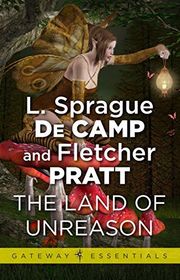
Land of Unreason
by L. Sprague de Camp
1942
After replacing an offering of milk with whisky, an American diplomat finds himself abducted into fairyland. To return home, Fred Barber must investigate a possible enemy while navigating a realm whose rules shift beneath his feet.

Divide And Rule
by L. Sprague de Camp
1948
Aliens have reduced humanity to feudal rule and made scientific research a capital crime. After his brother is executed for heresy, a privileged young nobleman must decide whether to challenge the system that guarantees his own comfortable future.
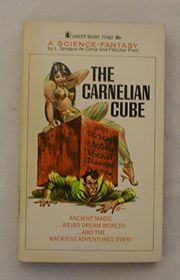
The Carnelian Cube
by L. Sprague de Camp
1948
A practical man dismisses the supposed magic of a carnelian cube until it carries him into another world. His repeated attempts to find a rational utopia instead produce increasingly strange, comic, and dangerous alternatives.
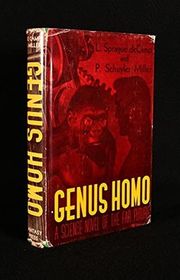
Genus Homo
by L. Sprague de Camp
1950
Twenty-five men and women find themselves confronting a world transformed by evolution. Strange forest monsters, giant beavers, and a mysterious species that has replaced humanity turn their struggle to survive into a search for understanding.

The Hand of Zei
by L. Sprague de Camp
1950
Reluctant adventurer Dirk Barnevelt must find a missing explorer on the primitive planet Krishna. His search pulls him into rescuing a princess, battling pirates, and leading a fleet against a seemingly impregnable fortress and a superior navy.

Rogue Queen
by L. Sprague de Camp
1951
An expedition reaches a distant planet whose unfamiliar society is far less stable than it first appears. Contact between human visitors and the inhabitants disrupts local politics and the balance of power, producing unexpected and often comic consequences.
The Undesired Princess
by L. Sprague de Camp
1951
Convinced he is thoroughly logical, Rollin Hobart is transported to a world governed by strict logic that makes little practical sense. His ordinary assumptions become liabilities as he tries to navigate an unfamiliar reality and survive.
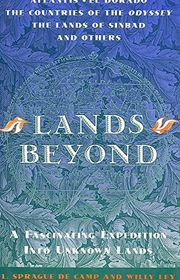
Lands Beyond
by L. Sprague de Camp
1952
De Camp and Willy Ley explore the imagined geography of travelers, poets, and explorers. From Atlantis and Sinbad's seas to El Dorado, they examine how stories of distant lands developed and sometimes collided with actual discoveries.
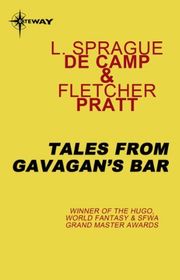
Tales From Gavagan's Bar
by L. Sprague de Camp
1953
At an unusual neighborhood bar, ordinary conversation opens onto a world of leprechauns, miniature dragons and troublesome magic. These interconnected stories follow the patrons whose supernatural adventures make life difficult for the establishment’s patient bartender.

The Continent Makers and Other Tales of the Viagens
by L. Sprague de Camp
1953
These connected science-fiction stories explore an interstellar future in which Brazil dominates Earth and organizes travel among inhabited worlds. Explorers and adventurers encounter alien societies while the expanding Viagens system brings competing cultures into uneasy contact.
The Tritonian Ring
by L. Sprague de Camp
1953
When the gods threaten his father’s kingdom, Prince Vakar sets out to find the mysterious thing they fear. Rival ambitions, hostile magic, and strange peoples obstruct a quest whose object he does not yet understand.

The Virgin of Zesh
by L. Sprague de Camp
1953
A woman, a poet, and a scientist struggle to survive on the alien planet Krishna. Their lives become entangled with unusual Earth cultists and humanoids from across the galaxy, where familiar assumptions offer little protection from unfamiliar dangers.
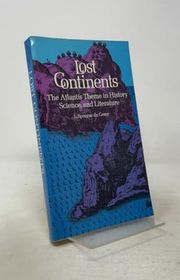
Lost Continents
by L. Sprague de Camp
1954
This study traces the idea of Atlantis through history, science and literature, examining the sources behind the legend and related lost-continent theories. It weighs claims and expeditions against evidence while exploring why vanished civilizations retain their appeal.
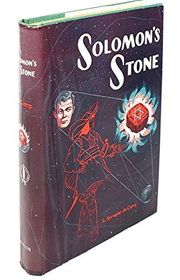
Solomon's Stone
by L. Sprague de Camp
1957
An accountant’s successful attempt to summon a demon leaves his own body possessed and his mind stranded on the astral plane. Living as an imaginary swashbuckler, Prosper Nash must use both swordsmanship and accounting to get home.

An Elephant for Aristotle
by L. Sprague de Camp
1958
Alexander the Great sends Leon of Atrax on a mission across his vast empire. Facing the dangers of a long journey and the complications of love, Leon must prove equal to a task that could bring glory or ruin.

Engines
by L. Sprague de Camp
1959
De Camp introduces the workings of engines, from early power sources to steam, diesel, gas, rocket, and electric machinery. Diagrams accompany explanations of how these devices operate, connecting their mechanisms with the energy that drives them.
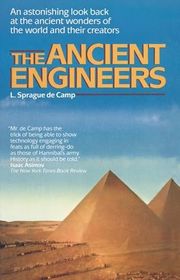
The Ancient Engineers
by L. Sprague de Camp
1960
From pyramids and temples to roads and aqueducts, this history examines how ancient builders accomplished extraordinary engineering projects. It connects surviving monuments with the inventors, practical methods and technological advances that made them possible.

The Glory That Was
by L. Sprague de Camp
1960
When a future emperor seals Greece behind a force wall, Knut Bulnes helps a friend search for his missing wife. Inside, they encounter apparently classical Greece, pursued by ancient soldiers and men armed with machine guns.
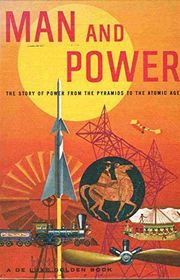
Man and Power
by L. Sprague de Camp
1961
This illustrated history traces the sources of power people have used from ancient times to the atomic age. Animal labor, wind, water and later technologies reveal how changing energy supplies transformed human work and engineering.

The Dragon of the Ishtar Gate
by L. Sprague de Camp
1961
Ordered to help his king obtain immortality, officer Bessas must gather extraordinary ingredients for a potion. The quest sends him into dangerous adventures through the ancient world, where loyalty and survival are tested by an impossible royal demand.

The Heroic Age of American Invention
by L. Sprague de Camp
1961
De Camp tells the stories of American inventors working before large research laboratories dominated innovation. Their technical achievements and dramatic personal lives reveal how individual experiments and small workshops helped transform the world around them over time.

Energy and Power
by L. Sprague de Camp
1962
De Camp introduces young readers to the ways people turn natural energy into useful work. Animals, wind, water, heat, electricity, chemical reactions and atoms illustrate the different sources of power behind everyday activities and machines.
The Bronze God of Rhodes
by L. Sprague de Camp
1963
Greek sculptor Chares of Lindos recounts the adventures and setbacks behind a career that leads toward the Colossus of Rhodes. Artistic projects and journeys through the ancient Mediterranean bring political trouble, unexpected dangers, and comic complications.

The Tower of Zanid
by L. Sprague de Camp
1963
On Krishna, Earth visitors must respect restrictions against introducing advanced technology. Adventurer Anthony Fallon dreams of winning a kingdom, but his ambitions bring him toward the dreaded Tower of Zanid and mysteries he would rather avoid.

Elephant
by L. Sprague de Camp
1964
This illustrated introduction surveys elephants, their extinct relatives, and their place in human history. It covers life in the wild and captivity, their use in warfare, conflicts with farmers, and efforts to preserve the animals.

The Arrows of Hercules
by L. Sprague de Camp
1965
Engineer Zopyros invents an improved catapult and is drawn into Syracuse's war against Carthage. His technical achievement leads to dangerous adventures involving pirates, captivity, and the competing powers of the Mediterranean in the fourth century BC.
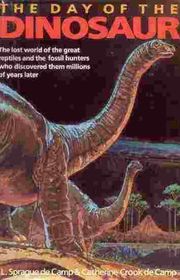
The Day Of The Dinosaur
by L. Sprague de Camp
1968
The de Camps explore dinosaurs and the people who uncovered their remains. Accounts of fossil hunting show the discoveries, rivalries, and patient reconstruction through which researchers pieced together the animals' shapes, environments, and distant vanished world.

The Goblin Tower
by L. Sprague de Camp
1968
Escaping a kingdom that executes its rulers, Jorian promises to obtain a trove of magical manuscripts. The bargain sends him through encounters with hostile wizards, strange creatures, and a dangerous ancient princess, testing his determination to keep his head.

The Great Monkey Trial
by L. Sprague de Camp
1968
De Camp recounts the 1925 prosecution of teacher John Scopes for teaching evolution in Tennessee. The courtroom struggle turns Dayton into a national spectacle, revealing the conflict between scientific education, religious conviction, and the law of the time.

A Gun for Dinosaur
by L. Sprague de Camp
1969
Fourteen speculative stories range from time-travel dinosaur hunting to artificial intelligence and unsuccessful utopias. The title adventure follows guide Reginald Rivers, while tales such as Internal Combustion and New Arcadia explore other technological and social possibilities.

The Golden Wind
by L. Sprague de Camp
1969
Greek adventurer Eudoxos sails toward India as Egypt seeks new routes beyond rival powers. Dangerous seas and unfamiliar courts stand between him and wealth, while a personal search for a cure gives the voyage deeper urgency.

The Clocks of Iraz
by L. Sprague de Camp
1971
Jorian agrees to repair Iraz’s great clocks in exchange for help rescuing his wife. The apparently simple assignment brings a pirate siege, an amorous priestess, and pursuit by guards still determined to carry out his execution.
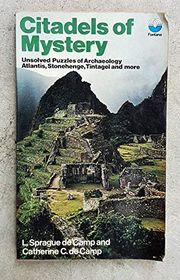
Citadels of Mystery
by L. Sprague de Camp
1972
Explorations of twelve ancient civilizations examine what their ruins reveal about the past. The de Camps consider archaeological evidence alongside speculative claims about humanity's origins, lost Atlantis and visitors from space, separating discoveries from imaginative explanations.

Darwin And His Great Discovery
by L. Sprague de Camp
1972
This biography follows Charles Darwin and the development of the ideas that transformed understanding of evolution. De Camp places natural selection alongside rival and supporting theories, examining the controversy surrounding the naturalist and his scientific discoveries.
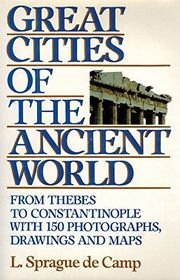
Great Cities Of The Ancient World
by L. Sprague de Camp
1972
Fourteen ancient cities are reconstructed through their layouts, monuments and surviving evidence. From Babylon and Jerusalem to Carthage, Rome and Constantinople, the book explores how urban centers expressed the ambitions and achievements of their civilizations.

The Fallible Fiend
by L. Sprague de Camp
1973
Zdim is a demon who would rather study logic and philosophy than serve a mortal master. Drafted into a year of servitude, he tries to obey every instruction precisely, creating problems his wizard employer never anticipated.

Dark Valley Destiny
by L. Sprague de Camp
1975
This biography examines Robert E. Howard’s life and the imagination behind Conan and his other creations. It follows the personal experiences and literary career of a prolific pulp writer whose influence continued long after his early death.
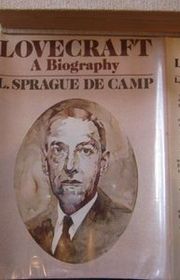
Lovecraft
by L. Sprague de Camp
1975
This biography traces H. P. Lovecraft’s unusual upbringing, relationships and writing career, examining the tensions between his private life and public persona. It explores how his fears and imagination helped shape his enduring supernatural fiction.

Literary Swordsmen And Sorcerers
by L. Sprague de Camp
1976
Biographical and critical essays examine the writers who helped shape heroic fantasy, including William Morris, Lord Dunsany, E. R. Eddison, Robert E. Howard and J. R. R. Tolkien. The collection connects their lives with their imaginative worlds.

The Virgin & the Wheels
by L. Sprague de Camp
1976
Two science-fiction adventures follow outsiders into unfamiliar societies. A woman, a poet and a scientist confront strange cultists on another planet, while a displaced lawyer navigates alternate realities and an America shaped by rival empires.

The Hostage of Zir
by L. Sprague de Camp
1977
Chosen to lead Earth’s first tourists through the medieval kingdoms of Krishna, Fergus Reith must obey strict limits on sharing technology. His language and sword skills become essential when the group is caught in a deadly war.

The Queen Of Zamba
by L. Sprague de Camp
1977
Private investigator Victor Hasselborg would prefer routine insurance cases to interplanetary adventure. Duty sends him after a runaway heiress on Krishna, where disguise, unfamiliar creatures, and dangerous feudal politics complicate his search for the Queen of Zamba.

The Best of L. Sprague de Camp
by L. Sprague de Camp
1978
Science fiction stories and poems reveal de Camp's interest in human behavior through inventive situations and understated irony. The collection brings together examples of his humorous, questioning approach to people and the worlds they create.

The Great Fetish
by L. Sprague de Camp
1978
Imprisoned for teaching that his planet was settled by humans from Earth, Marko escapes with a philosopher and his balloon. Their journey through strange societies becomes a quest for a relic that could reveal their world’s true history.

The Purple Pterodactyls
by L. Sprague de Camp
1979
Banker W. Wilson Newbury repeatedly encounters magic beneath the surface of ordinary life. These linked fantasies bring him into contact with supernatural labor, unsettling transformations and improbable bargains that challenge his practical view of the world.

The Ragged Edge of Science
by L. Sprague de Camp
1980
These essays explore phenomena and myths along the boundary between established science and fantastic speculation. De Camp examines disputed claims and curious stories, bringing a skeptical perspective to the effort to distinguish evidence from imaginative explanations.

Footprints on Sand
by L. Sprague de Camp
1981
Stories, poems, essays, and excerpts trace the wide range of the de Camps' writing. Fantasy and science fiction share space with reflections on prehistory, engineering, weapons, and imaginative literature, accompanied by tributes from fellow writers and friends.

The Prisoner Of Zhamanak
by L. Sprague de Camp
1982
Diplomat Percy Mjipa and interplanetary runaway Alicia Dyckman become caught in imperial intrigue on Krishna. As outsiders in an alien society, they must navigate treacherous politics and the unpredictable complications of an adventure far from Earth.

The Bones of Zora
by L. Sprague de Camp
1983
Tour guide Fergus Reith takes a paleontologist in search of a rare creature on Krishna. The expedition uncovers riches, enemies, and Reith’s former wife, drawing its members into a civil war with brutal consequences for capture.

The Fringe Of The Unknown
by L. Sprague de Camp
1983
De Camp examines disputed episodes and unusual claims from science and technology, focusing on people working at their margins. His investigation follows the ideas and activities through which uncertain evidence and unconventional beliefs challenge accepted explanations.

The Unbeheaded King
by L. Sprague de Camp
1983
Former king Jorian hopes to rescue his wife from the palace of Xylar, where he remains wanted for execution. With a wizard’s help and a demon-powered flying bathtub, he attempts a plan that appears deceptively foolproof.
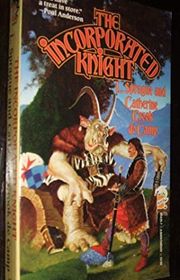
The Incorporated Knight
by L. Sprague de Camp
1987
Practical-minded Eudoric Dambertson would rather trade than meet the demands of chivalry. Winning his intended bride requires knighthood and dragon hide for her magician father, sending him into adventures where legal complications and everyday obstacles frustrate supposedly heroic deeds.
The Stones of Nomuru
by L. Sprague de Camp
1988
Archaeologist Keith Salazar’s quiet excavation on an alien world is disrupted by hostile natives, his former wife, and an ambitious developer. Protecting the site and the woman he loves pushes him into increasingly unlikely feats of courage.

The Honorable Barbarian
by L. Sprague de Camp
1989
Sent abroad after a romantic indiscretion, Kerin discovers that distance does little to keep him out of trouble. A protective sprite, jealous sailors, rival wizards, and a kidnapped princess complicate his journey toward the Far East.

The Pixilated Peeress
by L. Sprague de Camp
1991
Soldier and aspiring scholar Thorolf rescues a fugitive countess, only for a botched disguise spell to transform her into an octopus. Seeking another magician’s help entangles him in murder accusations, political manipulation, and a perilous bargain for sanctuary among trolls.

The Swords of Zinjaban
by L. Sprague de Camp
1991
A film expedition to Krishna brings an overbearing director, a womanizing producer, and opportunities for local thieves. Tour guide Fergus Reith must manage the crew as plans for war and inconvenient romantic reunions complicate the production.

The Venom Trees of Sunga
by L. Sprague de Camp
1992
Researcher Kirk Salazar joins a tour group to study creatures living in Sunga’s venomous forest. Squabbling tourists, a destructive logging scheme, and a determined cult leader turn his academic fieldwork into a dangerous struggle to protect his research.
The Ape-man Within
by L. Sprague de Camp
1995
De Camp explores why humans so often struggle to cooperate across social differences. He links competitive, destructive behavior to survival habits developed in humanity's distant past, asking how ancient adaptations continue to shape relationships in modern societies.
Rubber Dinosaurs and Wooden Elephants
by L. Sprague de Camp
1996
This collection of essays and a poem examines literature, film, history, and their frequent distortions. Topics include Lovecraft, Robert E. Howard, Edgar Rice Burroughs, silent cinema, imaginary books, pseudohistory, and the gap between fictional barbarians and historical reality.
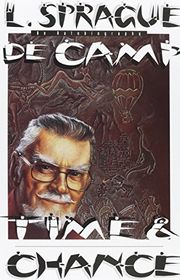
Time And Chance
by L. Sprague de Camp
1996
L. Sprague de Camp recalls his life and long career writing science fiction, fantasy, history, and biography. His memoir follows the experiences and relationships of a writer closely involved in the development of modern speculative fiction.
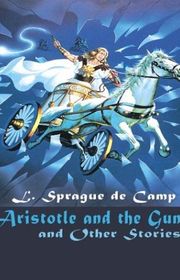
Aristotle and the Gun and Other Stories
by L. Sprague de Camp
2002
Seven stories combine time travel, unusual creatures and comic complications, from dinosaur-hunting expeditions to a mermaid entering a swimming contest. The title tale examines the consequences of carrying modern technology into the ancient world.

Years in the Making
by L. Sprague de Camp
2004
Time travelers and displaced observers confront alternate histories, vanished eras and unfamiliar societies in this collection of fiction, poems and essays. Stories explore the consequences of changing the past and the practical difficulties of communicating across time.
L. Sprague de Camp sub-series and character series
Novarian books in order
Explore this seriesViagens Interplanetarias - Krishna books in order
Explore this seriesStandalone L. Sprague de Camp books















Edited by
Software engineer whose passion for tracking book recommendations from podcasts inspired the creation of MRB.
Lead investor at 3one4 Capital whose startup expertise and love for books helped shape MRB and its growth.
Comments
Spotted a missing book, a wrong order or a mistake? Tell us and we'll fix this page.
We're a reading guide, not the author or publisher, so we can't send books or pass on messages.