
King Raven Books in Order
Part ofStephen R Lawhead Books in OrderBrowse the King Raven trilogy by Stephen R Lawhead in order, with story summaries, series background on his Welsh Robin Hood retelling, and tips on where to begin this historical fantasy.
Last updated:
As an Amazon Associate, we earn from qualifying purchases (at no extra cost to you).
King Raven books in publication order
3 books
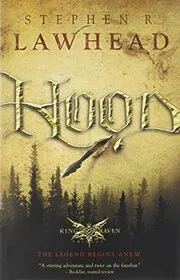
Hood
by Stephen R Lawhead
2006
When Norman soldiers seize his homeland and murder his father, Welsh prince Bran ap Brychan flees into the forest and becomes an outlaw. In the greenwood he slowly turns rage and despair into a cunning guerrilla war that will make him the feared King Raven.
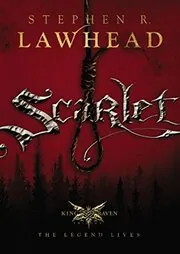
Scarlet
by Stephen R Lawhead
2007
Captured and facing execution, outlaw Will Scarlet bargains for time by telling a bishop the truth about King Raven. His jailhouse tale weaves together raids, narrow escapes, and the birth of a legend as Bran’s band becomes the last hope of the oppressed Welsh.
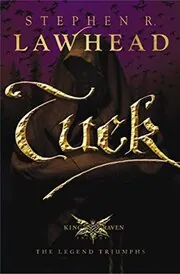
Tuck
by Stephen R Lawhead
2009
Friar Tuck has walked beside Bran from the start, but now the conflict with the Normans is reaching a breaking point. As armies converge and kings maneuver, the unconventional priest must help hold together a fragile alliance and decide how far faith can sanction rebellion.
King Raven books in chronological order
Series background & context
The King Raven trilogy takes the familiar Robin Hood legend and re-roots it in a more plausible soil. Instead of Sherwood Forest, these novels are set in the mountains and deep greenwoods of eleventh century Wales, in the uneasy years after the Norman conquest of England.
At the center stands Bran ap Brychan, heir to the small Welsh kingdom of Elfael. When his father is murdered and their lands handed to a Norman lord, Bran is driven into exile. In Hood he is no merry prankster, but a dispossessed prince who slowly learns to use the forest itself as cover and weapon. Out of grief, anger, and hard necessity, he grows into Rhi Bran y Hud, the shadowy King Raven who raids tax convoys, harasses soldiers, and becomes a symbol of hope for ordinary Cymry.
Scarlet retells much of the conflict through the eyes of William Scatlocke, a captured outlaw whose jailhouse testimony folds in folk song, rumor, and half truth. Seeing King Raven from the perspective of a reluctant follower lets the books explore how legends form, and how a real resistance movement looks from the inside. The oppression of the Welsh, the pressure from church and crown, and the grind of guerrilla war all feel grounded rather than glossy.
In Tuck, focus shifts toward the wry, stubborn priest who has been at Bran’s side from early on. Friar Aethelfrith, nicknamed Tuck, carries his own mix of idealism and weariness as the struggle crests toward open confrontation. As Norman officials tighten the vise and launch fresh campaigns into the hill country, Bran and his scattered allies have to decide how far they are willing to go, and what kind of justice they are actually fighting for.
Across all three books the tone is earthy and political rather than storybook light. Lawhead leans into real medieval power structures, clan rivalries, and church politics, while still delivering ambushes, archery contests, daring rescues, and all the other touchstones Robin Hood readers expect. The trilogy works both as a fresh take on a long loved myth and as a compact introduction to the kind of historically textured fantasy he writes elsewhere.



Edited by
Software engineer whose passion for tracking book recommendations from podcasts inspired the creation of MRB.
Lead investor at 3one4 Capital whose startup expertise and love for books helped shape MRB and its growth.
Comments
Did we miss something? Have feedback?
Help us improve this page by sharing your thoughts