
Killing Books in Order
Part ofBill O'Reilly Books in OrderThe blockbuster history series by Bill O'Reilly and Martin Dugard, featuring gripping, thriller-style accounts of famous deaths and pivotal moments.
Last updated:
As an Amazon Associate, we earn from qualifying purchases (at no extra cost to you).
Killing books in publication order
13 books
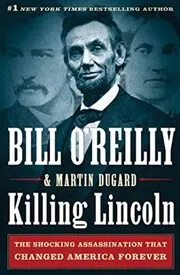
Killing Lincoln
by Bill O'Reilly
2011
The book that launched the series, detailing the final days of the Civil War and the assassination of Abraham Lincoln. It reads like a crime thriller, following John Wilkes Booth's conspiracy and the subsequent manhunt.
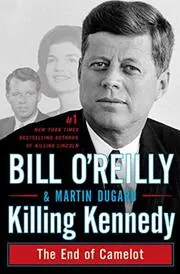
Killing Kennedy
by Bill O'Reilly
2012
A dual narrative tracing the collision course between President John F. Kennedy and his assassin, Lee Harvey Oswald. It explores the Cold War tensions of the era and the sequence of events that changed America forever.
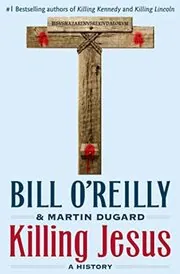
Killing Jesus
by Bill O'Reilly & Martin Dugard
2013
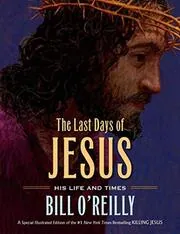
A historical rather than religious retelling of the life and execution of Jesus of Nazareth. The book places Jesus in the context of the Roman Empire, exploring the political threats he posed to both Roman and Jewish authorities.
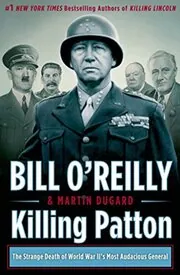
Killing Patton
by Bill O'Reilly & Martin Dugard
2014
This book investigates the mysterious death of General George S. Patton shortly after World War II ended. It covers the final drive into Germany and the political intrigue that surrounded one of America's most audacious generals.
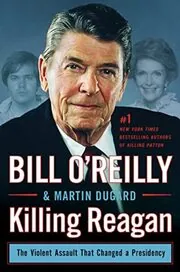
Killing Reagan
by Bill O'Reilly
2015
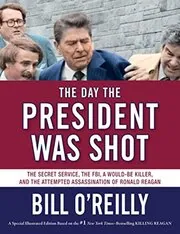
This entry explores the assassination attempt on Ronald Reagan and its lasting impact on his presidency. It delves into the Hollywood years, his political rise, and the physical and mental toll the shooting took on him.
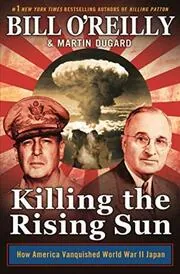
Killing the Rising Sun
by Bill O'Reilly & Martin Dugard
2016
This narrative focuses on the brutal Pacific theater of World War II and the controversial decision to drop atomic bombs on Japan. It vividly depicts the fighting on island battlefields and the high-level politics that ended the war.
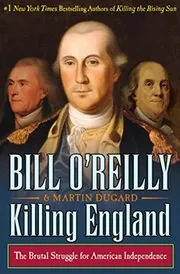
Killing England
by Bill O'Reilly
2017
The story of the American Revolutionary War told through the eyes of George Washington, Benjamin Franklin, and King George III. It captures the brutal combat and high-stakes diplomacy that led to independence.
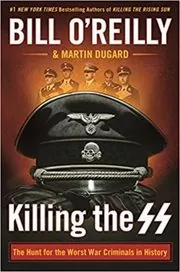
Killing the SS
by Bill O'Reilly & Martin Dugard
2018
After the fall of the Third Reich, a global manhunt began for Nazi war criminals who had escaped justice. This book tracks the spies and Nazi hunters who pursued figures like Josef Mengele and Adolf Eichmann across the world.
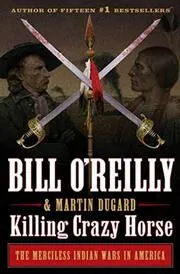
Killing Crazy Horse
by Martin Dugard & Bill O'Reilly
2020
A gritty history of the American frontier and the collision between Native American tribes and encroaching settlers. The narrative follows legendary warriors like Crazy Horse and Sitting Bull as they fight to preserve their way of life against the US military.
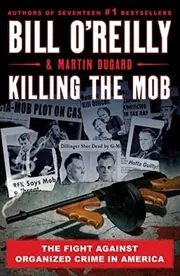
Killing the Mob
by Bill O'Reilly, Martin Dugard & Robert Petkoff
2021
This installment chronicles the rise and fall of organized crime in 20th-century America. It details the brutal war between the Mafia and the federal government, featuring figures like Al Capone, Lucky Luciano, and J. Edgar Hoover.
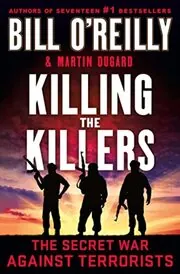
Killing the Killers
by Bill O'Reilly
2022
This narrative dives into the global war on terror, focusing on the relentless manhunt for the leaders of Al Qaeda and ISIS. It traces the actions taken by US forces across multiple presidencies to track down and eliminate high-value targets.
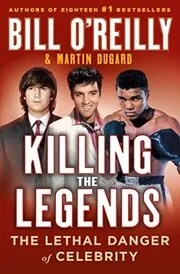
Killing the Legends
by Bill O'Reilly
2022
A look at the meteoric rises and tragic falls of three cultural icons: Elvis Presley, John Lennon, and Muhammad Ali. The book explores how the intense pressures of global fame contributed to their untimely declines.

Killing the Witches
by Bill O'Reilly
2023
This history revisits the hysteria of the Salem Witch Trials in 1692. It explores how fear and religious fanaticism led to the execution of innocent people and draws parallels to modern-day "cancel culture."
Killing books in chronological order
Series background & context
When Bill O'Reilly and historian Martin Dugard first joined forces, few people expected a non-fiction history book to read with the urgency of a summer blockbuster. Yet, that is exactly what happened with the release of Killing Lincoln. The book didn't just sit quietly on library shelves; it became a massive cultural phenomenon. Since that debut, the "Killing" series has evolved into a genuine publishing juggernaut, completely redefining how history is presented to modern readers. It turns out that millions of people love learning about the past when it isn't delivered as a boring list of dates and dusty facts.
The secret sauce driving this success is the unique narrative voice. Instead of analyzing events from a detached, academic distance, O'Reilly and Dugard drop you directly into the center of the action.
Everything unfolds in the present tense. You aren't simply reading about the end of the Civil War; you are standing in the mud at Appomattox Court House. You aren't just studying the final days of World War II; you are inside the bunker as the walls close in on the Third Reich. This cinematic approach strips away the stiffness often found in traditional textbooks. There are no dense academic footnotes to slow you down, just a relentless momentum that keeps the pages turning.
The scope of the series has grown remarkably wide over the years.
While the initial installments focused on specific, world-altering assassinations—such as the tragic deaths of Abraham Lincoln, John F. Kennedy, and Jesus of Nazareth—the franchise quickly pivoted to cover much broader landscapes. Titles like Killing the Rising Sun explore the terrifying conclusion of the war in the Pacific, while Killing England dives into the grit and strategy of the American Revolution. The authors have even moved beyond political figures to explore pop culture and societal madness, investigating organized crime in Killing the Mob and the dark history of Salem in Killing the Witches.
Despite the fast pacing, the foundation of these books is built on serious research. The authors dig through archives to find the small, human details that bring legendary figures back down to earth. You see the personal insecurities, the private conversations, and the minor decisions that eventually led to major historical shifts.
Ultimately, the "Killing" books work because they make history feel dangerous and alive. It does not matter if the subject is General Patton, Ronald Reagan, or the leaders of the SS. The goal remains the same: to tell a gripping story that happens to be entirely true. It is a winning formula that has kept readers hooked for over a decade, proving that the past is never actually boring—it just needs the right storytellers.


Edited by
Software engineer whose passion for tracking book recommendations from podcasts inspired the creation of MRB.
Lead investor at 3one4 Capital whose startup expertise and love for books helped shape MRB and its growth.
Comments
Did we miss something? Have feedback?
Help us improve this page by sharing your thoughts