
Julian Symons Books in Order
Explore Julian Symons books in order, with quick summaries, his crime and nonfiction series, and a few good places to start this wide-ranging body of work.
Last updated:
As an Amazon Associate, we earn from qualifying purchases (at no extra cost to you).
Julian Symons books in publication order
77 books

Confusions About X
by Julian Symons
1939
Symons's first book, a poetry collection from 1939. It catches him before the crime novels, working as a young poet with a critic's sharp ear.
The Second Man
by Julian Symons
1943
A later poetry collection from Symons's early career. The voice is lean, intelligent, and already interested in doubles, masks, and divided selves.
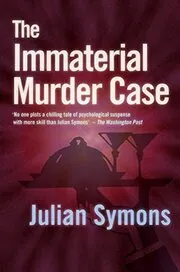
The Immaterial Murder Case
by Julian Symons
1945
Wealthy American John Wilson moves among avant-garde artists devoted to Immaterialism until a corpse appears inside one of their creations. Inspector Bland must sort real murder from fashionable nonsense.
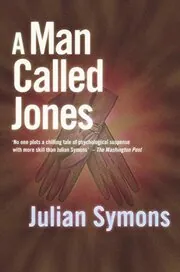
A Man Called Jones
by Julian Symons
1949
Lionel Hargreaves is shot dead during an office party, leaving Inspector Bland to work through bad alibis and planted clues. An early Symons mystery set in the brittle world of advertising.
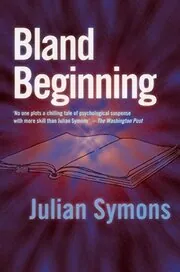
Bland Beginning
by Julian Symons
1949
A prequel to the Bland books, this novel shows Bland before his police career as he stumbles into his first real case. It is both an origin story and a gentle send-up of detective conventions.
Selected Writings of Samuel Johnson Falcon Prose Classics
by Julian Symons
1949
A curated selection of Samuel Johnson's prose, assembled and introduced by Symons. It is a compact doorway into one of English literature's great talkers and thinkers.
The 31st Of February
by Julian Symons
1950
When the wife of advertising executive Anderson is found dead, the police begin pressing him toward a confession. A tense early Symons novel about pressure, suspicion, and the threat hidden inside ordinary office life.

Charles Dickens
by Julian Symons
1951
A concise book on Dickens that introduces the novelist, the public figure, and the world his fiction came out of.
The Clue in the Book
by Julian Symons
1952
Francis Quarles faces a bookish murder after a collector drinks cyanide-laced port. The key lies in a literary clue hidden in the front of a volume.
Thomas Carlyle The Life and Ideas of Prophet
by Julian Symons
1952
A fuller study of Thomas Carlyle that combines biography with a close look at his thought, influence, and stubborn force as a public writer.
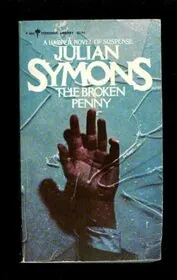
The Broken Penny
by Julian Symons
1953
In the early Cold War, an exiled Eastern European leader wants to return behind the Iron Curtain and needs a British former revolutionary beside him. A tense thriller of politics, memory, and divided loyalties.
The Narrowing Circle
by Julian Symons
1954
Passed over and bitter, an ambitious man finds his rival dead within a day and quickly becomes the main suspect. Symons keeps the pressure on as alibis fail and the circle closes.
Horatio Bottomley;
by Julian Symons
1955
A biography of the showman financier and politician Horatio Bottomley. Symons follows a life built on performance, influence, and spectacular collapse.
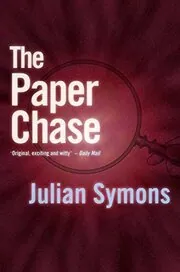
The Paper Chase / Bogue's Fortune
by Julian Symons
1956
A crime writer takes a job at a progressive school to research a novel and stumbles into murder. Soon he is chasing hidden treasure, old secrets, and the shadow of a dead headmaster.
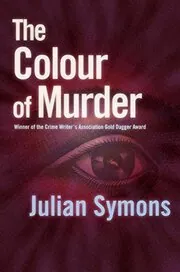
The Colour Of Murder
by Julian Symons
1957
John Wilkins, trapped in an unhappy marriage, begins fantasizing about killing his wife after meeting a young librarian. Symons turns a familiar setup into a tense psychological puzzle about desire, memory, and guilt.
The Gigantic Shadow / The Pipe Dream
by Julian Symons
1958
TV interrogator Bill Hunter lives by exposing other people's secrets, until his own past comes back to wreck his public mask. Out of work and cornered, he turns toward a dangerous plan.
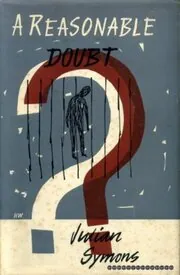
A Reasonable Doubt
by Julian Symons
1960
A nonfiction look at crime, justice, and the uncertainties that cling to verdicts. Symons is interested in how cases are made, and how doubt survives them.
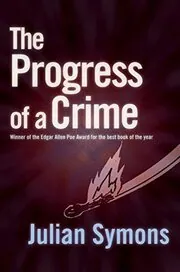
The Progress of a Crime
by Julian Symons
1960
On Guy Fawkes Night, reporter Hugh Bennett thinks he sees a publican stabbed beside the bonfire. As the case moves through court, he starts to wonder whether the story everyone wants may not be the truth.
The Killing Of Francie Lake / The Plain Man
by Julian Symons
1962
Francie Lake's death opens a shabby world of vanity, blackmail, and uneasy loyalties. The murder matters, but so does the social wreckage around it.
Carlyle
by Julian Symons
1963
A short study of Thomas Carlyle, bringing together biography, ideas, and literary judgment in Symons's plainspoken critical style.
The End of Solomon Grundy
by Julian Symons
1964
A dead young woman seems at first to be one more anonymous victim, until the trail leads to a respectable new housing estate and the man called Solomon Grundy. Sharp, suburban, and quietly nasty.

'Twixt the Cup and the Lip
by Julian Symons
1965
A short suspense piece built around the fatal distance between a plan and its completion. Symons makes quick work of false confidence and last-minute reversal.
Francis Quarles Investigates: Tales for the Connoisseur of Detective Fiction
by Julian Symons
1965
Fifteen short cases for private detective Francis Quarles, first written for newspaper publication. They are compact, fair, and built to deliver a clean deductive snap.
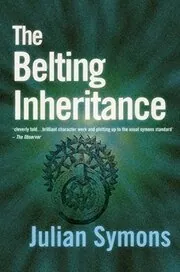
The Belting Inheritance
by Julian Symons
1965
When a man appears at a country estate claiming to be the long-lost heir, the whole Wainwright family has reason to fear what he might inherit. A classic country-house mystery with a sharp edge of postwar doubt.
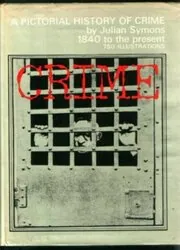
CRIME A Pictorial History of Crime 1840 to the Present
by Julian Symons
1966
An illustrated history of crime and its public image, from the nineteenth century onward. Symons combines cases, context, and visual material in a book made for curious browsers.
Crime and Detection
by Julian Symons
1966
An illustrated survey of crime, policing, and detective fiction from the 1840s onward. It is broad, accessible, and full of the connections Symons liked to draw.
Critical Occasions
by Julian Symons
1966
Essays and reviews on literature and culture, written with the same crisp intelligence Symons brought to crime criticism. It is a good place to meet him as a general man of letters.
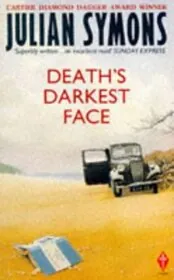
Death's Darkest Face
by Julian Symons
1966
Geoffrey Elder turns to Julian Symons himself to help untangle a poet's long-buried murder. The result is part mystery, part literary game, and part meditation on memory and truth.
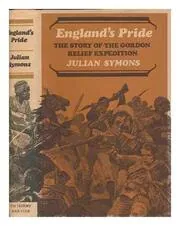
England's pride
by Julian Symons
1966
A history of the Gordon Relief Expedition that blends military narrative with political background. Symons is interested not only in the campaign, but in the attitudes behind it.
A Theme for Hyacinth
by Julian Symons
1967
A dark short story in which mood, obsession, and hidden motives matter more than surface manners. Symons builds unease with very little wasted motion.
The Man Who Killed Himself
by Julian Symons
1967
Arthur Brownjohn invents a flamboyant second identity to escape his suffocating life, then decides to use it for murder. A dark comedy about role-playing, freedom, and disastrous ingenuity.
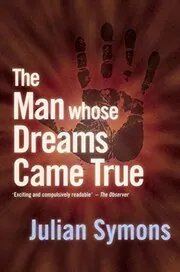
The Man Whose Dreams Came True
by Julian Symons
1968
Handsome drifter Tony Jones wants the easy life, fine clothes, and money without work. Symons follows that dream into humiliation, compromise, and a future far darker than Tony imagined.
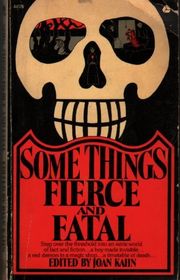
Eight Minutes to Kill
by Julian Symons
1971
A tight short thriller that runs on urgency and precision. The clock is part of the danger, and Symons uses the pressure to expose character as much as plot.
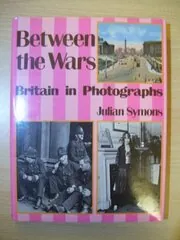
Between the Wars
by Julian Symons
1972
A photographic and historical portrait of Britain between 1918 and 1939. Symons uses images and commentary to show how public life and private habits were changing.
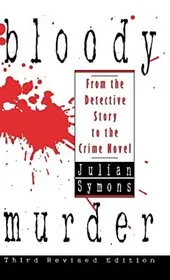
Bloody Murder
by Julian Symons
1972
One of the landmark books of crime-fiction criticism, tracing the path from fair-play whodunits to darker, more psychological novels. Symons writes with conviction and plenty of examples.
Notes From Another Country
by Julian Symons
1972
An autobiographical book of reflections, memories, and observations from a writer who spent a lifetime watching people closely. Personal without being confessional, it feels companionable and sly.
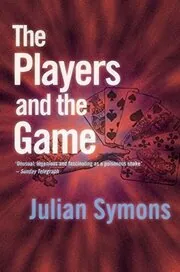
The Players and The Game
by Julian Symons
1972
What begins with missing young women grows into a grim police case about fantasy, domination, and murder. Symons mixes procedural detail with an unsettling look at people who treat cruelty like play.
A Reflection on Auden
by Julian Symons
1973
A brief piece on W.H. Auden from a writer who had lived through the same literary century. Personal, critical, and compact.
The Plot Against Roger Rider
by Julian Symons
1973
Geoffrey Paradine, long overshadowed by the successful Roger Rider, begins an affair with Roger's wife and dreams of revenge. Then Roger vanishes, and the obvious suspect is Geoffrey himself.
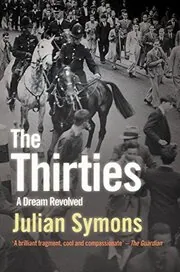
The Thirties
by Julian Symons
1973
Symons's classic study of the 1930s, covering its writers, politics, moods, and arguments. It remains one of his key books outside crime fiction.
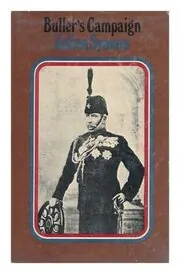
Buller's Campaign
by Julian Symons
1974
A military history of General Buller's part in the South African War. Symons focuses on decisions, personalities, and how campaigns go wrong.
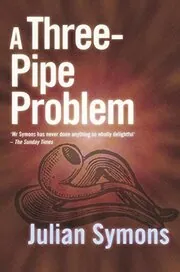
A Three-Pipe Problem
by Julian Symons
1975
Actor Sheridan Haynes lands the role of Sherlock Holmes and starts treating himself like the real thing. Soon he is chasing three murders in a clever, funny pastiche that also works as a modern mystery.
The Angry 30's
by Julian Symons
1976
Symons returns to the political energy and literary quarrels of the 1930s. It is a brisk, engaged look at a decade he knew from the inside.
How to Trap a Crook
by Julian Symons
1977
A collection of Symons short stories, including several Francis Quarles pieces. It offers quick puzzles, ironic reversals, and the author's lighter side in miniature.
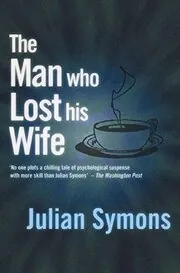
The Man Who Lost His Wife
by Julian Symons
1977
Gilbert Welton thinks his life is settled until his wife abruptly goes away. What follows is a tense unpicking of marriage, identity, and the stories people tell themselves about love.
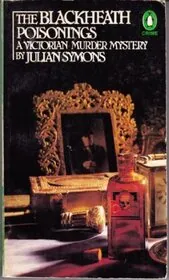
The Blackheath Poisonings
by Julian Symons
1978
In late Victorian Blackheath, two intertwined families start falling ill and dying under suspicious circumstances. A rich period mystery with secrets, social detail, and a slow tightening sense of dread.
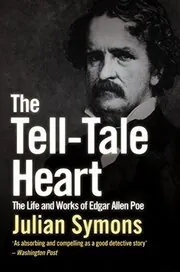
The Tell-Tale Heart
by Julian Symons
1978
Symons's life of Edgar Allan Poe explores both the troubled man and the stories that changed crime and horror writing forever.
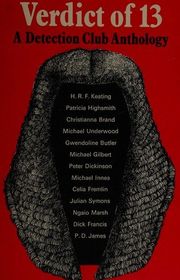
Verdict of Thirteen
by Julian Symons, Anon., Ngaio Marsh & PD James
1979
A Detection Club anthology of thirteen original mystery stories linked by the flexible idea of the jury. Introduced by Julian Symons, it brings together P.D. James, Ngaio Marsh, and fellow crime writers for tales ranging from courtroom puzzles to murder investigations.
Sweet Adelaide
by Julian Symons
1980
Based on the 1886 Pimlico mystery, this Victorian crime novel follows suspicion, marriage, and poison through a tightly controlled world. Symons keeps the history vivid without losing the chill of the case.
The Modern Crime Story
by Julian Symons
1980
A survey of crime fiction by one of the genre's best critics. Symons maps changing styles, major writers, and the move toward more modern forms of suspense.
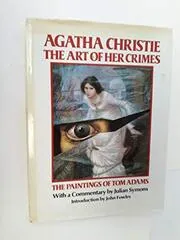
Agatha Christie, the Art of Her Crimes
by Julian Symons
1981
The US edition of Symons's book on Agatha Christie cover art and the visual life of her mysteries. It is part appreciation, part design history, part loving genre side road.
Critical Observations
by Julian Symons
1981
A varied essay collection on books, writers, and cultural subjects that caught Symons's eye. He writes as a critic who likes clear judgments and sharp distinctions.
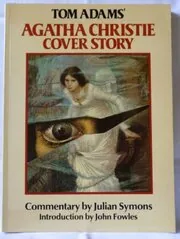
Agatha Christie Cover Story
by Julian Symons
1982
A book about Agatha Christie cover art, especially the striking paintings associated with her novels. It pairs visual appreciation with Symons's feel for how crime fiction creates mood and promise.
The Detling Murders / The Detling Secret
by Julian Symons
1982
A later Symons mystery built around death, secrecy, and a carefully controlled social world. It has the cool surface of a classic case, but the real interest lies in motive and pressure.
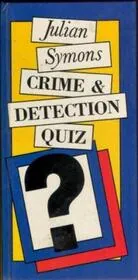
Crime and Detection Quiz
by Julian Symons
1983
A quiz book for crime-fiction readers, packed with questions about authors, detectives, plots, and genre history. Fun, tricky, and clearly written by someone who knew the field inside out.
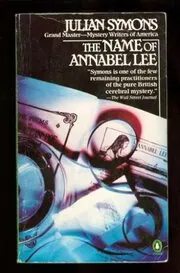
The Name of Annabel Lee
by Julian Symons
1983
Bookish professor Dudley Potter falls hard for a woman named Annabel Lee, then becomes obsessed when she vanishes. Symons threads romance, pursuit, and Edgar Allan Poe through a restless modern mystery.
1948 and 1984
by Julian Symons
1984
An Orwell memorial lecture comparing the world of 1948 with the warning imagined in Nineteen Eighty-Four. Short, pointed, and very much interested in politics and language.
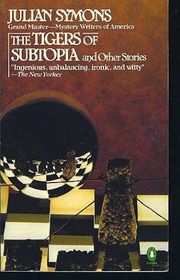
The Tigers of Subtopia and Other Stories
by Julian Symons
1984
A story collection about the buried cruelty and sudden violence hiding inside ordinary suburban lives. The pieces are varied, but the mood is sharp, ironic, and unsettling.
Dashiell Hammett
by Julian Symons
1985
Symons's short study of Dashiell Hammett looks at the man who helped hard-boiled crime fiction grow up. It balances biography, criticism, and admiration without turning solemn.
Two Brothers
by Julian Symons
1985
A brief, intimate work of correspondence and family reflection that circles around brotherhood, memory, and literary life.
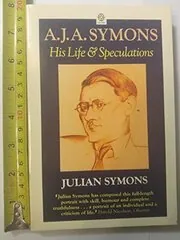
A.J.A. Symons, His Life And Speculations
by Julian Symons
1986
A biography of Julian Symons's older brother, the writer A.J.A. Symons. It is both a family portrait and a study of an unusual literary life.
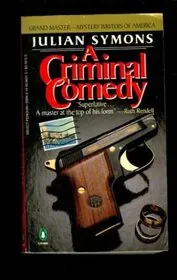
The Criminal Comedy of the Contented Couple / A Criminal Comedy
by Julian Symons
1986
A darkly comic mystery about a seemingly settled couple whose comfortable life hides schemes, resentment, and danger. Symons keeps the tone light on the surface and sharp underneath.
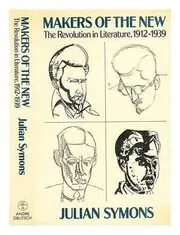
Makers of the New
by Julian Symons
1987
A study of literary change between 1912 and 1939, when modern writing was being remade in real time. Symons connects movements, personalities, and books without losing the human story.
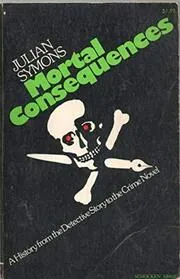
Mortal Consequences
by Julian Symons
1987
Published in Britain as Bloody Murder, this is Symons's influential history of crime fiction. He traces how the classic detective story gave way to the more psychological crime novel.
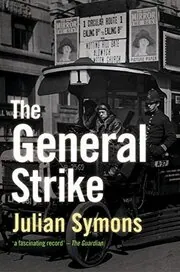
The General Strike
by Julian Symons
1987
A lively historical portrait of the 1926 General Strike and the Britain that produced it. Symons keeps the big political story tied to people, class, and daily life.
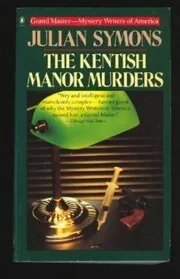
The Kentish Manor Murders
by Julian Symons
1988
Sheridan Haynes, now famous for playing Holmes, is drawn to Castle Baskerville, a rare Doyle manuscript, and a very real murder. Symons mixes fandom, country-house atmosphere, and sly Sherlockian fun.
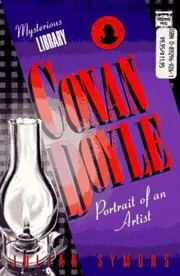
Conan Doyle
by Julian Symons
1989
A concise portrait of Arthur Conan Doyle that looks beyond Sherlock Holmes to the man, the career, and the ideas behind the legend.
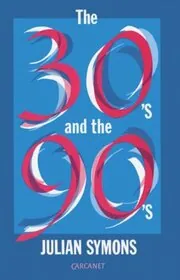
The Thirties and the Nineties
by Julian Symons
1990
Symons revisits the writers, politics, and arguments of the 1930s from a later vantage point. Part criticism, part memoir, it is a thoughtful return to the decade that shaped him.
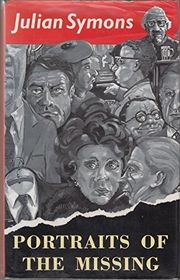
Portraits Of The Missing
by Julian Symons
1991
Eight imaginary biographies and narrative sketches about people who might have slipped out of Symons's crime novels and into a stranger book. Part fiction, part social satire.
Does literature exist? The Lurcy Lecture Amherst College March 1992.
by Julian Symons
1993
A short lecture in which Symons asks what literature still means, and whether the category holds up under modern pressures. More conversational than grand, and more provocative than dry.
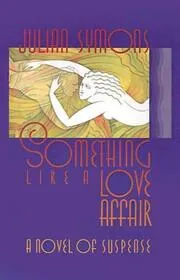
Something Like a Love Affair
by Julian Symons
1993
Restless Sussex housewife Judith Lassiter drifts into an affair that seems exciting, then dangerous. The story moves toward murder through secrecy, resentment, and one bad decision after another.
Criminal Practices
by Julian Symons
1994
A collection of essays in which Symons reflects on crime writing from the 1960s to the 1990s. It is opinionated, readable, and full of a lifelong insider's knowledge of the genre.
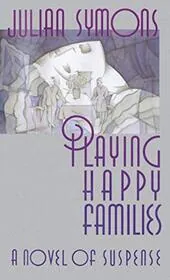
Playing Happy Families
by Julian Symons
1995
What begins as a family anniversary gathering turns chaotic when daughter Jenny Midway disappears. As Hilary Catchpole digs deeper, old loyalties crack and the respectable Midways start to look far less solid.
The Man Who Hated Television / Did Sherlock Holmes Meet Hercule?
by Julian Symons
1995
A two-part volume that pairs Symons's satirical title story with a playful Holmes-related piece. It shows his range, from sharp modern irony to affectionate detective pastiche.
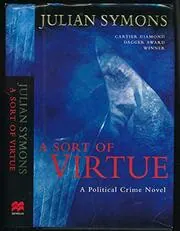
A Sort Of Virtue
by Julian Symons
1996
Detective Chief Superintendent Hilary Catchpole returns in a late political crime novel that looks hard at public life and private compromise. It is less about glamour than about decency, ambition, and the cost of doing the right thing.
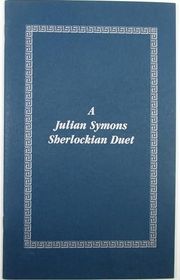
A Julian Symons Sherlockian Duet
by Julian Symons
2000
A slim Holmes volume pairing two of Symons's Sherlockian pieces. It is affectionate pastiche, but also a reminder of how well he understood the machinery of detective fiction.
The Detections of Francis Quarles
by Julian Symons
2006
Forty-two brisk detective stories starring private investigator Francis Quarles. Each one builds from a neat clue, a small mystery, and a fast, satisfying piece of deduction.
Where to start with Julian Symons
If you want his sharpest psychological crime novels: The Colour Of Murder → The Progress of a Crime → The Plot Against Roger Rider
If you like classic detective setups: The Immaterial Murder Case → A Man Called Jones → Bland Beginning
If Victorian mysteries appeal: The Blackheath Poisonings → Sweet Adelaide
If you want Holmes playfulness: A Three-Pipe Problem → The Kentish Manor Murders
If you want his crime-fiction criticism: Crime and Detection → Bloody Murder
Julian Symons sub-series and character series
Francis Quarles books in order
Explore this series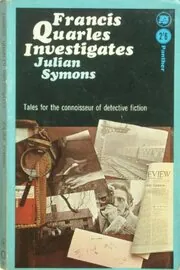
Francis Quarles Investigates: Tales for the Connoisseur of Detective Fiction
by Julian Symons
1965Francis Quarles, Book 1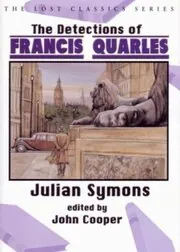
Francis Quarles books in chronological order
Francis Quarles Investigates: Tales for the Connoisseur of Detective Fiction
by Julian Symons
1965Francis Quarles, Book 1
Joan Kahn-Harper books in order
Explore this series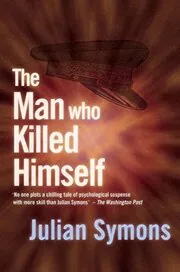
The Man Who Hated Television / Did Sherlock Holmes Meet Hercule?
by Julian Symons
1995Joan Kahn-Harper, Book 8
Joan Kahn-Harper books in chronological order
The Man Who Hated Television / Did Sherlock Holmes Meet Hercule?
by Julian Symons
1995Joan Kahn-Harper, Book 8
Julian Symons collections, short stories, and related book types
British Library Crime Classics
Non-Fiction
Short Stories/Novellas
Short Story Collections
Poems
Standalone Julian Symons books
Author bio
Julian Symons was born in Clapham, London, on May 30, 1912, and grew up in a family of modest means. His parents were of Russian and Polish Jewish background, his father worked as an auctioneer, and his older brother A.J.A. Symons would also become a writer. Books were never far from the center of his life.
He left school at fourteen.
That early end to formal education shaped him. Symons read his way forward, educated himself, and came into literature first as a poet and critic rather than as a crime novelist. In 1937 he founded the magazine Twentieth Century Verse and edited it for two years, which tells you a lot about the kind of writer he was from the start, curious, argumentative, and deeply interested in how literary culture worked.
When he turned to crime fiction after the war, he did not stay inside the neat old rules for long. His first published novel, The Immaterial Murder Case, appeared in 1945, but the books that readers most often remember came after that. The Colour Of Murder takes a familiar setup, an unhappy husband imagining escape, and turns it into something tense and psychologically slippery. The Progress of a Crime begins with what seems like a straightforward public murder and then keeps asking what witnesses, reporters, police, and courts really do to the truth.
That was his real gift.
Symons liked mystery, but he was even more interested in the pressure people put on themselves. Again and again, his novels are about ordinary men and women trying to manage appearances, hide shame, or talk themselves into a better life. The Man Whose Dreams Came True, The Man Who Lost His Wife, and The Plot Against Roger Rider all show that interest in masks, fantasies, and bad decisions. Readers who warm to him usually like the dry humor, the social observation, and the way a respectable surface can crack open very fast.
He could also be playful. A Three-Pipe Problem and The Kentish Manor Murders let him have fun with Sherlock Holmes without simply copying Conan Doyle, while The Blackheath Poisonings and Sweet Adelaide show how well he could work in a Victorian setting. Even when the setup looks traditional, there is usually a Symons twist: a cooler eye on motive, less faith in heroic detectives, and more attention to class, vanity, and self-deception.
He was not only a novelist.
His critical study Bloody Murder, published in the United States as Mortal Consequences, became one of the best-known histories of crime fiction, and it helped shape how later readers thought about the difference between the classic detective story and the modern crime novel. He also wrote biographies and studies of writers including Conan Doyle, Dashiell Hammett, Edgar Allan Poe, Charles Dickens, Thomas Carlyle, and his own brother A.J.A. Symons. That mix of fiction and criticism made him unusual: he was both a practitioner and one of the sharpest people thinking about the form.
Recognition came steadily. He won Edgar Awards, was named a Grand Master by the Mystery Writers of America in 1982, served as president of the Detection Club from 1976 to 1985, and received the Cartier Diamond Dagger in 1990. He married Kathleen Clark in 1941, they had a son, Mark, and in later life he lived in Kent. He died at Walmer, Kent, on November 19, 1994, leaving behind a body of work that still feels brisk, skeptical, and very human.


Edited by
Software engineer whose passion for tracking book recommendations from podcasts inspired the creation of MRB.
Lead investor at 3one4 Capital whose startup expertise and love for books helped shape MRB and its growth.
Comments
Did we miss something? Have feedback?
Help us improve this page by sharing your thoughts