
Judge Dee Mysteries Books in Order
Part ofRobert Van Gulik Books in OrderThis page lists the Judge Dee Mysteries by Robert Van Gulik in order, with short summaries, reading order notes, series background, and where to start.
Last updated:
As an Amazon Associate, we earn from qualifying purchases (at no extra cost to you).
Judge Dee Mysteries books in publication order
17 books
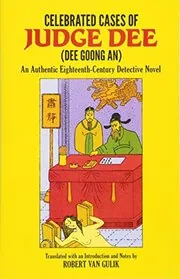
Celebrated Cases of Judge Dee / Dee Goong An
by Robert Van Gulik
1949
Van Gulik's translation of an older Chinese detective novel introduces Judge Dee through three intertwined cases. It is less a modern whodunit than a window into how crime, law, and justice were imagined in imperial China.
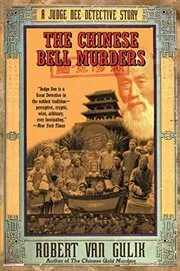
The Chinese Bell Murders
by Robert Van Gulik
1958
Newly posted to Poo-yang, Judge Dee reopens the killing of a butcher's daughter while probing a sinister temple and a baffling skeleton case. The three investigations show how calmly he can work through noise, fear, and social pressure.

The Chinese Gold Murders
by Robert Van Gulik
1959
In his first chronological case, Judge Dee arrives at rough Peng-lai and inherits his predecessor's murder. A missing bride, ghost stories, a prowling tiger, and hints of smuggling make the district feel cursed.

The Chinese Lake Murders
by Robert Van Gulik
1960
During a festival season in lakeside Han-yuan, Judge Dee faces three murders tied to pleasure boats, politics, and old grudges. The case mixes a lush setting with a darker look at greed and desire.

The Chinese Nail Murders
by Robert Van Gulik
1961
Judge Dee juggles three grim cases, including a headless corpse and the killing of a respected merchant. As pressure from higher officials builds, the novel turns into one of the series' sharpest studies of law and forensic detail.
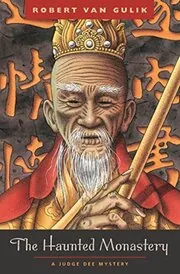
The Haunted Monastery
by Robert Van Gulik
1961
A storm strands Judge Dee and his wives in an isolated Taoist monastery with a bad reputation. One long night brings murder, hidden corruption, and the sort of locked-in tension Van Gulik handles very well.
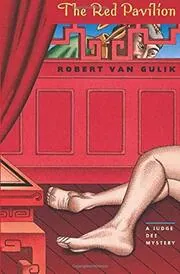
The Red Pavilion
by Robert Van Gulik
1961
Judge Dee's chance meeting with the courtesan Autumn Moon draws him into a chain of deaths on Paradise Island. Beneath the elegant setting lies a sad, tangled story of love, status, and exploitation.
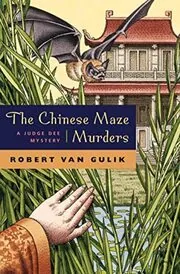
The Chinese Maze Murders
by Robert Van Gulik
1962
On taking charge in Lan-fang, Judge Dee finds a town bent by corruption and three tangled mysteries. Poisoned fruit, hidden letters, murder, and a dangerous maze lead him into his first full-length case.

The Lacquer Screen
by Robert Van Gulik
1962
A senior magistrate seems to see a murder appear on a lacquer screen, then a rich banker's death looks like suicide. Dee goes undercover among robbers to learn how the two puzzles connect.

The Emperor's Pearl
by Robert Van Gulik
1963
During the Dragon Boat races, Judge Dee watches a festive day turn deadly. A murdered student, a collector's household, and a seemingly cursed imperial pearl lead him toward a sinister riverside villa.

The Monkey and The Tiger
by Robert Van Gulik
1965
This volume pairs two shorter Judge Dee adventures. In one, a gibbon's stolen ring points to murder, and in the other Dee must face armed bandits while untangling a killing in an isolated country house.

The Phantom of the Temple
by Robert Van Gulik
1965
A Buddhist temple, missing gold, a vanished young woman, and a headless corpse give Dee plenty to sort through. The story leans into eerie rumors but stays focused on theft, deception, and murder.
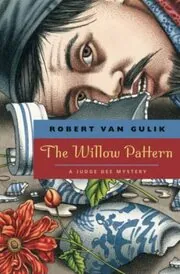
The Willow Pattern
by Robert Van Gulik
1965
Now chief judge in Chang-an, Dee investigates three murders linked to one of the capital's oldest families. The case is tighter, more political, and more urban than many of the earlier district mysteries.

Murder in Canton
by Robert Van Gulik
1966
Dee travels incognito to Canton, a trading port crowded with foreign merchants and official secrets, to find a missing censor. The result is a dense, late-career mystery with politics, disguise, and real danger.
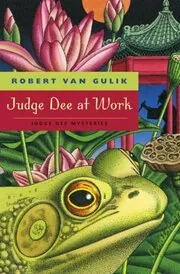
Judge Dee at Work
by Robert Van Gulik
1967
These eight short stories follow Judge Dee across different stages of his career. They are quick, clever cases that show how Van Gulik could build atmosphere and fair-play puzzles in very little space.
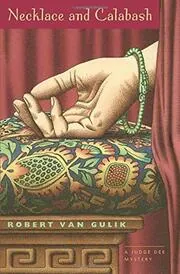
Necklace and Calabash
by Robert Van Gulik
1967
What begins as a quiet fishing break near the Water Palace turns into a delicate investigation with a body in the river and an imperial princess asking for help. Dee has to solve the mystery without starting a political disaster.

Poets and Murder / The Fox-Magic Murders
by Robert Van Gulik
1968
At the Mid-Autumn festival, Judge Dee hears that a young maid has been killed and a famous poet is accused. A second death pulls him deeper into a case full of literary gossip, jealousy, and danger.
Judge Dee Mysteries books in chronological order
Series background & context
The Judge Dee Mysteries start from a simple but smart idea. Robert Van Gulik took a real Tang dynasty official, Di Renjie, and brought him back through crime fiction. He first translated an older Chinese case novel in Celebrated Cases of Judge Dee / Dee Goong An, then wrote his own original mysteries around the same magistrate. So the series sits halfway between classic Chinese case fiction and the modern historical mystery.
Judge Dee is not a private detective.
He is a district magistrate, which means he investigates crimes, questions suspects, hears petitions, runs a court, and hands down judgments. That job gives the books their special shape. Dee is usually working several cases at once, with help from Sergeant Hoong and his trusted lieutenants Ma Joong, Chiao Tai, and Tao Gan. The fun is not just in spotting clues. It is in watching a very smart official sort through rumor, law, status, and human weakness. You also spend time in the tribunal office and inside Dee's household, so the series never feels like puzzle-making cut off from daily life.
The setting matters just as much as the plots. Across the series, Dee serves in rough border towns, canal districts, busy market cities, the imperial capital, and finally Canton, the great southern port. Each place brings a different kind of trouble. One book may turn on smugglers, another on monks or Taoist recluses, another on courtesans, exam candidates, aristocratic families, soldiers, or corrupt officials. Van Gulik liked to show how crime grows out of the way a whole town works. Rumors of ghosts, haunted temples, fox magic, and cursed objects show up often, but the books stay grounded in motive, opportunity, fear, greed, jealousy, and power.
The books are compact, but they do not feel small.
There is an internal chronology to Dee's career, yet most of the novels work well on their own. You can start with the translated classic, with the early-career case The Chinese Gold Murders, or with the first original novel Van Gulik wrote, The Chinese Maze Murders. Shorter books like The Monkey and The Tiger and the story collection Judge Dee at Work are good if you want a quicker taste. Some novels lean toward political danger, some toward tightly built puzzle plots, and some toward travel adventure. What keeps the series going is the mix: fair-play mystery, legal drama, travel through imperial China, and a steady sense that justice is never simple.














Edited by
Software engineer whose passion for tracking book recommendations from podcasts inspired the creation of MRB.
Lead investor at 3one4 Capital whose startup expertise and love for books helped shape MRB and its growth.
Comments
Did we miss something? Have feedback?
Help us improve this page by sharing your thoughts