
Jorge Borges Books in Order
Explore Jorge Borges books in order, with publication details and book summaries to help you choose where to start and plan your next read.
Last updated: 31 new books added
As an Amazon Associate, we earn from qualifying purchases (at no extra cost to you).
Jorge Borges books in publication order
31 books
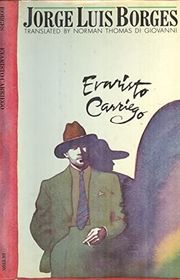
Evaristo Carriego
by Jorge Borges
1930
Borges explores the life of Argentine poet Evaristo Carriego while evoking an older Buenos Aires. The portrait becomes a reflection on literary identity, local memory, and the uncertain boundaries between a writer's life and the world his work creates.

The Mirror of Ink
by Jorge Borges
1933
Seven short stories explore philosophical puzzles, paradoxes and the uncertainty of existence. Borges turns ideas into imaginative fiction, inviting readers into narratives where familiar assumptions about the world become increasingly difficult to hold.

A Universal History of Infamy
by Jorge Borges
1935
Borges reshapes historical accounts and invented legends into brief portraits of impostors, criminals, and violent adventurers. Moving among different cultures and eras, the collection explores deception, betrayal, revenge, and the unstable boundary between recorded fact and imaginative storytelling.

A Universal History of Iniquity
by Jorge Borges
1935
These brief narratives reinvent the lives of criminals, impostors, and adventurers drawn from history and legend. Moving across cultures and continents, Borges mixes invented detail with borrowed accounts to explore violence, deception, and the pleasures of storytelling.

The Garden of Forking Paths
by Jorge Borges
1941
Books, labyrinths and branching possibilities unsettle ordinary reality in this selection of Jorge Luis Borges’s fantastical stories. Mysteries of knowledge and interpretation lead readers into imagined worlds where a puzzle may transform the very nature of time and existence.

The Lottery in Babylon
by Jorge Borges
1941
In Babylon, a mysterious company administers a lottery that can grant wealth and power or impose terrible punishment. As chance increasingly governs public and private life, uncertainty about the company’s reach unsettles the distinction between coincidence and deliberate control.

Six Problems for Don Isidro Parodi
by Jorge Borges
1942
Visitors bring baffling crimes to Don Isidro Parodi, a prisoner who solves mysteries from his cell. Borges and Bioy Casares combine elaborate criminal puzzles with comic storytelling, giving their confined detective a parade of tangled accounts to unravel.
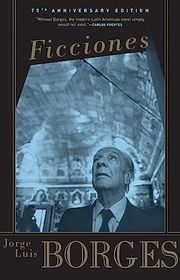
Ficciones
by Jorge Borges
1944
Borges constructs imaginary books, impossible libraries, branching histories, and unsettling philosophical puzzles in seventeen short works. The stories turn intellectual speculation into mystery, inviting readers to question identity, authorship, time, and the reliability of the worlds they inhabit.

The Aleph and Other Stories
by Jorge Borges
1945
This collection explores vengeance, faith, identity, and mortality through characters confronting impossible or unsettling circumstances. Its stories and brief prose pieces move between recognizable human conflicts and philosophical puzzles, revealing how imagination can transform the apparent boundaries of reality.

Other Inquisitions, 1937-1952
by Jorge Borges
1952
Borges considers literature, language, dreams, and time in essays that range across cultures and centuries. Reading writers from Cervantes and Pascal to Kafka, he connects close literary observation with larger questions about knowledge, interpretation, and human experience.
Extraordinary Tales
by Jorge Borges
1955
Borges and Bioy Casares assemble brief tales, parables, and anecdotes drawn from different cultures and literary traditions. The collection concentrates on unusual events and compressed storytelling, bringing historical accounts and imagined incidents together in miniature narratives.

The Book of Imaginary Beings
by Jorge Borges
1957
Borges gathers creatures from mythology, religion, literature, and folklore into an imagined bestiary. Familiar dragons and centaurs appear beside stranger inventions, tracing how writers and cultures have populated the boundaries between the known world and fantasy.
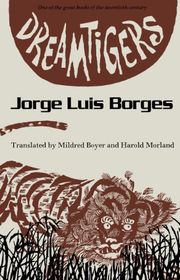
Dreamtigers
by Jorge Borges
1960
Poems, brief stories, parables, and sketches explore the territory between memory, dreams, and literary creation. Borges reflects on identity, blindness, and his relationship with earlier writers, shaping a personal portrait through fragments that echo and illuminate one another.

A Personal Anthology
by Jorge Borges
1961
Borges selects stories, poems, essays, and short sketches to represent the work on which he wished his reputation to rest. Arranged through connections and contrasts, the pieces form a personal introduction to his recurring imaginative and philosophical concerns.
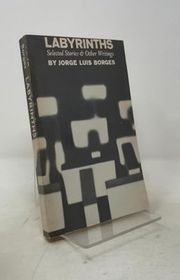
Labyrinths
by Jorge Borges
1962
This selection gathers stories, essays, and parables that turn abstract questions into literary mysteries. Borges explores imagined worlds, uncertain identities, infinite structures, and the relationship between books and reality, challenging readers to reconsider familiar assumptions about knowledge and time.

Chronicles of Bustos Domecq
by Jorge Borges
1967
The fictional critic Bustos Domecq celebrates bizarre innovations in literature, art, and architecture with apparently earnest enthusiasm. Borges and Bioy Casares turn his commentary into a satire of cultural pretension, exposing the absurd possibilities of artistic theories pursued to extremes.
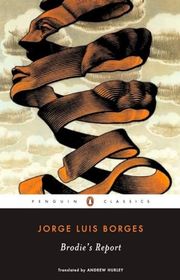
Brodie's Report
by Jorge Borges
1970
These later stories return to the rivalries, loyalties, and violence of Argentine life. Personal feuds and uneasy encounters bring questions of fate, memory, and betrayal into direct narratives where ordinary decisions carry consequences the characters cannot fully control.
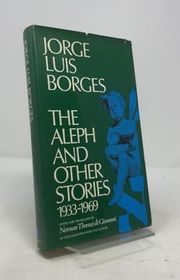
The Aleph and Other Stories, 1933-1969
by Jorge Borges
1970
Twenty stories spanning Borges's career appear alongside commentaries and an autobiographical essay written for this volume. The combination connects his imaginative fiction with reflections on his life, influences, and the methods through which he shaped his work.

The Gold of the Tigers
by Jorge Borges
1972
These later poems explore Borges’s experience of blindness and its place in his inner life. Spanish originals appear alongside Alastair Reid’s English translations, bringing the poet’s reflections into a bilingual selection.
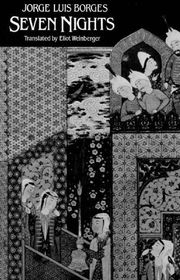
Seven Nights
by Jorge Borges
1977
Seven lectures move through Dante, nightmares, The Thousand and One Nights, Buddhism, poetry, the Kabbalah, and blindness. Borges connects his reading and personal experience with reflections on how literature, belief, and imagination shape the worlds people perceive.
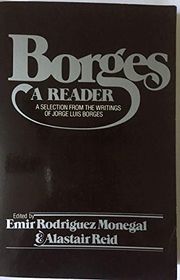
Borges
by Jorge Borges
1981
This selection follows Borges’s writing from early pieces through his fantastic fiction and later work. Bringing together material from different stages of his career, the reader offers a broad encounter with the forms and imaginative concerns that shaped his literary world.

The Congress of the World
by Jorge Borges
1981
An ambitious scheme to create a congress representing everyone on earth becomes a philosophical and comic puzzle. Borges’s story appears alongside images and discussions of Tantric cosmology, linking the desire to encompass humanity with symbolic visions of the universe.
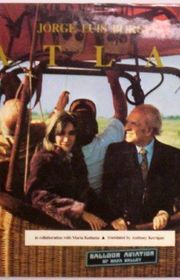
Atlas
by Jorge Borges
1984
Borges combines prose, poetry, dreams, and photographs into a personal account of journeys around the world. Created with María Kodama, the book follows associations and memories as much as physical geography, presenting travel through the writer’s distinctive imagination.

Professor Borges
by Jorge Borges
2000
These lectures trace Jorge Luis Borges’s personal view of English literature from Beowulf to Oscar Wilde. Delivered at the University of Buenos Aires, they connect writers, genres and cultural traditions through the unexpected associations of a lifelong reader.
The Total Library
by Jorge Borges
2000
More than 150 essays and other prose pieces reveal Jorge Luis Borges as a reader, critic and philosophical explorer. Spanning decades of writing, the collection follows his interests across literature and ideas, including many pieces previously unavailable in English.
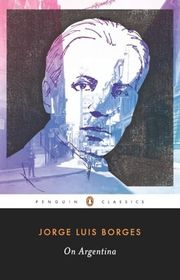
On Argentina
by Jorge Borges
2010
Jorge Luis Borges explores his homeland through essays, poems and stories about its people and traditions. Tango, gauchos, card games and Buenos Aires street life become starting points for reflections on Argentine identity, literature and the country’s place in the world.
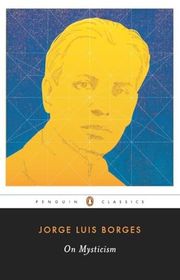
On Mysticism
by Jorge Borges
2010
This collection gathers Borges’s poems and prose about mystical experience, metaphysical puzzles and the limits of reason. Familiar works appear alongside pieces newly translated into English, revealing how religious traditions and philosophical doubt shaped his imaginative universe.
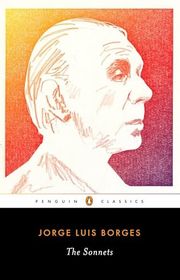
The Sonnets
by Jorge Borges
2010
This bilingual collection brings together Borges's sonnets, pairing Spanish originals with English translations. The poems reflect on ordinary mysteries and literary influences, revealing a more intimate voice while retaining his concerns with time, identity, and the possibilities of language.
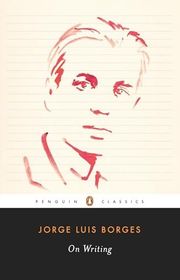
On Writing
by Jorge Borges
Borges reflects on fiction, poetry, translation, and the writers who shaped his understanding of literature. Essays and other pieces trace the evolution of his aesthetic, offering insight into both the craft of writing and the identity of the writer.

Selected Poems
by Jorge Borges
This bilingual selection traces Borges's poetry across a lifetime of writing, from early Buenos Aires poems to his final collection. Literary memory, philosophical speculation, and personal reflection reveal another dimension of the imagination associated with his fiction.

The Book of Sand
by Jorge Borges
Borges's later stories transform encounters with books, strangers, and unfamiliar places into questions about reality and identity. Direct narration gives way to impossible discoveries, bringing the infinite and the uncanny into lives that initially appear ordinary.
Standalone Jorge Borges books











Edited by
Software engineer whose passion for tracking book recommendations from podcasts inspired the creation of MRB.
Lead investor at 3one4 Capital whose startup expertise and love for books helped shape MRB and its growth.
Comments
Spotted a missing book, a wrong order or a mistake? Tell us and we'll fix this page.
We're a reading guide, not the author or publisher, so we can't send books or pass on messages.