
Michael Weaver Books in Order
Explore Michael Weaver's books in order, with quick summaries, a simple reading path, and notes on where to start with his three dark thrillers.
Last updated:
As an Amazon Associate, we earn from qualifying purchases (at no extra cost to you).
Michael Weaver books in publication order
3 books
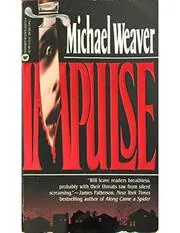
Impulse
by Michael Weaver
1993
A country getaway turns into horror when columnist Paul Garret survives an attack that leaves his wife dead. As the killer begins taunting him from the shadows, grief turns into a dangerous hunt for revenge.
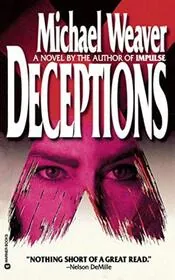
Deceptions
by Michael Weaver
1995
Manhattan artist Gianni Garetsky is dragged back into a mob-linked past he thought he had escaped. While searching for his missing boyhood friend, he stumbles into a lethal conspiracy of assassins, corruption, and political power.
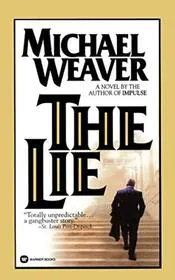
The Lie
by Michael Weaver
1997
After a deadly mistake binds journalist Kate Dinneson to an undercover operative, the two are pulled into a widening international conspiracy. Their uneasy alliance becomes a race to stop extremists from turning a human rights conference into catastrophe.
Where to start with Michael Weaver
If you want the darkest psychological suspense: Impulse
If you prefer mob ties and political conspiracy: Deceptions
If you want international stakes and espionage: The Lie
If you want the full Michael Weaver arc: Impulse → Deceptions → The Lie
Standalone Michael Weaver books
Author bio
Michael Weaver is one of those thriller writers whose name lingers because the work came in a short, sharp burst. He published three novels in the 1990s, Impulse, Deceptions, and The Lie, and together they show a writer who liked danger up close, emotions turned raw, and plots that kept finding new ways to tighten the screws.
Public biographical details about Weaver are surprisingly thin, which gives his career an extra layer of mystery. What does come through is a strong New York connection. Early notices described him as a New York City writer, and the brief author notes attached to later editions placed him on Long Island, New York. That fits the feel of the books, which move through city streets, media circles, crime networks, and political back rooms.
He arrived in 1993 with Impulse, and he did not make a quiet entrance. The novel begins with a brutal attack that shatters the life of newspaper columnist Paul Garret, then turns into a tense pursuit between survivor and killer. Readers who click with Weaver usually start here, because the book lays out his main strengths right away: hard momentum, damaged people under pressure, and suspense built from obsession as much as from action.
He was never interested in playing it safe.
Two years later he followed with Deceptions, which widened the frame. Instead of one man's private nightmare, Weaver moved into a bigger world of Mafia ties, political corruption, hired killers, and international travel. The story follows Manhattan artist Gianni Garetsky as he is dragged back toward a past he thought he had escaped. It is still a thriller powered by fear and pursuit, but it also shows Weaver stretching toward a broader, more conspiratorial style. The stakes are no longer just personal. They reach into government and power.
By the time The Lie appeared in 1997, his fiction had gone broader still.
The Lie folds journalism, intelligence work, extremism, and world politics into one fast-moving setup. Across all three books, certain interests keep resurfacing: private grief turning public, institutions that cannot be trusted, and protagonists who are forced to improvise because standing still would mean losing everything. Weaver's people are often journalists, artists, or operatives rather than classic detectives. That gives the novels a slightly different angle. The investigations come from survival, guilt, revenge, and nerve, not from tidy procedure.
That may be why readers who stumble across Weaver now often remember the same things. The books are dark, but they are not slow. He pushes hard on cat-and-mouse tension, sudden reversals, and the uneasy bond that can grow between hunter and hunted. He also seems drawn to the overlap between personal violence and public power, whether that means a serial killer tormenting a survivor, corrupt officials protecting themselves, or a political crisis growing out of old hidden crimes.
Then the public trail goes quiet.
No widely known follow-up to The Lie appeared, and that compact bibliography has become part of Michael Weaver's lasting curiosity. There is no huge backlist to sort through here, just three standalones from 1993 to 1997, each a little bigger in scope than the one before. If you read them in order, you can watch him move from intimate psychological terror to international conspiracy while keeping the same appetite for menace, betrayal, and momentum. Sometimes a brief career leaves a very clear outline.













Edited by
Software engineer whose passion for tracking book recommendations from podcasts inspired the creation of MRB.
Lead investor at 3one4 Capital whose startup expertise and love for books helped shape MRB and its growth.
Comments
Did we miss something? Have feedback?
Help us improve this page by sharing your thoughts