
Jon Ronson Books in Order
Explore Jon Ronson's books in order, with short summaries, podcast originals, and a quick guide to where to start with his sharp, curious nonfiction.
Last updated: 1 new book added
As an Amazon Associate, we earn from qualifying purchases (at no extra cost to you).
Jon Ronson books in publication order
14 books
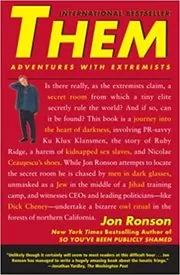
Them
by Jon Ronson
2001
Chasing rumors of a secret room where global elites run the world, Ronson travels with jihadists, conspiracy theorists, neo-Nazis, and Klansmen. The book is funny, tense, and unsettling, without ever losing sight of the danger.
Recommended by
1 person Edgar Wright recommended this book
Edgar Wright
"I'm not sure there's been a non-fiction book that was more of an ominous bellwether of what was to come..." - Edgar Wright
Edgar Wright's recommendation of this book
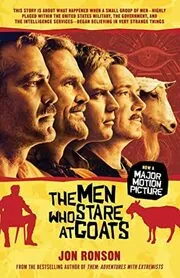
The Men Who Stare at Goats
by Jon Ronson
2004
Ronson investigates the US military's long fascination with psychic warfare, bizarre experiments, and New Age spycraft. It is absurd and unsettling in equal measure, made more striking by how much of it turns out to be real.

Out of the Ordinary
by Jon Ronson
2006
In these essays and columns, Ronson turns from public oddballs to everyday irrationality, including family life, faith, embarrassment, and social panic. It is funny, self-mocking, and closer to home than his larger investigations.

What I Do
by Jon Ronson
2007
This follow-up collection mixes awkward personal mishaps with longer pieces on cultish television, Christmas obsession, celebrity self-help, and more. Ronson is as interested in his own nerves as in the strange worlds he visits.

The Amazing Adventures of Phoenix Jones & the Less Amazing Adventures of Some Other Real-life Superheroes
by Jon Ronson
2011
Ronson follows masked vigilante Phoenix Jones and other real-life superheroes on nighttime patrols in Seattle. It is a funny, intimate look at what happens when comic-book fantasies collide with actual streets and very human motives.
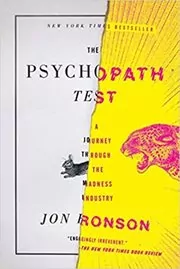
The Psychopath Test
by Jon Ronson
2011
Ronson follows a strange academic hoax into the world of psychopathy, meeting patients, prison figures, and the experts who define madness. Funny and uneasy, it asks who gets labeled dangerous, and who gets to decide.
Recommended by
2 people Shah Rukh Khan recommended this book
Shah Rukh Khan
"It's quite nice." - Shah Rukh Khan
Shah Rukh Khan's recommendation of this book 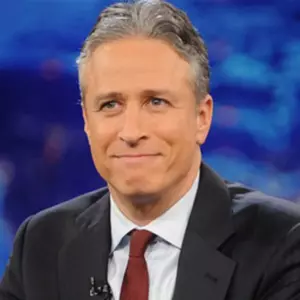 Jon Stewart recommended this book
Jon Stewart
"I took the test, and I'm happy to report I'm just neurotic." - Jon Stewart
Jon Stewart's recommendation of this book
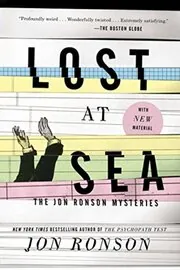
Lost at Sea
by Jon Ronson
2012
This wide-ranging collection gathers Ronson's reporting on fan cultures, strange beliefs, credit card traps, real-life superheroes, and more. The stories roam widely, but they keep returning to human frailty, longing, and self-invention.
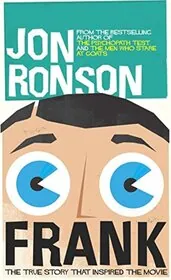
Frank
by Jon Ronson
2014
Ronson looks back on his late-1980s stint as keyboard player in Frank Sidebottom's band. Part music memoir and part backstage comedy, it is also a fond, clear-eyed tribute to outsider art and the chaos around it.
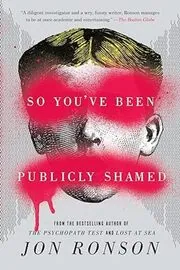
So You've Been Publicly Shamed
by Jon Ronson
2015
Ronson meets people whose lives were upended by internet mob justice, from bad jokes to career-ending scandals. He asks what public shaming does to its targets, and why so many of us are so eager to join in.
Recommended by
1 person Harry Styles recommended this book
Harry Styles
"It got me thinking, for a long time, about how scared I was of saying or doing the wrong thing." - Harry Styles
Harry Styles's recommendation of this book
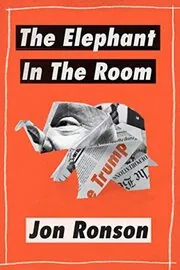
The Elephant in the Room
by Jon Ronson
2016
At the 2016 Republican National Convention, Ronson uses Alex Jones and the alt-right as guides to the political fever around Donald Trump's rise. It is a short, sharp dispatch from a conspiracy-soaked moment in American life.

The Butterfly Effect
by Jon Ronson
2017
Ronson traces how one tech entrepreneur's idea helped make online porn free, then follows the unexpected consequences across performers' lives, workplaces, and relationships. It starts with economics and ends somewhere stranger, sadder, and more human than you expect.
The Last Days of August
by Jon Ronson
2019
Ronson and producer Lina Misitzis investigate the death of performer August Ames. What begins as a story about online pile-ons turns into a murkier, sadder inquiry into grief, rumor, and the adult industry.

The Debutante
by Jon Ronson
2023
Ronson revisits Carol Howe, a Tulsa debutante turned white supremacist informant, and asks whether ignored warnings could have changed the story around the Oklahoma City bombing. It is a thorny, deeply reported look at radicalization and missed chances.
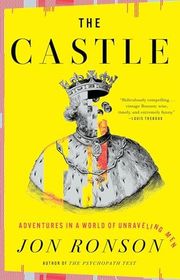
The Castle
by Jon Ronson
2026
Alarming messages from his son draw Ronson to a mysterious New England castle and a wider investigation of men seeking purpose and control. Encounters with online influencers and ideological outsiders explore how personal disconnection can develop into dangerous obsessions.
Where to start with Jon Ronson
If you want the clearest entry point: The Psychopath Test → So You've Been Publicly Shamed
If you want conspiracies and political extremism: Them → The Men Who Stare at Goats → The Elephant in the Room
If you want short, strange reported pieces: Out of the Ordinary → What I Do → Lost at Sea
If you want his audio investigations: The Butterfly Effect → The Last Days of August → The Debutante
If you want the music-world backstory: Frank
Jon Ronson collections, short stories, and related book types
Non-Fiction
Collections
Standalone Jon Ronson books
Author bio
Jon Ronson was born in Cardiff, Wales, on May 10, 1967, and grew up in the suburbs there. Before books and podcasts, he was the kind of kid who watched people closely and tried to work out why they behaved the way they did. That question still sits underneath almost everything he writes.
He worked in radio in Cardiff, then moved to London to study media at what is now the University of Westminster. In his twenties he also spent time in the orbit of musician and comedian Frank Sidebottom, playing keyboard in the band. Years later that odd, funny, slightly sad chapter became Frank, his short memoir about the real story behind the film he co-wrote.
That mix of embarrassment, curiosity, and hanging around strange situations longer than most people would became his method.
Ronson's books usually start with one baffling question and then widen out. In Them, he follows conspiracy theorists and extremists who believe a hidden elite runs the world. In The Men Who Stare at Goats, he digs into the US military's interest in psychic warfare and other very real absurdities. Readers tend to like the same thing in both books: he is funny, but he does not write as if he is above the people he meets.
He stays in the story.
That voice made The Psychopath Test a starting point for many readers. It begins with a strange mystery and turns into an investigation of psychopathy, psychiatric power, and the way labels get attached to people. Later, in So You've Been Publicly Shamed, he turned the same patient attention toward internet pile-ons and public humiliation. People who love Ronson often say his great strength is that he keeps asking one more question after the easy joke has run out.
His reporting has also moved easily into audio and film. The Butterfly Effect and The Last Days of August use podcasts to follow the internet porn business, online pressure, grief, and rumor, while The Debutante revisits the story of Carol Howe and the Oklahoma City bombing. He also co-wrote the films Frank and Okja, and The Men Who Stare at Goats was adapted for the screen.
Across all of this work, certain patterns keep returning. Ronson is drawn to fringe movements, moral panics, paranoia, status games, and the strange ways ordinary people get pulled into systems much bigger than themselves. He is also interested in performance, in the masks people build, the parts they play online, in public, or even inside their own minds.
That sounds heavy, but the books rarely feel heavy.
He writes in a plainspoken, self-aware way that leaves room for doubt. He can be very funny, especially about his own awkwardness, but the deeper current in his work is empathy. Even when he is writing about extremists, gurus, CEOs, or internet mobs, he is usually trying to understand before he judges.
These days Ronson lives in Upstate New York and keeps working across books, radio, podcasts, and live shows. That seems to suit him. His subject is still human weirdness, but he has never treated weirdness as something that belongs only to other people.





Edited by
Software engineer whose passion for tracking book recommendations from podcasts inspired the creation of MRB.
Lead investor at 3one4 Capital whose startup expertise and love for books helped shape MRB and its growth.
Comments
Did we miss something? Have feedback?
Help us improve this page by sharing your thoughts