
Irvine Welsh Books in Order
The complete bibliography of Irvine Welsh, including the Trainspotting saga, the Ray Lennox crime novels, and his standalone fiction.
Last updated:
As an Amazon Associate, we earn from qualifying purchases (at no extra cost to you).
Irvine Welsh books in publication order
41 books
Trainspotting
by Irvine Welsh
1993
Mark Renton and his circle of friends drift through the heroin scene of 1980s Edinburgh. Written in a raw Scots dialect, this episodic novel captures the highs, lows, and black comedy of addiction and disaffected youth.
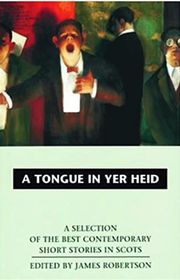
A Tongue in Yer Heid
by James Robertson & Irvine Welsh
1994
Edited by James Robertson, this anthology gathers 28 contemporary short stories written in Scots, spanning traditional storytelling, rural portraiture, urban brutality, social crisis, and surreal comedy. The regional voices range from Shetland to the Borders, with Irvine Welsh represented by “A Soft Touch.”
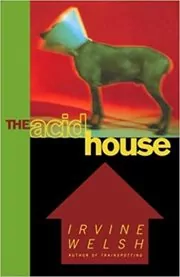
The Acid House
by Irvine Welsh
1994
A collection of short stories that blends gritty realism with surreal fantasy. From a boorish man swapping bodies with a fly to God visiting a pub, these tales showcase Welsh’s distinctive dialect and dark imagination.
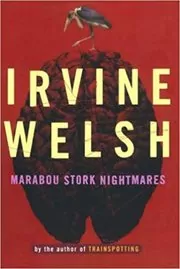
Marabou Stork Nightmares
by Irvine Welsh
1995
Roy Strang lies in a coma, trapping him in a dual reality: his memories of a chaotic life in Scottish housing schemes and a surreal fantasy where he hunts the Marabou Stork. A dark exploration of trauma and escapism.
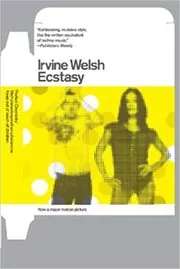
Ecstasy
by Irvine Welsh
1996
Three novellas explore revenge, desire and drug-fuelled romance. A disabled novelist plots against her unfaithful husband, a couple hunts a damaging drug's marketer, and two lovers seek connection amid Edinburgh's house-music scene.
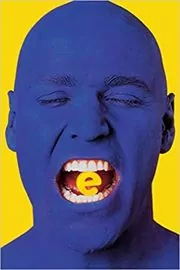
Ecstasy: Three Tales of Chemical Romance
by Irvine Welsh
1996
Three novellas exploring love, revenge, and drug culture. The stories range from a romance fueled by designer drugs to a bitter tale of a woman taking vengeance on her chauvinistic husband.
Acid Plaid: New Scottish Writing
by Harry Ritchie & Irvine Welsh
1997
Edited by Harry Ritchie, Acid Plaid brings together fiction, poetry, and essays by 24 contemporary Scottish writers. The anthology ranges from punk and rave culture to domestic tensions and violence, and includes Irvine Welsh’s short story “A Fault on the Line.”
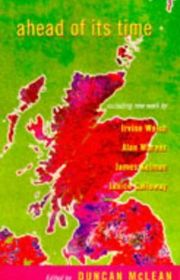
Ahead of its Time
by Irvine Welsh
1997
This anthology commemorates Clocktower Press, gathering work by Scottish writers associated with the small publisher alongside newly commissioned pieces. Its selection ranges across fiction and poetry and includes early material connected with authors such as Irvine Welsh, James Kelman, Janice Galloway, and Alan Warner.
Children of Albion Rovers
by Irvine Welsh, Alan Warner, Gordon Legge, Paul Reekie, James Meek, Laura J. Hird & K. Williamson
1997
Six novellas by Scottish writers of the 1990s form this hard-edged collection of new fiction. The stories range from surreal and satirical to grimly comic, with characters confronting betrayal, obsession, humiliation, revenge, and alien incursions; Irvine Welsh contributes a science-fiction tale.
Open City #5: Change or Die
by David Foster Wallace, Mary Gaitkill & Irvine Welsh
1997
The fifth issue of Open City brings together fiction, poetry, and essays by a varied group of late-1990s writers. Its table of contents includes work by David Foster Wallace, Rebecca Wolff, Nick Flynn, and Irvine Welsh, who contributes “The Rosewell Incident.”
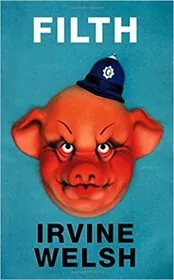
Filth
by Irvine Welsh
1998
Detective Sergeant Bruce Robertson is a corrupt, bigoted, and drug-addicted cop in Edinburgh. As he plots to destroy his colleagues to secure a promotion, his own physical and mental health rapidly disintegrate.
Intoxication
by Toni Davidson & Irvine Welsh
1998
Edited by Toni Davidson, this anthology gathers fiction and other stimulant-themed writing from authors including Irvine Welsh, Jeff Noon, Lynne Tillman, and Gary Indiana. Its varied pieces explore chemical intoxication through a late-1990s literary mix rather than a single continuous narrative.
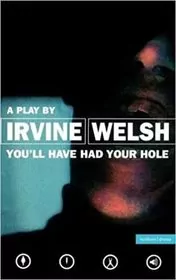
You'll Have Had Your Hole
by Irvine Welsh
1998
A dark, claustrophobic play about a record producer held captive by a former bandmate. The drama unfolds in a recording studio, mixing brutal violence with sharp dialogue about the music industry.
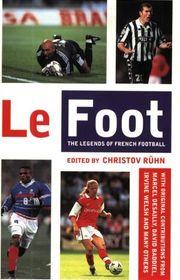
Le Foot: The Legends of French Football
by Christov Ruhn & Irvine Welsh
2000
Edited by Christov Ruhn, this collection traces French football’s journey to its 1998 World Cup triumph through original contributions from players, writers, and commentators, including Irvine Welsh. It looks behind the game’s rise from relative underachievement to a major international force.
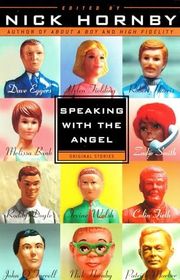
Speaking With the Angel
by Nick Hornby & Irvine Welsh
2000
Edited by Nick Hornby, this charity anthology presents twelve original first-person stories by writers including Irvine Welsh, Zadie Smith, Roddy Doyle, and Dave Eggers. Sales supported autism education charities, giving the collection a shared philanthropic purpose rather than a common fictional theme.
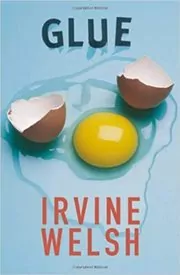
Glue
by Irvine Welsh
2001
Spanning four decades, this novel follows four friends—Terry, Carl, Billy, and Gally—growing up in the Edinburgh schemes. It is a sprawling story of loyalty, violence, and the different paths men take to survive their environment.
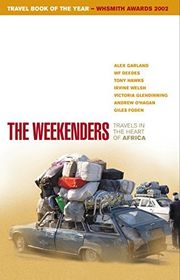
The Weekenders: Travels in the Heart of Africa
by Alex Garland & Irvine Welsh
2001
A group of British writers travels to Sudan and responds in short fiction and travel writing. The pieces, including work by Irvine Welsh, offer divergent encounters with a country presented as extraordinary and difficult to access.
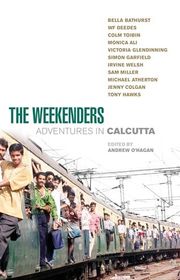
The Weekenders: Adventures in Calcutta
by Bella Bathurst, Andrew O'Hagan & Irvine Welsh
2004
Edited by Andrew O’Hagan, this second Weekenders volume sends a group of writers to Calcutta for fiction and travel writing. Their pieces take in the city’s history, poverty, culture, and contradictions from distinct personal perspectives.
One City
by Alexander McCall Smith, Ian Rankin & Irvine Welsh
2005
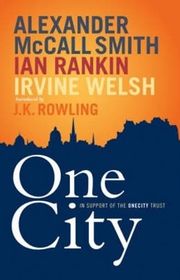
Three Edinburgh-set short stories by Alexander McCall Smith, Ian Rankin, and Irvine Welsh, introduced by J. K. Rowling. Created to benefit the One City Trust, the collection connects contrasting fictional voices to the city and its social-exclusion challenges.
Porno / T2 Trainspotting
by Irvine Welsh
2005
Ten years after *Trainspotting*, Sick Boy returns to Edinburgh with a plan to produce an adult film. His scheme draws in old friends and enemies, including a recently released Begbie, setting the stage for a chaotic reunion.
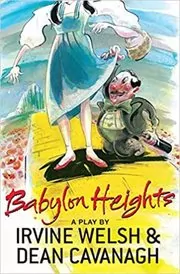
Babylon Heights
by Irvine Welsh & Dean Cavanagh
2006
Written with Dean Cavanagh, this play is set behind the scenes of the filming of *The Wizard of Oz*. It focuses on the actors playing the Munchkins, exploring their wild behavior and frustrations in a hotel room.
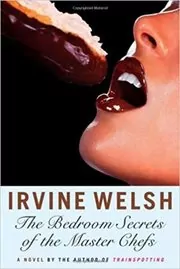
The Bedroom Secrets of the Master Chefs
by Irvine Welsh & Laura Derajinski
2006
A young, alcoholic health inspector finds himself in a supernatural rivalry with a clean-living colleague. As their lives become strangely linked, the story evolves into a modern, dark twist on the Jekyll and Hyde narrative.
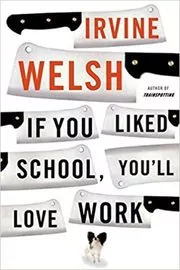
If You Liked School, You'll Love Work
by Irvine Welsh
2007
A collection of short fiction that moves beyond Scotland to settings like the Canary Islands and the American West. These stories explore the lives of expats, failures, and dreamers with Welsh’s characteristic sharp wit.
Rotten English
by Amy Tan & Irvine Welsh
2007
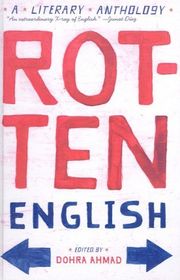
Edited by Dohra Ahmad, this global anthology brings together poetry, fiction, essays, and novel excerpts written in vernacular English. Spanning two centuries and many regions, it examines slang, creole, patois, and other nonstandard Englishes as literary languages.
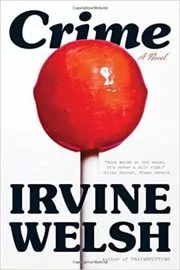
Crime
by Irvine Welsh
2008
Detective Ray Lennox flees to Miami to recover from a breakdown, only to get entangled in a new case involving a child protection ring. Battling his own demons, he tries to save a young girl from predators.
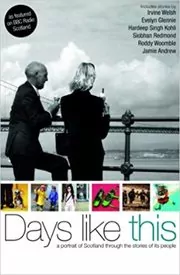
Days Like This
by Irvine Welsh
2009
An anthology of true stories curated by Welsh and the Scottish Book Trust. Ordinary people from across Scotland share personal tales of extraordinary days, capturing a snapshot of the nation's life.
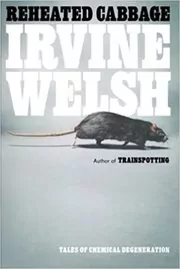
Reheated Cabbage
by Irvine Welsh
2009
A collection of "leftovers" and rarities, including a novella that revisits the *Trainspotting* crew during the Christmas season. It offers a mix of comic sketches and darker tales from the margins of Welsh's universe.
Because I am a Girl
by Tim Butcher, Xiaolu Guo, Joanne Harris, Kathy Lette, Deborah Moggach, Marie Phillips & Irvine Welsh
2010
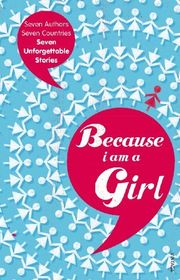
Eight writers visit eight countries and record conversations with girls and young women about their circumstances, hopes, and ambitions. This benefit collection addresses barriers including education, malnutrition, violence, and early marriage, while foregrounding resilience and changing attitudes.
One for the Trouble: Book Slam Volume 1
by Book Slam Production Ltd., William Boyd, Irvine Welsh & Helen Oyeyemi
2011
This anthology includes a Jon Ronson piece alongside new stories and poems from Book Slam writers such as Hari Kunzru, Helen Oyeyemi, Irvine Welsh, and others. It is a lively snapshot of a literary scene rather than a single Ronson narrative.
Skagboys
by Irvine Welsh
2012
A prequel to *Trainspotting* that documents the group's slide into heroin addiction in the early 1980s. Set against the backdrop of Thatcher-era unemployment, it shows how Renton and his friends first lost their way.
IDP
by Barroux, Pat Mills, Hannah Berry, Adam Murphy, Irvine Welsh, Dan McDaid, Denise Mina, Mary M. Talbot & Kate Charlesworth
2014
In a flooded 2043, reality-show host Cait McNeil is the token outsider on a luxury vertical farm owned by the global elite. When the engineered animals turn violent and her boyfriend is murdered, she must expose a conspiracy that treats poor lives as expendable.
The Sex Lives of Siamese Twins
by Irvine Welsh
2014
In Miami Beach, an aggressive personal trainer disarms a gunman and becomes a local hero. She forms a twisted, obsessive relationship with one of her witnesses, leading to a dark psychological thriller about body image and control.
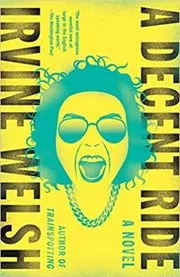
A Decent Ride
by Irvine Welsh
2015
Terry "Juice" Lawson returns, dealing with a storm-battered Edinburgh, a missing person case, and a reality TV star. Amidst the chaos of a hurricane, Terry faces a personal crisis involving his most prized asset.
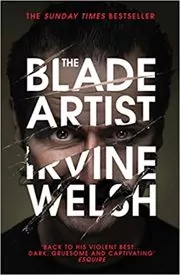
The Blade Artist
by Irvine Welsh
2016
Francis Begbie has reinvented himself as a successful artist in California. But when he returns to Scotland for a funeral, the violence of his past threatens to resurface and destroy his new life.
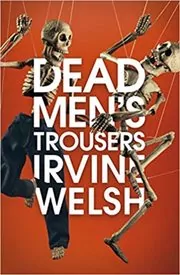
Dead Men's Trousers
by Irvine Welsh
2018
Mark Renton manages DJs, Begbie is a famous artist, Sick Boy is still scamming, and Spud is struggling. When they reunite in Edinburgh, old grievances and new crises threaten to tear them apart for good.
Rave
by Irvine Welsh
2018
A pocket-sized selection from Welsh's fiction, focusing on the rave culture of the 90s. It follows characters like Lloyd as they navigate the euphoria and comedowns of the club scene.

The Long Knives
by Irvine Welsh
2022
Detective Ray Lennox investigates the murder of a corrupt MP in Edinburgh. As he unravels a web of high-level cover-ups and vigilante justice, Lennox must navigate a city rife with secrets.
The People's City: One City Trust
by Irvine Welsh
2022
A multi-author Edinburgh anthology assembled with the One City Trust. Stories by established and emerging writers are linked to city landmarks or significant local connections, moving across recent decades to consider Edinburgh’s generational and physical changes.
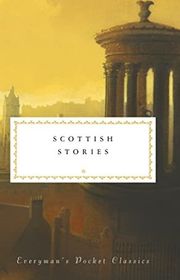
Scottish Stories
by Sir Walter Scott, James Hogg, Robert Louis Stevenson, Margaret Oliphant, John Buchan & Irvine Welsh
2023
Edited by Gerard Carruthers, this anthology surveys two centuries of Scottish short fiction. It brings classic and contemporary writers—including Walter Scott, Robert Louis Stevenson, Muriel Spark, Ali Smith, and Irvine Welsh—into a collection shaped by folklore, landscapes, and urban history.

Silly Furry Cat
by Irvine Welsh
2024
A recent entry in Welsh's body of work, continuing his exploration of complex relationships and gritty Scottish life. It delves into the tangled loyalties and dark humor that define his characters' interactions.
Men In Love
by Irvine Welsh
2025
Set as the 1990s approach, this return to the Trainspotting characters follows Renton, Sick Boy, Spud, and Begbie as they try to rebuild after addiction and betrayal. New romances force the friends to confront whether love can offer a different kind of escape.
Where to start with Irvine Welsh
If you want the iconic original: Trainspotting → Porno → Skagboys
If you prefer a dark police procedural: Crime → The Long Knives
If you want a character-driven epic: Glue → A Decent Ride
If you want a twisted standalone: Filth
Irvine Welsh sub-series and character series
Trainspotting books in order
Explore this series
Men In Love
by Irvine Welsh
2025
Trainspotting books in chronological order
Men In Love
by Irvine Welsh
2025
Irvine Welsh collections, short stories, and related book types
Anthologies
by Irvine Welsh, Alan Warner, Gordon Legge, Paul Reekie, James Meek, Laura J. Hird & K. Williamson
1997
by Tim Butcher, Xiaolu Guo, Joanne Harris, Kathy Lette, Deborah Moggach, Marie Phillips & Irvine Welsh
2010
One for the Trouble: Book Slam Volume 1
by Book Slam Production Ltd., William Boyd, Irvine Welsh & Helen Oyeyemi
2011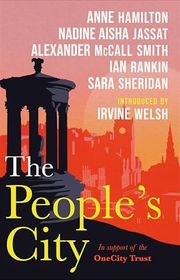
by Sir Walter Scott, James Hogg, Robert Louis Stevenson, Margaret Oliphant, John Buchan & Irvine Welsh
2023
Non-Fiction
by Irvine Welsh
2009A Portrait of Scotland Through the Extraordinary Stories of Its People
Short Stories/Novellas
Short Story Collections
Standalone Irvine Welsh books

by Barroux, Pat Mills, Hannah Berry, Adam Murphy, Irvine Welsh, Dan McDaid, Denise Mina, Mary M. Talbot & Kate Charlesworth
2014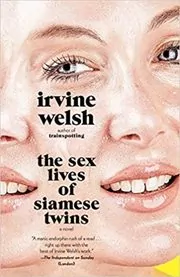
Author bio
Irvine Welsh is one of those rare authors who changed the landscape of literature simply by refusing to follow the rules. Born in Leith, the port area of Edinburgh, his early life was far removed from the polished world of academia or publishing. He grew up in the local housing schemes, absorbing the rhythm, struggle, and humor of working-class life.
He left school at sixteen and didn't go straight into the arts. Instead, he took on a variety of regular jobs to get by. He worked as a television repairman and an electrician, gaining practical experience that kept him grounded. In the late 1970s, he moved to London to dive headfirst into the exploding punk scene. That punk ethos—the idea that you can do it yourself, that you don't need permission to speak, and that volume matters—would later become the backbone of his writing style.
Eventually, Welsh returned to Edinburgh. He worked for the city council and began writing fiction in his spare time. He wasn't trying to copy what was on the bestseller lists. He wanted to capture the specific dialect and raw energy of the world he actually knew, a world that was often ignored by polite society.
Then came Trainspotting.
Published in 1993, his debut novel hit the literary world like a sledgehammer. It was a gritty, dialect-heavy portrayal of a group of heroin users in Edinburgh. But it wasn't just a misery memoir. It was hilarious, shocking, and deeply human. The book became an immediate cultural phenomenon.
The iconic 1996 film adaptation turned characters like Renton and Begbie into global stars, but the book itself remains a unique beast. Welsh’s work is famous for its unflinching realism. He doesn't look away from the ugly parts of life. Yet, he balances that darkness with pitch-black humor. If you can stomach the grim details, you will often find yourself laughing out loud.
One of his signature tricks is his use of phonetic Scottish speech. It can be a challenge for new readers to get through the first few pages. The spelling mimics the sound of the accent perfectly. But after a chapter or two, your brain adjusts. Suddenly, you aren't just reading a story; you are standing in the room with the characters, hearing them speak.
Over the decades, Welsh didn't just rest on the success of his debut. He built a whole universe around it. He has revisited his most famous characters in sequels and prequels, showing how they aged—or refused to age.
He also stepped outside that circle with character-driven dramas like Glue, which spans decades in the lives of four friends. On the darker side, he wrote Filth, a police procedural featuring one of the most corrupt and offensive protagonists in the history of fiction.
His writing often explores heavy themes. He digs into addiction, the complexities of working-class identity, and the nature of male friendship. He captures that specific bond between men that is formed in schoolyards and pubs, a bond that can be fiercely loyal but also incredibly toxic.
Welsh is prolific. Beyond his novels, he has written stage plays, screenplays, and collections of short stories. He isn't the type of author to sit in an ivory tower; he remains engaged with the culture around him.
These days, he splits his time between Edinburgh, London, and Miami. It is quite a change from the housing schemes of Leith, but his writing hasn't lost its edge. He continues to produce work that challenges and entertains readers with visceral energy. Irvine Welsh remains a distinct, vital voice in modern fiction, proving that stories from the street are just as powerful as anything from the academy.





Edited by
Software engineer whose passion for tracking book recommendations from podcasts inspired the creation of MRB.
Lead investor at 3one4 Capital whose startup expertise and love for books helped shape MRB and its growth.
Comments
Did we miss something? Have feedback?
Help us improve this page by sharing your thoughts