
John F. MacArthur Jr. Books in Order
Explore books by John F. MacArthur Jr., with reading orders and summaries for his Bible studies, New Testament commentaries, devotionals and guides to ministry.
Last updated: 200 new books added
As an Amazon Associate, we earn from qualifying purchases (at no extra cost to you).
John F. MacArthur Jr. books in publication order
299 books
Our Great Salvation
by John F. MacArthur Jr.
1990
Through 1 Peter’s description of salvation, MacArthur considers the inheritance Christians believe awaits them and the resources available in present hardship. The study explores divine protection, assurance, and joy, offering a theological perspective on trials and future hope.
The Beatitudes
by John F. MacArthur Jr.
1990
MacArthur explores Jesus’ Beatitudes as a description of genuine happiness and spiritual character. The study examines humility, mourning, mercy, purity, peacemaking, and persecution, considering why qualities that appear disadvantageous can become sources of lasting fulfillment in Christian life.
Unashamed
by John F. MacArthur Jr.
1990
Paul’s final letter to Timothy provides the setting for a study of courage in Christian witness. MacArthur examines fear, conviction, and perseverance, asking how believers can speak about their faith when ridicule or rejection makes remaining silent seem easier.
Without Excuse
by John F. MacArthur Jr.
1990
MacArthur examines Romans 2 to address questions about divine judgment, moral responsibility, and people who have never heard the gospel. The study presents his account of the standards by which God judges humanity and the relationship between knowledge and accountability.
Caring for Widows
by John F. MacArthur Jr.
1991
This study explores the responsibilities families and churches have toward women whose husbands have died. Using 1 Timothy 5, MacArthur discusses practical compassion and protection while also considering the valuable roles widows can continue to fulfill within a congregation.
Living for Christ in a Cynical World
by John F. MacArthur Jr.
1991
Making Disciples
by John F. MacArthur Jr.
1991
MacArthur studies Christ’s compassion for outsiders and the church’s responsibility to communicate the gospel. Drawing on several biblical passages, he considers how believers can overcome fear, approach others confidently, and make disciples through both personal example and clear teaching.
Our Sufficiency in Christ
by John F. MacArthur Jr.
1991
MacArthur argues that Christians already possess in Christ the resources needed for spiritual life. He challenges efforts to supplement biblical faith with mysticism and psychological methods, explaining how he believes believers can recover confidence in Christ’s sufficiency.
Priorities of a Faithful Teacher
by John F. MacArthur Jr.
1991
Paul’s instructions in 2 Timothy 4 provide a framework for examining the responsibilities of Christian teachers. MacArthur identifies priorities that emphasize spiritual excellence, faithful example, and perseverance, asking readers to assess their influence by biblical standards rather than worldly success.
Romans 1-8
by John F. MacArthur Jr.
1991
A detailed commentary on the first eight chapters of Romans explores the text’s meaning and theological significance. MacArthur relates individual passages to the wider Bible and considers their implications for Christian belief and practice.

Security in the Spirit
by John F. MacArthur Jr.
1991
This study of Romans 8 explores the Christian belief that adoption into God’s family offers lasting security. MacArthur connects assurance with freedom from sin and confidence in Christ, considering the Holy Spirit’s role in sustaining a believer’s relationship with God.
Seven Steps to Spiritual Stability
by John F. MacArthur Jr.
1991
MacArthur draws on Philippians 4 to examine spiritual stability amid personal crises and wider uncertainty. The study connects harmony, joy, humility, and faith with a disciplined response to pressure, offering biblical principles for maintaining perspective and supporting others.
The Future of Israel
by John F. MacArthur Jr.
1991
MacArthur interprets Daniel 9 through 12 as a guide to Israel’s future and the events he associates with the Great Tribulation. The study distinguishes prophecies he considers fulfilled from those still awaiting completion and examines the nation’s place in his understanding of history.
The Master's Plan for the Church
by John F. MacArthur Jr.
1991
MacArthur examines biblical principles of church leadership, arguing that responsibility belongs to humble servants rather than influential personalities. He discusses the qualities and duties of leaders, connecting their character and conduct with a congregation’s purpose and spiritual health.
Through Suffering to Triumph
by John F. MacArthur Jr.
1991
MacArthur examines passages in 1 Peter that connect Christ’s suffering with the hardships faced by his followers. The study asks how Jesus’ example can prepare Christians for opposition and provide a framework for perseverance when faith brings personal cost.

Unless the Lord Builds the Church
by John F. MacArthur Jr.
1991
This study examines Jesus’ promise to build his church in Matthew 16. MacArthur considers the identity, purpose, and resilience of the Christian community, asking how individual believers fit into a work he understands as dependent on Christ rather than human success.
Charismatic Chaos
by John F. MacArthur Jr.
1992
John MacArthur examines the charismatic movement and its claims about revelation, spiritual gifts, healing and religious experience. He argues for assessing these beliefs through Scripture, exploring where charismatic and non-charismatic interpretations diverge and what those differences mean for churches.
How to Meet the Enemy
by John F. MacArthur Jr.
1992
MacArthur examines biblical teaching about spiritual warfare, asking how Christians should respond to Satan and demonic activity. His discussion traces the conflict’s origins and present significance while interpreting spiritual armor primarily as protection rather than a mandate to seek confrontation.
Joy and Godliness
by John F. MacArthur Jr.
1992
New Life - New Walk
by John F. MacArthur Jr.
1992
This study of Ephesians examines the ethical changes MacArthur associates with receiving new life in Christ. He explores abandoning old patterns, practicing love, and living openly, connecting personal transformation with concrete choices in relationships and everyday conduct.
Reaching for the Prize
by John F. MacArthur Jr.
1992
Using Paul’s picture of a runner pursuing a prize in Philippians, John MacArthur examines the pursuit of spiritual maturity. He connects Christian growth with sustained effort, clear goals, concentration and consistency, offering practical guidance for developing a more faithful life.

Anxiety Attacked
by John F. MacArthur Jr.
1993
MacArthur examines worry through passages in Matthew, Philippians, and 1 Peter, presenting Scripture as a source of spiritual comfort. The study explores prayer, trust, and a biblical perspective on hardship as elements of his approach to responding to anxiety.

Ashamed of the Gospel
by John F. MacArthur Jr.
1993
John MacArthur argues that churches risk weakening their message when popularity and marketing shape their priorities. Drawing parallels with Charles Spurgeon’s warnings to nineteenth-century Christians, he calls for renewed confidence in Scripture and a willingness to proclaim difficult truths.
Christmas Celebrations
by John F. MacArthur Jr.
1993
Drawing Near
by John F. MacArthur Jr.
1993
These 365 devotional readings provide a daily framework for studying Scripture and developing a closer relationship with God. John MacArthur encourages disciplined reflection, helping readers move beyond sporadic study toward a sustained engagement with the Bible and its teaching.
Counseling
by John F. MacArthur Jr.
1994
John MacArthur and fellow contributors present counseling grounded in their understanding of biblical authority. Written for church leaders and other Christians, the book examines theological foundations, practical methods and the place of counseling within congregational discipleship.
Different by Design
by John F. MacArthur Jr.
1994
MacArthur presents his interpretation of biblical distinctions between men’s and women’s roles within families and churches. Addressing contemporary disagreements about equality and responsibility, the study explains the theological principles he believes should guide relationships, leadership, and shared religious life.
First Love
by John F. MacArthur Jr.
1994
MacArthur addresses Christians whose faith has become complicated, predictable, or distant. Exploring Christ's character and love, he encourages renewed devotion through daily attention to Jesus, connecting spiritual commitment with ordinary thoughts, activities, and relationships rather than religious routine.
Reckless Faith
by John F. MacArthur Jr.
1994
MacArthur argues that churches lose spiritual discernment when emotion, fashionable ideas, and tolerance replace biblical conviction. He examines the relationship between faith and reason, urging Christians to distinguish scriptural teaching from doctrinal error and evaluate beliefs more carefully.
Romans 9-16
by John F. MacArthur Jr.
1994
Examining the closing eight chapters of Romans, MacArthur develops a sustained explanation of the text and its doctrines. The commentary relates individual passages to the wider Bible and encourages readers to consider their practical implications.
The Vanishing Conscience
by John F. MacArthur Jr.
1994
John MacArthur challenges habits of excusing wrongdoing, shifting blame, and denying moral responsibility. Drawing on biblical teaching, he argues for taking sin seriously and examines how an active conscience and personal holiness should shape a Christian’s life.
1 & 2 Timothy
by John F. MacArthur Jr.
1995
Paul’s letters to Timothy address leadership, perseverance, and conduct under pressure within the church. MacArthur supplies context and commentary, drawing out pastoral instruction and offering reflection questions for readers considering their own responsibilities as believers.
2 Timothy
by John F. MacArthur Jr.
1995
This commentary works through Second Timothy passage by passage, emphasizing explanation of the text and its place in Scripture. MacArthur connects interpretation with application in an approach intended for readers beyond specialist academic study.
Alone with God
by John F. MacArthur Jr.
1995
John MacArthur explores the Lord’s Prayer as a model for a deeper and more consistent prayer life. Looking to Jesus’ teaching, he encourages readers to move beyond irregular habits and build a sustained relationship with God through prayer.
First Timothy
by John F. MacArthur Jr.
1995
MacArthur examines First Timothy through detailed explanation of its passages and major doctrines. The commentary connects the letter with the broader Bible, inviting readers to move from understanding its meaning toward reflection on Christian practice.
Pastoral Ministry
by John F. MacArthur Jr.
1995
John MacArthur and seminary colleagues examine the biblical foundations and practical responsibilities of pastoral leadership. They address calling, qualifications, preparation and ministry priorities, encouraging pastors to shape their work around Scripture and the model of shepherding.
Acts 13-28
by John F. MacArthur Jr.
1996
Covering the later chapters of Acts, this commentary follows the expansion of the early church and Paul’s ministry toward imprisonment in Rome. MacArthur examines the narrative’s context alongside its implications for salvation and the Spirit’s work.
The Glory of Heaven
by John F. MacArthur Jr.
1996
John MacArthur examines biblical accounts of heaven, angels and eternal life, comparing them with popular ideas about the afterlife. His study asks what Christians can know about their future home and how those convictions should shape their present lives.
Titus
by John F. MacArthur Jr.
1996
MacArthur examines Paul’s instructions to Titus concerning sound teaching, conduct, and church life. The commentary explores the relationship between professed belief and outward behavior, asking how faith should become visible in the actions of Christians.

Strength for Today
by John F. MacArthur Jr.
1997
A year of daily readings explores biblical passages about Christian character, Christ’s death and resurrection, and the purpose of trials. John MacArthur combines exposition with reflection, encouraging readers to develop spiritual strength through regular study and prayer.
The MacArthur Study Bible, NKJV
by John F. MacArthur Jr.
1997
John MacArthur’s verse-by-verse notes accompany the New King James Version of the Bible. Introductions, historical context, cross-references, maps and doctrinal explanations help readers examine individual passages while considering their place within the larger biblical narrative.
The Power of Integrity
by John F. MacArthur Jr.
1997
John MacArthur examines how Christians can maintain integrity when compromise becomes socially acceptable. Drawing on biblical figures tested by difficult circumstances, he connects inward convictions with outward conduct and explores the cost of remaining faithful to those principles.
In the Footsteps of Faith
by John F. MacArthur Jr.
1998
John MacArthur studies the lives of biblical figures including Noah, Rahab, Jonah, Peter and Lydia. Their choices illustrate the difficulties and possibilities of faithful living, offering examples for readers seeking to connect Christian convictions with everyday conduct.
James MacArthur New Testament Commentary
by John F. MacArthur Jr.
1998
John MacArthur examines the letter of James verse by verse, focusing on the relationship between genuine faith and practical conduct. Historical context, theological discussion and competing interpretations inform his account of the epistle’s demands on Christian life.

The Only Way To Happiness
by John F. MacArthur Jr.
1998
John MacArthur examines the Beatitudes as Jesus’ teaching about happiness and life in God’s kingdom. He explores how obedience and inward transformation challenge material definitions of success and provide a basis for joy that does not depend on circumstances.
The Pillars of Christian Character
by John F. MacArthur Jr.
1998
John MacArthur explores the inward attitudes that shape Christian conduct, including faith, humility, forgiveness, gratitude and self-discipline. Drawing from Scripture, he considers how these qualities work together to form character and influence a person’s relationships and daily choices.

Forgiveness
by John F. MacArthur Jr.
1999
John MacArthur examines forgiveness through Scripture, considering its place in marriage, family, friendship, and church life. He addresses repentance, resentment, and the distinction between forgiving wrongdoing and excusing sin, offering a biblical framework for damaged relationships.

I Believe in Jesus
by John F. MacArthur Jr.
1999
This illustrated introduction guides children through the Christian account of salvation, from creation to Jesus’ death and resurrection. Designed for parents to read with their children, it includes a prayer and space to record a response of faith.
Nothing But the Truth
by John F. MacArthur Jr.
1999
John MacArthur combines a study of evangelism with practical guidance for explaining Christian beliefs. He examines preparation, attitude and the substance of a response, encouraging believers to communicate their convictions with clarity, gentleness and respect toward those who question them.
The Second Coming
by John F. MacArthur Jr.
1999
John MacArthur studies biblical passages about Christ’s return, with particular attention to the Olivet Discourse. He considers the signs Christians are told to watch and the uncertainty surrounding timing, connecting expectation of the future with responsibilities in the present.

1 & 2 Peter
by John F. MacArthur Jr.
2000
John MacArthur examines Peter’s two letters to Christians facing persecution and misleading teachers. Commentary and reflection questions explore hope amid suffering, the resources of faith, and the discernment needed to resist teachings that threaten the church.

1 Samuel
by John F. MacArthur Jr.
2000
John MacArthur guides readers through Israel’s transition from the judges to its first king. Following Samuel’s life and Saul’s rise and fall, the study examines leadership, obedience, and the experiences of Hannah, David, Jonathan, and other central figures.
A Faith to Grow On
by John F. MacArthur Jr.
2000
Short devotional readings introduce children to central Christian beliefs and questions about God, prayer and sharing faith. John MacArthur uses accessible explanations and activities to help young believers understand difficult ideas and consider their place in everyday life.
Daniel
by John F. MacArthur Jr.
2000
Daniel’s experiences of exile, royal service, threatening rulers, and divine rescue provide the framework for this guided biblical study. MacArthur emphasizes dependence on God and humility, examining what the narrative reveals about power, conviction, and authority over nations.
From Ordinary to Extraordinary
by John F. MacArthur Jr.
2000
This yearlong devotional draws lessons from the apostles and women of the Bible, using material from Twelve Ordinary Men and Twelve Extraordinary Women. Daily readings and Scripture passages invite readers to consider how God works through ordinary people facing demanding circumstances.
Hard to Believe
by John F. MacArthur Jr.
2000
John MacArthur challenges presentations of Christianity that promise comfort and prosperity while minimizing sacrifice. Examining the demands of following Jesus, he argues that faith involves submission and costly commitment, and considers what those claims mean for Christian teaching and life.
John
by John F. MacArthur Jr.
2000
John MacArthur examines the Gospel of John passage by passage, exploring how its miracles, teachings, and account of Jesus’ death and resurrection present his identity. Background and reflection questions help readers consider the Gospel’s claims about belief and salvation.
Mark
by John F. MacArthur Jr.
2000
John MacArthur leads readers through Mark’s Gospel, focusing on its portrayal of Jesus’ humanity. Commentary and study questions examine his teaching, miracles, suffering, and encounters with opposition, placing these episodes within the larger account of his ministry.
Ruth & Esther
by John F. MacArthur Jr.
2000
This guided study examines Ruth and Esther through their biblical setting, meaning, and context. MacArthur combines explanation with reflective questions and space for personal responses, helping readers consider how the passages relate to faith and everyday Christian practice.
The God Who Loves
by John F. MacArthur Jr.
2000
John MacArthur explores how divine love relates to judgment, holiness and the death of Christ. Drawing on Scripture, particularly John’s first epistle, he challenges both sentimental and harsh portrayals of God while examining the security Christians find in God’s love.

The Gospel According to the Apostles
by John F. MacArthur Jr.
2000
John MacArthur examines passages from Acts and the Epistles to explain how the apostles understood salvation. He addresses grace, righteousness and the relationship between faith and works, arguing that Christian belief cannot be separated from its consequences for life.
The Murder of Jesus
by John F. MacArthur Jr.
2000
John MacArthur reconstructs the events surrounding Jesus’ arrest, trial and crucifixion from biblical accounts. Following the participants and their decisions, he examines the religious and political forces behind the execution and its significance within the Christian understanding of salvation.
What the Bible Says about Parenting
by John F. MacArthur Jr.
2000
John MacArthur presents biblical principles for raising children, addressing communication, discipline and the development of habits. He explores parents’ responsibilities in teaching faith and wisdom, connecting family relationships with his understanding of Scripture and Christian conduct.
Why Government Can't Save You
by John F. MacArthur Jr.
2000
John MacArthur examines the relationship between Christian faith and secular government. Drawing on Scripture, he considers authority, taxes, obedience and political activism, arguing that prayer, personal conduct and evangelism should guide believers’ engagement with the wider world.

God in the Manger
by John F. MacArthur Jr.
2001
John MacArthur examines the biblical accounts of Jesus’ birth, moving through familiar Christmas passages and the perspectives of those involved. He challenges common misconceptions and sentimental interpretations while exploring the theological significance of the incarnation and virgin birth.
Nehemiah
by John F. MacArthur Jr.
2001
This study guide leads readers through Nehemiah, examining the meaning and context of its biblical passages. Questions for reflection and space for journaling encourage readers to connect their study of the text with personal application.

Our Awesome God
by John F. MacArthur Jr.
2001
John MacArthur explores the majesty and character of God through biblical portraits involving prophets, kings and Jesus. Scriptural reflection is paired with practical applications, inviting readers to consider how their understanding of God influences daily faith and conduct.

Philippians MacArthur New Testament Commentary
by John F. MacArthur Jr.
2001
John MacArthur explores Paul’s letter to the Philippians, considering how its imprisoned author connects joy with Christian belief and practice. Verse-by-verse exposition addresses historical context, interpretive questions and the letter’s implications for contemporary readers.
Terrorism, Jihad, and the Bible
by John F. MacArthur Jr.
2001
Written in response to the September 11 attacks, John MacArthur examines questions about terrorism, religious violence and divine providence. He draws on biblical texts to present his understanding of the conflict and the moral responsibilities facing individuals and government.
Truth for Today
by John F. MacArthur Jr.
2001
These daily readings offer John MacArthur’s reflections on a range of biblical passages. Designed for regular devotional use, the collection connects scriptural teaching with personal faith, inviting readers to examine their assumptions, conduct and relationship with God.
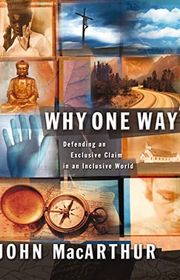
Why One Way?
by John F. MacArthur Jr.
2001
John MacArthur presents a defense of Christianity’s exclusive truth claims in a culture suspicious of absolutes. Organized around six principles, including objectivity, reason and integrity, the book explores how believers can understand their convictions and communicate them to others.
1 & 2 Thessalonians
by John F. MacArthur Jr.
2002
Paul’s teaching about Christ’s return provides a central focus for this commentary on both Thessalonian letters. MacArthur explores how that expectation relates to Christian hope, discipline, and evangelism through a sustained study of the texts.
Can God Bless America?
by John F. MacArthur Jr.
2002
John MacArthur questions what Americans mean when they ask for God’s blessing on their country. Drawing from Old Testament teaching, he examines the conditions associated with divine blessing and argues that national renewal must begin with repentance toward God.
MacArthur's Quick Reference Guide to the Bible
by John F. MacArthur Jr.
2002
This reference guide introduces all sixty-six books of the Bible through outlines, historical context, key figures and major themes. John MacArthur also addresses Bible study methods, chronology and theological questions to help readers connect individual passages with their wider setting.
2 Corinthians MacArthur New Testament Commentary
by John F. MacArthur Jr.
2003
John MacArthur examines Paul’s second letter to the Corinthians, where challenges to his authority prompt a personal defense of his ministry. Detailed exposition connects the letter’s historical setting with its treatment of suffering, service and Christian conviction.

Lord, Teach Me to Pray
by John F. MacArthur Jr.
2003
John MacArthur explores the purpose and practice of prayer through Jesus’ teaching and examples from his own ministry. Reflections on praise, confession and petition accompany traditional prayers and space for personal responses, encouraging a more thoughtful relationship with God.

Safe in the Arms of God
by John F. MacArthur Jr.
2003
John MacArthur addresses the questions grieving families face after a child’s death, including whether they will meet again. Drawing on biblical passages, he presents his understanding of God’s care for children and offers pastoral reflection on fear, guilt and loss.
The MacArthur Bible Handbook
by John F. MacArthur Jr.
2003
John MacArthur surveys each book of the Bible, outlining its authorship, setting, themes and purpose. Charts, illustrations and summaries help readers place individual texts within Scripture as a whole and understand how each book contributes to its larger narrative.

Unleashing God's Word in Your Life
by John F. MacArthur Jr.
2003
John MacArthur examines the Bible’s claims about its authority, reliability and ability to change lives. Alongside that discussion, he offers practical principles for studying and applying Scripture, helping readers develop a more informed and sustained engagement with its teaching.
1 Peter
by John F. MacArthur Jr.
2004
First Peter addresses Christians facing suffering and uncertainty across Asia Minor. MacArthur works through the letter’s passages, examining their theological implications and considering how its encouragement speaks to believers encountering trials in their own lives.
Follow Me
by John F. MacArthur Jr.
2004
John MacArthur considers the different people who followed Jesus and the needs that drew them to him. Short reflections explore their responses to his call, inviting contemporary readers to examine their own reasons for following and the commitment that requires.

My Faith and Prayer Journal
by John F. MacArthur Jr.
2004
The Book on Leadership
by John F. MacArthur Jr.
2004
John MacArthur draws twenty-six leadership principles from the life and writings of the apostle Paul. He argues that lasting influence depends on character and spiritual conviction, applying those lessons to responsibilities in churches, families, workplaces, and public life.

Welcome to the Family
by John F. MacArthur Jr.
2004
Addressing readers who have recently become Christians, John MacArthur explains what it means to belong to God’s family. The book introduces the relationship with Christ and fellow believers that follows conversion, offering guidance for the beginning of Christian life.

2 Peter and Jude
by John F. MacArthur Jr.
2005
MacArthur brings Second Peter and Jude together in a commentary explaining their passages within context. The volume combines detailed textual analysis with points for application, providing an accessible resource for sustained study of both letters.

Fool's Gold?
by John F. MacArthur Jr.
2005
John MacArthur and fellow contributors examine how Christians can distinguish sound teaching from religious trends they consider misleading. Essays apply biblical discernment to preaching and popular books, concluding with practical steps for evaluating claims and cultivating judgment.
Preaching
by John F. MacArthur Jr.
2005
John MacArthur and seminary faculty guide preachers from the biblical foundations of exposition to sermon preparation and delivery. The book connects theological study with practical decisions about interpreting passages and communicating their meaning to a congregation.
The Battle for the Beginning
by John F. MacArthur Jr.
2005
John MacArthur defends a literal reading of the opening chapters of Genesis against evolutionary and naturalistic accounts. He argues that Christian teachings about sin and redemption depend on this foundation, tracing the theological consequences of competing views of creation.

The Heart of the Bible
by John F. MacArthur Jr.
2005
John MacArthur selects fifty-two Bible passages for a year of study, reflection, and memorization. Weekly devotional commentary explores themes including God’s character, salvation, and discipleship, helping readers consider how key texts connect with Christian belief and daily life.
The MacArthur Bible Commentary
by John F. MacArthur Jr.
2005
This single-volume commentary follows the Old and New Testaments passage by passage. John MacArthur combines explanations with historical background, theological summaries, maps, charts, and study tools intended to help readers understand individual texts within the Bible’s larger message.
Twelve Extraordinary Women
by John F. MacArthur Jr.
2005
John MacArthur examines twelve women in the Bible whose encounters with God shaped their lives and influence. Their stories explore faith amid weakness, rejection, and personal difficulty, connecting familiar scriptural figures with questions faced by contemporary readers.
Anxious for Nothing
by John F. MacArthur Jr.
2006
John MacArthur examines worry about relationships, work, and family through biblical teaching. He explores the sources of anxiety and presents a Christian approach to uncertainty, with reflection questions and activities intended to connect these teachings with everyday concerns.
Divine Design
by John F. MacArthur Jr.
2006
John MacArthur presents his interpretation of biblical roles for men and women in marriage and family life. Addressing authority, parenting, and sexual differences, he argues that relationships benefit from understanding and accepting the complementary responsibilities he finds in Scripture.
God's Gift of Christmas
by John F. MacArthur Jr.
2006
MacArthur explores Christmas through Christian teaching about the incarnation and redemption. Looking at Jesus' names, the Nativity, and his divine and human nature, he connects the birth narratives with God's promised purpose in sending Christ into the world.
James
by John F. MacArthur Jr.
2006
John MacArthur examines James’s letter to believers scattered by persecution, focusing on how conduct reveals the character of faith. Commentary and study questions connect its practical instruction with the challenges of living consistently and bearing spiritual fruit.
John 1-11
by John F. MacArthur Jr.
2006
Covering the first eleven chapters of John, this commentary develops an extended reading of the Gospel’s opening half. MacArthur combines attention to context with practical application to help readers understand and reflect on the biblical text.
Standing Strong
by John F. MacArthur Jr.
2006
John MacArthur explores spiritual warfare between the extremes of ignoring it and becoming preoccupied with confronting evil. Drawing on biblical passages, he explains what he considers a balanced Christian response, with practical reflection and questions for individual or group study.
The Quest for Character
by John F. MacArthur Jr.
2006
Brief chapters explore the character traits MacArthur believes Christians develop through relationships with others. Topics including humility, courage, integrity, accountability, and generosity connect personal faith with everyday conduct, inviting adults and teenagers to consider how Christlike character takes shape.
1 and 2 Thessalonians and Titus
by John F. MacArthur Jr.
2007
John MacArthur guides readers through Paul’s encouragement to the Thessalonians and his counsel to Titus. The study considers faithful living, hope in Christ’s return, church leadership, and the practical responsibilities of believers awaiting the fulfillment of their faith.
1-3 John
by John F. MacArthur Jr.
2007
John’s three letters provide the focus for an examination of truth, belief, conduct, and love. MacArthur considers their direct teaching on doctrinal certainty and moral clarity alongside questions about discernment and relationships within the church.