
John Brunner Books in Order
Browse John Brunner books in order, with summaries, major series links, and quick advice on where to start, from Stand on Zanzibar onward.
Last updated:
As an Amazon Associate, we earn from qualifying purchases (at no extra cost to you).
John Brunner books in publication order
86 books
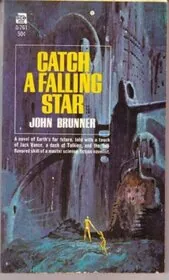
Catch a Falling Star / The Hundredth Millennium
by John Brunner
1959
Set in a far future after countless rises and collapses, this adventure follows one man's attempt to shake a civilization grown passive and tired.
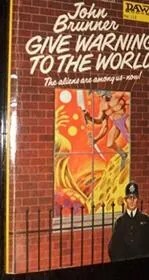
Echo in the Skull / Give Warning to the World
by John Brunner
1959
A young woman haunted by violent dreams becomes the key to exposing parasitic alien invaders already on Earth. The horror idea is vivid, and Brunner keeps it moving.
The Brink
by John Brunner
1959
A falling missile should trigger world war, but one officer calls the bombers back. Brunner turns the near-miss into a tense nightmare about politics, fear, and who gets blamed afterward.
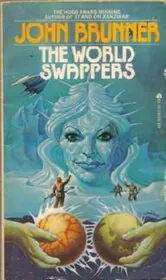
The World Swappers
by John Brunner
1959
In a prosperous future linked by matter transmission, power brokers, colonists, and alien newcomers collide over who gets which worlds. Brunner gives the big idea a surprisingly political edge.
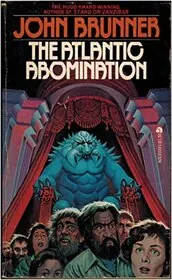
Atlantic Abomination
by John Brunner
1960
Something monstrous, ancient, and alien rises from beneath the Atlantic and begins to exert control over weaker minds. Brunner plays the premise as a compact invasion nightmare.
Sanctuary in the Sky
by John Brunner
1960
Passengers from clashing human cultures arrive at a mysterious waystation where peace seems possible, until the place reveals a far larger purpose. Short, clean, and full of sense of wonder.
Slavers of Space / Into the Slave Nebula
by John Brunner
1960
This paired volume throws its heroes into the fight against interstellar slavers, with rescues, chases, and the headlong momentum of old-school pulp science fiction.
The Skynappers
by John Brunner
1960
A man investigating a strange aircraft is snatched into a galactic crisis and treated as a barbarian from a backward world. The pace is pure early Brunner adventure.
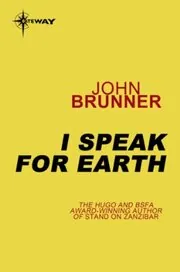
I Speak for Earth
by John Brunner
1961
Aliens decide humanity is too violent to join the wider galactic community and give Earth one year to choose a representative. Brunner uses the setup to test the species, not flatter it.
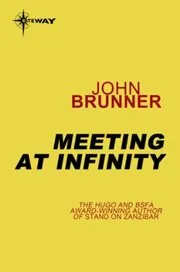
Meeting at Infinity
by John Brunner
1961
A horribly injured woman survives through the use of an incomprehensible device imported from a seemingly primitive world. The machine's secret becomes the lever that can upset an entire society.
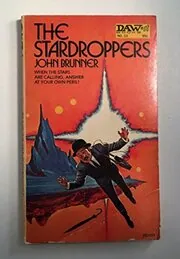
Listen! The Stars! / The Stardroppers
by John Brunner
1962
A signal from beyond Earth opens into a high-concept tale of contact, transport, and the dangerous gap between discovery and control.

No Future in It
by John Brunner
1962
An early collection of Brunner stories, sharp with irony and full of futures that go wrong in inventive ways.
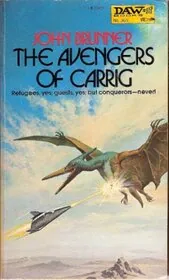
Secret Agent of Terra / The Avengers of Carrig
by John Brunner
1962
An Earth agent enters a rough backwater world where local politics, frontier loyalties, and sudden violence make every mission harder than it first looks.
The Ladder in the Sky
by John Brunner
1962
A lean early space adventure about ambition, risk, and reaching beyond the safe limits of an ordered society.

The Society of Time
by John Brunner
1962
A collection centered on Brunner's time-travel imagination, from altered histories and paradoxes to slipperier personal timelines.
The Super Barbarians
by John Brunner
1962
An Earthman enslaved on the conquerors' home world struggles to recover his memory and uncover the truth behind their power. The novel mixes feudal intrigue with planetary revolt.

Times Without Number
by John Brunner
1962
In an alternate world shaped by a victorious Spanish Armada, rebels try to change history through time travel. Brunner turns the premise into a lively mix of politics and paradox.
Castaway's World / Polymath
by John Brunner
1963
After a planetary disaster scatters humanity, colonists on a difficult world have to rebuild from almost nothing. Brunner mixes survival adventure with questions about how cultures change under pressure.

Dreaming Earth
by John Brunner
1963
A breakthrough in matter transport opens disturbing new possibilities. Brunner uses the idea to ask what happens when movement and power outrun human wisdom.

Now Then!
by John Brunner
1963
A brisk collection of stories about time, social change, and the small shocks that reveal how strange everyday life can become.
The Astronauts Must Not Land / More Things in Heaven
by John Brunner
1963
The return of humanity's first faster-than-light mission is accompanied by impossible apparitions and a terrifying new view of what may live beyond normal space. It is first contact with a twist.
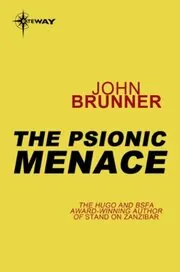
The Psionic Menace
by John Brunner
1963
An early adventure built around psi powers, fear, and the threat of minds that can reach farther than anyone feels safe with.
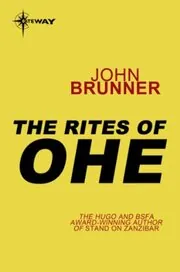
The Rites of Ohe
by John Brunner
1963
On a future world shaped by extreme wealth and near-immortality, private desperation and buried history collide. Brunner turns the mystery into a sharp look at social division.
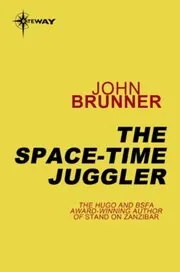
The Space-Time Juggler
by John Brunner
1963
On the worn edges of a fading interstellar empire, a wanderer gets caught in frontier power struggles and the long aftermath of imperial decline. It is early Brunner, but already textured.
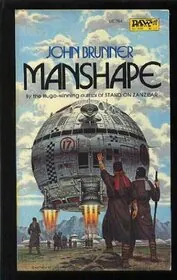
Endless Shadow / Manshape
by John Brunner
1964
Set against a fading galactic order, this novel follows power struggles, transformation, and the unsettling question of what still counts as human.
The Crutch of Memory
by John Brunner
1964
When memory fails at the worst possible time, identity itself becomes the mystery. Brunner turns the setup into a taut, personal suspense story.
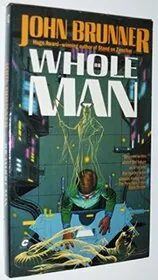
The Whole Man / The Telepathist
by John Brunner
1964
Gerald Howson grows up physically deformed, isolated, and far more telepathically gifted than anyone around him. Brunner makes the science-fiction premise deeply human, painful, and unexpectedly tender.
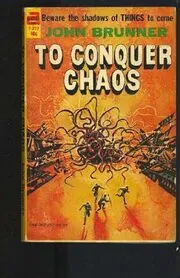
To Conquer Chaos
by John Brunner
1964
An energetic early Brunner adventure about clashing powers and the urge to force order onto a universe that will not sit still.
Enigma from Tantalus
by John Brunner
1965
On a remote world, isolation and mystery go hand in hand. Brunner uses the setup for a compact adventure about survival, hidden motives, and the cost of not understanding your surroundings.
The Altar at Asconel
by John Brunner
1965
In a decaying interstellar empire, a once-flourishing world slips under the grip of a sinister cult. Brunner mixes adventure with the larger sense of civilization falling backward.
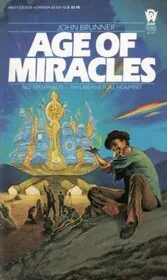
The Day of the Star Cities / Age of Miracles
by John Brunner
1965
When whole cities vanish, human beings grope for answers in a universe that may not value them much. Brunner blends mystery with a wide, unsettling cosmic perspective.
The Long Result
by John Brunner
1965
In a future that seems to have solved most of its problems, tensions between Earth, its colonies, and alien neighbors expose new forms of prejudice. Brunner makes the politics feel intimate.

The Martian Sphinx
by John Brunner
1965
A brisk Mars mystery with a puzzle at its center, combining planetary adventure with the slow uncovering of an older secret.
The Repairmen of Cyclops
by John Brunner
1965
On a harsh shallow-sea world, sharp social divisions sit beside the practical work of keeping a colony running. Brunner wraps the adventure in a pointed look at class and cultural drift.
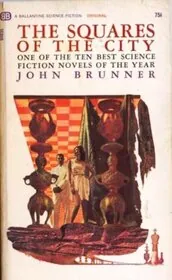
The Squares of the City
by John Brunner
1965
Political intrigue and urban class conflict play out across a fictional South American capital structured like a chess match. It is an ingenious idea, and Brunner plays it hard.
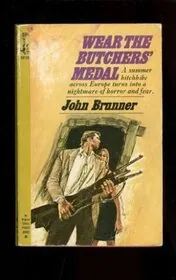
Wear the Butchers' Medal
by John Brunner
1965
A hard-edged Brunner thriller about violence, moral compromise, and the personal cost of living too close to power.
A Planet of Your Own
by John Brunner
1966
A classic early space-opera tale built around the dream of finding freedom on a world of your own, and the trouble that dream quickly attracts.

No Other Gods But Me
by John Brunner
1966
This collection gathers Brunner's shorter work on belief, identity, and unstable futures, with ideas that stay sharp even when the settings keep changing.
Born Under Mars
by John Brunner
1967
An early Mars adventure about frontier life, divided loyalties, and the hard demands of surviving far from Earth.

Out of My Mind
by John Brunner
1967
A varied collection of stories about altered consciousness, telepathy, alien viewpoints, and the strange places thought can lead.
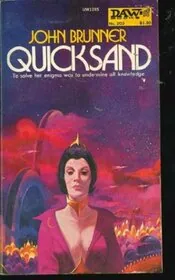
Quicksand
by John Brunner
1967
A troubled psychiatrist becomes obsessed with a young woman found near a mental hospital who speaks no known language and understands almost nothing around her. The mystery grows stranger with every clue.
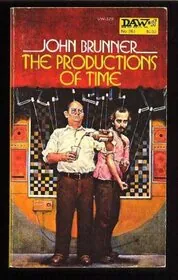
The Productions of Time
by John Brunner
1967
Brunner blends mystery, performance, and unstable reality in a novel where time itself seems less dependable than anyone wants to admit. It is slippery in a good way.
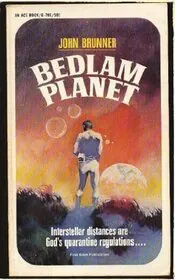
Bedlam Planet
by John Brunner
1968
A fast early adventure on a turbulent world where strange local conditions make survival uncertain and every decision risky. Brunner keeps the pace moving like classic pulp.

Father of Lies / Mirror Image
by John Brunner
1968
This paired volume offers two tense novellas, one built on deceit and corruption, the other on identity and uneasy reflection. Together they show Brunner's taste for psychological pressure.

Not Before Time
by John Brunner
1968
A collection of speculative stories that keeps circling back to time, causation, and the trouble human beings make for themselves.
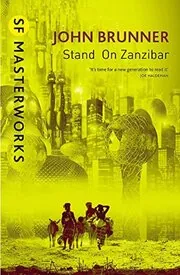
Stand on Zanzibar
by John Brunner
1968
In an overcrowded future, governments, corporations, media, and ordinary lives all strain against one another at once. The fragmented style is part of the point in this big, restless dystopian classic.
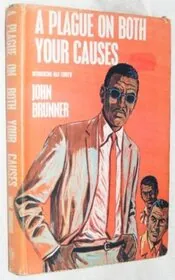
A Plague On Both Your Causes
by John Brunner
1969
When an old friend in Africa is reported dead by suicide, Max Curfew does not believe it. His investigation leads straight into power games, violence, and international manipulation.
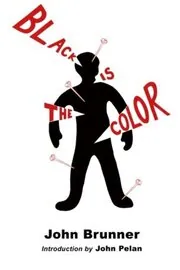
Black Is the Color
by John Brunner
1969
Set in a darker corner of swinging London, this novel mixes the underworld, sex, and voodoo into a tense urban thriller. Brunner keeps the atmosphere grimy and off-balance.
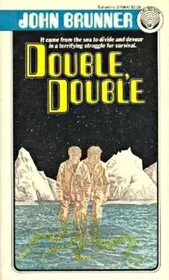
Double, Double
by John Brunner
1969
A horror-leaning thriller about doubling, obsession, and the unnerving sense that reality is slipping out of true. It is one of Brunner's stranger and more unsettling standalones.
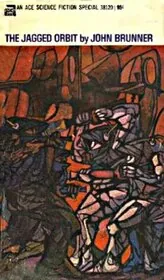
The Jagged Orbit
by John Brunner
1969
Media, race, weapons sales, and social panic collide in a near-future America already fraying at the edges. Brunner makes the violence feel systemic, not accidental.
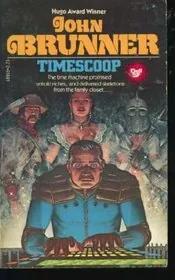
Timescoop
by John Brunner
1969
A lighter Brunner time-travel tale that mixes paradox, chase energy, and a playful sense of history coming unstuck. The idea is wild, but the storytelling stays direct.
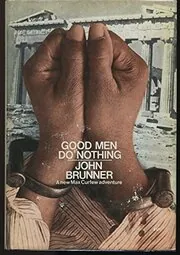
Good Men Do Nothing.
by John Brunner
1970
In Italy, Max Curfew sees a new friend killed and refuses to let the murder slide. The result is a hard, fast spy thriller powered by vengeance and shifting loyalties.
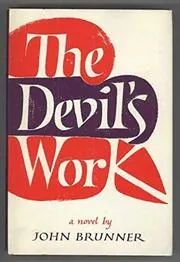
The Devil's Work
by John Brunner
1970
A dark suspense novel about manipulation, respectability, and the harm powerful people can do behind closed doors. Brunner keeps the pressure psychological as much as physical.
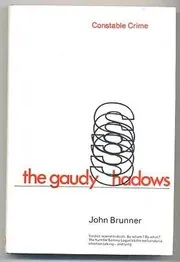
The Gaudy Shadows
by John Brunner
1970
A powerful fixer called Tileman can make fantasies seem real, and he may have murdered the wrong man to keep that power intact. The revenge plot grows stranger and darker as it goes.
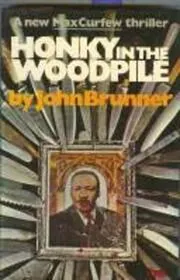
Honky in the Woodpile
by John Brunner
1971
Max Curfew gets pulled into another dirty international affair where race, power, and betrayal matter as much as force. The spy plot stays lean, but the politics keep biting.

The Traveller in Black
by John Brunner
1971
These linked fantasy stories follow a quiet wanderer with a staff of curdled light as he pushes a magic-haunted world from Chaos toward Order, usually through wishes people regret making.
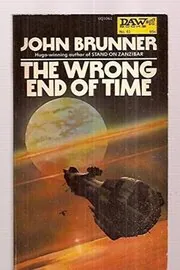
The Wrong End of Time
by John Brunner
1971
An alien threat throws human politics into panic, forcing rivals to cooperate before fear tears everything apart. Brunner turns first contact into a tense argument about paranoia and survival.

Entry to Elsewhen
by John Brunner
1972
Brunner gathers stories of alternate worlds, strange transitions, and futures that feel only a step away from the familiar.
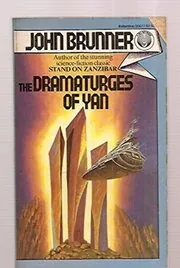
The Dramaturges of Yan
by John Brunner
1972
On the planet Yan, performance and power are tangled together in ways outsiders do not fully grasp. Brunner uses the setting for an offbeat adventure about culture, manipulation, and survival.
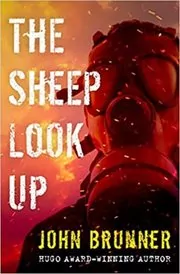
The Sheep Look Up
by John Brunner
1972
In a poisoned near-future America, pollution, corporate indifference, and social breakdown push ordinary lives toward catastrophe. Brunner builds a sprawling ecological dystopia that feels angry, bleak, and disturbingly plausible.
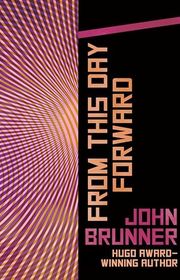
From This Day Forward
by John Brunner
1973
A story collection about future societies, private decisions, and the way small choices can echo through larger systems.
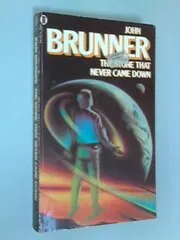
The Stone that Never Came Down
by John Brunner
1973
In a world sliding into civic decay, militant belief, and fear, a new mind-altering viral drug might either save society or finish wrecking it. Brunner keeps the argument urgent and personal.
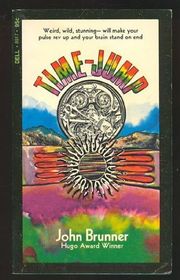
Time-Jump
by John Brunner
1973
A focused collection of Brunner's time-bending stories, mixing paradox, alternate outcomes, and human choices under impossible conditions.
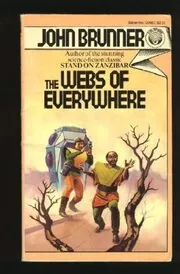
The Webs of Everywhere
by John Brunner
1974
Teleportation promises convenience, then opens the door to unsettling consequences. Brunner keeps the story brisk while poking at what happens when human beings get powerful tools faster than wisdom.
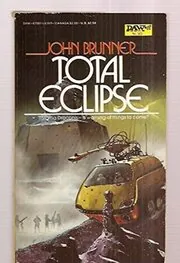
Total Eclipse
by John Brunner
1974
An international team studies the remains of an extinct alien civilization, hoping to learn what destroyed it before humanity repeats the same mistake. The mystery gives the novel its haunting pull.
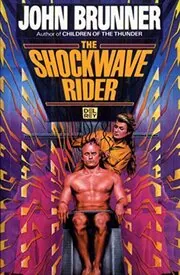
The Shockwave Rider
by John Brunner
1975
A fugitive data expert runs through a hyper-networked future built on surveillance, identity shifts, and buried state secrets. It is fast, sharp, and famous for seeing the shape of networked life early.

The Book of John Brunner
by John Brunner
1976
A strong career sampler, bringing together Brunner's shorter science fiction from space adventure to sharper social speculation.

Tomorrow May Be Even Worse
by John Brunner
1978
A collection of darkly intelligent stories about futures under pressure, where Brunner's warnings often hit as hard as his twists.

Foreign Constellations
by John Brunner
1980
This collection shows Brunner ranging across alien worlds, hard SF puzzles, and pointed social speculation in shorter form.
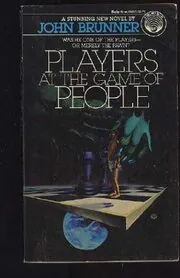
Players at the Game of People
by John Brunner
1980
A strange near-future social novel in which privilege, performance, and hidden manipulation turn a seemingly easy world into something much darker. Brunner is less interested in comfort than in what lies under it.
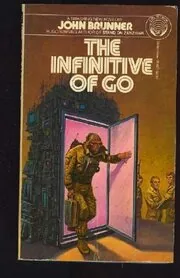
The Infinitive of Go
by John Brunner
1980
A new teleportation system starts dropping people into subtly different universes shaped by desire and chance. Brunner turns the science-fiction idea into a smart, uneasy story about choice and consequence.

While There's Hope
by John Brunner
1982
A grounded Brunner novel about political cynicism, stubborn conscience, and the small chances people cling to when bigger systems look rigged against them.

A New Settlement of Old Scores
by John Brunner
1983
A later collection in which Brunner revisits familiar pressures, politics, memory, and irony, then gives them fresh settings and angles.
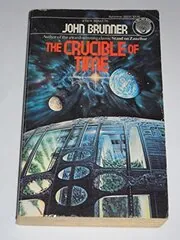
The Crucible of Time
by John Brunner
1983
Brunner follows an alien species across millennia, from fragmented early societies to hard-won technological maturity. The long view gives the novel both sweep and a real sense of cultural change.
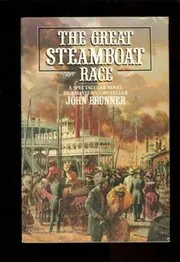
The Great Steamboat Race
by John Brunner
1983
A sprawling historical novel built around a high-stakes steamboat race on the Mississippi. Rivalry, ambition, river culture, and the machinery of a changing America drive the story forward.
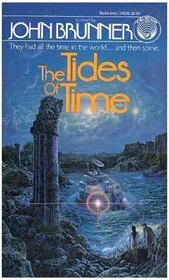
The Tides of Time
by John Brunner
1984
Two people on an isolated island wake each day into a different life and a different past. Brunner uses the shifting setup for a compact, eerie meditation on time and identity.
The Shift Key
by John Brunner
1987
When a strange fog settles over a quiet English village, people begin acting wildly out of character. A doctor and a reporter dig for answers in a mystery that may be scientific, supernatural, or both.
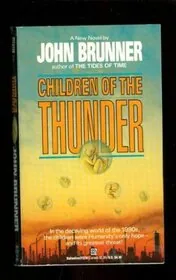
Children of the Thunder
by John Brunner
1988
A handful of gifted children begin showing terrifying intelligence, mental control, and a complete lack of moral restraint. Brunner turns the idea into a dark near-future warning about power without conscience.

The Best of John Brunner
by John Brunner
1988
A best-of volume that highlights the range of Brunner's shorter work, from brisk adventure pieces to more thoughtful and unsettling stories.
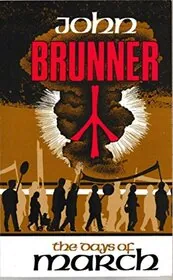
The Days Of March
by John Brunner
1988
A later Brunner novel about political strain and private lives under pressure, as ordinary people try to keep their footing while public events gather speed around them.

A Case of Painter's Ear
by John Brunner
1991
A short Brunner piece that starts from a small oddity and turns it into a wry speculative puzzle about art, perception, and human behavior.
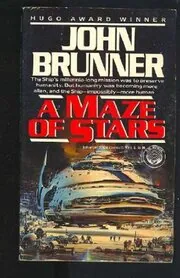
A Maze of Stars
by John Brunner
1991
A vast sentient ship moves among far-flung human worlds, trying to protect settlements that barely understand the larger pattern they belong to. It is one of Brunner's most expansive late space adventures.
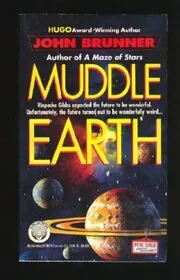
Muddle Earth
by John Brunner
1993
A man wakes from cryogenic sleep into a bizarre twenty-fourth century where Earth has become a tourist attraction. The setup lets Brunner mix satire, future shock, and a very strange homecoming.

The Man Who Was Secrett and Other Stories
by John Brunner
2013
A later gathering of shorter work and rarities, good for readers who want more of Brunner beyond the famous novels.

Threshold of Eternity
by John Brunner
2015
A war across space and time throws a modern man, a London woman, and a soldier from the far future together. Brunner gives the old setup real propulsion and cosmic stakes.
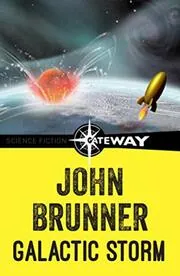
Galactic Storm
by John Brunner
2020
Brunner's first novel is a brisk early space opera, built on interplanetary danger, military conflict, and the headlong momentum of 1950s pulp adventure.
Where to start with John Brunner
If you want his landmark dystopias: Stand on Zanzibar → The Jagged Orbit → The Sheep Look Up → The Shockwave Rider
If you want his most accessible character-focused novel: The Whole Man / The Telepathist
If you want early galactic adventure: Castaway's World / Polymath → The Space-Time Juggler → The Altar at Asconel
If you want political and structural experiments: The Squares of the City → The Long Result
John Brunner sub-series and character series
Empire (John Brunner) books in order
Explore this seriesEmpire (John Brunner) books in chronological order
John Brunner collections, short stories, and related book types
Short Stories/Novellas
Short Story Collections
Chapbooks
Standalone John Brunner books
Author bio
John Brunner was born on September 24, 1934, in Preston Crowmarsh, near Wallingford in Oxfordshire, and grew up in England at a time when science fiction still felt like a scrappy field full of possibility. He went to St Andrew's Prep School in Pangbourne and later to Cheltenham College. He started young, very young. At 17 he had already published his first novel, Galactic Storm, under the house name Gill Hunt.
He was precocious, and he knew it.
In the first half of the 1950s Brunner sold stories to magazines while also trying to make a living away from the typewriter. He served in the RAF from 1953 to 1955, worked in publishing and other jobs, and kept writing whenever he could. By 1958, after placing novels with Ace, he made the jump to full-time freelancing. It sounds romantic until you remember the bills.
The early books came fast. Sometimes very fast. Brunner wrote straight-ahead space opera under his own name and under pen names such as Keith Woodcott and K. H. Brunner. Those novels gave him room to practice pace, structure, and worldbuilding. You can feel him learning on the page, from books like The Space-Time Juggler, Castaway's World, and The Whole Man.
Then he got restless.
By the mid-1960s he was pushing past pulp adventure into something denser and riskier. The Squares of the City used a chess match as narrative structure. The Whole Man turned telepathy into a deeply human story about pain, isolation, and healing. And then came the run of books most readers still start with: Stand on Zanzibar, The Jagged Orbit, The Sheep Look Up, and The Shockwave Rider. They tackle overpopulation, race and violence, ecological collapse, and networked surveillance with an urgency that still feels uncomfortably current.
Brunner was one of those writers who liked big systems and the way they press on ordinary people. Corporations, media, government, technology, prejudice, cities under strain, futures that feel one bad policy away from the present, these keep turning up in his work. Even when the ideas are huge, the tension often comes from people trying to stay sane inside them. Readers who click with Brunner tend to like that mix of intellectual reach and real pressure.
He did more than novels. Brunner wrote short stories, poetry, criticism, and translations. He was active in the Campaign for Nuclear Disarmament, and he also wrote for film and television, including the screenplay for The Terrornauts. He married Marjorie Sauer in 1958, and by many accounts she played a major part in handling the business side of his career.
Success did not make life especially easy. Though Stand on Zanzibar won the Hugo Award and the BSFA Award, Brunner never fully escaped the economic grind of writing for a living. His health worsened in the 1980s, and after Marjorie's death in 1986 his pace slowed. He married Li Yi Tan in 1991, and he kept publishing, though less often, with later books including The Crucible of Time and A Maze of Stars.
He died in Glasgow on August 25, 1995, while attending Worldcon. What remains is a body of work that ranges from quick early adventures to some of the sharpest social science fiction of the twentieth century. Plenty of writers predicted gadgets. Brunner was better at predicting pressure.



Edited by
Software engineer whose passion for tracking book recommendations from podcasts inspired the creation of MRB.
Lead investor at 3one4 Capital whose startup expertise and love for books helped shape MRB and its growth.
Comments
Did we miss something? Have feedback?
Help us improve this page by sharing your thoughts