
Jimmy Carter Books in Order
See all Jimmy Carter books in order, with quick summaries, themes, and guidance on where to start with his memoirs, faith reflections, peace writing, and post-presidential work.
Last updated:
As an Amazon Associate, we earn from qualifying purchases (at no extra cost to you).
Jimmy Carter books in publication order
51 books
Why Not the Best?
by Jimmy Carter
1975
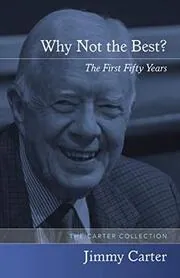
Originally his campaign autobiography, this book introduces Carter’s early life, Navy years, farm struggles, state-level politics, and decision to run for president, framed around a famous question from Admiral Rickover about whether he had truly done his best.
A Government as Good as Its People
by Jimmy Carter
1977
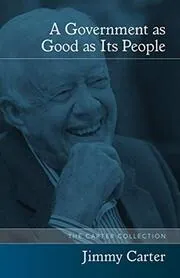
Sixty-two speeches, press conferences, and statements from Carter’s pre-presidential years, revealing how he talked about honesty in government, civil rights, tax reform, and citizen responsibility while emerging from Georgia politics onto the national stage.
Carter On The Arts
by Jimmy Carter
1977
A slim volume collecting Carter’s speeches and writings on the arts, in which he argues that literature, music, and visual art are not luxuries but essentials for a healthy democracy and for understanding one another across lines of culture and belief.
The Wit and Wisdom of Jimmy Carter
by Jimmy Carter
1977
An assortment of brief quotations, anecdotes, and excerpts from Carter’s speeches and interviews that showcase his dry humor, homespun turns of phrase, and plainspoken views on politics, family, faith, and public life.
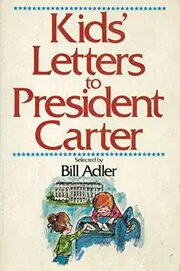
Kids' Letters to President Carter
by Jimmy Carter
1979
A humorous and touching collection of letters children sent to President Carter, full of blunt questions, worries, and advice, offering a child’s-eye view of the presidency and the concerns young Americans brought to the White House.
The Spiritual Journey of Jimmy Carter, in His Own Words
by Jimmy Carter
1979
A thematic collection of Carter’s comments on religion from interviews, speeches, press conferences, and Bible classes, arranged to trace how his Christian beliefs influenced his private life and his approach to governing.
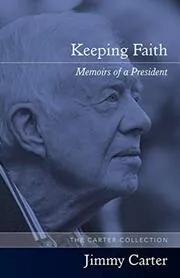
Keeping Faith
by Jimmy Carter
1982
Carter’s first full presidential memoir, covering his campaign, major decisions in office, the Iran hostage crisis, and the 1980 defeat, while also opening a window on his family life and the values he tried to hold onto in power.
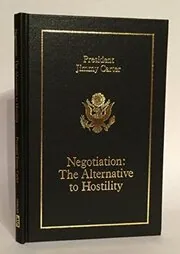
Negotiation
by Jimmy Carter
1984
Based on his Carl Vinson Memorial Lecture, Carter lays out why negotiation should replace hostility in resolving disputes, from personal conflicts to international crises, and illustrates his ideas with examples from diplomacy and his work at The Carter Center.
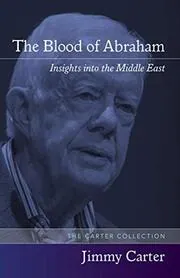
The Blood of Abraham
by Jimmy Carter
1986
Carter explains the historical, religious, and political roots of conflict in the Middle East, drawing on his own diplomatic experience to explore how Israelis, Palestinians, and neighboring states view each other and where he sees paths toward peace.
Everything to Gain
by Jimmy Carter
1987
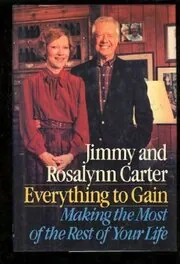
Co-written with Rosalynn Carter, this book describes how they rebuilt their lives after leaving the White House, from financial troubles to new commitments at The Carter Center and Habitat for Humanity, offering down-to-earth reflections on aging and purpose.
An Outdoor Journal
by Jimmy Carter
1988
Part memoir, part nature writing, this book gathers stories from Carter’s lifetime of hunting and fishing, describing the woods, rivers, and companions he loves while reflecting on conservation, ethics, and the quiet satisfactions of being outdoors.
Einstein on Peace, Congress, Malta, 1988
by Jimmy Carter
1988
A conference volume from a 1988 gathering in Malta on Albert Einstein’s legacy and the pursuit of peace, including speeches and essays by Carter and others on nuclear danger, diplomacy, and the moral demands of avoiding war.
Living Faith
by Jimmy Carter
1991
A spiritual autobiography in which Carter tells how his Christian faith was formed, tested, and deepened through family losses, political defeats, the presidency, and years of service, emphasizing forgiveness, service, and quiet persistence over easy answers.
Sources of Strength
by Jimmy Carter
1991
A collection of fifty-two Bible-based meditations drawn from Carter’s Sunday school lessons, each pairing scripture with a short reflection and personal story aimed at helping readers find comfort, challenge, and direction over the course of a year.
Turning Point
by Jimmy Carter
1992
Carter recounts his first hard-fought state senate race in 1962 and the voting fraud he confronted, setting the story against the backdrop of civil rights battles and one-person-one-vote rulings that were reshaping Southern politics.
Talking Peace
by Jimmy Carter
1993
Written for younger readers, this book uses Carter’s experiences at Camp David and beyond to explain why conflicts arise and how negotiation, human rights, and everyday choices can help build peace at home, in communities, and between nations.

Always a Reckoning and Other Poems
by Jimmy Carter
1994
A collection of Carter’s poems about family, rural Georgia, politics, aging, and faith, written in plain language that echoes his speaking voice and offers a more intimate, sometimes wry, look at moments that shaped him.

The Little Baby Snoogle-Fleejer
by Jimmy Carter
1995
A picture book story, illustrated by his daughter Amy, about a young boy who meets a strange sea creature and discovers that curiosity and kindness can turn fear into friendship, gently encouraging children to look past first impressions.
Conversations with Carter
by Jimmy Carter
1998
Twenty-three in-depth interviews with Carter, spanning his campaign, presidency, and later years, in which he answers probing questions about politics, faith, foreign policy, and personal failures, giving readers a sense of his voice in unscripted settings.
The Virtues of Aging
by Jimmy Carter
1998
Drawing on his own seventies, Carter reflects on retirement, health, work, and family, arguing that later life can bring new purpose and joy, and offering straightforward advice on staying engaged, serving others, and facing aging with honesty and gratitude.
An Hour Before Daylight
by Jimmy Carter
2000
Carter’s memoir of growing up on a Depression-era Georgia farm, portraying family life, race relations, and hard work in the rural South, and showing how those early years shaped his views on justice, faith, and public service.
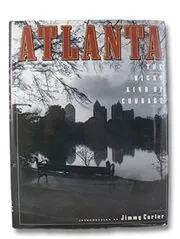
Atlanta
by Jimmy Carter
2000
Published as Atlanta: The Right Kind of Courage, this large-format volume pairs photography with Carter’s reflections to celebrate Atlanta’s history, neighborhoods, and civil rights legacy, highlighting people and places that, in his view, embody moral courage.
Conference for Global Development Cooperation
by Jimmy Carter
2000
Proceedings from the Carter Center’s first Conference for Global Development Cooperation, featuring Carter’s opening lecture and contributions from officials, scholars, and aid experts on how nations and institutions can work together more effectively on development.
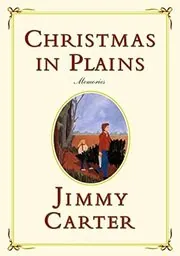
Christmas in Plains
by Jimmy Carter
2001
A slender, nostalgic memoir of Christmases from Carter’s boyhood in Plains through his years in the Navy and the White House, highlighting family rituals, small-town traditions, and the ways the holiday revealed both joy and hardship in his community.
U. S. Law Affecting Americans Living and Working Abroad
by Jimmy Carter
2001
A practical reference work outlining the major U.S. laws that affect citizens overseas, including tax rules, voting and consular issues, and other legal obligations, designed to help Americans living and working abroad understand their rights and responsibilities.
Israel, Yesterday and Today
by Jimmy Carter
2002
A large-format photographic survey contrasting historic and contemporary images of Israel’s cities and landscapes, accompanied by commentary that reflects on the country’s rapid change, its diverse communities, and the ongoing search for security and peace.
The Nobel Peace Prize Lecture
by Jimmy Carter
2002
The text of Carter’s 2002 Nobel Peace Prize lecture, in which he reflects on war, human rights, poverty, and the responsibilities of powerful nations, arguing for negotiation, restraint, and a broader, more humane understanding of global security.
The Personal Beliefs of Jimmy Carter
by Jimmy Carter
2002
A single-volume edition that combines Carter’s spiritual autobiography Living Faith with his devotional book Sources of Strength, tracing how his beliefs were formed and sharing fifty-two Bible-based lessons drawn from decades of teaching Sunday school.
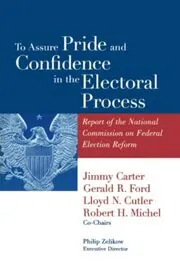
To Assure Pride and Confidence in the Electoral Process
by Jimmy Carter
2002
The report of the National Commission on Federal Election Reform, co-chaired by Carter, examining what went wrong in the 2000 U.S. election and proposing concrete changes to voting systems, administration, and law to strengthen public trust in elections.
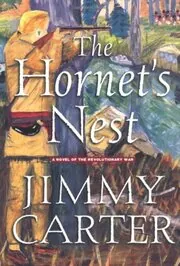
The Hornet's Nest of the Revolutionary War
by Jimmy Carter
2003
Carter’s only novel, originally published as The Hornet’s Nest, follows settlers and soldiers in the Deep South during the American Revolution, blending family drama, frontier life, and the tangled loyalties of colonists, Native nations, and British forces.
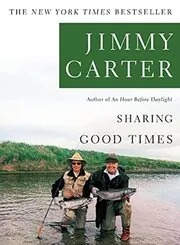
Sharing Good Times
by Jimmy Carter
2004
A collection of brief, relaxed reminiscences about the moments that brought Carter joy, from fishing trips and woodworking to time with Rosalynn, their children, and grandchildren, celebrating simple pleasures and the friendships sustained across a long life.
State of the Union Addresses of Jimmy Carter
by Jimmy Carter
2004
This volume gathers Carter’s four State of the Union addresses, capturing his priorities on energy, the economy, foreign policy, civil rights, and governmental reform, and providing a concise record of how he tried to frame the nation’s challenges.
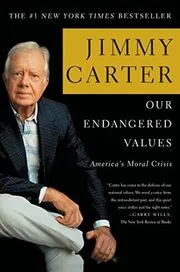
Our Endangered Values
by Jimmy Carter
2005
Carter argues that core American and religious values are being distorted by extremism and fear, and offers plainspoken reflections on issues like war, environmental stewardship, separation of church and state, and human rights, grounded in his own faith journey.
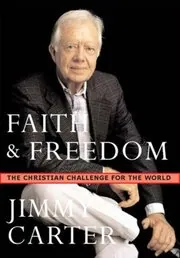
Faith and Freedom
by Jimmy Carter
2006
Subtitled The Christian Challenge for the World, this book reflects on how Christian faith should influence public life, as Carter wrestles with war, human rights, poverty, and American power, asking what it means to pursue justice without abandoning mercy.
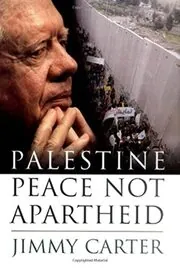
Palestine
by Jimmy Carter
2006
Published as Palestine: Peace Not Apartheid, this controversial book draws on Carter’s long involvement in Middle East peace efforts to critique Israeli and Palestinian policies, argue that current conditions are unsustainable, and urge renewed negotiations.
Beyond the White House
by Jimmy Carter
2007
Carter recounts his post-presidential years, from founding The Carter Center and monitoring elections to mediating conflicts and fighting disease, offering an inside look at how he tried to turn former political influence into long-term humanitarian work.
Water Is Key: A Better Future for Africa
by Jimmy Carter
2007
A photo-driven book about the importance of safe water in West Africa, pairing Gil Garcetti’s striking black-and-white images with short essays, including Carter’s, on how access to clean water transforms health, work, and daily life.
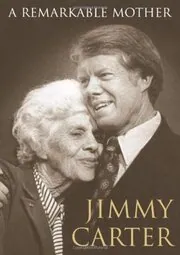
A Remarkable Mother
by Jimmy Carter
2008
A warm portrait of Carter’s mother, Lillian, tracing her life as a nurse, farmer, Peace Corps volunteer, outspoken storyteller, and moral anchor of the family, and showing how her humor, courage, and independence shaped her son’s values.
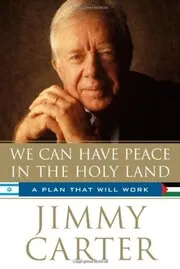
We Can Have Peace in the Holy Land
by Jimmy Carter
2009
Carter combines a brief history of the Israeli–Palestinian conflict with accounts of his own diplomacy and on-the-ground visits, then lays out a practical, if challenging, framework he believes could still lead to a just and lasting peace.
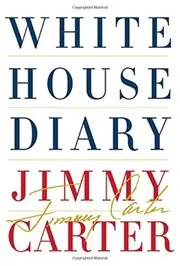
White House Diary
by Jimmy Carter
2010
Drawn from the diary he kept as president, this book offers Carter’s day-by-day view of crises, negotiations, and private moments in office, with frank later annotations that show how he now judges his choices, successes, and missteps.
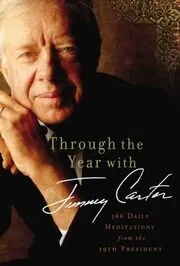
Through the Year with Jimmy Carter
by Jimmy Carter
2011
A year’s worth of daily readings that braid Bible passages with Carter’s memories from farming, the Navy, the White House, and the Carter Center, encouraging readers to see their own lives as places where faith, service, and quiet courage can take root.
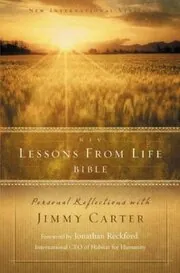
NIV Lessons from Life Bible
by Jimmy Carter
2012
Using the NIV text alongside stories from his own life, Carter adds articles, notes, prayers, and brief reflections to connect scripture with everyday choices, drawing heavily on decades of Bible lessons taught in his hometown church in Plains, Georgia.
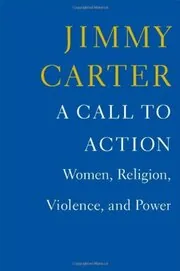
A Call to Action
by Jimmy Carter
2014
Carter argues that discrimination and violence against women and girls is a global human rights emergency, documenting abuses worldwide and examining how misused religious teachings, politics, and poverty combine, then offering concrete steps toward change.
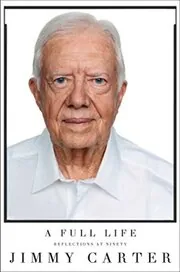
A Full Life
by Jimmy Carter
2015
Written at ninety, this memoir gathers Carter’s candid reflections on his rural childhood, Naval service, political rise, presidency, and decades of humanitarian work, mixing personal regrets, family stories, and lessons learned from a long public life.
Recommended by
2 people Bill Gates recommended this book
Bill Gates
"A quick, condensed tour of [Jimmy Carter]’s fascinating life." - Bill Gates
Bill Gates's recommendation of this book  Richard Branson recommended this book
Richard Branson
Richard Branson recommended this book on his "70 must-read books" blog post.
Richard Branson's recommendation of this book
The Speeches of President Jimmy Carter
by Jimmy Carter
2015
A collection of key presidential speeches, including major addresses on energy, human rights, the economy, and foreign policy, offering a front-row view of how Carter tried to speak plainly about difficult choices during his time in the White House.
The Craftsmanship of Jimmy Carter
by Jimmy Carter
2017
Part memoir, part photo-filled showcase, this book follows Carter’s lifelong love of working with his hands, from building furniture and tools to restoring old structures, and reflects on how careful, patient craftsmanship shaped his character and outlook.
Faith
by Jimmy Carter
2018
Carter explores what faith means in both religious and everyday life, blending Bible reflections with stories from politics, family, and world events to show how trust, doubt, and hope can guide personal choices and public decisions alike.
Sunday Mornings in Plains Collection
by Jimmy Carter
2018
An audio collection of Carter’s adult Bible classes from his church in Plains, Georgia, featuring extended lessons on Christian living, justice, and peace, and offering listeners a feel for his gentle, conversational teaching style.
The Paintings of Jimmy Carter
by Jimmy Carter
2018
A richly illustrated collection of Carter’s own paintings, accompanied by his commentary on the scenes and people that inspired them, from rural Georgia landscapes to places visited through humanitarian work, revealing a quieter, creative side of his life.
NRSV, Simple Faith Bible, Hardcover, Comfort Print
by Jimmy Carter
2020
An NRSV study Bible enriched with Jimmy Carter’s notes, prayers, and brief essays drawn from his decades of Sunday school teaching, inviting readers into a warm, practical walk of faith focused on peace, compassion, justice, and daily discipleship.
The Hornet's Nest
by Jimmy Carter
Ethan and Epsey Pratt settle on the Georgia frontier and befriend neighboring homesteaders. As the Revolutionary War reaches the Deep South, their families are drawn into a brutal conflict that divides communities and transforms everyday life.
Recommended by
1 person Donald Knuth recommended this book
Donald Knuth
"A revolutionary novel about the Revolutionary War at all levels." - Donald Knuth
Donald Knuth's recommendation of this book
Where to start with Jimmy Carter
If you want a sweeping life story: An Hour Before Daylight → Keeping Faith → A Full Life.
If you are most curious about his faith: Living Faith → Sources of Strength → Faith → NRSV, Simple Faith Bible.
If you care about politics and global issues: Why Not the Best? → A Government as Good as Its People → Our Endangered Values → A Call to Action.
If you want to understand the Middle East focus: The Blood of Abraham → Palestine → We Can Have Peace in the Holy Land.
If you enjoy something different, like fiction or art: The Hornet's Nest of the Revolutionary War → Always a Reckoning and Other Poems → The Paintings of Jimmy Carter.
Jimmy Carter collections, short stories, and related book types
Picture Books
Collections
Non-Fiction





To Assure Pride and Confidence in the Electoral Process
by Jimmy Carter
2002Report of the National Commission on Federal Election Reform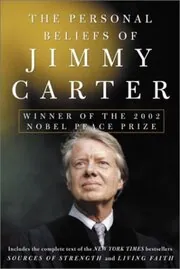




NRSV, Simple Faith Bible, Hardcover, Comfort Print
by Jimmy Carter
2020Following Jesus into a Life of Peace, Compassion, and Wholeness
Standalone Jimmy Carter books
Author bio
Jimmy Carter grew up in rural southwest Georgia and carried that small town experience with him into almost everything he did. Born on October 1, 1924, in Plains, he spent most of his childhood on a peanut farm near the community of Archery, surrounded by Black neighbors and sharecroppers who shaped his sense of fairness and race.
His early years were marked by hard physical work, church on Sundays, and a household that valued education. Those days later became the heart of An Hour Before Daylight, where he wrote about picking cotton, working beside farmhands, and watching the South slowly change around him.
Carter left Georgia for the United States Naval Academy, graduating in 1946. He served as a submariner in the Atlantic and Pacific and was selected for the Navy’s emerging nuclear submarine program, an assignment that led him to study reactor technology and work under Admiral Hyman Rickover. The death of his father in 1953 pulled him back home, and he resigned his commission to run the family farm and warehouse business in Plains.
Back in Georgia, he moved from local boards and school issues into state politics. Carter served in the Georgia State Senate in the 1960s and became governor in 1971, aligning himself with a new generation of Southern leaders who publicly supported desegregation and voting rights. In 1976, running as an outsider after Watergate, he won the presidency and served from 1977 to 1981.
His term in the White House mixed significant achievements with painful setbacks. He helped broker the Camp David Accords between Egypt and Israel, negotiated new Panama Canal treaties, pushed for human rights in foreign policy, and began modern energy and environmental reforms. At the same time, high inflation, fuel shortages, and the Iran hostage crisis eroded public confidence and contributed to his 1980 defeat.
After leaving office, Carter quietly built one of the most active and long-lasting post-presidential careers on record. In 1982 he and Rosalynn founded The Carter Center in Atlanta, focusing on free elections, conflict mediation, and neglected diseases in some of the world’s poorest communities. He monitored votes in dozens of countries, worked to nearly eradicate Guinea worm disease, and spent weeks on building sites with Habitat for Humanity.
Writing was part of that second life. Carter produced more than thirty books across genres: political analysis like Palestine: Peace Not Apartheid and We Can Have Peace in the Holy Land, memoirs such as Keeping Faith and A Full Life, spiritual works including Living Faith, Our Endangered Values, and Faith, and even poetry and fiction in Always a Reckoning and Other Poems and The Hornet’s Nest. His spoken-word recordings of several of these books earned multiple Grammy Awards.
Faith ran through all of it. A lifelong Baptist, he taught Sunday school for decades in Plains, often to standing-room crowds, and many of his books grew directly from those lessons. He wrote about scripture in everyday language, tying big questions about war, poverty, and gender equality to the habits of prayer, service, and honesty he learned as a child.
Carter received the Nobel Peace Prize in 2002 for his peacemaking and human rights work. He lived long enough to celebrate his 100th birthday in 2024, dying later that year at home in Plains, after more than seventy-seven years of marriage to Rosalynn.
Taken together, his books read like a long conversation about character, responsibility, and hope. They trace a single life from a Depression-era farm to the Oval Office and far beyond, offering readers a plainspoken look at how one person tried to live out his beliefs in public.





Edited by
Software engineer whose passion for tracking book recommendations from podcasts inspired the creation of MRB.
Lead investor at 3one4 Capital whose startup expertise and love for books helped shape MRB and its growth.
Comments
Did we miss something? Have feedback?
Help us improve this page by sharing your thoughts