
Jim Mattis Books in Order
Explore Jim Mattis books in order on this page, with short summaries, background on his military writing, and clear advice on where to start.
Last updated:
As an Amazon Associate, we earn from qualifying purchases (at no extra cost to you).
Jim Mattis books in publication order
3 books
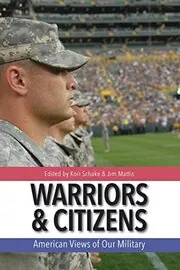
Warriors and Citizens
by Jim Mattis
2016
This collection explores the widening gap between the U.S. military and the society it serves. Using essays and survey data, it looks at trust, public understanding, and the strains that shape modern civil-military relations.
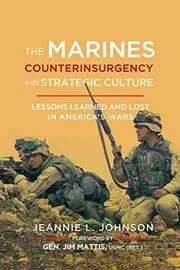
The Marines, Counterinsurgency, and Strategic Culture
by Jim Mattis
2018
This study examines how Marine Corps culture shaped counterinsurgency from early interventions to Vietnam and Iraq. It asks which lessons were kept, which were forgotten, and why military institutions often struggle to adapt.
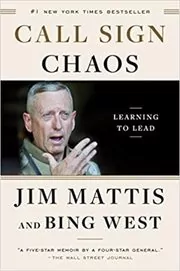
Call Sign Chaos
by Jim Mattis
2019
Mattis traces his path from junior Marine officer to Secretary of Defense, using battles, command decisions, and hard mistakes to show how leadership changes at every level. It is part memoir, part practical lesson in preparation, judgment, and working with allies.
Where to start with Jim Mattis
If you only want one starting point: Call Sign Chaos
If you want the fullest view of Mattis's leadership ideas: Call Sign Chaos → Warriors and Citizens
If you care most about civil-military relations: Warriors and Citizens
If you want the more academic strategy read: The Marines, Counterinsurgency, and Strategic Culture
Jim Mattis collections, short stories, and related book types
Non-Fiction
Standalone Jim Mattis books
Author bio
Jim Mattis was born on September 8, 1950, in Pullman, Washington, and grew up in Richland. He finished high school there in 1968, joined the Marine Corps Reserve in 1969, and earned a history degree from Central Washington University in 1971. Years later, while already deep into military life, he added a master's degree in international security affairs from the National War College.
That mix of field experience and steady study shaped almost everything that followed. Mattis built his career as an infantry Marine, moving from small-unit leadership to larger and larger commands over more than four decades. He also became known as a serious reader who treated history as part of the job, not a side hobby. Marines under his command were given reading lists because he believed professional education mattered before a unit ever reached a battlefield.
His service took him through the Gulf War, the post-September 11 campaign in Afghanistan, the Iraq War, and senior command roles across the Middle East. Before retiring from active duty in 2013, he led U.S. Central Command, overseeing military operations across a vast region. He later returned to government as the 26th U.S. Secretary of Defense, serving from 2017 to 2019. That arc, from platoon-level leadership to the Pentagon, explains why his books move easily between close-up battlefield detail and big-picture strategy.
Books mattered to him early, and they never stopped mattering.
After retirement, Mattis turned seriously to writing. He began Call Sign Chaos, with Bing West, in September 2013, shortly after leaving active duty. The book follows his career through three levels of leadership: direct, executive, and strategic. Readers who like it usually respond to its plain talk. It is a memoir, but it is also a working guide to preparation, judgment, self-discipline, and the problem of leading people when information is incomplete and the stakes are high.
His other best-known book, Warriors and Citizens, which he co-edited with Kori N. Schake, looks outward instead of inward. Rather than retelling campaigns, it asks how well Americans understand their military and whether the armed forces are drifting too far from the society they serve. That makes it a different kind of Mattis book. It is less about one man's career and more about trust, public responsibility, and the awkward gap that can grow between admiration for the military and real knowledge of military life.
Duty, study, alliances, and strategic clarity keep showing up in his work.
Those themes fit the public role he has taken on since leaving office. Mattis returned to the Hoover Institution, where he serves as a distinguished fellow and continues to speak and write about leadership, national security, democracy, and history. He is not a novelist, and he does not write like one. His books are built from brief scenes, hard lessons, and a belief that leaders should keep learning long after they have reached the top. If you read him for anything, it is probably for that combination of experience, restraint, and seriousness about the cost of bad decisions.











Edited by
Software engineer whose passion for tracking book recommendations from podcasts inspired the creation of MRB.
Lead investor at 3one4 Capital whose startup expertise and love for books helped shape MRB and its growth.
Comments
Did we miss something? Have feedback?
Help us improve this page by sharing your thoughts