
Jhumpa Lahiri Books in Order
Browse Jhumpa Lahiri books in order, with short summaries, reading guidance, and an easy overview of her novels, stories, essays, and translations.
Last updated:
As an Amazon Associate, we earn from qualifying purchases (at no extra cost to you).
Jhumpa Lahiri books in publication order
10 books
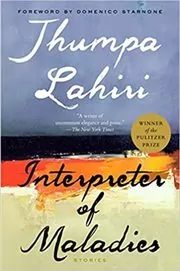
Interpreter of Maladies
by Jhumpa Lahiri
1999
This debut story collection follows Indians and Indian Americans through marriage, loneliness, exile, and quiet misunderstanding. Lahiri turns ordinary encounters into deeply felt studies of distance, grief, and the fragile ways people try to connect.
Recommended by
1 person Mindy Kaling recommended this book
Mindy Kaling
"Completely changed my life." - Mindy Kaling
Mindy Kaling's recommendation of this book
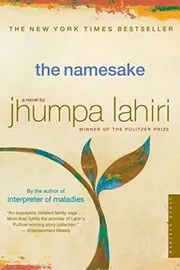
The Namesake
by Jhumpa Lahiri
2003
The Ganguli family leaves Calcutta for Massachusetts, where their son Gogol grows up caught between inheritance and reinvention. Lahiri follows his uneasy relationship with his name, his family, and the selves he tries to become.

Hell-Heaven
by Jhumpa Lahiri
2004
Told by a daughter looking back, this story follows her Bengali mother's intense bond with a family friend in New England. It's a quiet portrait of desire, loneliness, and the unspoken pressures inside immigrant family life.

Unaccustomed Earth
by Jhumpa Lahiri
2008
These stories range across America, India, and beyond, following families, marriages, and friendships under strain. Lahiri is especially sharp on the distance between parents and children, and the secrets that survive even deep intimacy.
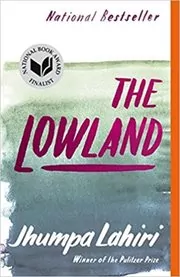
The Lowland
by Jhumpa Lahiri
2013
Two close brothers in Calcutta take sharply different paths in the 1960s, one toward radical politics and one toward academic life in America. After a brutal loss, their choices bind a family across decades of love, guilt, and reinvention.
Recommended by
2 people Barack Obama recommended this book
Barack Obama
Barack Obama's "2016 Summer Reading List."
Barack Obama's recommendation of this book - Mindy Kaling recommended this book
Mindy Kaling
"I read all her books the week they come out and wait impatiently for the next." - Mindy Kaling
Mindy Kaling's recommendation of this book
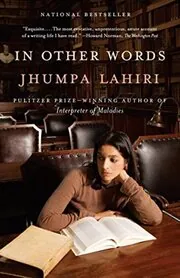
In Other Words
by Jhumpa Lahiri
2015
Lahiri tells the story of teaching herself Italian and choosing to write in a language not her own. Part memoir and part meditation, the book follows obsession, vulnerability, and the freedom of beginning again.
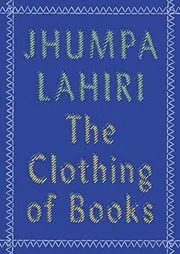
The Clothing of Books
by Jhumpa Lahiri
2016
In this brief essay, Lahiri considers book covers and the uneasy gap between a text and its public face. She writes about design, translation, and the strange experience of seeing a private work dressed for strangers.

Whereabouts
by Jhumpa Lahiri
2021
A solitary woman moves through an unnamed city, noticing shops, streets, routines, and passing encounters that echo her inner life. Spare and intimate, the novel traces restlessness, habit, and the faint pull toward connection.
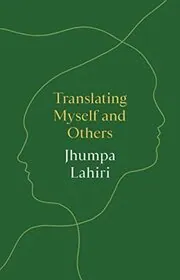
Translating Myself and Others
by Jhumpa Lahiri
2022
Lahiri reflects on translation as craft, identity, and a way of moving between languages. These essays explore self-translation, close reading, and what is gained, changed, or unsettled when words cross borders.

Roman Stories
by Jhumpa Lahiri
2023
Set in and around Rome, these stories follow locals, newcomers, and outsiders moving through a city shaped by beauty, class, tourism, and displacement. Lahiri keeps the scale intimate while letting the city's tensions quietly press in.
Where to start with Jhumpa Lahiri
If you're new to Lahiri: Interpreter of Maladies → The Namesake
If you want sweeping family novels: The Namesake → The Lowland
If you prefer short fiction: Interpreter of Maladies → Unaccustomed Earth → Roman Stories
If you're curious about language and craft: In Other Words → The Clothing of Books → Translating Myself and Others
If you want her spare later fiction: Whereabouts → Roman Stories
Jhumpa Lahiri collections, short stories, and related book types
Short Stories/Novellas
Collections
Non-Fiction
Standalone Jhumpa Lahiri books
Author bio
Jhumpa Lahiri was born in London on July 11, 1967, to Bengali parents from India, and when she was a small child her family moved to Kingston, Rhode Island. She grew up in a house shaped by Bengali language, food, and family ties, while the world outside was unmistakably New England. That double perspective, close to two places at once, would later become one of the main currents in her writing.
That in-between feeling became central to her work.
Her father was a librarian at the University of Rhode Island, and books were part of daily life early on. Lahiri studied English at Barnard College, then went on to Boston University, where she completed graduate work in creative writing, comparative literature, English, and Renaissance studies. She also taught writing for a time, long before her fiction found a wide audience.
The path wasn't quick. For years, her short stories were rejected, and she kept going.
When Interpreter of Maladies appeared in 1999, it changed things fast. The collection won the Pulitzer Prize for Fiction and introduced readers to her quiet, exact way of writing about marriage, loneliness, grief, and the awkward spaces between people who love one another. Many readers still start there because the stories are brief, clear, and emotionally sharp without ever feeling showy.
She has said that writing gave her a place where the separate parts of her life could meet. You can feel that in book after book. Her fiction returns to names, translation, family duty, migration, and the small misunderstandings that grow between parents and children, siblings, spouses, and friends.
The Namesake brought those concerns into a longer family story, following the Gangulis from Calcutta to Massachusetts and tracing Gogol's struggle with identity, inheritance, and reinvention. Readers often love it for how lived-in it feels. The big subjects are there, immigration, loss, belonging, but so are the everyday details of meals, apartments, train rides, and conversations that don't go the way anyone hoped.
She moved back to short fiction with Unaccustomed Earth, then widened her scope again in The Lowland, a novel about two brothers whose lives split apart against the backdrop of political unrest in India. Later work took a new turn. In In Other Words, The Clothing of Books, Whereabouts, Translating Myself and Others, and Roman Stories, Lahiri became more openly interested in language itself: how it travels, how it changes us, and what happens when a writer chooses to begin again in another language.
She keeps changing the shape of the work.
In recent years, Lahiri has spent much of her life in Rome and has worked in both English and Italian as a novelist, essayist, and translator. Across all these books, what links her work is her attention to people who are slightly out of place, even in their own homes. That's a big reason readers return to her: she writes about displacement in a way that feels intimate, specific, and very human.















Edited by
Software engineer whose passion for tracking book recommendations from podcasts inspired the creation of MRB.
Lead investor at 3one4 Capital whose startup expertise and love for books helped shape MRB and its growth.
Comments
Did we miss something? Have feedback?
Help us improve this page by sharing your thoughts